Skip to content
Home The Cellar Journal The Standard Join the Movement

The Cellar

Every verified house on Free Bacchus — the makers who never stopped doing it right. Across 14 countries and 12 categories, each independently verified and placed against a single standard.

Seventy-Five Houses · One Standard
The Full Cellar · Ordered by Tier & Critical Standing
The complete cellar · 75 houses
Audécious — verified Organic Sugarcane Vodka producer 01 Founding

Audécious

Whistler, BC, Canada
Organic Sugarcane Vodka
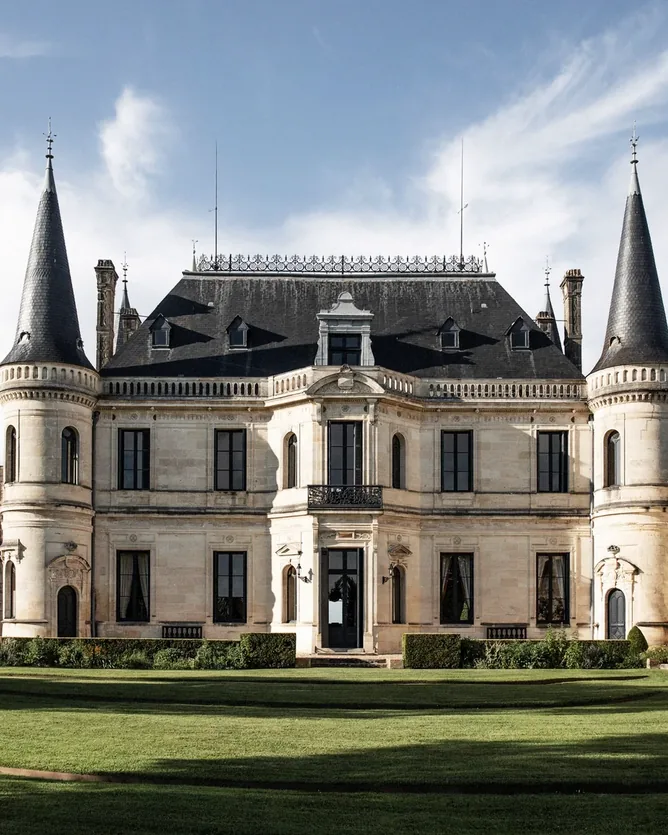
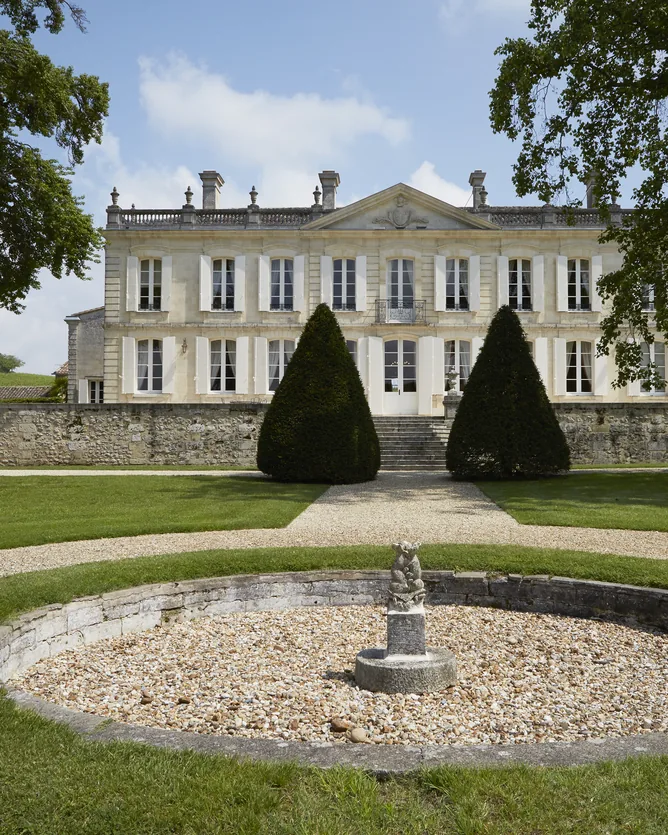
Château Pontet-Canet — verified Wine producer 02 Reserve

Château Pontet-Canet

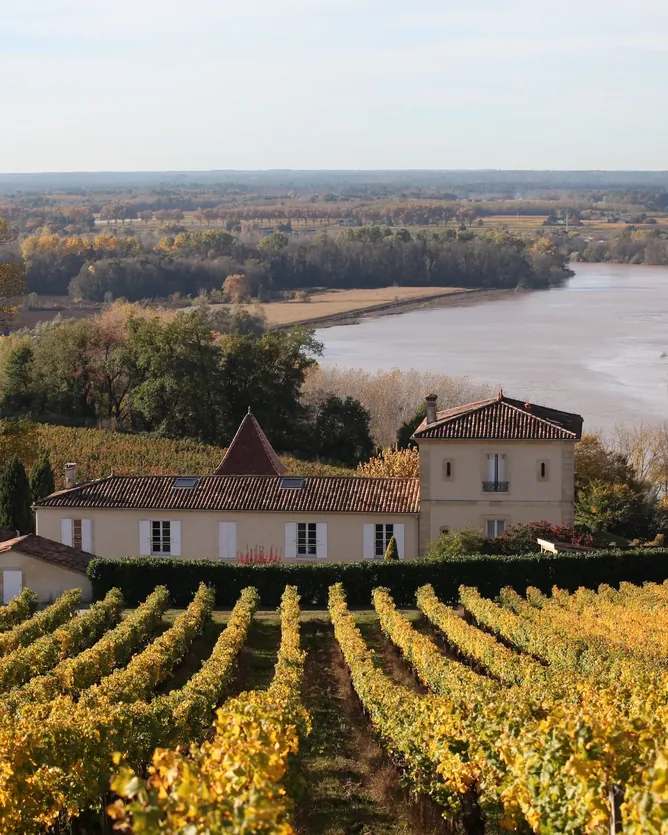
Pauillac, Bordeaux, France
Wine
Domaine Leflaive — verified Wine producer 03 Reserve

Domaine Leflaive

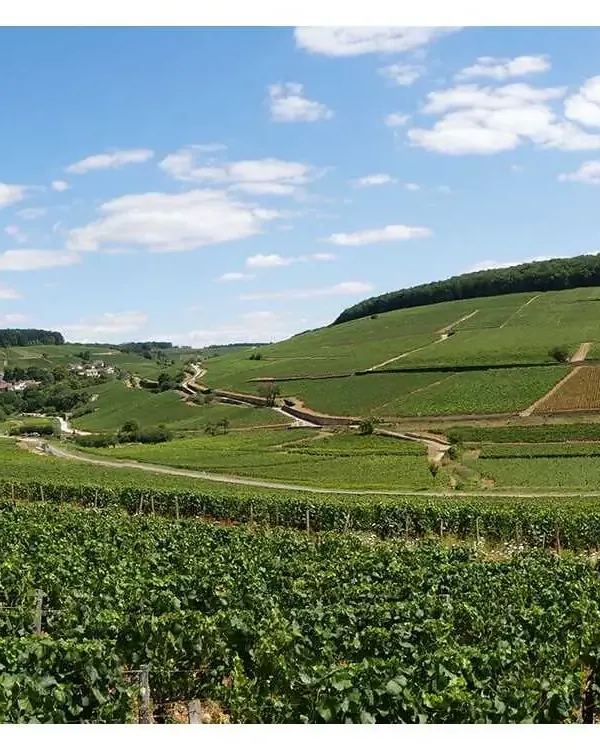
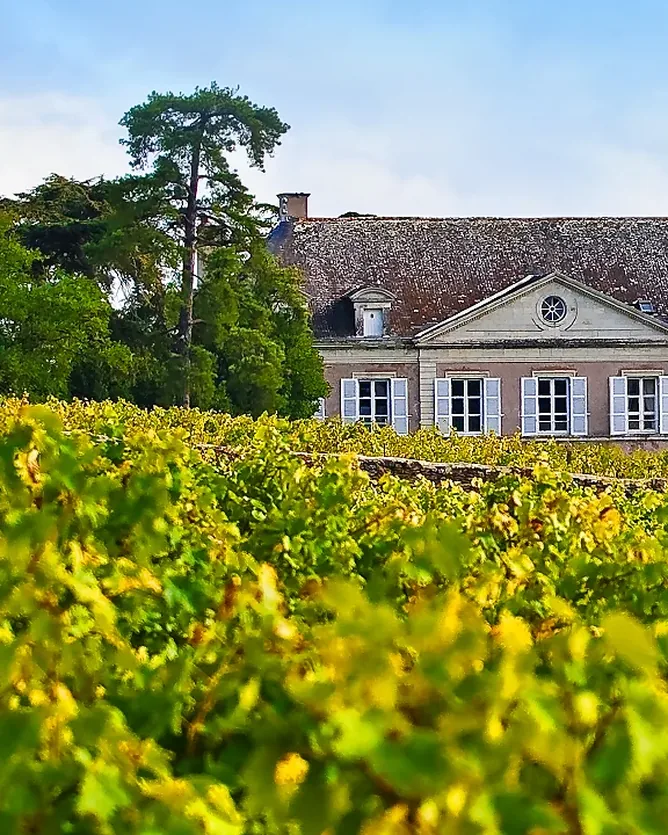
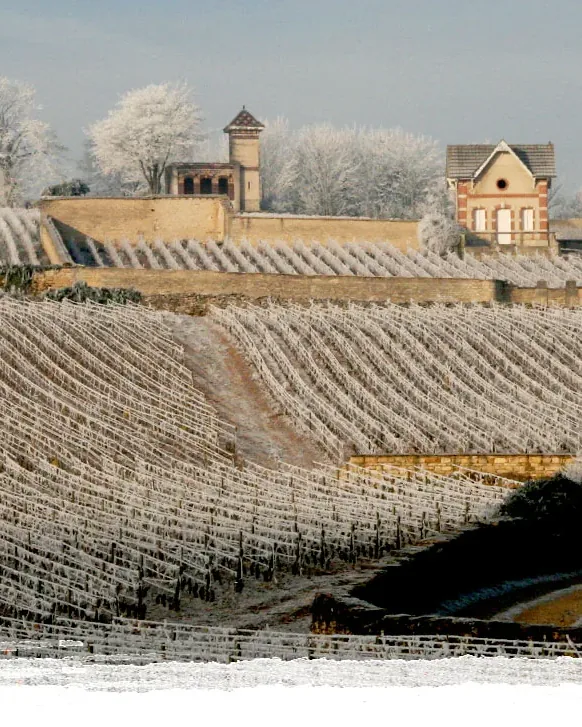
Puligny-Montrachet, Burgundy, France
Wine
Zind-Humbrecht — verified Wine producer 04 Reserve

Zind-Humbrecht

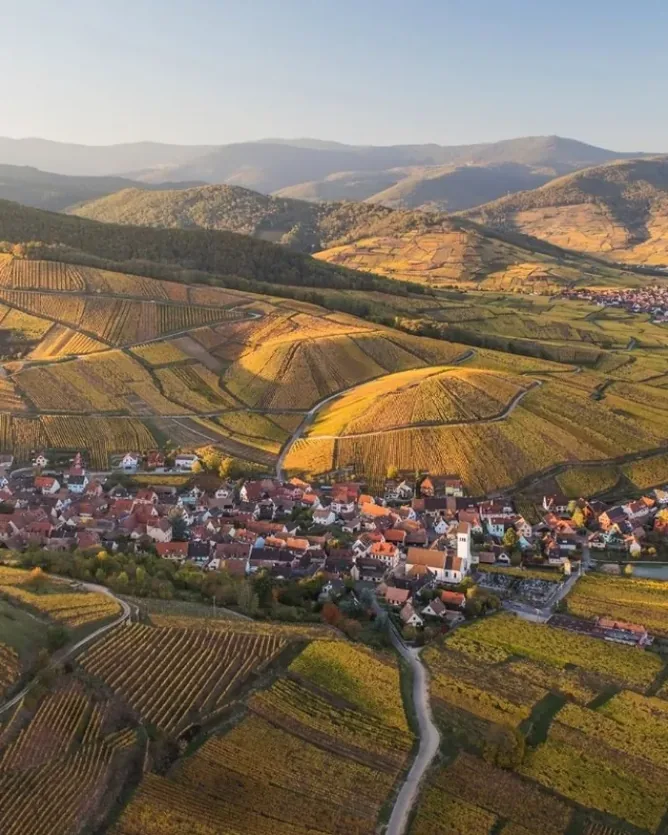
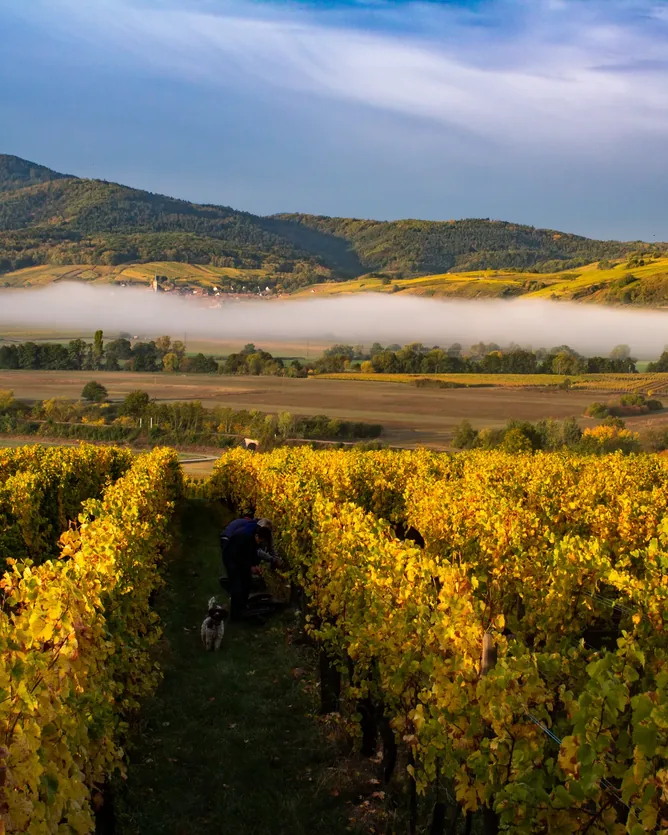
Turckheim, Alsace, France
Wine
Château de Beaucastel — verified Wine producer 05 Reserve

Château de Beaucastel

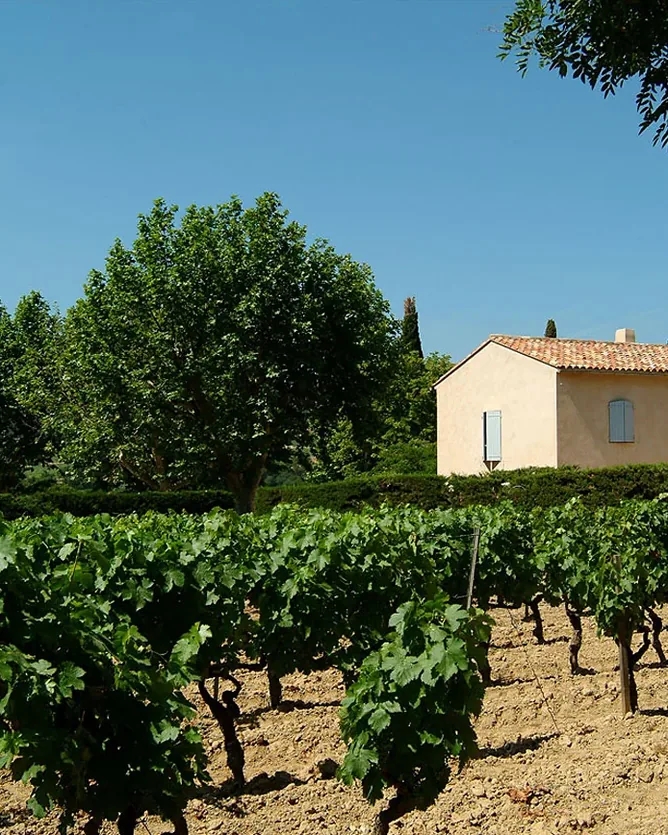
Courthézon, Châteauneuf-du-Pape, France
Wine
Coulée de Serrant / Nicolas Joly — verified Wine producer 06 Reserve

Coulée de Serrant / Nicolas Joly

Savennières, Loire Valley, France
Wine
Cullen Wines — verified Wine producer 07 Reserve

Cullen Wines

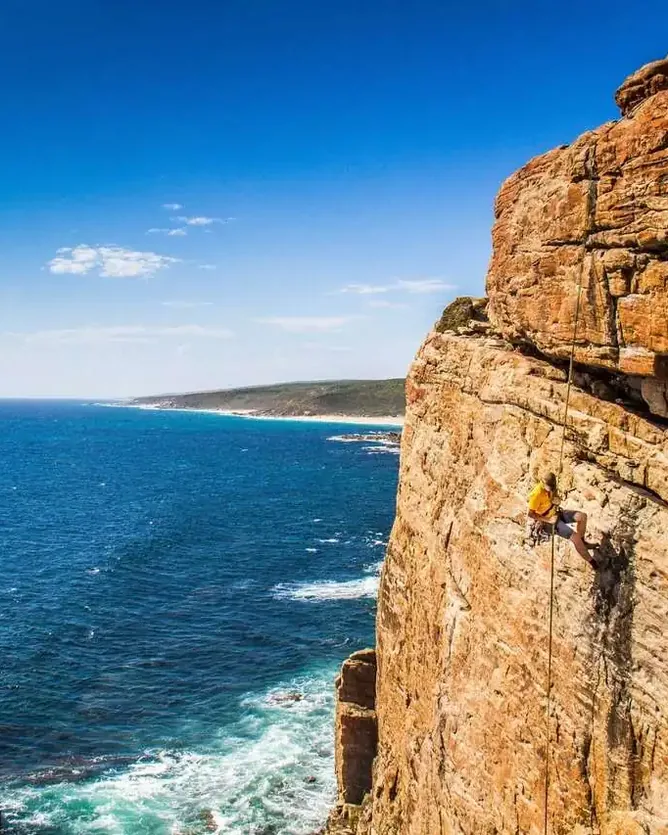
Wilyabrup, Margaret River, Western Australia
Wine
Didier Dagueneau — verified Wine producer 08 Reserve

Didier Dagueneau

Saint-Andelain, Pouilly-Fumé, Loire Valley, France
Wine
Domaine Huet — verified Wine producer 09 Reserve

Domaine Huet

Vouvray, Loire Valley, France
Wine
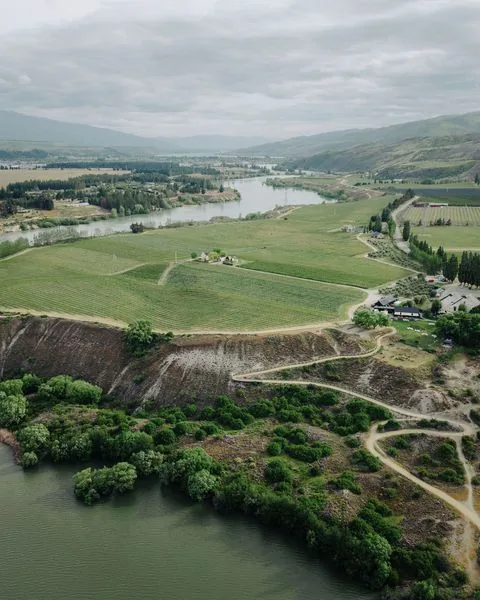
Felton Road — verified Wine producer 10 Reserve

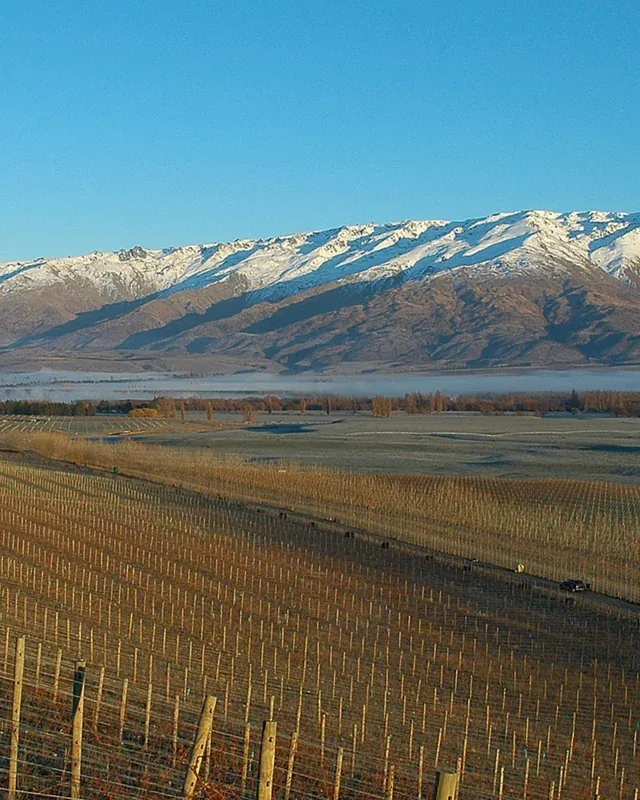
Felton Road

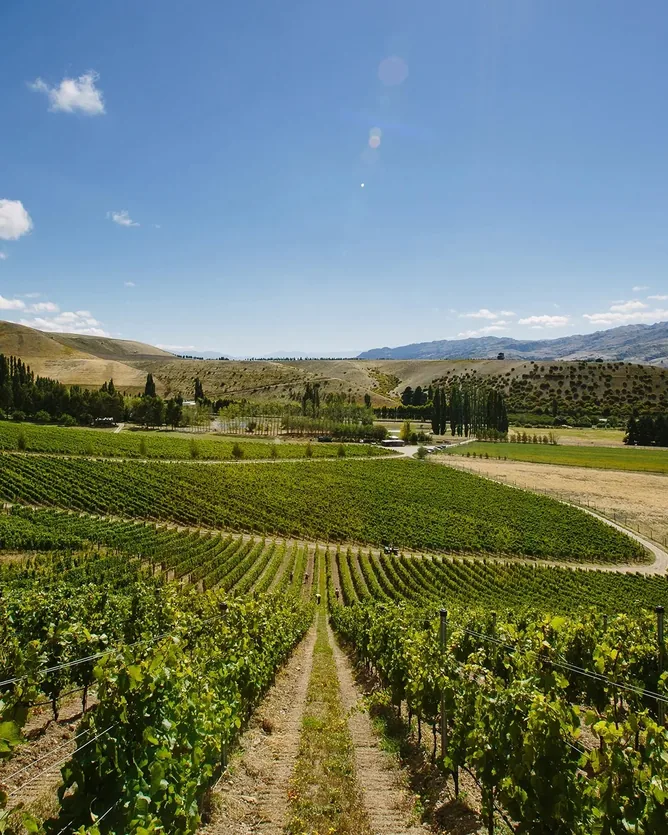
Bannockburn, Central Otago, New Zealand
Wine
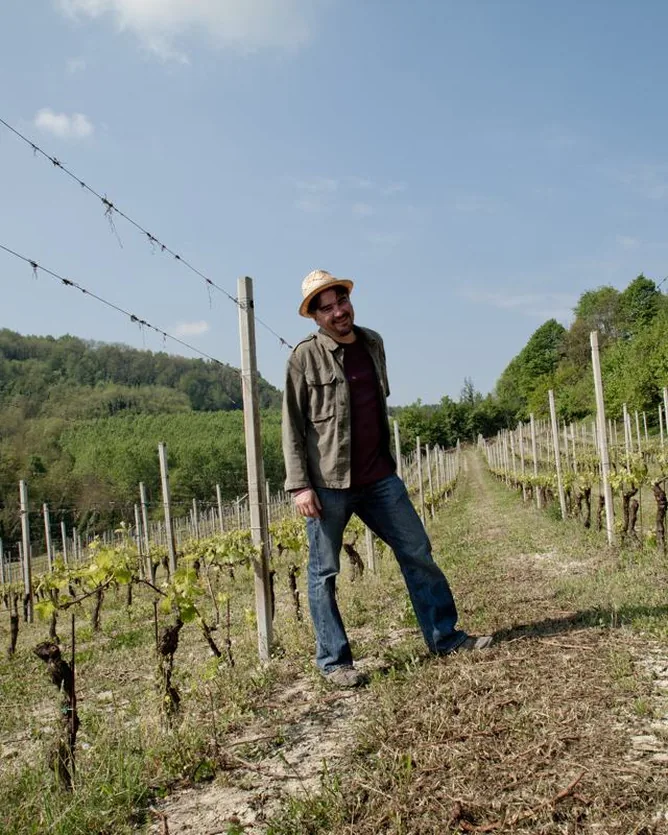
Gravner — verified Wine producer 11 Reserve

Gravner

Oslavia, Friuli-Venezia Giulia, Italy
Wine
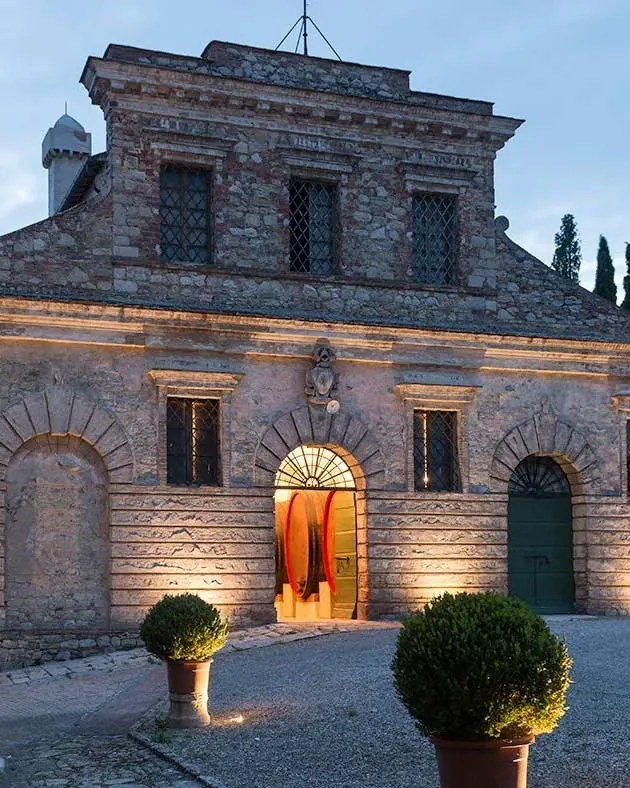
Querciabella — verified Wine producer 12 Reserve

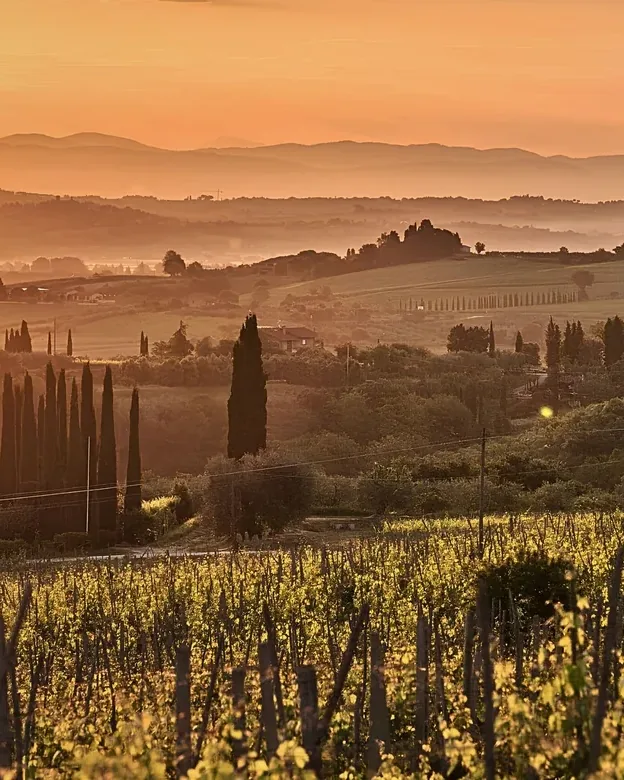
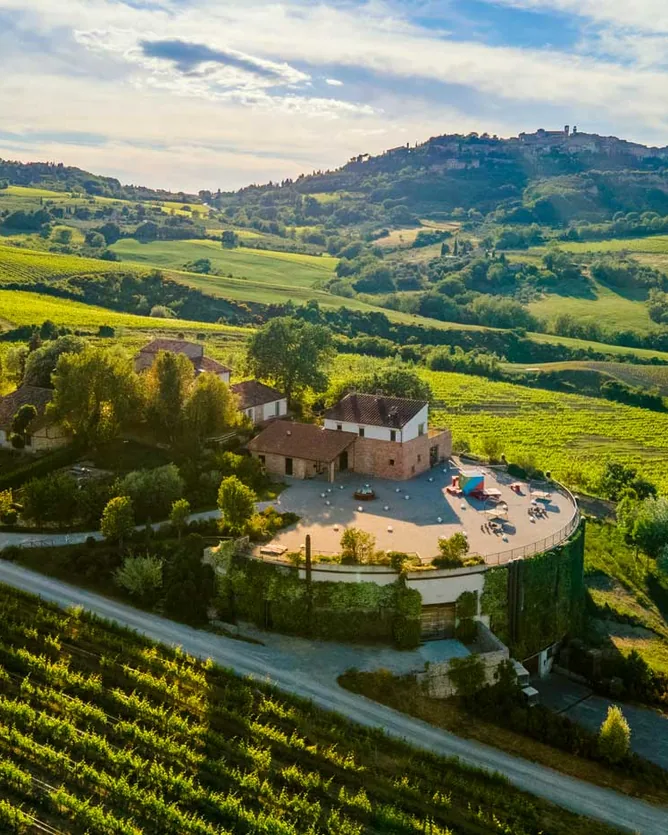
Querciabella

Greve in Chianti, Tuscany, Italy
Wine
Antiyal — verified Wine producer 13 Reserve

Antiyal

Maipo Valley, Chile
Wine
Foradori — verified Wine producer 14 Reserve

Foradori

Trentino-Alto Adige, Italy
Wine
Tablas Creek Vineyard — verified Wine producer 15 Reserve

Tablas Creek Vineyard

Paso Robles, California
Wine
Bruichladdich Distillery — verified Organic Single Malt Scotch Whisky (Organic Barley expressions) producer 16 Reserve

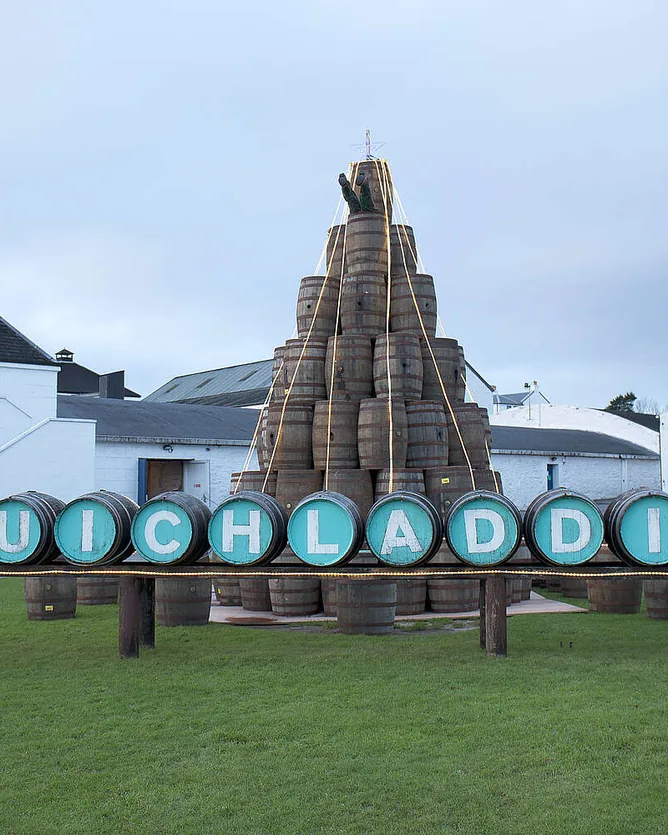
Bruichladdich Distillery

Islay, Scotland
Organic Single Malt Scotch Whisky (Organic Barley expressions)
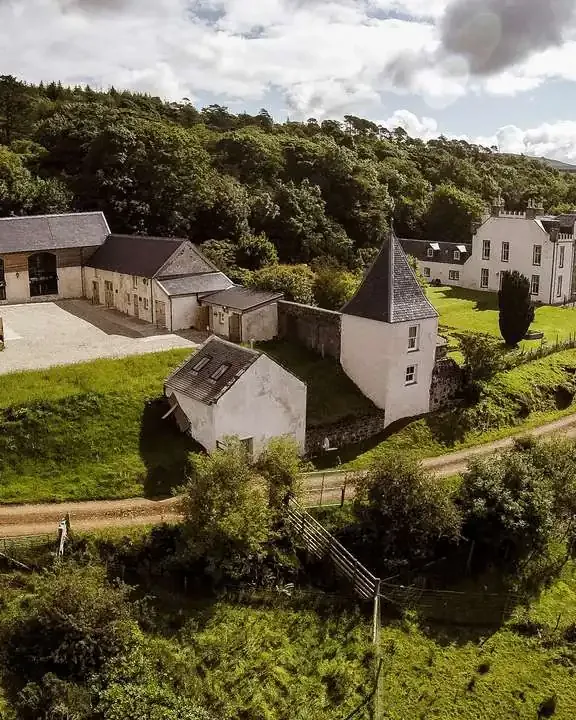
Nc'nean Distillery — verified Organic Single Malt Scotch Whisky producer 17 Reserve

Nc'nean Distillery

Drimnin, Morvern Peninsula, Scotland
Organic Single Malt Scotch Whisky
Weingut Nikolaihof — verified Wine producer 18 Gold

Weingut Nikolaihof

Mautern, Wachau, Austria
Wine
Henschke — verified Wine producer 19 Gold

Henschke

Keyneton, Eden Valley, South Australia
Wine
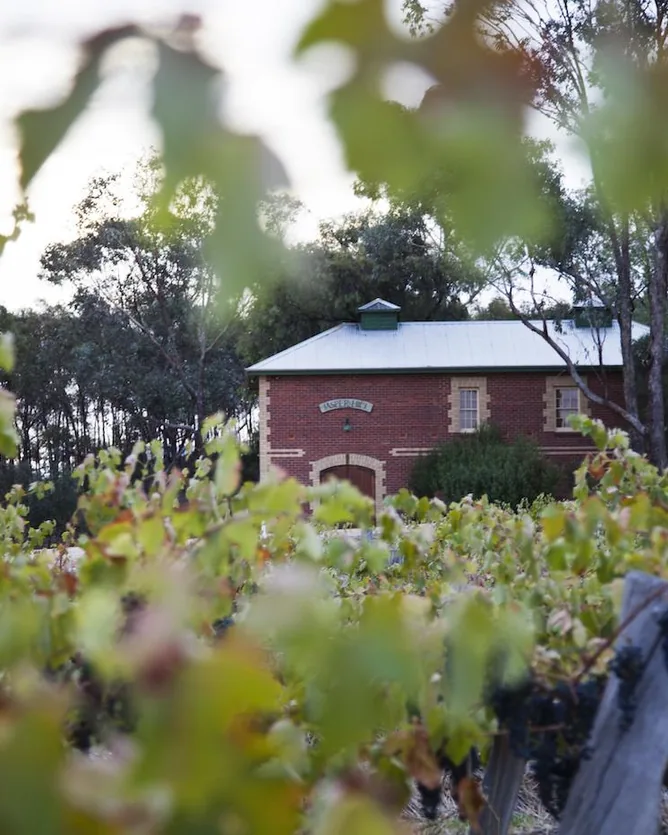
Jasper Hill — verified Wine producer 20 Gold

Jasper Hill

Heathcote, Victoria, Australia
Wine
Domaine Cécile Tremblay — verified Wine producer 21 Gold

Domaine Cécile Tremblay

Morey-Saint-Denis, Côte de Nuits, Burgundy, France
Wine
Dominio de Pingus — verified Wine producer 22 Gold

Dominio de Pingus

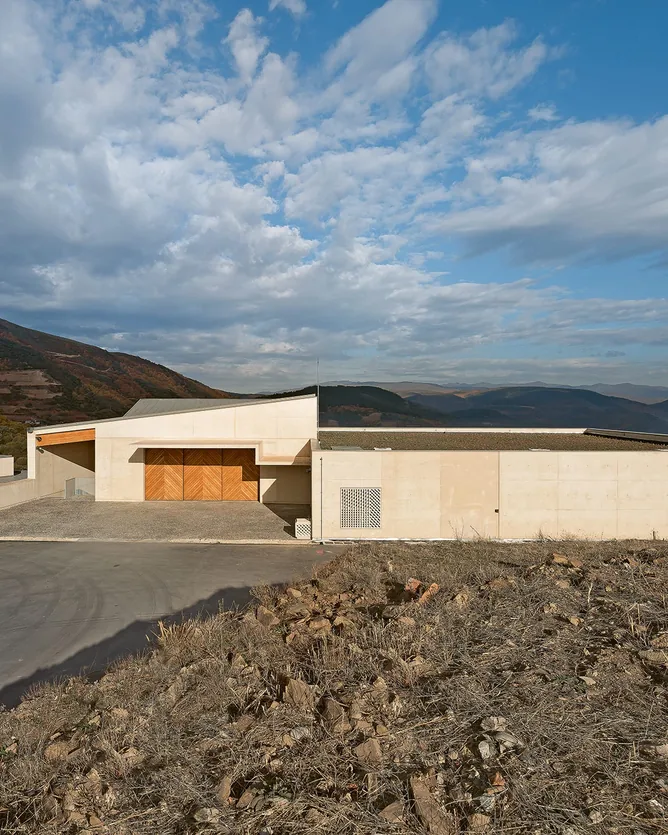
La Horra, Ribera del Duero, Spain
Wine
Emidio Pepe — verified Wine producer 23 Gold

Emidio Pepe

Torano Nuovo, Abruzzo, Italy
Wine
Soldera Case Basse — verified Wine producer 24 Gold

Soldera Case Basse

Montalcino, Tuscany, Italy
Wine
Weingut Clemens Busch — verified Wine producer 25 Gold

Weingut Clemens Busch

Pünderich, Terrassenmosel, Germany
Wine
Weingut Wittmann — verified Wine producer 26 Gold

Weingut Wittmann

Westhofen, Rheinhessen, Germany
Wine
Álvaro Palacios — verified Wine producer 27 Gold

Álvaro Palacios

Gratallops, Priorat, Catalonia, Spain
Wine
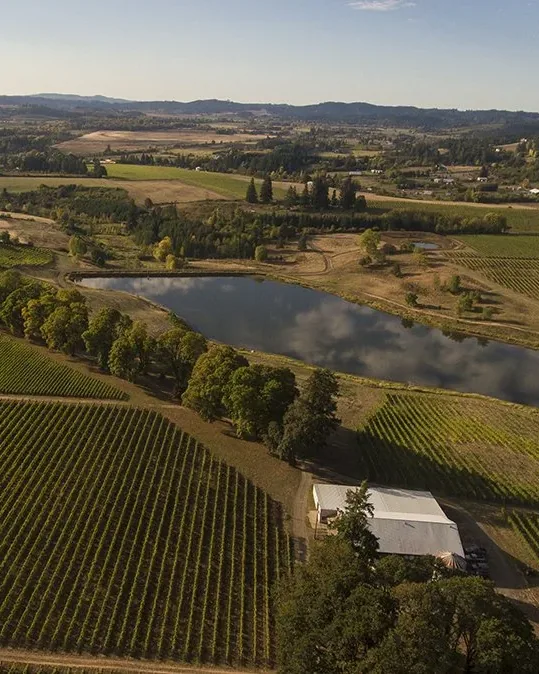
Antica Terra — verified Wine producer 28 Gold

Antica Terra

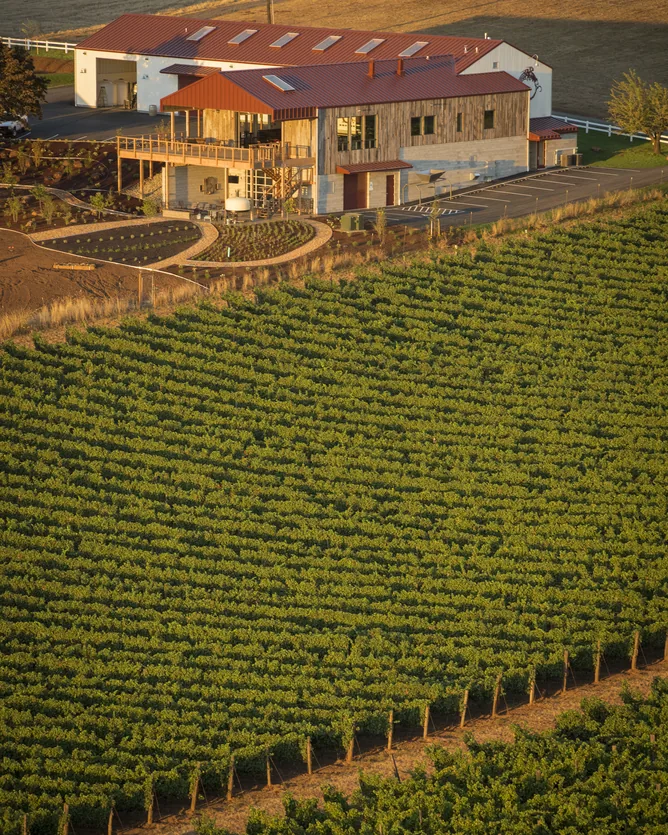
Willamette Valley, Oregon
Wine
Bainbridge Organic Distillers — verified Certified Organic American Grain Whiskey producer 29 Gold

Bainbridge Organic Distillers

Bainbridge Island, Washington State, USA
Certified Organic American Grain Whiskey
CAwaiting Portrait
30 Gold

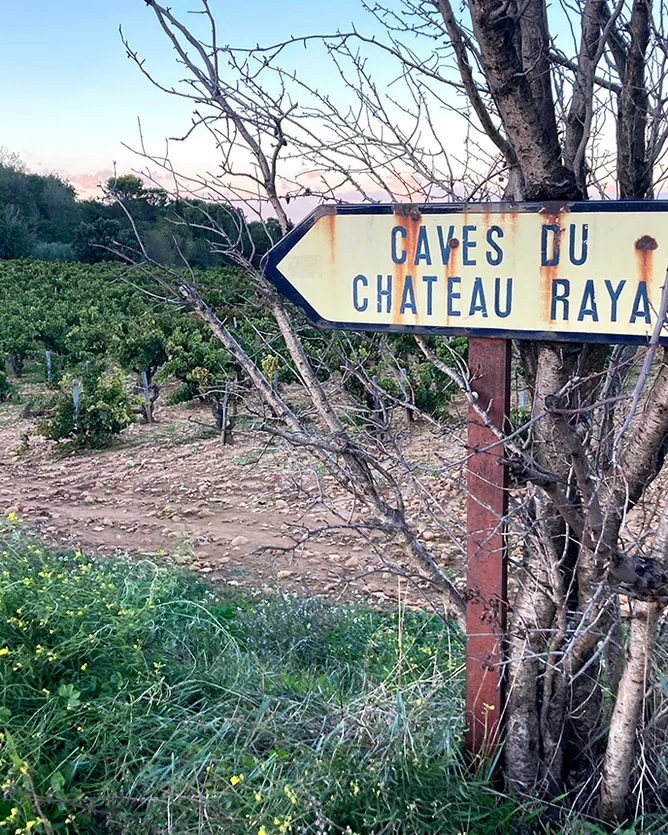
Château Rayas

Châteauneuf-du-Pape, Rhône Valley, France
Wine
Clos Mogador — verified Wine producer 31 Gold

Clos Mogador

Gratallops, Priorat, Catalonia, Spain
Wine
Cornelissen — verified Wine producer 32 Gold

Cornelissen

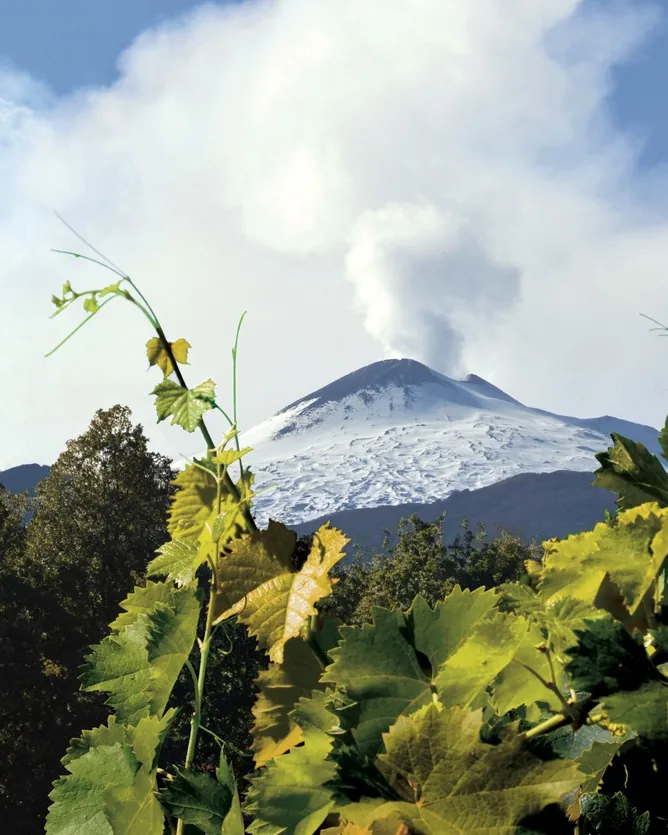
Milo, Etna, Sicily, Italy
Wine
Fontodi — verified Wine producer 33 Gold

Fontodi

Panzano in Chianti, Tuscany, Italy
Wine
The Sadie Family Wines — verified Wine producer 34 Gold

The Sadie Family Wines

Swartland, South Africa
Wine
Weingut Emrich-Schoenleber — verified Wine producer 35 Gold

Weingut Emrich-Schoenleber

Monzingen, Nahe, Germany
Wine
AA Badenhorst Family Wines — verified Wine producer 36 Gold

AA Badenhorst Family Wines

Paardeberg, Swartland, South Africa
Wine
Del Maguey Single Village Mezcal — verified Spirits producer 37 Gold

Del Maguey Single Village Mezcal

Oaxaca, Mexico
Spirits
DAwaiting Portrait
38 Gold

Domaine Tempier

Le Plan du Castellet, Bandol, Provence, France
Wine
Domaine de Trévallon — verified Wine producer 39 Gold

Domaine de Trévallon

Saint-Étienne-du-Grès, Les Baux-de-Provence, France
Wine
El Sativo — verified Organic Tequila producer 40 Gold

El Sativo

Jalisco, Mexico
Organic Tequila
Gérard Bertrand — verified Wine producer 41 Gold

Gérard Bertrand

Languedoc-Roussillon, France
Wine
Littorai Wines — verified Wine producer 42 Gold

Littorai Wines

Sonoma Coast, California
Wine
Occhipinti — verified Wine producer 43 Gold

Occhipinti

Vittoria, Sicily, Italy
Wine
Prophets Rock — verified Wine producer 44 Gold

Prophets Rock

Bendigo, Central Otago, New Zealand
Wine
Radikon — verified Wine producer 45 Gold

Radikon

Oslavia, Friuli-Venezia Giulia, Italy
Wine
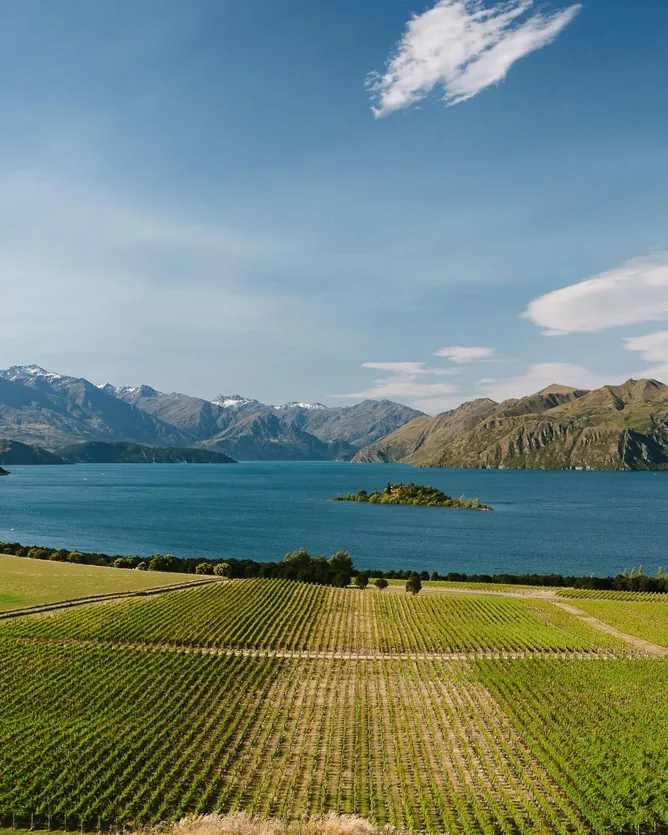
Rippon Vineyard — verified Wine producer 46 Gold

Rippon Vineyard

Lake Wānaka, Central Otago, New Zealand
Wine
Sorrenberg — verified Wine producer 47 Gold

Sorrenberg

Beechworth, Victoria, Australia
Wine
Tenuta delle Terre Nere — verified Wine producer 48 Gold

Tenuta delle Terre Nere

Randazzo, Etna, Sicily, Italy
Wine
Yangarra Estate Vineyard — verified Wine producer 49 Gold

Yangarra Estate Vineyard

McLaren Vale, South Australia
Wine
COS — verified Wine producer 50 Gold

COS

Vittoria, Sicily, Italy
Wine
Cowhorn Vineyard & Garden — verified Wine producer 51 Gold

Cowhorn Vineyard & Garden

Applegate Valley, Oregon
Wine
Domaine Tissot — verified Wine producer 52 Gold

Domaine Tissot

Arbois, Jura, France
Wine
Domaine Vacheron — verified Wine producer 53 Gold

Domaine Vacheron

Sancerre, Loire Valley, France
Wine
Emiliana Organic Vineyards — verified Wine producer 54 Gold

Emiliana Organic Vineyards

Casablanca, Colchagua, Casablanca, Chile
Wine
Four Pillars Gin — verified Spirits producer 55 Gold

Four Pillars Gin

Healesville, Yarra Valley, Victoria, Australia
Spirits
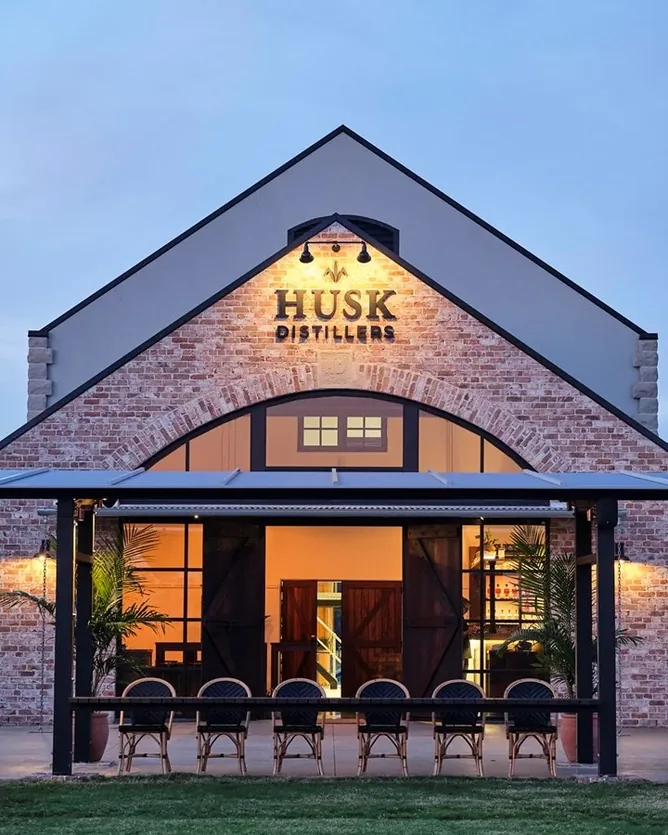
Husk Distillers — verified Spirits producer 56 Gold

Husk Distillers

Tumbulgum, New South Wales, Australia
Spirits
Journeyman Distillery — verified Certified Organic American Whiskey producer 57 Gold

Journeyman Distillery

Three Oaks, Michigan, USA
Certified Organic American Whiskey
Leclerc Briant — verified Champagne producer 58 Gold

Leclerc Briant

Épernay, Champagne, France
Champagne
Matetic Vineyards — verified Wine producer 59 Gold

Matetic Vineyards

San Antonio Valley, Chile
Wine
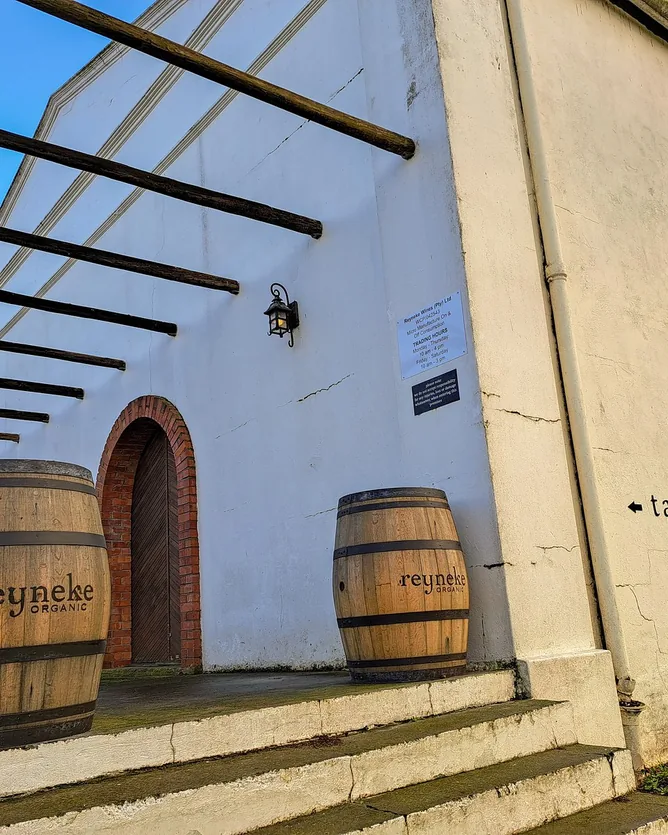
Reyneke Wines — verified Wine producer 60 Gold

Reyneke Wines

Stellenbosch, South Africa
Wine
St. George Spirits — verified Spirits producer 61 Gold

St. George Spirits

Alameda, California
Spirits
SAwaiting Portrait
62 Gold

Stefano Lubiana Wines

Granton, Tasmania, Australia
Wine
Weingut Loimer — verified Wine producer 63 Gold

Weingut Loimer

Langenlois, Kamptal, Austria
Wine
Casa Noble — verified Organic Tequila producer 64 Gold

Casa Noble

Jalisco, Mexico
Organic Tequila
Millton Vineyards — verified Wine producer 65 Gold

Millton Vineyards

Manutuke, Gisborne, New Zealand
Wine
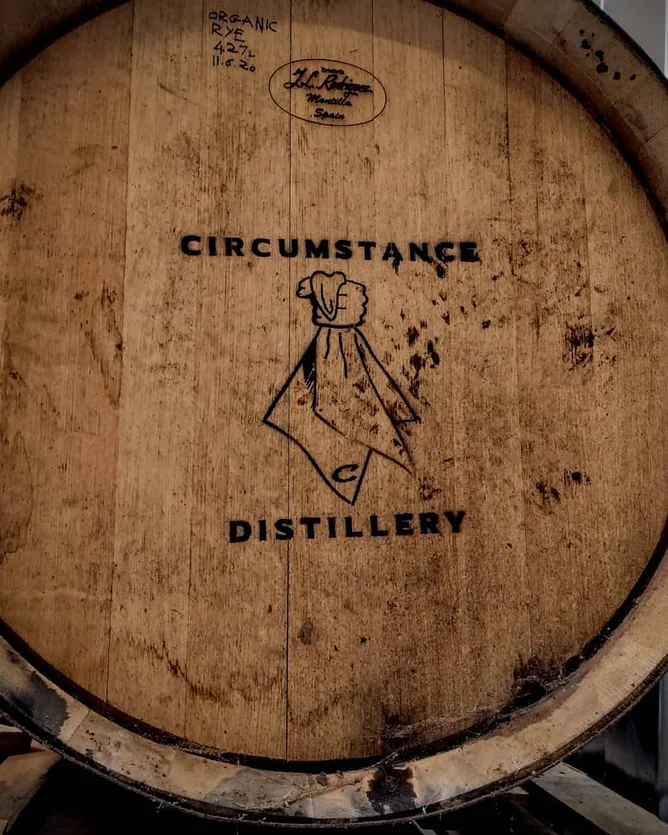
Circumstance Distillery — verified Certified Organic English Whisky producer 66 Gold

Circumstance Distillery

Bristol, England
Certified Organic English Whisky
Dulce Vida — verified Organic Tequila producer 67 Gold

Dulce Vida

Jalisco, Mexico
Organic Tequila
KOVAL Distillery — verified Certified Organic American Whiskey producer 68 Gold

KOVAL Distillery

Chicago, Illinois, USA
Certified Organic American Whiskey
Bodega Clos des Fous — verified Wine producer 69 Gold

Bodega Clos des Fous

Aconcagua, Chile
Wine
Cantina Giardino — verified Wine producer 70 Gold

Cantina Giardino

Campania, Italy
Wine
Château Rêva — verified Wine producer 71 Gold

Château Rêva

La Motte, Côtes de Provence, France
Wine
Costadilà — verified Wine producer 72 Gold

Costadilà

Veneto, Italy
Wine
Hermosa Organic Tequila — verified Tequila producer 73 Gold

Hermosa Organic Tequila

Amatitán, Jalisco, Mexico
Tequila
Montinore Estate — verified Wine producer 74 Gold

Montinore Estate

Willamette Valley, Oregon
Wine
Tsuchida Shuzo — verified Sake producer 75 Gold

Tsuchida Shuzo

Gunma, Japan
Sake
Audécious — verified Organic Sugarcane Vodka producer
Founding

Audécious

Whistler, BC, Canada · Organic Sugarcane Vodka
Track A · USDA & EU Certified Organic · Platinum, LA Spirits Awards

Born in Whistler, Audécious is a pioneer — built on a single conviction: that the world can be switched away from drinking traditional spirits made with ingredients that rely on harmful pesticides, which threaten humanity, wildlife and the environment.

The goal was never to make people drink more, but to make them drink better. Better tasting, and better for the planet. Traditional alcoholic beverages drawn from pesticide-reliant crops carry a hidden cost — and Audécious decided that cost was far too high.

The answer was a world-class organic, sustainably made vodka distilled from organic sugarcane: exceptionally smooth, satisfying, and clean. No burn, no bite — a texture and body that bartenders at the Four Seasons, Reel Room and Hey Love describe as unlike any vodka they can remember.

Audécious also prioritises accessibility, working to make its products affordable indulgences available anywhere in the world. It is the founding proof of the Free Bacchus movement: the bottle that demonstrated outstanding spirits could be made entirely free of pesticide-dependent practice, then revealed that the real barrier to scaling clean spirits was never quality. It was infrastructure.

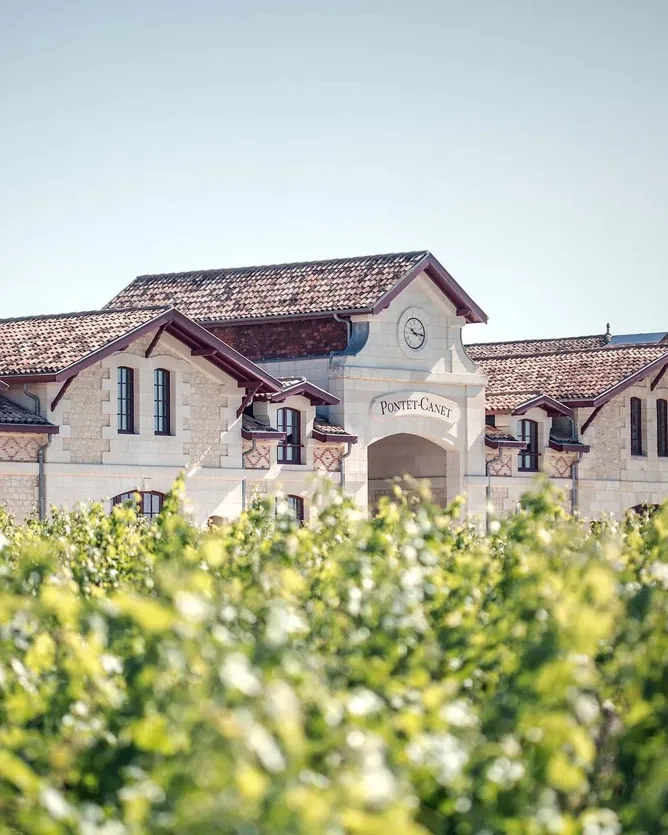
Château Pontet-Canet — verified Wine producer
Reserve

Château Pontet-Canet

Pauillac, Bordeaux, France · Wine
Track A · Ecocert Organic · Demeter Biodynamic Certified

Château Pontet-Canet is the most important single proof point that biodynamic farming and the Bordeaux establishment are not incompatible — a demonstration the Tesseron family has been making with increasing conviction since Alfred Tesseron initiated the biodynamic conversion in 2004.

The estate is a Cinquième Cru Classé in Pauillac, directly adjacent to Mouton Rothschild. The conversion to biodynamic farming across 80 hectares of Cabernet Sauvignon-dominant vines — certified by both Ecocert and Demeter — was ambitious for Bordeaux on every practical level: scale, climate risk, and the weight of historical expectation. What it produced was a dramatic step change in wine quality that the critical community registered within a few vintages.

The 2009 Château Pontet-Canet earned 100 points from Wine Advocate — a perfect score and one of the highest marks ever given to a Pauillac. The estate has since become a reference point in discussions of what biodynamic farming does to site expression in Bordeaux, and Alfred Tesseron has been among the most vocal advocates for the practice within an appellation not historically known for openness to unconventional agriculture.

That the most celebrated recent vintage from this estate coincided with the maturation of its biodynamic farming programme is not, by any reasonable analysis, a coincidence.

Domaine Leflaive — verified Wine producer
Reserve

Domaine Leflaive

Puligny-Montrachet, Burgundy, France · Wine
Track A · Demeter Biodynamic Certified

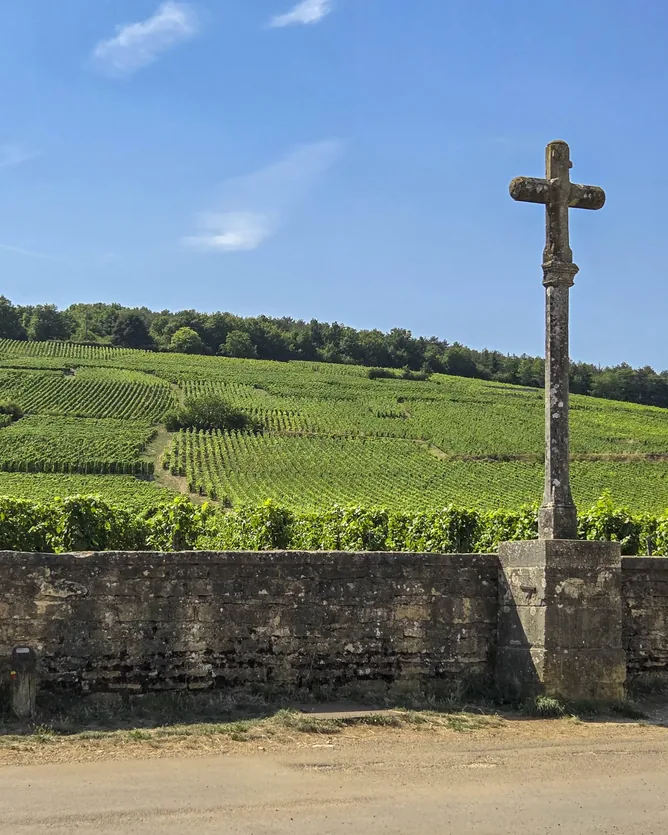
Domaine Leflaive is the clearest case in Burgundy — and arguably in all of French wine — of biodynamic farming as a quality decision rather than an ideological one. The conversion, undertaken under Anne-Claude Leflaive beginning in the 1990s and completed across the full estate under Demeter certification, was driven by a documented observation: that the Grand Cru and Premier Cru vineyards the domaine farmed in Puligny-Montrachet were losing vitality under conventional management, and that biodynamic practice restored it.

The Leflaive holdings are exceptional on paper — Bâtard-Montrachet, Bienvenues-Bâtard-Montrachet, Chevalier-Montrachet, and a parcel of Le Montrachet itself, the most celebrated white wine vineyard on earth. What elevates the estate beyond its addresses is the consistency with which the wines express those sites with a precision and longevity that justifies the decades of farming work.

The Montrachet Grand Cru has earned 99 points from Wine Advocate — a score that places it among the finest white wines produced anywhere in the world. Decanter's Trophy for the estate confirms the critical position is not built on a single vintage.

Anne-Claude Leflaive died in 2015. The domaine she left is one of the strongest arguments that careful farming and exceptional quality are, in Burgundy, the same argument made twice.

Zind-Humbrecht — verified Wine producer
Reserve

Zind-Humbrecht

Turckheim, Alsace, France · Wine
Track A · Demeter Biodynamic Certified

Zind-Humbrecht holds the most comprehensive collection of Grand Cru vineyard sites in Alsace. The four Grands Crus farmed by the estate — Rangen de Thann, Brand, Goldert, and Hengst — cover the full range of Alsatian soil types, from volcanic basalt to limestone and sandstone, giving Olivier Humbrecht MW a canvas that few winemakers anywhere possess.

The conversion to biodynamic farming under Demeter certification, completed in the 1990s, was driven by what Humbrecht observed in the vineyards: that soil life was the determinant of site expression, and that the extraordinary geological diversity of his holdings would only produce wines of commensurate complexity if the soil was treated as a living system. The argument turned out to be correct. The wines from Rangen de Thann in particular — the most extreme volcanic soil in Alsace, a near-vertical south-facing site above the town of Thann — are unlike anything produced from calmer geology.

The Rangen de Thann Clos Saint Urbain Riesling Grand Cru has earned 99 points from Wine Advocate, placing it among the finest Rieslings produced anywhere. Decanter's Trophy confirms the position across multiple vintages. Olivier Humbrecht was the first French person to earn the title of Master of Wine — a detail that matters because it anchors the biodynamic practice in technical rigour rather than romantic attachment.

Château de Beaucastel — verified Wine producer
Reserve

Château de Beaucastel

Courthézon, Châteauneuf-du-Pape, France · Wine
Track A · Ecocert Organic & Biodynamic Certified

Château de Beaucastel has been farmed without synthetic chemistry since 1950 — not as a recent conversion but as a founding condition, established by Jacques Perrin and maintained through four subsequent generations of the family without interruption.

The estate's position in Châteauneuf-du-Pape is distinctive for reasons that predate the organic designation. Beaucastel is one of the few producers in the appellation to use all thirteen permitted grape varieties in its blend, a decision that reflects both philosophical commitment to the appellation's complexity and a practical belief that diversity in the vineyard produces resilience that monovariety planting cannot. The soils here — large rounded galets roulés over clay and sand — retain daytime heat and release it at night, a thermal dynamic that defines the appellation's character and that organic farming preserves rather than overrides.

The Châteauneuf-du-Pape Rouge has drawn 98 points from Wine Advocate, and the estate's Hommage à Jacques Perrin is among the most celebrated wines produced anywhere in the southern Rhône. Decanter's Trophy confirms the critical consensus is not narrowly held.

The connection to Tablas Creek in Paso Robles — a partnership the Perrins established with the Haas family in 1989 — gives Beaucastel a particular significance for Free Bacchus: it is the source vineyard for one of the platform's highest-rated American producers, and the farming philosophy travels intact across both estates.

Coulée de Serrant / Nicolas Joly — verified Wine producer
Reserve

Coulée de Serrant / Nicolas Joly

Savennières, Loire Valley, France · Wine
Track A · Demeter Biodynamic Certified

Nicolas Joly did not pioneer biodynamic farming in wine because it was fashionable. He pioneered it in the 1980s because Rudolf Steiner's agricultural texts convinced him that the relationship between soil life, plant health, and cosmic rhythms was not mysticism but agronomy conducted at a finer resolution than chemistry allowed.

The Coulée de Serrant monopole — a 7-hectare vineyard of Chenin Blanc planted on south-facing schist above the Loire, first planted by Cistercian monks in the twelfth century — is one of the longest-tenured biodynamic vineyards in France. The site was one of the last individual vineyards in France to receive its own appellation, a recognition of a particularity that organic and biodynamic farming has preserved rather than manufactured.

The wines Joly produces from this vineyard are among the most polarising in France — intensely oxidative in style, honey-textured, deeply mineral, built to age for decades rather than drink young. The Coulée de Serrant monopole has earned 97 points from Wine Advocate and a Trophy at Decanter, marks that validate the quality without requiring agreement on the style.

Joly is also the founder of Renaissance des Appellations, an international association of biodynamic wine producers whose collective influence on the conversation about farming and terroir expression far exceeds what any individual estate could accomplish alone.

Cullen Wines — verified Wine producer
Reserve

Cullen Wines

Wilyabrup, Margaret River, Western Australia · Wine
Track A · Demeter Biodynamic · Australian Certified Organic · Carbon Neutral

Cullen Wines holds a position in Australian wine that requires some unpacking for those outside the country: it is simultaneously one of Margaret River's founding estates, one of Australia's most awarded producers, and one of the earliest and most complete converts to biodynamic farming in the southern hemisphere.

Vanya Cullen, who has managed the estate since the 1990s following the deaths of her parents Di and Kevin Cullen, completed the biodynamic conversion under Demeter certification while simultaneously pursuing carbon neutrality — an achievement the estate reached and has maintained, making it one of a small number of wineries globally to hold both certifications in parallel. The farming at Cullen is not a marketing posture. The estate eliminated synthetic chemistry progressively from the 1990s and has operated under full biodynamic and certified organic standards ever since.

The Kevin John Chardonnay — named for Vanya's father and made from estate fruit grown on the original plantings — has drawn 97 points from James Halliday and earned Best Biodynamic Wine at the James Halliday Wine Companion Awards. The Diana Madeline Cabernet-Merlot is the wine that has defined Margaret River's case for being taken seriously as a Cabernet region, and it ages with a composure that only great farming makes possible.

Cullen is the kind of estate that, if it existed in Burgundy or the Médoc, would attract a waiting list. In Margaret River, it remains quietly, stubbornly excellent.

Didier Dagueneau — verified Wine producer
Reserve

Didier Dagueneau

Saint-Andelain, Pouilly-Fumé, Loire Valley, France · Wine
Track B · Verified Chemical-Free Practice — philosophical objection to certification

Didier Dagueneau died in a microlight accident in 2008, but the estate he built in Pouilly-Fumé — and that his children Charline and Louis-Benjamin have continued with evident seriousness — remains the clearest argument that Sauvignon Blanc is a great grape when someone treats it that way.

Dagueneau was not a certification advocate. He was, by documented account, philosophically opposed to what he considered the administrative reduction of something that should be a lived practice rather than a compliance exercise. His importer Beaune Imports has stated directly that the estate's unwillingness to certify reflects a principled position, not a farming gap — and the estate has practiced without synthetic chemistry for decades. Under the Free Bacchus Verification Standard, this qualifies as Track B: verified chemical-free practice with a named, documented reason for non-certification and independent corroboration from multiple sources.

The wines themselves — Silex, Buisson Renard, Pur Sang — are benchmarks for what Loire Sauvignon Blanc achieves at its most serious. Silex has earned 97 points from Wine Spectator and a Trophy at Decanter. The flinty tension and extraordinary precision these wines carry is inseparable from the farming philosophy: low yields, old vines, no shortcuts.

The Dagueneau estate is one of a small number of producers on the Free Bacchus platform whose Track B designation carries the same confidence as a Track A certification — the evidence is simply held in a different form.

Domaine Huet — verified Wine producer
Reserve

Domaine Huet

Vouvray, Loire Valley, France · Wine
Track A · Demeter Biodynamic Certified

Domaine Huet's three vineyard sites in Vouvray — Le Haut-Lieu, Le Mont, and Clos du Bourg — are the best evidence that Chenin Blanc is one of the most versatile and age-worthy white grapes in the world. The estate has been farming these sites organically since the 1990s under Demeter certification, converting under the direction of Noël Pinguet, who managed the domaine for Gaston Huet's family for decades.

Vouvray sits on tuffeau limestone above the Loire, a chalky soil that retains moisture and produces wines of extraordinary minerality and acidity — the structural elements that allow Huet's wines to age for forty years or more and still be evolving. The estate produces across the full stylistic range: sec, demi-sec, and moelleux, as well as pétillant and perlant sparkling wines — all from the same three plots, all reflecting the same biodynamic farming standard.

The Le Haut-Lieu Moelleux has drawn 97 points from Wine Advocate and a Trophy at Decanter. But the dry wines may be the more revealing case: a Huet sec from a good vintage is one of the most undervalued wines in France by any objective comparison to Burgundy or Alsace at similar price points.

After Gaston Huet's death in 2002, the estate was acquired by Anthony Hwang, who has maintained the biodynamic standard and the farming philosophy without alteration.

Felton Road — verified Wine producer
Reserve

Felton Road

Bannockburn, Central Otago, New Zealand · Wine
Track A · Demeter Biodynamic · BioGro NZ Certified Organic

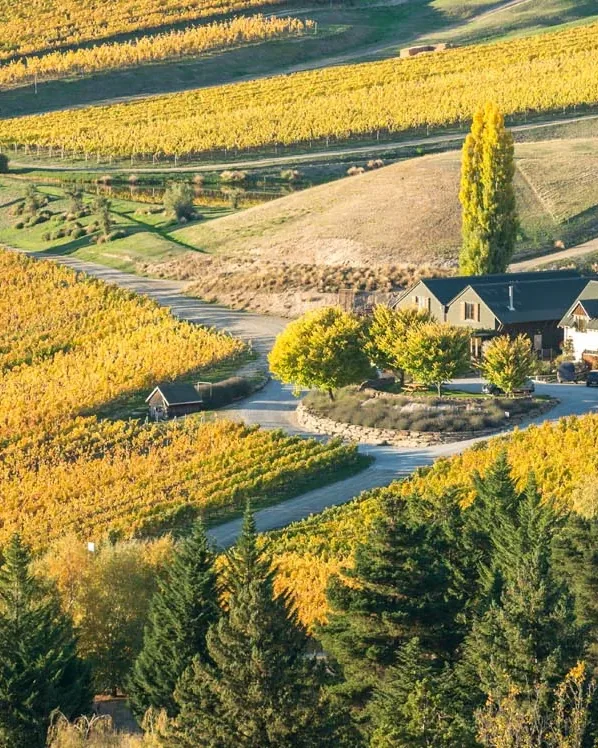
Central Otago is the world's southernmost wine region of significance, a semi-arid inland basin of schist and loess soils surrounded by mountains that produces Pinot Noir of a particular character — bright, precise, structured by a diurnal temperature range that pushes ripeness and acidity simultaneously. Felton Road has been the estate that most consistently demonstrates what this region can achieve at the top of its range.

The estate converted to certified organic and Demeter biodynamic farming progressively through the 2000s, completing the transition ahead of most of its regional peers. The decision was driven by a belief that the schist soils of the Bannockburn terrace — already among the most mineral-expressive in Central Otago — would only achieve their full potential if the soil biology was functioning without chemical interference.

The Block 3 Pinot Noir has drawn 97 points from Wine Advocate and Best New Zealand Red at Decanter World Wine Awards. The Block 5 and Calvert Pinot Noirs are equally serious in different directions: Block 5 is the more structured, Calvert the more aromatic, both reflecting the precision of biodynamic viticulture applied to individual blocks within the same estate.

Felton Road's production is not large. Demand from collectors and restaurants far outpaces allocation at the top end of the range, and the estate's reputation in Japan, the UK, and North America has been built without discounting and without compromise.

Gravner — verified Wine producer
Reserve

Gravner

Oslavia, Friuli-Venezia Giulia, Italy · Wine
Track A · ICEA Certified Organic & Biodynamic

Josko Gravner is, by most accounts, the person most responsible for the modern revival of skin-contact white wine — a technique that had survived only in scattered pockets of Georgian and Eastern European winemaking before he encountered it during a visit to the Republic of Georgia in 1996. What he brought back was not a trend but a conviction: that white grapes fermented on their skins, in clay amphora buried in the earth, and left alone for six months or longer, produced wines of a depth and complexity that had no equivalent in any contemporary European style.

The farming at Gravner's hillside estate in Oslavia — a small village on the Slovenian border where the soils shift between limestone, clay, and marl — is certified organic and biodynamic through ICEA. The conversion predated the amphora experiment; Gravner had already concluded that conventional chemistry was incompatible with what he was trying to grow.

The Ribolla Anfora is the wine that carries this philosophy most completely. It has drawn 97 points from Wine Advocate — a score that, for a wine this unconventional in style, speaks to the quality of the underlying material rather than any concession to critical expectation. The wines require time and an open palate. They also reward both.

Gravner does not produce wine for broad consumption, and he doesn't try to. What he produces is a record of a place and a practice, documented in bottles that age for decades.

Querciabella — verified Wine producer
Reserve

Querciabella

Greve in Chianti, Tuscany, Italy · Wine
Track A · ICEA Certified Organic & Biodynamic

Querciabella's founding in 1974 was conventional in every sense. By the 1990s, under the direction of Sebastiano Cossia Castiglioni, it had begun one of the most thoroughgoing philosophical transformations in Chianti Classico — first to certified organic, then to certified biodynamic, and eventually to a fully vegan winery that has eliminated all animal-derived products from both the farming and the winemaking.

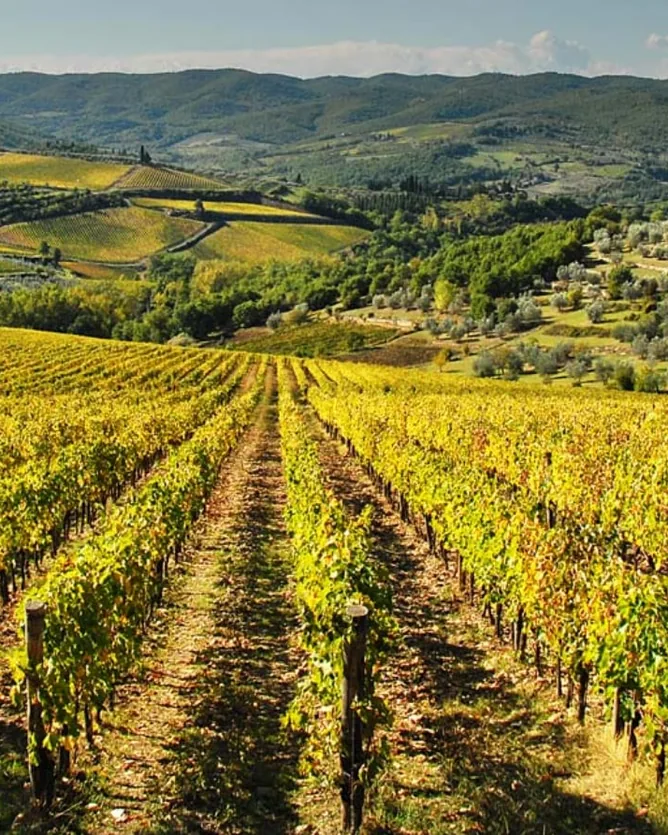
The Chianti Classico estate sits in the Panzano amphitheatre, a bowl of south-facing galestro and alberese soils that produce some of the appellation's most precise Sangiovese. The biodynamic conversion here was not symbolic. Querciabella manages the farm as an integrated system — cover crops, composting, biodynamic preparations, and zero pesticide use across the entire estate — certified by ICEA, Italy's independent organic and biodynamic certifier.

The Camartina Super Tuscan, a Cabernet Sauvignon-dominant blend, has earned 97 points from Wine Spectator and a Trophy at Decanter World Wine Awards, placing Querciabella in the upper tier of Tuscan quality by any standard. But the Chianti Classico and Chianti Classico Gran Selezione are arguably the better proof of thesis: that biodynamic farming in the Chianti heartland produces wines with a structural precision and longevity that rewards patience.

For an estate of this quality, the transparency of its farming practice is unusually complete.

Antiyal — verified Wine producer
Reserve

Antiyal

Maipo Valley, Chile · Wine
Track A · IMO Certified Organic · Biodynamic (Demeter verification pending)

Alvaro Espinoza spent years as a consulting winemaker across Chilean and Spanish wine regions before establishing Antiyal in 1998 as a personal statement about what Chilean wine was capable of when the approach shifted from industrial scale to biodynamic smallholding.

The estate in the Maipo Valley — one of Chile's warmest and most historically significant red wine zones — farms 5 hectares of Cabernet Sauvignon, Carmenère, and Syrah under IMO certified organic standards, with biodynamic practice applied across the vineyard. The scale is deliberate. Espinoza's argument, consistent over two decades of production, is that wine of genuine distinction in Chile requires the kind of attention to individual vines and soil health that industrial-scale production forecloses.

Antiyal was the first Chilean wine to receive a Best in Show Organic designation at Decanter World Wine Awards, and the flagship blend has earned 96 points from Wine Advocate. The critical recognition has come without concession to the international style that dominated Chilean export wine through the 1990s and 2000s — the wines are structured, earthier, and more site-specific than the category average.

In a country where the wine industry is dominated by large export-oriented producers, Antiyal represents the strongest single argument that Chile's best farming and Chile's best wine are the same project.

Foradori — verified Wine producer
Reserve

Foradori

Trentino-Alto Adige, Italy · Wine
Track A · Demeter Biodynamic Certified

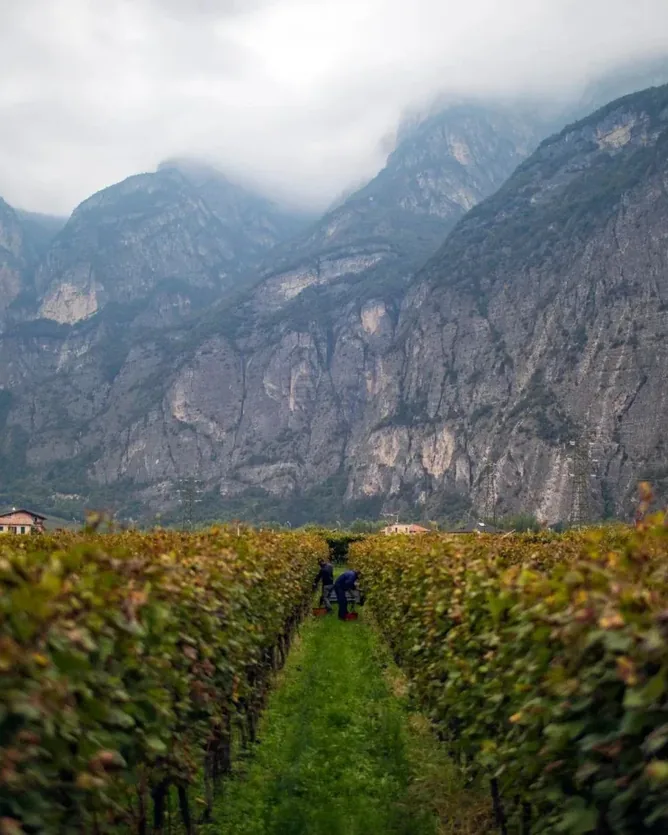
Elisabetta Foradori inherited her family's estate in 1984 at the age of nineteen, following the death of her father. What she inherited was a winery of local significance. What she built over the following decades became something else entirely — a reference point for biodynamic viticulture in northern Italy and a redefinition of what the Teroldego grape was capable of.

The conversion to biodynamic farming, completed under Demeter certification, was not a marketing repositioning. Foradori had spent years observing the relationship between soil health and wine character, and what she found — supported now by decades of evidence — was that the volcanic, sandy soils of the Campo Rotaliano responded to biodynamic practice with a precision and aromatic lift that conventional farming suppressed. The estate grows ancient Teroldego clones on pergola-trained vines in the flat gravel fields below the Dolomites, a landscape that looks unlike any other serious wine region in Europe.

The flagship Granato Vigneti delle Dolomiti has earned 96 points from Wine Advocate and a Trophy at Decanter World Wine Awards — marks that validate not only the farming philosophy but Foradori's willingness to age Teroldego in large neutral oak and amphora, allowing the grape to express something deeper than the light, early-drinking style the region once accepted as standard.

Foradori is one of those estates whose influence on a generation of Italian winemakers substantially exceeds its production volume.

Tablas Creek Vineyard — verified Wine producer
Reserve

Tablas Creek Vineyard

Paso Robles, California · Wine
Track A · CCOF Organic · Demeter Biodynamic · Regenerative Organic Certified

Tablas Creek didn't arrive at biodynamic farming by trend. It arrived by conviction — and the distinction matters.

Founded in 1989 as a partnership between the Haas family of Vineyard Brands and the Perrin family of Château de Beaucastel, the vineyard was built on a specific thesis: that the limestone-rich soils and dry Mediterranean climate of Paso Robles's Adelaida Hills could support Rhône varieties grown the way the Perrins had farmed for generations in southern France. The Beaucastel connection wasn't cosmetic. The Perrins brought cuttings, farming philosophy, and decades of proof that organic viticulture and world-class wine were not in tension.

The farming record here is among the most comprehensively certified in American viticulture. Tablas Creek holds CCOF Organic, Demeter Biodynamic, and Regenerative Organic Certified simultaneously — each requiring independent audit, each operating on a different evidentiary standard. Very few estates anywhere carry all three.

The Esprit de Tablas Rouge, a Grenache-dominant Rhône blend, has drawn 96 points from Wine Advocate and earned Best American Rhône at Wine Enthusiast Awards. With over 8,900 consumer reviews averaging 4.2, the critical record is reinforced by consistent real-world enthusiasm across a broad drinking audience. These wines are findable, the allocations are real, and the quality holds across the range.

Paso Robles has no shortage of estates claiming sustainability credentials. Tablas Creek is one of the very few that has submitted those claims to independent verification — across every meaningful standard that exists — for more than three decades.

Bruichladdich Distillery — verified Organic Single Malt Scotch Whisky (Organic Barley expressions) producer
Reserve

Bruichladdich Distillery

Islay, Scotland · Organic Single Malt Scotch Whisky (Organic Barley expressions)
Track A · Organic Food Federation · Biodynamic Association (Biodynamic Project) · B Corp

Bruichladdich is one of the most philosophically serious distilleries in Scotland and the producer that has done the most to push the conversation about whisky terroir — about what barley variety, farm source, and farming practice actually contribute to what ends up in the glass. The distillery on Islay's west coast was resurrected in 2001 by Mark Reynier and a group of investors who bought it from United Distillers with the conviction that Islay single malt could be something other than a heavily peated commodity.

The organic programme at Bruichladdich operates on two tracks. The Organic Barley expressions are certified through the Organic Food Federation, using 100% certified organic Scottish barley and produced within a fully certified organic process. More significantly, the Biodynamic Project — a collaboration with Kilchoman Farm on Islay — produced what is documented as the world's first Demeter-certified Scotch whisky: spirit made from biodynamically farmed Islay barley, expressing a level of provenance specificity that the Scotch industry had not previously attempted.

The B Corp certification, achieved in 2020 and renewed in 2023, covers the full operation: sourcing, environmental practices, community commitment, and worker welfare. The Classic Laddie, the unpeated core expression, has drawn Whisky Advocate scores consistently in the upper 80s to low 90s and San Francisco World Spirits Competition Double Gold. The organic and biodynamic expressions carry the same production standard applied to a higher evidentiary bar.

A critical note for Free Bacchus listings: the organic and biodynamic certifications apply to specific expressions within the Bruichladdich range, not the entire portfolio. Profiles and product listings should reference the certified expressions specifically.

Nc'nean Distillery — verified Organic Single Malt Scotch Whisky producer
Reserve

Nc'nean Distillery

Drimnin, Morvern Peninsula, Scotland · Organic Single Malt Scotch Whisky
Track A · Soil Association Organic · Biodynamic Association · B Corp · Verified Net Zero

Nc'nean sits on a remote peninsula on the west coast of Scotland, above the Sound of Mull, in a location that looks as though it was chosen by someone who believed that where a spirit is made should be indistinguishable from what it tastes like. Annabel Thomas founded the distillery in 2017 with a brief that was unusual in Scotch whisky: organic certification from day one, B Corp certification built into the operating model, and net zero as an operational target rather than a future aspiration.

Every bottle of Nc'nean's single malt is certified organic through both the Soil Association and the Biodynamic Association — a dual certification standard that very few Scotch distilleries have achieved, and that reflects a commitment made at founding rather than retrofitted after the fact. The distillery runs on 100% renewable energy, uses 100% recycled glass, and achieved verified net zero across scopes 1 and 2 before most of the industry had begun measuring. The organic barley is sourced from certified Scottish farms and the entire grain-to-glass process operates within the certification standard.

The Organic Single Malt, the core expression, has drawn recognition from Vinepair's annual Top 30 and from multiple spirits critics as the benchmark for what certified organic Scotch can taste like when the production philosophy is built in rather than added on. The spirit is light, floral, and distinctly Highland-coastal in character — not imitating established Scotch styles but expressing its own terroir.

For Free Bacchus, Nc'nean is the whisky equivalent of the founding cellar standard-setter: Reserve designation earned through the most rigorous combination of certified farming, environmental accountability, and critical validation in the category.

Weingut Nikolaihof — verified Wine producer
Gold

Weingut Nikolaihof

Mautern, Wachau, Austria · Wine
Track A · Demeter Biodynamic Certified (first winery in Austria, 1998)

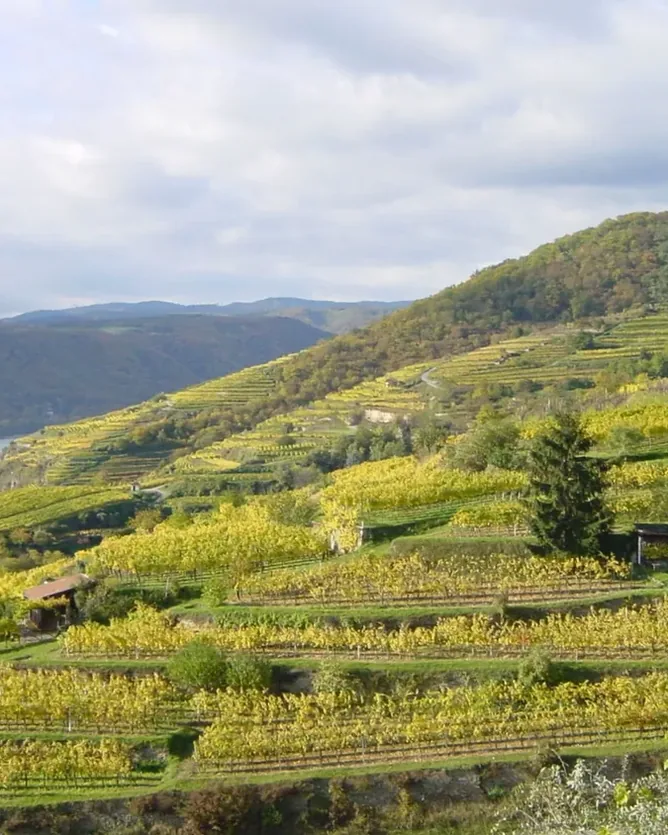
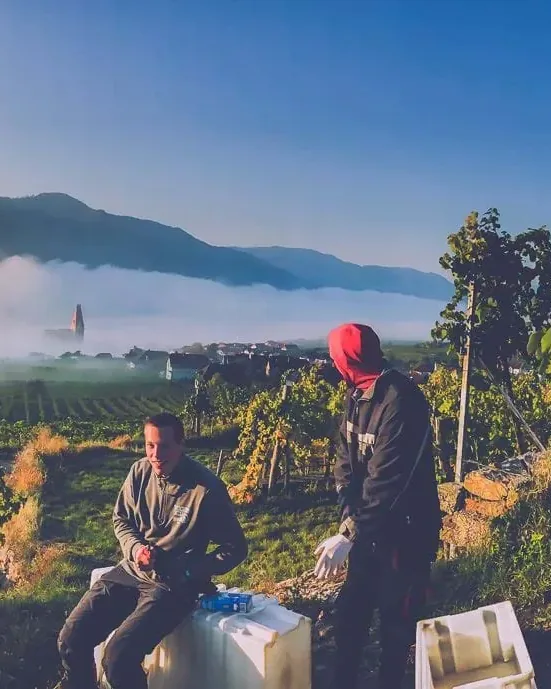
Nikolaihof's vineyards occupy some of the oldest continuously cultivated land in Austria — the Wachau's terraced slopes along the Danube have been farmed since Roman times, and the Nikolaihof estate itself incorporates a Roman cellar and a medieval monastery. When Christine and Nikolaus Saahs received Demeter biodynamic certification in 1998, they became the first winery in Austria to do so. The biodynamic conversion was not a departure from tradition. It was, in their account, a return to one.

The Steiner Hund — the estate's flagship Grüner Veltliner from a south-facing gneiss terrace above Mautern — has drawn a perfect 100 points from Wine Advocate. The Vom Stein Riesling and the selection of single-vineyard Grüner Veltliners below it carry the same farming philosophy and age with a mineral complexity that the Wachau's primary and ancient rock soils produce when they are farmed without chemical interference.

Nikolaihof practices the full biodynamic programme: no synthetic inputs, compost preparations, cover crops, and the lunar calendar as an organising framework for vineyard and cellar operations. The estate also maintains the approach of late release — wines are held in barrel and bottle before release in a way that European wine culture once considered normal and that Austrian wine now considers distinctive.

This is one of the oldest and most seriously farmed estates in Central Europe.

Henschke — verified Wine producer
Gold

Henschke

Keyneton, Eden Valley, South Australia · Wine
Track A · Australian Certified Organic · Biodynamic Practices on key vineyards

Hill of Grace is the most famous vineyard in Australia, and Henschke is the sixth-generation family estate that has farmed it without synthetic chemistry for decades — a record that precedes the organic movement but that the estate has formalised through Australian Certified Organic certification and biodynamic practices on the key historic vineyards.

The Hill of Grace Shiraz is made from Shiraz vines planted in the Eden Valley in the 1860s — among the oldest producing vines in the world. The site's schist and ancient sedimentary soils, the cool Eden Valley altitude, and the vine age produce a wine of a depth and structure that younger-vine McLaren Vale or Barossa Shiraz cannot replicate. Prue and Stephen Henschke's understanding of the site, developed over a career of careful farming and incremental improvement, is expressed in wines that age for thirty years or more.

The Hill of Grace has drawn 99 points from Wine Advocate, placing it among the half-dozen most celebrated wines in Australian history. The Mount Edelstone — a second Hill of Grace-adjacent Shiraz from a 1912-planted site — carries equivalent ambition at somewhat more accessible prices.

Henschke's farming approach across the full portfolio — which extends to Riesling, Grenache, and various Eden Valley varieties — reflects the same organic and biodynamic standard applied to Australia's most historically significant patch of old vine Shiraz.

Jasper Hill — verified Wine producer
Gold

Jasper Hill

Heathcote, Victoria, Australia · Wine
Track B · Verified Chemical-Free Practice since 1975 founding — philosophical objection to certification

Ron Laughton planted the first vines at Jasper Hill in 1975 on the ancient Cambrian greenstone soils of Heathcote — a geological formation 500 million years old that produces Shiraz of a particular character, denser and more mineral-driven than the warmer Barossa or McLaren Vale styles. The organic farming practice he established from the first vintage has never involved synthetic chemistry, and the estate has operated on the same soil management principles for fifty years.

Jasper Hill operates without formal certification on documented philosophical grounds — a long-standing position that the regulatory bureaucracy of organic certification does not add to the value of what the estate already does. Under the Free Bacchus Verification Standard, this qualifies as Track B: verified chemical-free practice with a named, documented reason for non-certification confirmed by multiple independent sources including detailed critic visits over decades.

The Emily's Paddock Shiraz-Cabernet Franc has drawn 99 points from James Suckling. The Georgia's Paddock Shiraz — named for Laughton's daughter, as Emily's is for his other daughter — is the complementary expression of the same greenstone terroir, slightly more structured and longer-lived. Both wines are made from dry-farmed vines that have never been irrigated, which in Heathcote's relatively dry summers produces the kind of stress-management in the vine that organic dry farming rewards.

Jasper Hill is one of the clearest cases in Australian wine where the quality of the final product is inseparable from the farming decisions made fifty years ago.

Domaine Cécile Tremblay — verified Wine producer
Gold

Domaine Cécile Tremblay

Morey-Saint-Denis, Côte de Nuits, Burgundy, France · Wine
Track A · Certified Organic (2005) · Certified Biodynamic (2010s)

Cécile Tremblay established her domaine in 2003 from a collection of family parcels she had never previously worked — a Chambolle-Musigny, a Chapelle-Chambertin, an Échezeaux, and several village and premier cru plots scattered across the Côte de Nuits. The address list reads like a wine education in itself. What she built from it, alone and without the support structure of an established domaine, is one of the more quietly remarkable stories in recent Burgundy.

The conversion to certified organic farming was completed in 2005, followed by certified biodynamic practice in the following decade. The decision was driven by what Tremblay observed in the vineyards: that the old vines she inherited responded to biodynamic management with an aromatic intensity and a structural precision that conventional farming suppressed, and that the grand cru parcels in particular — already among the most celebrated addresses in Burgundy — expressed their sites with a depth that only emerged when the soil biology was functioning fully.

The wines have drawn 97-98 point assessments from Winelens and Grands Jours de Bourgogne, and the Échezeaux Grand Cru is considered by Burgundy specialists to be among the most precise expressions of that vineyard available. Production is small, allocation is limited, and demand from collectors is substantial.

Tremblay is the kind of small producer the Burgundy market tends to discover late and then regret having missed.

Dominio de Pingus — verified Wine producer
Gold

Dominio de Pingus

La Horra, Ribera del Duero, Spain · Wine
Track A · Certified Organic & Biodynamic (confirmed by Wine Advocate)

Peter Sisseck arrived in Ribera del Duero in 1990 as a Danish winemaker whose training at Château Pétrus had given him a framework for understanding old vine Tempranillo that nobody else in the region was applying. The first vintage of Pingus — 1995 — drew 98 points from Wine Advocate and immediately established the wine as one of the most sought-after new releases in Spanish wine history.

The estate farms old vine Tempranillo under certified organic and biodynamic standards — a combination confirmed by Wine Advocate's detailed profile of the estate. The biodynamic conversion reflects Sisseck's belief that the old vine material on clay and limestone soils in La Horra performs best when the soil biology is managed as an integrated system, and that the reduction in vine stress produced by biodynamic practice is visible in the wine's structure and longevity.

Pingus itself has drawn a perfect 100 from Wine Advocate across multiple vintages, placing it among the handful of Spanish wines that command prices comparable to the most celebrated Bordeaux and Burgundy. Flor de Pingus, the second label made from bought-in Tempranillo farmed under the same organic standards, carries the philosophy without the scarcity.

Sisseck is one of very few people to have created a globally recognised luxury wine benchmark from scratch in a region that had no prior international reputation when he arrived.

Emidio Pepe — verified Wine producer
Gold

Emidio Pepe

Torano Nuovo, Abruzzo, Italy · Wine
Track A · ICEA Certified Organic

Emidio Pepe began making wine in Torano Nuovo in 1964, in one of the poorer and less-celebrated wine regions of Italy, using farming methods passed down from his parents and grandparents that turned out, decades later, to align exactly with what the organic certification movement codified. He did not adopt organic farming as a response to a movement. He simply never farmed any other way.

The estate's Montepulciano d'Abruzzo and Trebbiano d'Abruzzo are made with a level of patience that is unusual anywhere in the world: the wines are aged in large old barrels for years before release, and Pepe's practice of rebottling vintages that don't show well is a standard the commercial wine industry cannot support but that serious collectors have come to depend on as a guarantee.

The Montepulciano d'Abruzzo has drawn 98 points from Wine Advocate — a mark that placed Pepe on the international radar of collectors who had paid no previous attention to Abruzzo. The wines age with a composure that few Italian reds from outside Piedmont and Tuscany can match, and the cellaring depth the Pepe family has maintained means that older vintages remain available for those willing to seek them.

Emidio Pepe's granddaughter Chiara is now involved in the estate. The farming philosophy has not shifted.

Soldera Case Basse — verified Wine producer
Gold

Soldera Case Basse

Montalcino, Tuscany, Italy · Wine
Track A · Certified Organic since the 1970s

Gianfranco Soldera began farming Case Basse in 1972 and immediately established a standard that the rest of Montalcino spent decades trying to interpret. His position was simple and absolute: great Brunello required perfect farming, perfect Sangiovese Grosso, and time — years in large old Slavonian oak casks, more years in bottle before release, and an indifference to market timing that only absolute conviction in the quality of the wine can sustain.

The organic farming at Case Basse predates Italy's certification infrastructure. Soldera did not farm without chemistry because the movement told him to; he farmed without chemistry because chemistry was incompatible with the kind of wine he was trying to make. A tragic act of sabotage in 2012 — in which 62,000 litres of wine from multiple vintages were drained from Soldera's barrels — destroyed wines that collectors considered irreplaceable. The estate rebuilt and continued.

The Brunello di Montalcino from Case Basse has drawn 98 points from Wine Advocate and Vinous, placing it among the half-dozen most celebrated wines in Italy. The yields are among the lowest in Montalcino, the vine age among the highest, and the cellar time before release among the longest. Everything about the production model signals that the wine is not made for people in a hurry.

Gianfranco Soldera died in 2019. The estate is managed by his family with the same standards intact.

Weingut Clemens Busch — verified Wine producer
Gold

Weingut Clemens Busch

Pünderich, Terrassenmosel, Germany · Wine
Track A · EU Certified Organic (since 1984) · Respekt-Biodyn

The Terrassenmosel — the steep southern section of the Mosel above Cochem — is among the most physically demanding wine regions in Europe. The blue Devon slate terraces here cannot be farmed by machine; every operation requires a person on the slope, often on a gradient that would be considered a climbing challenge rather than an agricultural site. Clemens Busch has been farming this way under certified organic and Respekt-Biodyn biodynamic standards since 1984, before the modern organic wine movement had developed the vocabulary to celebrate what he was doing.

The estate's holdings are concentrated on the Marienburg — a single south-facing hillside in Pünderich whose multiple exposures, slate variations, and altitude differences allow Busch to produce a series of site-specific Rieslings that function as a geological map of a single mountain. The Fahrlay, Rothenpfad, and Felsterrasse bottlings are among the most precise terroir documents available in German wine.

The wines have drawn 98 points from both Wine Advocate and James Suckling — marks that place Clemens Busch at the very top of the Mosel's quality hierarchy alongside estates with far greater name recognition. The farming record is longer and more comprehensive than almost any of them.

These are not easy wines to find outside Germany, which means the people who do find them tend to hold onto them.

Weingut Wittmann — verified Wine producer
Gold

Weingut Wittmann

Westhofen, Rheinhessen, Germany · Wine
Track A · Naturland Certified Organic (since 1990) · Demeter Biodynamic

Rheinhessen's reputation for serious wine was rebuilt over two decades, and Weingut Wittmann is one of the handful of estates responsible for building it. Philipp Wittmann completed the conversion to Demeter certified biodynamic farming after a foundation of Naturland certified organic practice that his family had maintained since 1990 — a farming record that predates the premium Rheinhessen wine renaissance by several years.

The estate's Westhofen vineyards — particularly the Kirchspiel and Aulerde Grosse Lagen — produce Riesling of a weight and mineral complexity that the Mosel's slate soils express differently. The limestone and loess soils of Westhofen give the wines a broader, more textured character, and the biodynamic farming produces the kind of soil vitality that translates, vintage by vintage, into wines that age well beyond what the region's commercial reputation would suggest.

The Kirchspiel Grosses Gewächs Riesling has drawn 98 points from James Suckling, and the full range of single-vineyard Grosses Gewächs bottlings has earned the estate a following among German wine specialists that is proportionally large given the production volume.

Wittmann is one of those estates where the farming philosophy and the quality of the final wines are so obviously connected that explaining one explains the other.

Álvaro Palacios — verified Wine producer
Gold

Álvaro Palacios

Gratallops, Priorat, Catalonia, Spain · Wine
Track A · Certified Organic · Biodynamic Practices

Álvaro Palacios arrived in Priorat in 1989 as a young winemaker from Rioja, and his timing was either visionary or fortunate or both: the region's ancient Garnacha and Cariñena vines on black llicorella slate soils had survived phylloxera and abandonment, and the wines they produced when farmed and vinified with care were unlike anything else in Spain.

The Gratallops estate is farmed under certified organic standards with biodynamic practices applied across the oldest vine parcels. The llicorella slate — a schist-like rock that fractures along natural planes and drains efficiently while retaining mineral complexity — is one of the few vineyard soils in Spain that rewards the kind of attention biodynamic farming provides, and the results in the glass are measurably different from conventionally farmed Priorat.

L'Ermita — made from a parcel of ungrafted Garnacha vines over 100 years old, planted on the steepest and most dramatic llicorella slope in the estate — has drawn 98+ points from Wine Advocate and is considered one of the ten most coveted bottles in Spain by collector consensus. Finca Dofí, the second wine, carries the same farming ethos at more accessible volumes.

Palacios also produces L'Ermita de los Herederos from Bierzo, where Mencía grown on slate produces a completely different but equally serious expression. The farming philosophy travels across both projects.

Antica Terra — verified Wine producer
Gold

Antica Terra

Willamette Valley, Oregon · Wine
Track A · Demeter Biodynamic Certified

Antica Terra was founded in 2005 by a group of investors and wine professionals who shared a conviction that the Willamette Valley could produce Pinot Noir of a depth and longevity that the region had not yet demonstrated. The farming practice they established from the outset — Demeter certified biodynamic across their Ribbon Ridge and Eola-Amity Hills sites — was not retrofitted. It was the founding condition.

The estate's Archaeum vineyard on Ribbon Ridge sits on ancient marine sedimentary soils, the distinctive Jory and Nekia series that define Willamette Valley's most celebrated sites. Biodynamic farming here is less a philosophical gesture than a practical response to soils whose vitality rewards careful stewardship and degrades visibly under chemical management.

The wines — led by the Ceras Pinot Noir — have drawn 97 points from Wine Advocate, placing them at the top of Oregon's critical hierarchy. The style is deeper, more structured, and more age-worthy than most of what Willamette Valley produces, a consequence of old-vine material farmed biodynamically and handled with minimal intervention in the cellar.

Antica Terra is a relatively small operation by American standards, and the wines are allocated. That allocation is earned by quality rather than managed by scarcity — a distinction that matters.

Bainbridge Organic Distillers — verified Certified Organic American Grain Whiskey producer
Gold

Bainbridge Organic Distillers

Bainbridge Island, Washington State, USA · Certified Organic American Grain Whiskey
Track A · USDA Certified Organic

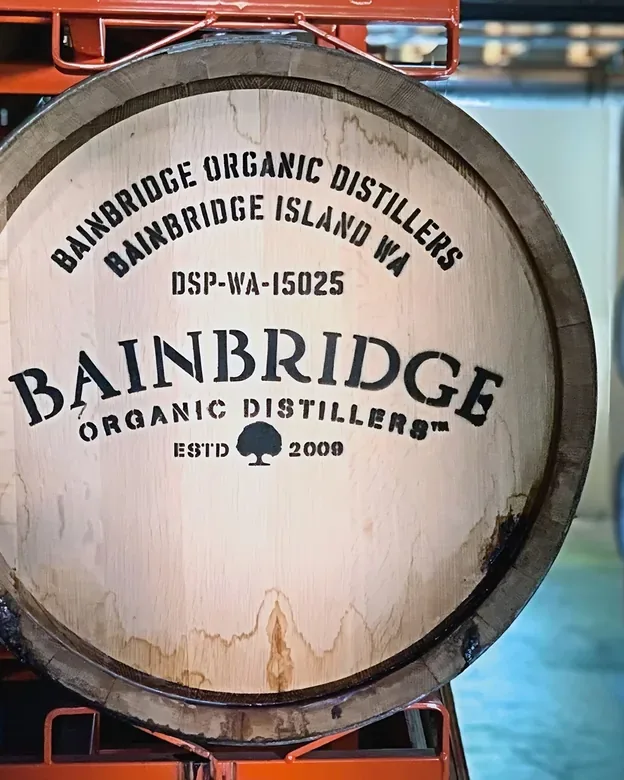
Bainbridge Organic Distillers is Washington State's first and only distillery producing 100% USDA Certified Organic spirits entirely from grain to glass on-site — a grain-to-bottle standard that most craft distilleries do not attempt, sourcing their base spirit rather than distilling it themselves. Founded in 2009 on Bainbridge Island in Puget Sound, the distillery has spent fifteen years building a production model where the organic certification covers not just the grain source but every stage of production.

The Yama Mizunara Cask expression — American organic wheat whiskey finished in Japanese Mizunara oak — is the most critically decorated release in the portfolio. At the 2024 San Francisco World Spirits Competition, it scored 97 points, won Best American Grain Whiskey, and took Category Winner — a sweep that placed Bainbridge at the top of American grain whiskey in the competition's most rigorous evaluation. The Battle Point Barrel Proof scored 95 points and won Platinum at the same competition. These are not incremental achievements; they are the scores of a distillery operating at the front of its category.

The Mizunara cask finish is itself a statement about the distillery's ambition: Japanese Mizunara oak is among the world's rarest and most expensive cooperage, used by Yamazaki and other prestige Japanese distilleries for its distinctive coconut, sandalwood, and incense notes. Applying it to USDA Certified Organic American grain whiskey produces an expression that has no direct equivalent in the market.

For Free Bacchus, Bainbridge is the American organic whiskey reference: the distillery that answered the question of whether USDA Certified Organic grain whiskey could compete at the absolute top of its category, and answered it with a 97-point sweep.

Gold

Château Rayas

Châteauneuf-du-Pape, Rhône Valley, France · Wine
Track B · Verified Chemical-Free Practice — longstanding documented tradition

Château Rayas is one of the most discussed and least understood estates in the Rhône Valley. Its paradox is structural: the most celebrated wine in Châteauneuf-du-Pape is made from 100% Grenache, planted at the lowest density in the appellation, on sandy soils that most producers consider marginal, by a family whose privacy borders on the absolute.

Emmanuel Reynaud, who inherited the estate from his uncle Jacques, has maintained the same chemical-free farming practice that Jacques established without certification — a practice independently corroborated by importers and critics who have visited the estate over decades. Under the Free Bacchus Verification Standard, Château Rayas qualifies under Track B: verified practice with documented independent corroboration and a longstanding estate tradition predating formal certification infrastructure.

The Château Rayas Châteauneuf-du-Pape Rouge draws 97 points from Wine Advocate and has been described by multiple critics as among the finest wines produced in France in great vintages. The style — pale, Burgundian in structure, seemingly fragile in youth, revelatory with age — is unlike any other wine produced in the southern Rhône, and it is a direct product of the sandy, low-fertility soils that biodynamic and chemical-free farming preserves rather than overcomes.

Allocation is extremely limited. The wines appear at auction at prices that reflect demand substantially exceeding supply.

Clos Mogador — verified Wine producer
Gold

Clos Mogador

Gratallops, Priorat, Catalonia, Spain · Wine
Track A · Certified Organic · Regenerative & Biodynamic Practices

René Barbier is one of the five winemakers who re-established Priorat as a serious wine region in the late 1980s, and Clos Mogador — his own estate and the wine he has made from old vine Garnacha and Cariñena on black llicorella slate since 1989 — is the founding reference point for the modern Priorat style.

The estate is farmed under certified organic standards with regenerative and biodynamic practices across the llicorella terraces above Gratallops. The farming philosophy at Mogador was part of the original Priorat revival project — Barbier and his collaborators were working on old, neglected vineyards that had survived precisely because no conventional agricultural programme had reached them, and maintaining the chemical-free approach was as much a preservation of what was already there as a philosophical conversion.

The Clos Mogador has drawn 97 points from Wine Advocate and is considered one of the five or six essential bottles from Priorat in any serious collection of Spanish wine. The Manyetes — a single-vineyard Garnacha from one of the estate's oldest parcels — is more limited and arguably the more interesting wine for those tracking the evolution of the estate.

Barbier's influence on a generation of Priorat producers — including several of his own children, who have established their own estates in the region — makes Clos Mogador something close to a founding institution in a wine region that is thirty years old.

Cornelissen — verified Wine producer
Gold

Cornelissen

Milo, Etna, Sicily, Italy · Wine
Track A · Certified Organic

Frank Cornelissen arrived on the slopes of Etna in 2000, a Belgian former wine merchant who had concluded that the volcanic soils of the mountain, the pre-phylloxera massal-selection vines that survived there in isolated plots, and the altitude-driven diurnal temperature range constituted one of the most extraordinary terroirs on earth — and that almost nothing serious was being made from it.

The farming he established is certified organic, and the winemaking is as non-interventionist as the climate allows — no additives, often no sulphur, vinification in clay and fibreglass vessels. The approach produces wines that provoke genuine disagreement: some vintages show the volcanic minerality and aromatic precision that Cornelissen's supporters consider among the most distinctive in Italian wine; others have shown the instability that comes with minimal intervention in a challenging climate. The recent record has tilted definitively toward the former.

The Magma — a Nerello Mascalese from the highest altitude ungrafted plots on the northern face of the volcano — has drawn 97 points from Wine Advocate. It is one of a small number of Italian wines that creates demand from collectors who have never previously paid attention to Sicily.

Cornelissen's project is, in the most direct sense, the argument that great terroir and honest farming are sufficient. The volcanic slopes of Etna are, on current evidence, proving him right.

Fontodi — verified Wine producer
Gold

Fontodi

Panzano in Chianti, Tuscany, Italy · Wine
Track A · Ecocert Certified Organic

The Manetti family has owned Fontodi since 1968, and the estate's position at the heart of the Panzano amphitheatre — a south-facing bowl of galestro and alberese soils considered the most favoured microclimate in Chianti Classico — has given it an address that winemakers in lesser sites would spend generations trying to acquire.

The conversion to certified organic farming under Ecocert was not reluctant. Giovanni Manetti, who has managed the estate since the 1980s, concluded that the quality of Fontodi's Sangiovese was inseparable from the health of the soils that produced it, and that conventional chemistry was undermining what the Panzano amphitheatre was capable of expressing. The farming record now runs across several decades without synthetic intervention.

Flaccianello della Pieve — a 100% Sangiovese from the estate's oldest vines, aged in small French oak — has drawn 97 points from Wine Spectator and is considered one of the benchmark expressions of the grape by the critical consensus. The Chianti Classico and Chianti Classico Gran Selezione carry the same farming standard at more accessible price points.

Fontodi also produces Syrah — Case Via — that has attracted serious attention from Rhône-focused collectors, which speaks to a versatility of terroir that not all Chianti estates can claim.

The Sadie Family Wines — verified Wine producer
Gold

The Sadie Family Wines

Swartland, South Africa · Wine
Track A · Organic Practices · Certified on Key Vineyards

Eben Sadie is the winemaker most responsible for establishing the Swartland as South Africa's most interesting wine region, and the philosophical foundations on which he built that reputation — old vines, minimal intervention, and a relationship with the land that he describes as one of listening rather than directing — align closely with the organic practices now confirmed on key Sadie Family vineyard sites.

The estate's two flagship ranges — Columella, a Syrah and old vine blend from the Swartland's granite and schist, and Palladius, a white field blend from cooler, higher-altitude sites — have drawn 97 points from Wine Advocate and established South Africa's claim to producing wine of international significance on its own terms rather than as a stylistic imitation of France or California.

The farming across the Sadie Family's patchwork of contracted old vine sites — some dating to pre-apartheid plantings of Chenin Blanc, Sémillon, and other historic Cape varieties — is managed under organic practice, with full certification confirmed on the most significant parcels. The old vine philosophy and the organic farming are, in Sadie's account, the same project: you don't farm old vines to their potential without treating the soil as something to preserve rather than consume.

Sadie has inspired a generation of South African winemakers. The wines remain the strongest argument for why that inspiration matters.

Weingut Emrich-Schoenleber — verified Wine producer
Gold

Weingut Emrich-Schoenleber

Monzingen, Nahe, Germany · Wine
Track A · Respekt-Biodyn · EU Certified Organic

The Nahe is Germany's most undervalued serious wine region — a river valley south of the Mosel whose volcanic and weathered slate soils produce Riesling of a mineral intensity that sits somewhere between the Mosel's finesse and the Rheingau's weight, and that Emrich-Schoenleber has been translating into some of Germany's finest wines for two decades.

Werner and Frank Schoenleber farm the Monzingen Frühlingsplätzchen and Halenberg — two of the Nahe's most celebrated Grosse Lagen — under Respekt-Biodyn and EU certified organic standards. The biodynamic practice here is applied to soils that require little coaxing to express character: the volcanic porphyry and decomposed slate of the Halenberg produce a Riesling of such mineral depth that the farming's job is primarily to stay out of the way.

The Halenberg Grosses Gewächs Riesling has drawn 97 points from Wine Advocate and represents the clearest single-vineyard argument for why the Nahe deserves more international attention than it currently receives. The Frühlingsplätzchen Auslese and Spätlese are equally compelling in different stylistic registers.

Emrich-Schoenleber is a small family estate with no marketing operation to speak of. The wines find their audience through specialist importers and the collectors who have noticed that the Nahe is producing Riesling of remarkable quality at prices the Mosel grands crus left behind long ago.

AA Badenhorst Family Wines — verified Wine producer
Gold

AA Badenhorst Family Wines

Paardeberg, Swartland, South Africa · Wine
Track B · Verified Low-Chemical Practice — philosophical preference for minimal intervention

Adi Badenhorst returned to his family's Paardeberg property in 2008 after a decade as cellarmaster at Rustenberg, and what he found — and what he has spent the years since developing — is a collection of old vine parcels of Chenin Blanc, Cinsault, Grenache, and a dozen other varieties on the granite and shale of the Swartland that produce some of South Africa's most characterful wine.

The farming at Badenhorst is minimal intervention and verified chemical-free, operated under a philosophical preference for the kind of farming that the Swartland's dry-farming tradition has sustained for generations. The estate has not pursued formal organic certification, a position consistent with a broader Swartland aesthetic of doing things quietly and without the administrative apparatus that certification requires. Under the Free Bacchus Verification Standard, Badenhorst qualifies under Track B: verified practice with documented independent corroboration and a named philosophical position on certification.

The Secateurs Chenin Blanc — the estate's most widely distributed wine — has drawn 96 points from Wine Advocate. The Badenhorst Family Red, a Swartland blend, is the more serious statement: earthy, structured, and age-worthy in a way that most South African blends are not.

Badenhorst is one of the producers most responsible for the Swartland Revolution — the informal collective of Swartland winemakers who repositioned South African wine's most interesting conversation away from Stellenbosch toward the dryfarmed, old-vine hills above Malmesbury.

Del Maguey Single Village Mezcal — verified Spirits producer
Gold

Del Maguey Single Village Mezcal

Oaxaca, Mexico · Spirits
Track A · USDA Certified Organic — wild agave harvest zones & production facilities

Ron Cooper founded Del Maguey in 1995 after encountering village mezcal producers in Oaxaca's remote mountain communities who were making spirits of extraordinary quality using pre-industrial methods that had survived for centuries — not as a heritage performance but as the only practical option available to them.

What Cooper recognised, and what the brand was built to communicate to an international market that had never tasted mezcal of this kind, was that the character of each village's mezcal was inseparable from the wild agave varieties growing in that specific microclimate, the local water source, the indigenous yeast population, and the artisanal production method. Single Village was the designation Cooper chose to capture this specificity, and it has since become the defining term for artisanal mezcal differentiation.

Del Maguey holds USDA Organic certification across both the wild agave harvest zones and production facilities — a double certification that reflects the dual source of quality: the wild plants and the process. The spirits have drawn 96 points from Wine Enthusiast across multiple village bottlings, and the brand has had more influence on the global understanding of mezcal as a category than any other single producer.

The villages Del Maguey works with — San Luis del Rio, Santo Domingo Albarradas, Chichicapa, and others — produce spirits that are not interchangeable. Each is a record of a place.

Gold

Domaine Tempier

Le Plan du Castellet, Bandol, Provence, France · Wine
Track A · Ecocert Certified Organic

Domaine Tempier is the estate that established Bandol as a serious wine region, and it did so on the back of Mourvèdre — a thick-skinned, late-ripening grape that performs with unusual depth and longevity in the limestone garrigue soils of the Provençal hills but that almost nobody else was taking seriously when Lucien Peyraud began championing it in the 1940s and 1950s.

The Peyraud family's influence on Bandol — and, through Alice Waters' friendship with Lulu Peyraud, on the American food and wine culture of the 1970s and 1980s — gave Tempier a cultural resonance that extends well beyond the region. The estate is now managed by the third generation of the family under Ecocert certified organic standards, maintaining the farming philosophy that Lucien established and that the appellation's later converts have gradually adopted.

The Cuvée Spéciale and the single-vineyard La Migoua and La Tourtine Mourvèdre-dominant blends have drawn 96 points from Wine Advocate and represent the benchmark for what Bandol red wine achieves at its most serious — tannic, earthy, structured for a decade or more of aging, and unlike anything produced outside this small appellation.

Tempier is one of those estates whose wines taste like no decision has ever been taken for commercial rather than qualitative reasons. That consistency is itself a product of the farming.

Domaine de Trévallon — verified Wine producer
Gold

Domaine de Trévallon

Saint-Étienne-du-Grès, Les Baux-de-Provence, France · Wine
Track A · Ecocert Certified Organic

Eloi Dürrbach established Domaine de Trévallon in 1973 on the rocky, arid slopes of the Alpilles, where the Cabernet Sauvignon and Syrah he planted would never have been approved under the then-existing appellation rules for Les Baux-de-Provence. The appellation authorities eventually agreed and then changed their minds; Trévallon spent years producing one of the most celebrated wines in Provence under a simple Vin de Table designation, which concentrated rather than diminished its reputation among collectors who had tasted it.

The farming has been certified organic under Ecocert for decades. The garrigue scrubland surrounding the vineyard, the rocky limestone soils, and the mistral wind that Dürrbach considers one of the estate's most reliable disease controls combine to produce conditions where organic viticulture is not especially difficult — the challenge is managing the extreme drought stress that comes with minimal rainfall and poor water-retention soils.

The Trévallon red — a roughly equal blend of Cabernet and Syrah — has drawn 96 points from Wine Advocate and is considered one of the defining wines of southern France by any serious list of southern Rhône and Provence reference points. It ages with a complexity and intensity that most Provençal red wine cannot sustain past five years.

Dürrbach's son Ostiane now manages the estate. The philosophy, and the farming, are unchanged.

El Sativo — verified Organic Tequila producer
Gold

El Sativo

Jalisco, Mexico · Organic Tequila
Track A · USDA NOP Certified Organic · EU Organic · Certified Non-GMO · Kosher · Third-Party Additive-Free Verified

El Sativo is the most comprehensively certified tequila producer on the Free Bacchus platform and one of the most thoroughly verified organic spirits operations anywhere in the world. A single-estate, four-generation family producer in Jalisco, the brand holds dual USDA NOP and EU organic certification — the EU standard being stricter than the American equivalent — alongside Non-GMO certification and Kosher status. Critically, it is also independently verified additive-free by third-party laboratory analysis, a separate and significant claim in a category where USDA Organic certification permits up to 1% non-organic additives.

The four-generation estate history places El Sativo in a small category of tequila producers whose connection to the land predates the modern agave spirits boom by decades. The Blue Weber agave is grown on the estate without synthetic inputs, harvested at full maturity — typically seven to ten years — and the production process is documented as free of the caramel colouring, glycerin, and artificial flavourings that are permitted under standard tequila production rules but explicitly excluded here.

The El Sativo Blanco has drawn recognition at the San Francisco World Spirits Competition with a Best in Show award — the highest recognition available in the competition's format, placing it above Gold and Double Gold recipients across all spirit categories entered. Wine Enthusiast has covered the range positively.

For Free Bacchus, El Sativo is the reference case for what the tequila category looks like when organic certification, multi-generational estate integrity, and independent additive-free verification are treated as a single non-negotiable standard rather than separate marketing claims.

Gérard Bertrand — verified Wine producer
Gold

Gérard Bertrand

Languedoc-Roussillon, France · Wine
Track A · Demeter Biodynamic · Ecocert Certified Organic

Gérard Bertrand is the largest biodynamic wine producer in France by volume, which makes it either the most impressive proof of scale that biodynamic farming can achieve or the most contested claim in the organic wine world, depending on whom you ask. The honest answer is that it is evidence of both.

Bertrand inherited a wine négociant business from his father and spent the following decades converting it progressively from conventional viticulture to certified biodynamic and organic farming across multiple estates in the Languedoc and Roussillon. The certifications — both Demeter and Ecocert — apply to the estate vineyards, not the négociant blends, and the distinction matters under the Free Bacchus Verification Standard.

The Clos d'Ora — a single estate in Minervois made from old-vine Grenache, Syrah, Mourvèdre, and Carignan — has drawn 96 points from Wine Spectator and is the reference point for what the certified estate wines achieve. The Château L'Hospitalet and Domaine de l'Aigle represent the biodynamic standard applied to cooler, more northerly Languedoc terroirs.

Bertrand's scale makes him a polarising figure in natural wine circles. The farming certifications at the estate level are genuine, and the quality at the top of the range is real. The complexity of his portfolio rewards careful navigation.

Littorai Wines — verified Wine producer
Gold

Littorai Wines

Sonoma Coast, California · Wine
Track A · Demeter Biodynamic · Certified Organic

Ted Lemon founded Littorai in 1993 after training at Domaine Dujac in Burgundy and serving as winemaker at Château Woltner in Napa. What he brought back was not a recipe but a principle: that Pinot Noir and Chardonnay of genuine distinction required small-scale farming, attention to individual sites, and the kind of patience with soil health that industrial viticulture could not offer.

The Littorai vineyards span the Sonoma Coast and Anderson Valley, two of California's coolest and most challenging appellations for Pinot Noir — sites where ripeness is never guaranteed and where farming precision separates serious wine from expensive disappointment. The conversion to biodynamic farming under Demeter certification was a gradual process completed over several years, and the farming philosophy now runs consistently across the estate's own vineyards and a number of carefully selected grower partnerships.

The wines have drawn 96 points from Wine Advocate across multiple bottlings, and the critical record is reinforced by a following among collectors and sommeliers disproportionate to the production volume. Littorai is not a large business. Ted Lemon makes wine the way he was taught to in Burgundy, at a scale where personal attention is possible, on soils he has farmed and understood over three decades.

California Pinot Noir at this level of ambition and this level of farming integrity remains a short list.

Occhipinti — verified Wine producer
Gold

Occhipinti

Vittoria, Sicily, Italy · Wine
Track A · ICEA Certified Organic

Arianna Occhipinti began making wine at 22 with a small parcel of rented vines and a degree from Milan's Enological School of San Michele. Her uncle Giusto had co-founded COS in the same area of southeastern Sicily, and the family proximity to serious Sicilian wine shaped her ambitions. What she added was independence and a particular attentiveness to Frappato — the lighter, more aromatic of Sicily's two great native reds — at a moment when the international market had not yet developed the vocabulary to appreciate it.

The estate, now managed under ICEA certified organic standards across more than 30 hectares of Frappato and Nero d'Avola, produces wines that have made Arianna Occhipinti one of the most cited young producers in European natural wine circles. The SP68 — a blend of Frappato and Nero d'Avola named for the provincial road that passes the vineyard — has become one of the defining entry-level expressions of what Sicilian red wine can offer at its most direct and drinkable.

The single-vineyard Siccagno Nero d'Avola and Il Frappato have drawn 96 points from Wine Advocate and defined the upper register of what her farming and winemaking can achieve. The wines are available in most serious wine markets and have maintained their quality consistently as the estate has grown.

Occhipinti is a rare case of a producer whose accessible wines are genuinely compelling rather than commercially diluted.

Prophets Rock — verified Wine producer
Gold

Prophets Rock

Bendigo, Central Otago, New Zealand · Wine
Track A · BioGro NZ Certified Organic

Prophets Rock is one of the quieter entries in the upper tier of Central Otago wine — a small estate in the Bendigo sub-region whose schist and loam soils on a north-facing terrace above Lake Dunstan produce Pinot Noir and Chardonnay under BioGro certified organic standards with a consistency that has earned it serious critical attention without generating the commercial profile of larger Otago operations.

The winemaker Paul Pujol worked previously at Martinborough Vineyard and brought to Prophets Rock a Burgundian precision in the cellar that complements the estate's commitment to clean farming. The certified organic practice is applied to soils where the combination of schist drainage, strong diurnal temperature variation, and low rainfall makes organic viticulture practically well-suited as well as philosophically coherent.

The Pinot Noir has drawn 96 points from Wine Advocate, and the Dry Riesling — an unusual choice for Central Otago — has been cited as one of the most interesting white wines produced in the region. The Clos de Confiance, a single-vineyard Pinot from the oldest vines on the property, represents the top of the estate's quality range.

Prophets Rock sells primarily on allocation in New Zealand and through specialist importers. It is one of the better-value Reserve and Gold-tier wines on the Free Bacchus platform relative to its critical standing.

Radikon — verified Wine producer
Gold

Radikon

Oslavia, Friuli-Venezia Giulia, Italy · Wine
Track A · ICEA Certified Organic

Stanko Radikon spent the 1990s rethinking almost everything he had been taught about winemaking. The result was a series of decisions that placed him, alongside Josko Gravner from the same village of Oslavia, at the origin point of the modern skin-contact white wine movement: extended maceration on the skins for weeks or months, no sulphur, aging in large Slavonian oak barrels for years, and bottling without filtration.

The estate is ICEA certified organic, and the farming philosophy is as uncompromising as the winemaking. Radikon's Ribolla Gialla, Oslavje, and Jakot — a local name for Tocai Friulano — are wines that challenge the assumption that white wine should be pale, clean, and quick. The extended skin contact produces wines the colour of amber, with tannin structure and an oxidative depth that places them closer to old Sherry or fine Madeira in their aromatic range than to conventional white Burgundy.

The wines have drawn 96 points from Wine Advocate. Stanko Radikon died in 2016; his son Saša continues the estate with the same standards and the same refusal to simplify.

Radikon's influence on the global natural wine conversation — and on a generation of winemakers in France, Australia, the United States, and elsewhere who have experimented with skin contact — cannot be measured in production volume. It is felt in almost every serious wine list in the world.

Rippon Vineyard — verified Wine producer
Gold

Rippon Vineyard

Lake Wānaka, Central Otago, New Zealand · Wine
Track A · BioGro NZ Certified Organic · Certified Biodynamic

Rippon occupies one of the most photographed vineyard sites in the southern hemisphere — a sloping terrace above Lake Wānaka in Central Otago, with the glacially carved lake in the foreground and the mountains of Mount Aspiring National Park behind. The photograph is striking, but the wines are the reason the estate has earned its critical standing.

The Mills family has farmed Rippon under BioGro certified organic and certified biodynamic standards for decades, converting from conventional viticulture through a gradual process that reflected the conviction that the schist and sedimentary soils of the lakeside terrace would express their full character only under chemical-free management. The farm system is genuinely integrated — the vineyard, a small olive grove, and vegetable garden all managed biodynamically as a single property.

The Mature Vine Pinot Noir — from the estate's oldest plantings, now over thirty years old — has drawn 96 points from Wine Advocate and is considered one of the top five Pinot Noirs produced in Central Otago by the collector consensus. The Rippon Riesling and the Emma's Block Chardonnay are equally serious in their respective varieties, representing the estate's argument that Central Otago's potential extends beyond Pinot Noir.

Rippon is one of those estates that visitors to Central Otago tend to visit once and then spend years trying to secure allocation.

Sorrenberg — verified Wine producer
Gold

Sorrenberg

Beechworth, Victoria, Australia · Wine
Track A · Biodynamic (certification verification pending)

Barry and Jan Morey established Sorrenberg in 1986 in Beechworth — a gold-rush town in Victoria's northeast whose granite and quartz soils and cool continental climate had attracted almost no serious viticulture before them. The grape varieties they chose — Chardonnay, Sauvignon Blanc, Gamay, and Cabernet Franc — were not the ones that dominated Australian wine in the 1980s. The farming approach they adopted, without chemicals and with the attentiveness that comes from a genuinely small operation, turned out to produce wines with a precision and longevity that the Australian market took years to recognise and that a small international following had already understood.

The biodynamic practice at Sorrenberg is a long-standing farming philosophy that is in the process of formal certification. The wines Jancis Robinson has awarded 96 points are made from less than five hectares of vines by a couple whose indifference to trends and whose commitment to their specific place is itself a form of evidence about the quality of what they produce.

The Chardonnay is the wine most cited by critics: precise, restrained, mineral in the way that cold-climate Australian Chardonnay achieves when yields are low and the farming preserves what the granite soils want to express. The Gamay is an outlier in Australian wine and is better for it.

Sorrenberg is one of those estates that people in the wine trade know and talk about quietly, without making a noise that would increase the difficulty of getting the wine.

Tenuta delle Terre Nere — verified Wine producer
Gold

Tenuta delle Terre Nere

Randazzo, Etna, Sicily, Italy · Wine
Track A · Ecocert Certified Organic

Marco de Grazia established Tenuta delle Terre Nere in 2002 — the same year that Etna began attracting serious international attention — after a career importing Italian wine to the United States convinced him that the mountain's ancient Nerello Mascalese vines were capable of producing something the rest of Italy was not.

The estate's holdings are spread across the northern face of Etna in a patchwork of small parcels, each farmed under Ecocert organic certification, each reflecting a specific altitude, exposure, and soil composition within the mountain's volcanic geology. De Grazia's approach to bottling these parcels separately — predio by predio — was borrowed from Burgundy's single-vineyard logic and applied to a mountain where the variation between plots separated by a few hundred meters of altitude can be as profound as the difference between two villages on the Côte de Nuits.

The wines have drawn 96 points from Wine Advocate across multiple single-vineyard bottlings. The Calderara Sottana and Santo Spirito are the most consistently celebrated, but the estate's entry-level Etna Rosso carries the same farming standard and is among the most persuasive arguments in Italian wine for quality at accessible prices.

Terre Nere is now among the first names any serious Italian wine buyer reaches for when Etna comes up — which, increasingly, it does.

Yangarra Estate Vineyard — verified Wine producer
Gold

Yangarra Estate Vineyard

McLaren Vale, South Australia · Wine
Track A · Australian Certified Organic · Biodynamic (Demeter verification in progress)

Yangarra Estate is the most serious argument that McLaren Vale — a region better known for commercial Shiraz than for farming-driven distinction — can produce wines of the kind that reward careful study alongside the most interesting producers in the southern Rhône.

The estate farms old vine Grenache alongside Mourvèdre, Roussanne, Carignan, and a collection of other southern French varieties under Australian Certified Organic standards, with Demeter biodynamic certification in the process of formalisation. The old vine Grenache here — some blocks over 70 years old on sand over ironstone — is among the most impressive raw material available in McLaren Vale, and the biodynamic management is directed at preserving what those vines already produce rather than correcting what the soil lacks.

The High Sands and Ironheart single-vineyard Grenaches have drawn 96 points from Wine Advocate, and the estate's Roussanne is among the most compelling white wines produced in South Australia. Winemaker Peter Fraser has built a reputation over two decades for extracting genuine terroir expression from McLaren Vale rather than the warm, oaky commercial profile that dominated the region's export reputation.

Yangarra is less well known than its quality warrants, which makes it an unusually good value for collectors who have found it.

COS — verified Wine producer
Gold

COS

Vittoria, Sicily, Italy · Wine
Track A · ICEA Certified Organic & Biodynamic

COS was founded in 1980 by three school friends — Giambattista Cilia, Cirino Strano, and Giusto Occhipinti — who pooled their resources to lease a piece of land in the Ragusa province of southeastern Sicily and make wine without knowing quite what they were doing. What they discovered, over the following forty years, was that the Cerasuolo di Vittoria DOCG — Sicily's only DOCG — and its two permitted varieties, Nero d'Avola and Frappato, were capable of wines of genuine complexity and longevity.

The estate converted to certified organic and biodynamic farming under ICEA and began using clay amphora for fermentation in the early 2000s — a choice influenced by the same Georgian winemaking tradition that shaped Gravner's practice in Friuli. The amphora work at COS is not imitation; it is a considered response to the question of how to preserve the aromatic detail of Frappato, a grape that oxidises easily in conventional vessels.

The Rami and Pithos wines have drawn 95 points from Wine Advocate and represent a style of Sicilian red wine that has no direct equivalent elsewhere in Italy. The Cerasuolo di Vittoria Classico is the more structured expression of the same farming philosophy.

COS has influenced the next generation of Sicilian producers more than almost any other estate, which is the most durable form of recognition available in wine.

Cowhorn Vineyard & Garden — verified Wine producer
Gold

Cowhorn Vineyard & Garden

Applegate Valley, Oregon · Wine
Track A · Demeter Biodynamic · Certified Organic

Bill and Barbara Steele established Cowhorn in 2002 on a 117-acre property in the Applegate Valley, a sub-appellation of Southern Oregon that sits at higher elevation and lower rainfall than the Willamette, with a Mediterranean climate that suits Rhône varieties rather than Pinot Noir. The biodynamic commitment was part of the founding vision rather than a subsequent conversion — the estate was designed as a self-sustaining biodynamic farm with livestock, cover crops, and composting integrated from the beginning.

Cowhorn's name derives from the cow horn used in biodynamic preparation 500 — manure buried through winter and applied as a soil inoculant in spring, a practice whose origins in Rudolf Steiner's agricultural lectures has not prevented it from producing measurable improvements in soil biology at estates that have applied it consistently over years.

The Spiral 36 — a Syrah-dominant blend — has drawn 95 points from Wine Advocate. The estate's Grenache and Viognier have earned equally serious critical attention, and the full range reflects a consistency of quality that is only possible when the farming and the winemaking are both held to the same standard.

Cowhorn is not widely distributed. The wines sell primarily through the mailing list and the tasting room, which keeps the production numbers stable and the quality uncompromised.

Domaine Tissot — verified Wine producer
Gold

Domaine Tissot

Arbois, Jura, France · Wine
Track A · Demeter Biodynamic · Ecocert Certified Organic

Stéphane and Bénédicte Tissot began the biodynamic conversion of their Arbois estate in the 1990s, completing the process under both Demeter and Ecocert certification in 2004. The Jura was not yet fashionable when they made this decision; the region's wines — oxidative Savagnin, unusual Poulsard and Trousseau reds, and the legendary Vin Jaune — were admired by a small circle of enthusiasts and largely ignored by the international market.

What Tissot recognised was that the Jura's unusual soils — blue and grey limestone marls that appear nowhere else in France's significant wine regions — and the region's extreme diurnal temperature variation produced wines of a character that biodynamic farming could intensify rather than smooth away. The decision to convert was a bet on distinctiveness at a time when international wine taste was pulling in the opposite direction.

The estate now farms over 50 hectares of Chardonnay, Savagnin, and the red varieties under full biodynamic management. The En Barberon Chardonnay and the Vin Jaune from Château Chalon have drawn 95 points from Wine Advocate. The oxidative Ouillé and non-ouillé bottlings — terms for whether the barrels are kept topped or allowed to oxidise — give Tissot's range a complexity of style that rewards exploration over time.

The Jura is now one of the most discussed wine regions in the world. Tissot was farming it carefully before the conversation began.

Domaine Vacheron — verified Wine producer
Gold

Domaine Vacheron

Sancerre, Loire Valley, France · Wine
Track A · Demeter Biodynamic Certified

Domaine Vacheron is the estate that serious Sancerre collectors reach for first — not because it is the most widely distributed or the most marketed, but because the biodynamic farming that Jean-Laurent and Jean-Dominique Vacheron practice across their Sancerre holdings produces a consistency of quality and a precision of expression that the appellation's better-known négociant labels rarely match.

The conversion to Demeter certified biodynamic farming was completed in the 2000s, and the estate's 45 hectares of Sauvignon Blanc and Pinot Noir are now managed as an integrated biodynamic system. Sancerre's limestone and silex soils respond particularly well to biodynamic practice: the flint-derived minerality that defines great Sancerre is amplified, not invented, by farming methods that keep the soil biology active and the vine roots deep.

The Les Romains and Belle Dame single-vineyard Sancerres have drawn 95 points from Wine Advocate. The Pinot Noir — still undervalued relative to the white wine reputation of the appellation — is among the most compelling red Loire produced, with a Burgundian precision that reflects the same biodynamic farming standard.

Vacheron sells primarily through allocation and a loyal network of importers. The wines are not cheap, but they represent the most honest version of what Sancerre is.

Emiliana Organic Vineyards — verified Wine producer
Gold

Emiliana Organic Vineyards

Casablanca, Colchagua, Casablanca, Chile · Wine
Track A · IMO Certified Organic · Demeter Biodynamic

Emiliana is the largest certified biodynamic and organic wine producer in South America — a distinction that carries more weight when the quality of the wines is considered alongside the scale, since larger biodynamic operations face challenges of attention and management that smaller estates sidestep.

The estate's flagship Coyam — a Colchagua blend of Syrah, Carmenère, Merlot, and Mourvèdre grown under Demeter and IMO certification — has drawn 95 points from Wine Advocate and represents the quality ceiling of what Emiliana's certified farming produces. The Adobe range carries the organic certification at more accessible price points and represents one of the strongest arguments in Chilean wine for certified organic wine at everyday drinking prices.

The biodynamic farming at Emiliana's estate vineyards involves the full programme: biodynamic preparations, composting, cover crops, and the integration of livestock for soil fertility. The scale at which this is done successfully in Colchagua and Casablanca suggests that the conventional wisdom about biodynamic farming being inherently small-scale is at least partially wrong when the commitment is genuine and the management is serious.

Emiliana is the entry point for many consumers discovering certified organic South American wine, and the quality at the upper tier of the range supports the credibility of the organic commitment across the full portfolio.

Four Pillars Gin — verified Spirits producer
Gold

Four Pillars Gin

Healesville, Yarra Valley, Victoria, Australia · Spirits
Track A · B Corp Certified · Sustainability Certified

Four Pillars was established in 2013 by Cameron Mackenzie, Matt Jones, and Stuart Gregor in the Yarra Valley, and it has since become the most internationally distributed Australian craft gin — a status built not on scale but on a combination of botanical sourcing discipline, a commitment to sustainability that has been independently verified through B Corp certification, and a curiosity about what gin can express when the base spirit and the botanicals are both treated as seriously as the branding.

The B Corp certification covers the full operation: sourcing practices, energy use, supply chain transparency, and worker welfare. The gin itself is made from organic botanicals where possible, and the Rare Dry Gin — the flagship — sources Tasmanian pepperberry alongside juniper, cardamom, lavender, and fresh whole oranges grown specifically for the distillery. The sourcing story is specific enough to verify.

The Rare Dry Gin has drawn 95 points from Decanter and won Best Contemporary Gin at multiple international competitions. The Bloody Shiraz Gin — made by macerating Yarra Valley Shiraz grapes — is a more idiosyncratic expression that has found devoted fans among gin drinkers who do not normally track Australian spirits.

Four Pillars is evidence that a craft spirits operation can achieve international credibility without abandoning the sourcing discipline and transparency that made it worth paying attention to in the first place.

Husk Distillers — verified Spirits producer
Gold

Husk Distillers

Tumbulgum, New South Wales, Australia · Spirits
Track A · Australian Certified Organic

Paul Messenger established Husk Distillers in 2012 in the subtropical river country of northern New South Wales, with a founding premise that distinguished it immediately from most Australian spirits producers: the distillery would grow its own certified organic sugarcane, harvest it fresh, ferment the juice without concentration, and distil a pure cane spirit in the Brazilian agricole tradition. The result is Ink Gin and the Bam Bam rum range — spirits whose agricultural origin is traceable to a specific certified organic field a short distance from the still.

The sugarcane fields at Tumbulgum are certified organic through Australian Certified Organic, and the distillery's vertically integrated model — from planting to bottling — gives the organic claim a specificity that purchased-ingredient spirits operations cannot match. The fresh cane juice fermentation produces a raw spirit of a character that aged molasses-based rums do not share: grassy, floral, distinctly agricultural in the best sense.

The Husk Pure Cane Rum has drawn 95 points from IWSC. The Ink Gin — made with certified organic butterfly pea flower that produces a colour shift from blue to pink when mixed with acidic tonic — has been the commercial breakthrough, but the rum programme is the more serious long-term argument for Husk's place in the premium spirits conversation.

For Australian spirits, the certified organic provenance is unusually complete and unusually verifiable.

Journeyman Distillery — verified Certified Organic American Whiskey producer
Gold

Journeyman Distillery

Three Oaks, Michigan, USA · Certified Organic American Whiskey
Track A · USDA Certified Organic · Orthodox Union Kosher

Journeyman Distillery was founded in 2011 by Bill and Johanna Welter in a restored corset factory in Three Oaks, Michigan — a detail that suits a distillery whose character is rooted in Midwestern practicality and genuine craft commitment. The operation is USDA Certified Organic and Orthodox Union Kosher across its full range, sourcing locally grown organic grains from Midwest farmers and drawing water from an underground aquifer untreated by municipal systems.

The grain-to-glass organic standard at Journeyman is total rather than selective: every whiskey produced — rye, wheat, bourbon, and seasonal expressions — is made from certified organic grains distilled on-site, without sourcing distillate from third-party producers. In a craft spirits landscape where contract distilling and sourced whiskey are common shortcuts, this is a meaningful distinction.

The Buggy Whip Wheat Whiskey is the estate's most celebrated expression, having won Whisky Advocate's Trophy — the publication's highest category award — and been named Whiskey of the Year twice. The name references the corset factory's Victorian-era neighbour; the whiskey itself is a serious, grain-forward expression that reflects the organic wheat character without the neutral spirit quality that some wheat whiskeys drift toward. The Ravenswood Rye and Featherbone Bourbon have drawn similarly strong critical attention.

For Free Bacchus, Journeyman is the proof that certified organic American whiskey and trophy-level critical recognition are not separate outcomes but the same project pursued with consistency. The distillery's Midwest sourcing story and full organic certification make it one of the most compelling and honest spirits producers on the platform.

Leclerc Briant — verified Champagne producer
Gold

Leclerc Briant

Épernay, Champagne, France · Champagne
Track A · Demeter Biodynamic Certified

Champagne and biodynamic farming make an unlikely partnership on paper — the region's economics are built on blending, volume, and brand consistency rather than the site-specific, year-by-year attentiveness that biodynamic practice rewards. Leclerc Briant has been making the counter-argument since the estate's original founder, René Leclerc, began moving away from conventional chemistry in the 1960s, and which Frédéric Zeimett completed with the Demeter biodynamic certification when he took over the estate.

The vineyards are farmed without synthetic chemistry across Cumières and Hautvillers on the Vallée de la Marne, and across chalk and clay plots in the Grand Cru village of Aÿ. The biodynamic practice includes composting, cover cropping, and biodynamic preparations applied on a lunar calendar — methods that produce measurably lower yields but wines with a mineral tension and aging capacity that distinguishes them from most Champagne house offerings.

The Abyss — a cuvée disgorgé in pressure-sealed tanks at 50 metres underwater in the Atlantic off Brittany — has drawn 95 points from Wine Advocate and attracted the kind of collector attention that comes when quality meets an interesting story. The Blanc de Blancs and the Extra Brut carry the same biodynamic standard at more accessible prices.

Biodynamic Champagne is a small category. Leclerc Briant is its most consistent argument.

Matetic Vineyards — verified Wine producer
Gold

Matetic Vineyards

San Antonio Valley, Chile · Wine
Track A · IMO Certified Organic · Demeter Biodynamic

The San Antonio Valley sits close to the Pacific coast of Chile — a location that gives it a cool maritime climate unlike the warmer, more continental valleys further inland — and Matetic Vineyards was among the first producers to recognise that this coastal influence could produce Syrah and Sauvignon Blanc of a precision and freshness that Chile's traditional wine regions could not match.

The estate is farmed under IMO certified organic and Demeter biodynamic standards across roughly 150 hectares of coastal hillside. The farming philosophy at Matetic reflects a conviction that the San Antonio Valley's cool climate, granitic soils, and reliable marine fog are assets to be preserved by biodynamic farming rather than corrected by conventional chemistry — a position the wines consistently validate.

The EQ Syrah — the estate's flagship red, named for the seismic geology of coastal Chile — has drawn 95 points from Wine Advocate and is considered one of the most compelling cool-climate Syrahs produced outside the northern Rhône and selected Australian regions. The EQ Sauvignon Blanc is equally serious in its category: lean, mineral, and more structurally interesting than the warm-climate Chilean Sauvignon that dominates export markets.

Matetic demonstrates that Chile's wine future may depend less on competing in established Cabernet territory and more on the coastal valleys where the farming philosophy and the climate reward each other.

Reyneke Wines — verified Wine producer
Gold

Reyneke Wines

Stellenbosch, South Africa · Wine
Track A · Demeter Biodynamic · Ecocert Certified Organic

Johan Reyneke converted his Polkadraai Hills estate outside Stellenbosch to biodynamic farming in the early 2000s — a decision that made him one of the first Stellenbosch producers to hold both Demeter and Ecocert certification, and that positioned the estate at a remove from the conventional, technically polished Cabernet and Merlot that defined the appellation's commercial identity.

The estate farms primarily Syrah and Cabernet Sauvignon on the decomposed granite and sandstone soils of the Polkadraai Hills, with Chenin Blanc and Sauvignon Blanc as white wine components. The biodynamic practice includes cover cropping, composting, and livestock integration — a genuinely closed-loop farm system that the Demeter certification requires and that Reyneke has maintained through multiple vintages and difficult harvest conditions.

The Reserve Red and Reserve White have drawn 95 points from Wine Advocate. The Cornerstone Cabernet Sauvignon is the estate's most ambitious statement, a Stellenbosch Cabernet made from biodynamic farming that challenges the assumption that the appellation's best Cabernet requires conventional viticulture.

Reyneke's position in South African wine is unusual: an estate of genuine quality in the heart of Stellenbosch that has chosen a farming philosophy that most of its regional peers consider economically impractical. The quality of the wines is the most direct response to that assessment.

St. George Spirits — verified Spirits producer
Gold

St. George Spirits

Alameda, California · Spirits
Track A · Strong sustainability credentials — certification verification in progress

St. George Spirits was established in 1982 by Jörg Rupf, a German immigrant who began distilling eau de vie from California fruit at a time when American craft distilling did not yet exist as a category. What Rupf built, and what Lance Winters and Dave Smith have continued since taking over the distillery, is one of the most technically sophisticated and philosophically serious spirits operations in the United States.

The distillery's sustainability practices — documented sourcing of California and Pacific Northwest botanicals, responsible water management, and waste reduction programmes — have been independently assessed and rated highly by BTI and Whisky Advocate, which awarded the distillery's single malt whisky 95 points. The formal certification process for the sustainability credential is underway.

The range at St. George is unusual in its breadth: Terroir Gin, made from California coastal sage, fir, and bay laurel alongside juniper; Breaking & Entering bourbon, assembled from Kentucky and Tennessee stocks and aged in Alameda; and the California single malt whisky aged in American oak, made from a mash of chocolate, crystal, and pale malts. Each product reflects the same sourcing discipline applied to a different raw material.

St. George's influence on American craft spirits is greater than its current commercial profile reflects. It was making complex, serious spirits before the category existed, and it has not compromised the approach as the category around it has grown.

Gold

Stefano Lubiana Wines

Granton, Tasmania, Australia · Wine
Track A · Demeter Biodynamic Certified

Steve and Monique Lubiana established their Tasmania estate in 1990 on the slopes above the Derwent River outside Hobart — a location that, at the time, was among the coldest and most marginal for viticulture in Australia. The gamble was on Pinot Noir and Chardonnay in a climate where ripeness was not guaranteed, and the farming philosophy they adopted — converting to Demeter certified biodynamic practice — was applied to a place that rewarded the attentiveness biodynamic farming demands.

The estate is self-sustaining in the way that biodynamic philosophy intends: chickens, cows, composting, cover crops, and a market garden that supplies the on-site restaurant all contribute to the farm system. The vineyard is one of the few in Tasmania to have maintained biodynamic certification over a long enough period for the soil biology improvements to have translated visibly into wine quality.

The Primavera Chardonnay and Vintage Sparkling have drawn 95 points from James Halliday, and the estate's Pinot Noir has earned a following among collectors interested in cool-climate Australian Pinot who find the Yarra Valley and Mornington Peninsula styles too warm. Tasmanian Pinot Noir at the serious end is still a small category; Lubiana is one of its defining producers.

The view across the Derwent from the restaurant is, by all accounts, as good as what's in the glass.

Weingut Loimer — verified Wine producer
Gold

Weingut Loimer

Langenlois, Kamptal, Austria · Wine
Track A · EU Organic Certified · Respekt-Biodyn (founding member)

Fred Loimer was among the founding members of Respekt-Biodyn, the Austrian biodynamic viticulture association established in 2007 that has since become the most rigorous private certification programme for sustainable farming in Central Europe. His Langenlois estate in the Kamptal produces Grüner Veltliner and Riesling from a combination of the region's iconic loess terraces and harder primary rock sites that produce structurally different wines from the same varieties.

The conversion to EU certified organic and Respekt-Biodyn biodynamic standards was complete before the association was formally established — Loimer had been transitioning the estate through the 2000s and the founding of Respekt was, in part, a formalisation of the farming philosophy he and a small group of colleagues had already adopted.

The Heiligenstein Riesling — from the ancient volcanic site on the edge of Langenlois that produces some of Austria's most mineral-driven white wine — has drawn 95 points from Wine Advocate. The Seeberg and Käferberg Grüner Veltliners from loess slopes represent the complementary side of the Kamptal's character: rounder, broader, with a white pepper intensity that the variety expresses most clearly in these soils.

Loimer's architecture and label design are among the most distinctive in Austrian wine. The wines inside the bottles are serious enough to justify the attention.

Casa Noble — verified Organic Tequila producer
Gold

Casa Noble

Jalisco, Mexico · Organic Tequila
Track A · USDA NOP Certified Organic · CCOF Certified Organic · Kosher · Mexican Government Green Certification

Casa Noble was the first tequila producer certified for both crop and production process organic certification — a dual standard achieved in 2009 that distinguished it from brands holding only field-level organic claims. The Blue Weber agave fields were established on virgin land with no prior fertiliser or chemical history, a starting condition that significantly reduces the contamination risk that organic conversions from conventional agriculture carry. USDA NOP and CCOF (California Certified Organic Farmers) certification have been renewed annually without interruption since 2009.

The production philosophy at Casa Noble reflects the same discipline as the farming: triple distillation in traditional pot stills, extended agave roasting in stone ovens rather than industrial autoclaves, and ageing in French Limousin oak. The triple distillation is unusual for tequila — most producers double-distil — and produces a spirit of particular smoothness and aromatic complexity that the French oak ageing amplifies rather than masks.

The Añejo has drawn 94 points from Wine Enthusiast; the Reposado scored 89 points from the same publication. The San Francisco World Spirits Competition awarded Double Gold — a recognition reserved for spirits scoring above 95 across a blind panel of judges. The Kosher certification and Mexican government green certification for energy conservation add independent layers of process accountability beyond the organic standard.

For Free Bacchus, Casa Noble represents the organic tequila category's longest-established certified proposition: the producer that first proved dual crop-and-process organic certification was achievable in tequila and has maintained that standard for fifteen years across wide commercial distribution.

Millton Vineyards — verified Wine producer
Gold

Millton Vineyards

Manutuke, Gisborne, New Zealand · Wine
Track A · Demeter Biodynamic · BioGro NZ Certified Organic

James and Annie Millton converted their Gisborne estate to biodynamic farming in the 1980s — among the earliest biodynamic conversions in the southern hemisphere and certainly among the first in New Zealand. The decision placed them in a peculiar position for decades: farming with a rigour and philosophy that the international natural wine conversation would eventually validate, but doing so in Gisborne, a region better known for bulk Chardonnay production than for the kind of individual, terroir-driven wines the Milltons were making.

The estate holds both Demeter biodynamic and BioGro NZ certified organic designations, applied across Chardonnay, Chenin Blanc, Viognier, and a selection of varieties that reflects the Milltons' interest in Alsatian and Rhône grape varieties in a warm, maritime climate. The Te Arai Chenin Blanc is the wine most frequently cited as the estate's finest: aged in old oak with the seriousness that Vouvray receives, it is one of the most compelling Chenin Blancs produced outside France.

The wines have drawn 94 points from Wine Advocate, and the estate's Clos de Ste Anne range — from a sheltered hill site with better drainage and more complex soils than the valley floor — represents the top of the quality range.

Millton is the founding estate for the argument that New Zealand biodynamic wine is serious, and that Gisborne is a better region than its bulk-production reputation suggests.

Circumstance Distillery — verified Certified Organic English Whisky producer
Gold

Circumstance Distillery

Bristol, England · Certified Organic English Whisky
Track A · Soil Association Organic · B Corp · Carbon Neutral

Circumstance Distillery is the most innovative English whisky operation currently producing and, since its founding in Bristol in 2018, has operated as a dedicated organic whisky distillery — every grain, every process, certified through the Soil Association from day one. The distillery was the first to make whisky in Bristol in 82 years, and it approached the return not as a heritage recreation but as an opportunity to define what English single grain whisky could mean when the farming standard and the production philosophy were both built without compromise.

The grain focus at Circumstance is the most distinctive element of its identity: rather than producing a single malt Scotch equivalent, the distillery makes separate single grain expressions from wheat, barley, oat, and rye — each variety certified organic, each expressing its own fermentation and distillation character. This single-grain-by-variety approach has no real precedent in the British whisky industry and gives the distillery a research and development orientation that most spirits producers do not attempt.

The Soil Association organic certification, B Corp status, and independently verified carbon neutrality give Circumstance a sustainability stack that matches the most rigorous producers anywhere in the spirits world. Master of Malt named it Britain's most innovative distillery; the San Francisco World Spirits Competition 2024 awarded Gold to the Single Grain Estate Whisky; Decanter coverage has been consistent and positive.

For Free Bacchus, Circumstance is the English whisky reference: a distillery whose certified organic grain-to-glass process, environmental accountability, and genuine category innovation make it one of the most compelling spirits stories on the platform regardless of geography.

Dulce Vida — verified Organic Tequila producer
Gold

Dulce Vida

Jalisco, Mexico · Organic Tequila
Track A · USDA NOP Certified Organic (15+ years) · Tequila Matchmaker Additive-Free Verified

Dulce Vida has held USDA Organic certification continuously since its founding in 2009 — over fifteen years of unbroken certified organic production that places it among the most tenure-established certified tequila operations in existence. The Austin-based brand sources its Blue Weber agave from certified organic fields in Jalisco's highland region, where the agave grows at altitude in mineral-rich red clay soils that contribute to the spirit's distinctive mineral character.

What separates Dulce Vida from many organic tequila producers is the combination of its USDA certification with independent additive-free verification through the Tequila Matchmaker Additive-Free Program — a 2023 audit and sensorial analysis that confirmed no caramel colour, glycerin, oak extract, or other common tequila additives are present. As noted elsewhere on the Free Bacchus platform, USDA Organic certification and additive-free status are legally separate claims; Dulce Vida holds both, verified independently.

The closed-loop composting programme — returning spent agave fibres (bagazo) to the fields rather than disposing of them — demonstrates an ecological circularity that goes beyond the organic certification itself and reflects a genuine commitment to the land's long-term health. The Reposado has drawn positive coverage from Wine Enthusiast, and the Tequila Matchmaker community rating reflects consistent real-world enthusiasm from a knowledgeable tequila audience.

Dulce Vida earns Gold as the organic tequila producer that most clearly demonstrates what fifteen years of consistent certified practice, combined with independent additive-free verification and an ecological farming model, produces — both in the glass and on the land.

KOVAL Distillery — verified Certified Organic American Whiskey producer
Gold

KOVAL Distillery

Chicago, Illinois, USA · Certified Organic American Whiskey
Track A · USDA Certified Organic · Orthodox Union Kosher

KOVAL holds a specific and non-replicable place in American spirits history: it was Chicago's first distillery to open since Prohibition, founded in 2008 by Robert and Sonat Birnecker, and it was built from day one as a USDA Certified Organic operation. Before the American craft spirits movement had found its commercial footing, KOVAL was already demonstrating that organic grain sourcing, grain-to-bottle production, and serious whiskey quality were a coherent package rather than competing priorities.

The certification covers the entire range — bourbon, rye, wheat, oat, four grain, and millet whiskeys, plus a suite of liqueurs — making KOVAL one of the few American distilleries where every expression on the shelf carries the same organic standard. The Orthodox Union Kosher certification adds an independent layer of process verification. Single barrel bottling means no blending across barrels, and each release is traceable to a specific cask.

The Rye 10-Year won two gold medals in 2024 and represents the distillery's most mature expression of what happens when USDA Certified Organic grain is distilled carefully and given time: a rye with the depth and structural complexity that younger craft whiskeys have not yet developed. Whisky Advocate has covered the range consistently and positively.

KOVAL earns Gold as the pioneer of certified organic American whiskey — the distillery that proved the model worked commercially and set the standard that subsequent American organic whiskey producers have followed. Its influence on the category is as significant as its current quality.

Bodega Clos des Fous — verified Wine producer
Gold

Bodega Clos des Fous

Aconcagua, Chile · Wine
Track A · Certified Organic · High-Altitude Terroir

Chile's wine reputation is built almost entirely on a narrow commercial corridor — Casablanca Sauvignon Blanc, Maipo Cabernet, supermarket volume at supermarket prices. Behind that façade is a country with extraordinary terroir, a genuine organic tradition rooted in its indigenous agricultural heritage, and a generation of growers deliberately working against the mainstream. Clos des Fous — the enclosure of the madmen — is the most articulate entry point into that other Chile.

The project was founded by a small group that included a terroir scientist and a viticulturist, chasing extreme sites the commercial industry had written off: high-altitude granite, dry-farmed coastal schist, old vines on their own roots in places nobody was planting. The farming is organic in practice and the winemaking is deliberately low-intervention, built to transmit place rather than recipe.

For Free Bacchus the significance is simple. Clos des Fous is proof that serious, clean, site-driven wine exists far outside the corridor the world has been taught to associate with Chile — and that the gap between that wine and the drinker who would choose it has never been about quality.

Cantina Giardino — verified Wine producer
Gold

Cantina Giardino

Campania, Italy · Wine
Track A · Certified Organic · Indigenous Varieties

The pesticide industrialization of Italian agriculture in the 1960s and 70s did not only damage soil and the people who worked it. It drove entire indigenous grape varieties toward extinction, because they were unsuited to high-yield conventional farming and so were torn out in favour of more obliging international plantings. Cantina Giardino is both a wine producer and an act of cultural restoration.

Working in Campania with old-vine Fiano, Greco, Coda di Volpe and Aglianico — much of it recovered from growers who had never stopped farming the old way — the cellar ferments with native yeast, ages in old wood and amphora, and adds essentially nothing. The wines are alive, idiosyncratic, and unmistakably of their place.

This is a story no mainstream wine platform has the vocabulary to tell: that clean farming here is not a lifestyle choice but the thread by which a region's genetic heritage survives at all. Free Bacchus exists to make that legible to the people who would value it.

Château Rêva — verified Wine producer
Gold

Château Rêva

La Motte, Côtes de Provence, France · Wine
Track B · Organic Conversion · Single Estate

Thirty-five hectares beneath an eighteenth-century bastide in the Var, Château Rêva is being converted to organic culture row by row — the slow, expensive, uncompromising way, rather than the convenient one. It is the kind of estate where the discipline is applied to the vineyard with the same intolerance for shortcuts that the region's finest makers bring to their craft.

The wines are precise, restrained Côtes de Provence — the antithesis of industrial rosé — made at a scale where organic conversion is a genuine commercial risk rather than a marketing line. That risk is the point: detail without compromise is rare enough anywhere, and at this scale it is exactly the proof the platform was built to surface.

Château Rêva sits on Track B today because certification follows conversion rather than preceding it. It is verified, single-estate, and held honestly at that tier until the paperwork catches up with the practice — a demonstration that luxury and clean farming were never opposed.

Costadilà — verified Wine producer
Gold

Costadilà

Veneto, Italy · Wine
Track A · Certified Organic · Col Fondo, Unfiltered

Prosecco is one of the world's most consumed sparkling wines — and one of the most pesticide-intensive, farmed on steep Veneto hillsides where chemical convenience has long been the norm. Costadilà proves that Prosecco's own homeland can produce something entirely different.

Their wines are col fondo: refermented in the bottle, unfiltered, with no added sulphites and wild-yeast fermentation, in a region where organic farming is still genuinely radical. The result is cloudy, savoury, and serious — sparkling wine as agriculture rather than as factory output.

Nobody ordering a mainstream Prosecco at a restaurant has heard of them. That gap — between a quietly exceptional producer and the drinker who would choose it in a heartbeat — is exactly what Free Bacchus exists to close.

Hermosa Organic Tequila — verified Tequila producer
Gold

Hermosa Organic Tequila

Amatitán, Jalisco, Mexico · Tequila
Track A · USDA & EU Certified Organic · Single-Estate

Tequila is an agricultural product before it is a spirit. The agave grows for the better part of a decade, absorbing whatever the soil is fed across those years, and most of what the world drinks carries that full chemical history into every piña. Hermosa has farmed against that since 1939, in the valley around Amatitán where tequila itself was born.

The estate is certified organic to both USDA and EU standards and works its own agave rather than buying commodity fruit — a meaningful, traceable line from the farming practice to what reaches the glass. At a moment when tequila is the fastest-growing spirit in the world, that lineage is rare and almost entirely unmarketed.

The gap, as ever, is not quality. It is infrastructure — the absence of any platform built to surface a producer like this to the people who would choose it. Free Bacchus is that infrastructure.

Montinore Estate — verified Wine producer
Gold

Montinore Estate

Willamette Valley, Oregon · Wine
Track A · Demeter Certified Biodynamic

The assumption embedded in mainstream wine culture is that biodynamic means expensive — a boutique luxury with a boutique price. Montinore Estate dismantles it. As one of the largest Demeter-certified biodynamic estates in the United States, it makes Willamette Valley Pinot Noir and Pinot Gris that belong on a Tuesday dinner table, not only a special occasion.

Scale is the argument. Certified biodynamic farming across this many acres, sold at this price, proves that clean farming is not inherently a premium — that the cost premium most consumers assume is a function of small production, not of the method itself.

The drinker who discovers Montinore through Free Bacchus has their understanding of what organic wine can be — and what it should cost — permanently altered. That recalibration is the whole point.

Tsuchida Shuzo — verified Sake producer
Gold

Tsuchida Shuzo

Gunma, Japan · Sake
Track A · Organic Rice · Additive-Free

Sake received UNESCO Intangible Cultural Heritage recognition in December 2024, and global interest is surging. But the breweries gaining international attention are mostly the large, polished, industrial houses — the ones already built for export. Tsuchida Shuzo represents something the global market has not yet found.

Working in Gunma, the brewery makes additive-free sake from organically-sourced rice, leaning on old, labour-intensive methods — natural lactic fermentation, minimal milling, no added enzymes or acids — that most of the industry abandoned for speed and consistency. The results are textured and savoury, closer to fine wine than to the clean commercial style most drinkers know.

It is artisanal work done quietly, for decades, by a brewery with no interest in chasing the trend now arriving at its door. Free Bacchus exists precisely to find producers like this before the rest of the world does.