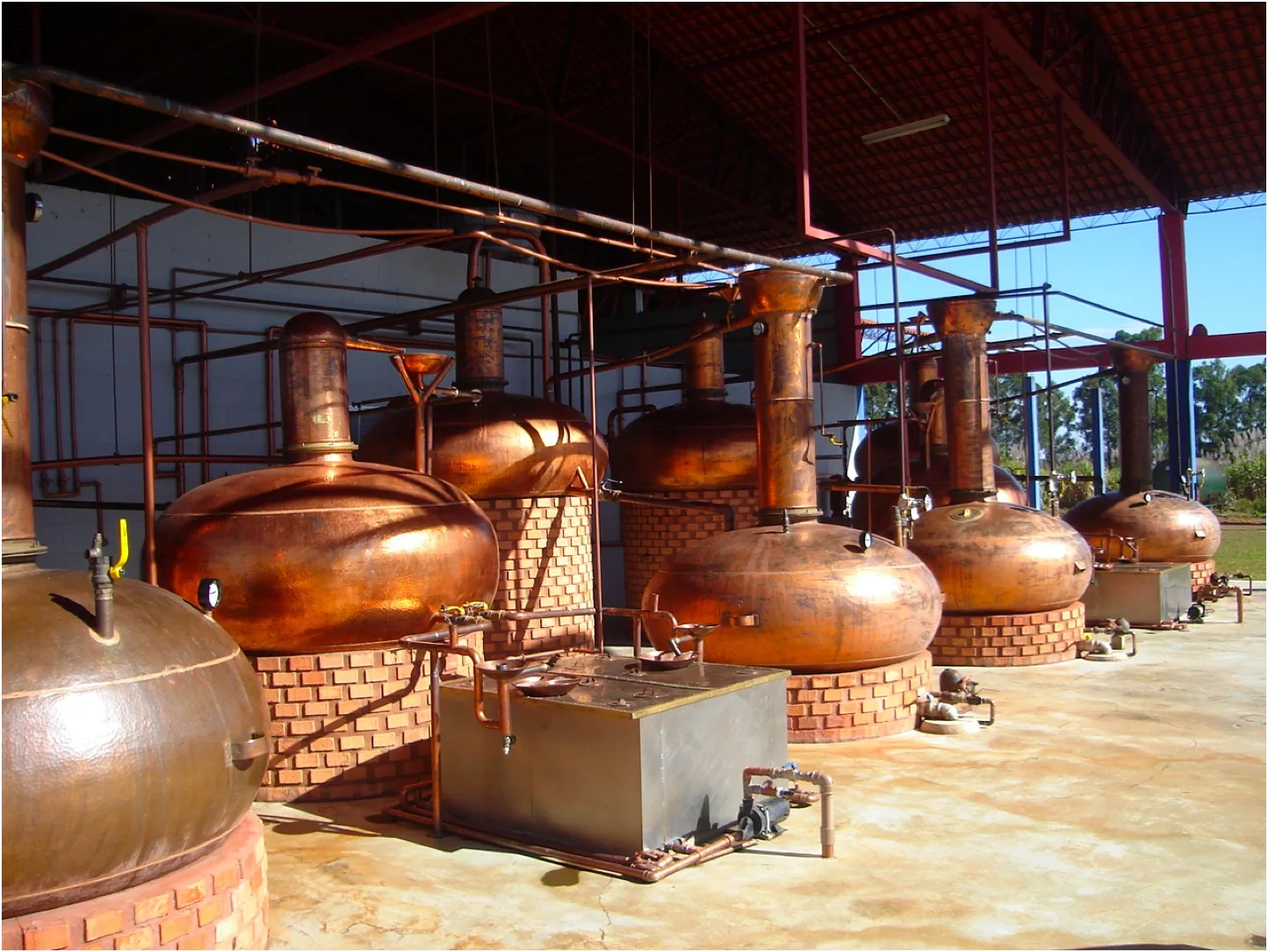
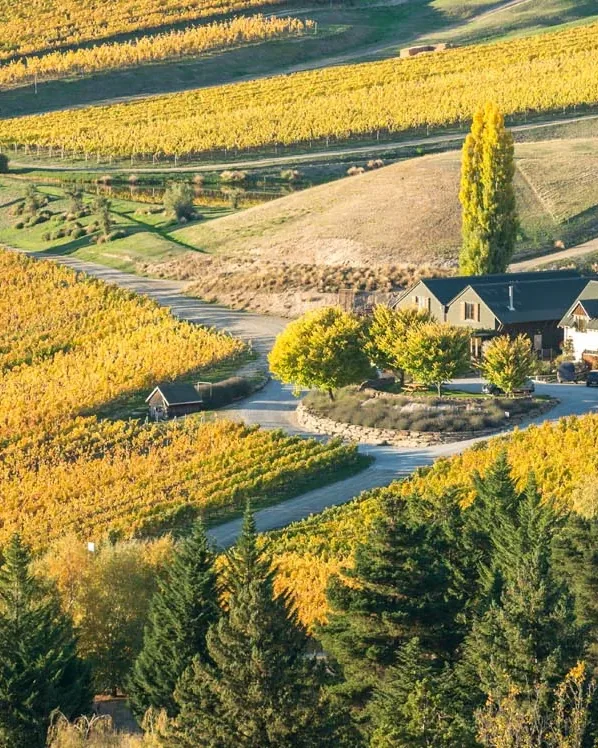
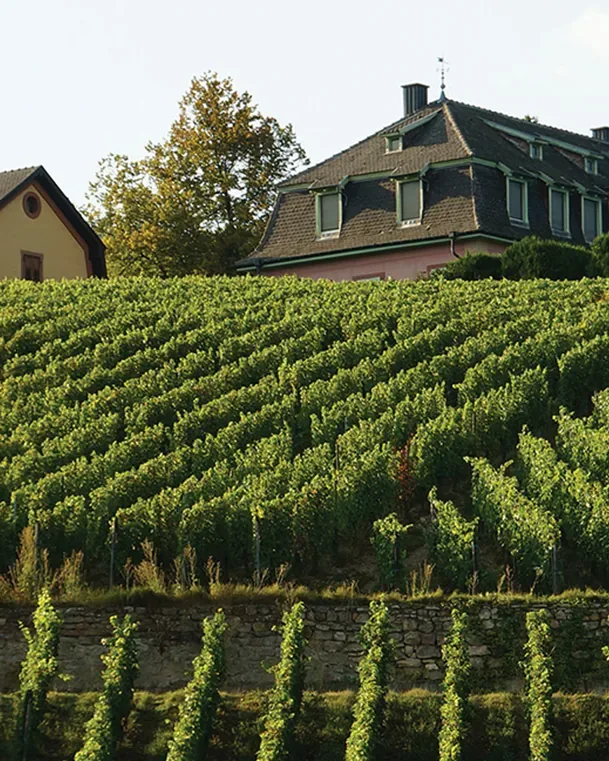
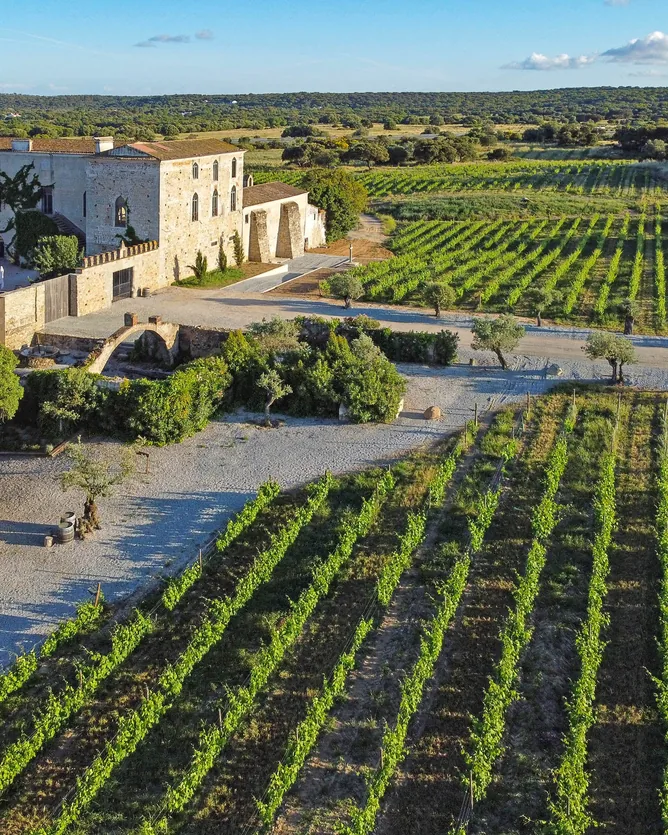
The world's first unified front for sustainable spirits and organic wines. Not built for one brand, but to champion a global movement.
The harm in a bottle was never the drink. It was the farming.
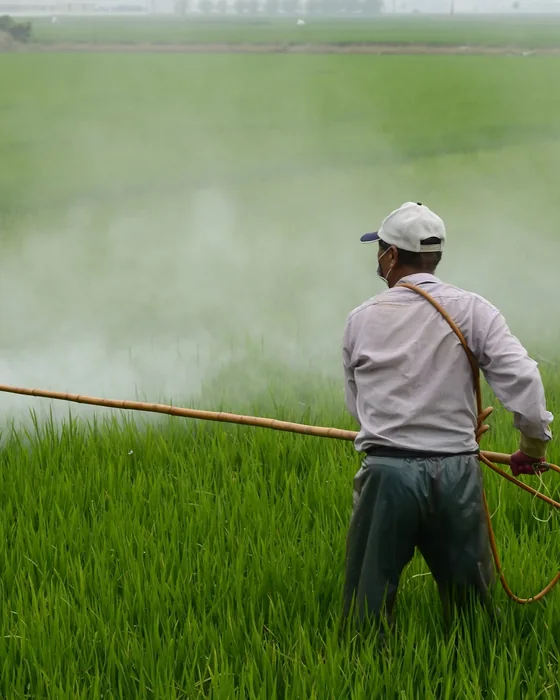
The crops behind the world's wine and spirits rely on some of the most pesticide-intensive agriculture on earth — poisoning the farmworkers who grow them, collapsing pollinator populations, and contaminating the soil and water around every field and vineyard. The drinker rarely tastes it. The land always pays.
Free Bacchus exists to switch the world's wine and spirits onto clean, organically and regeneratively farmed sources — and to make that switch verifiable, so "sustainable" stops being a marketing word and becomes a measured standard.
Traditional spirits carry a toxic footprint. Pesticides leach into soil, water, and air — sacrificing biodiversity worth hundreds of billions a year, all for a product meant purely for pleasure.
Every major conglomerate reports its carbon footprint. Not one has set a pesticide reduction target or discloses what it sprays. Legacy agriculture operates inside an intentional, unregulated black box.
| Company | ESG focus | Organic / pesticide target | Verdict |
|---|---|---|---|
| Diageo | Carbon, water, responsible drinking | Regenerative ag used as a carbon tool only | Silent |
| Pernod Ricard | Nurturing Terroir, regen ag pilots | 80% sustainable sourcing by 2030, no organic mandate | Partial |
| Campari | GHG intensity, packaging circularity | None | Silent |
| Constellation | Water stewardship, packaging | No Scope 3 target | Silent |
| AB InBev | Water, energy, regen ag pilots | Pilots only, no pesticide data disclosed | Silent |
| Brown-Forman | GHG, watersheds, packaging | None | Silent |
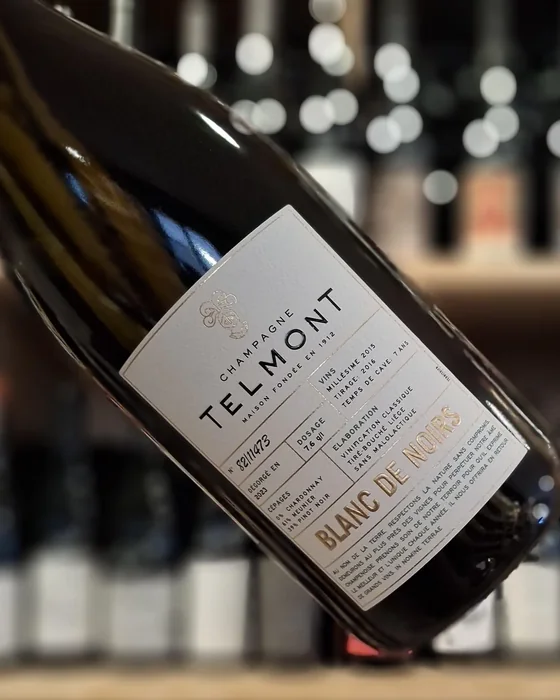
| Rémy Cointreau | Packaging carbon per bottle | Telmont: full organic conversion by 2031 (1 brand) | Partial |
| Heineken | Net zero 2040, water, packaging | None | Silent |
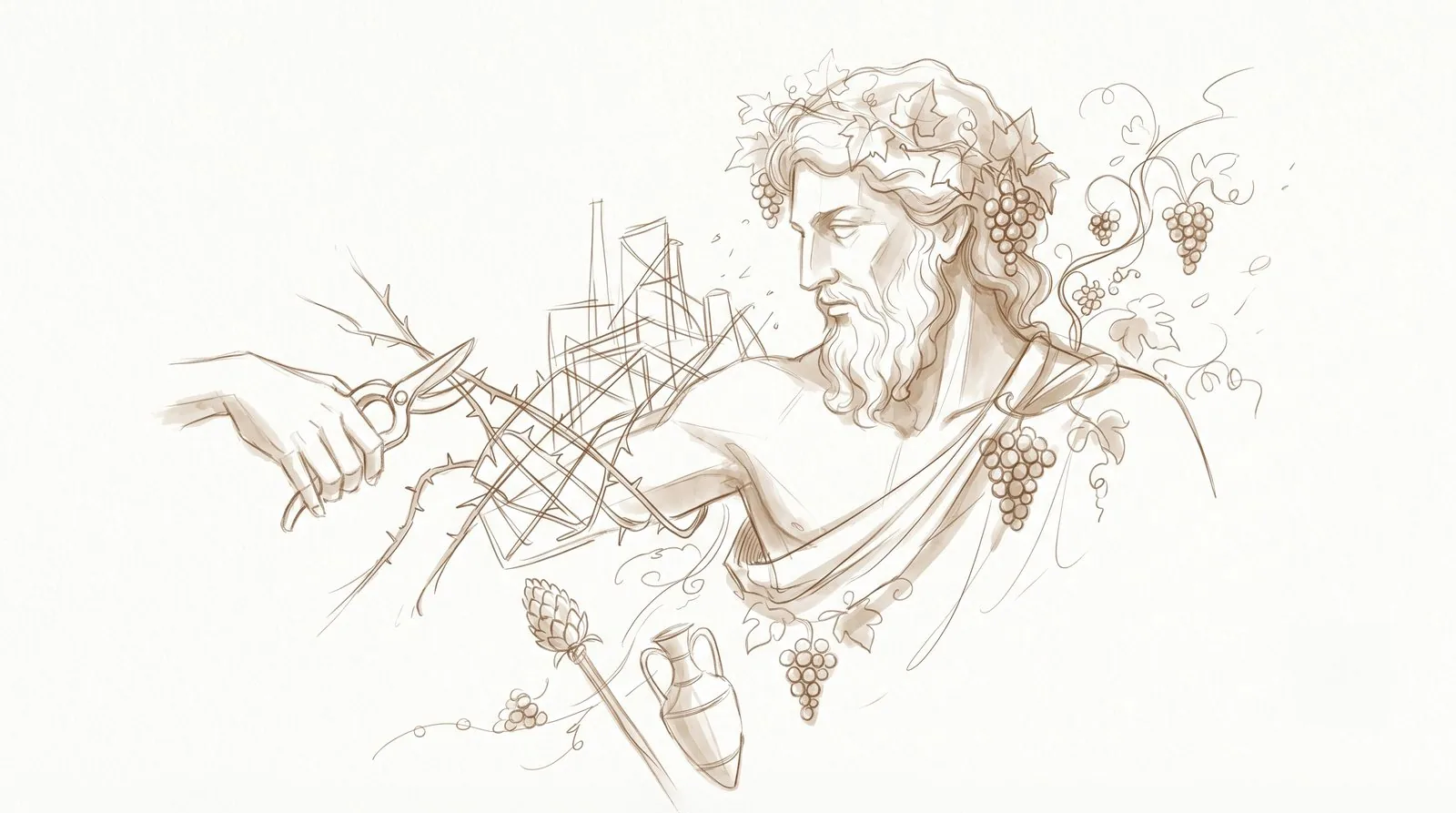
Bacchus was the Roman god of drink and revelry — but that was a fraction of who he was. He was also the god of vegetation, agriculture, the harvest, and transformation. He presided over the entire relationship between the earth and the drink: from the soil that fed the root to the ferment that filled the cup. And the Romans knew him, above all, as the liberator. Of body. Of soul.
For thousands of years he embodied the covenant between clean land and honest craft. Then industrial agriculture arrived. Pesticides saturated the soil. The very earth he presided over was poisoned in the name of yield, efficiency, and shareholder return. The liberator became captive to a system he would never have recognized.
Audécious was born in Whistler to prove outstanding spirits could be made entirely free of pesticide-dependent practices. It won. Then scaling it revealed the real barrier wasn't the brand — it was the system.
Award-winning, clean liquids that outperform legacy products bottle for bottle — built on pure ingredients and organic process.
Price-resilient, informed buyers who actively seek transparency and are immune to the marketing illusions of legacy giants.
Consistent, unsolicited inbound from top-tier venues that want clean, narrative-driven portfolios their clientele now expects.
A Four Seasons listening tour across three continents confirmed it: guests want clean options the legacy system is built to keep out.
| Segment | 2026 size | 2031 projected | CAGR |
|---|---|---|---|
| Global alcohol market (TAM) | $2.3T+ | $3.0T+ | 5.0% |
| Premium spirits (SAM core) | $257B | $325B+ | 6.5% |
| Organic wine segment | $13B | $21–22B | 10.0% |
| Free Bacchus target ecosystem | $40–55B | $70–100B | 8–12% |
The high-AOV advantage: verified organic and sustainable products support a proven 25–40% pricing premium over conventional equivalents — delivering superior margins to platform infrastructure.
Free Bacchus = the "LEED" for sustainable wine and spirits.
Launch the verification standard — independent pesticide profiling, traceable sourcing, a trusted badge. Certify Audécious and a founding cohort, and seed the data engine with a marketplace where certified producers can sell.
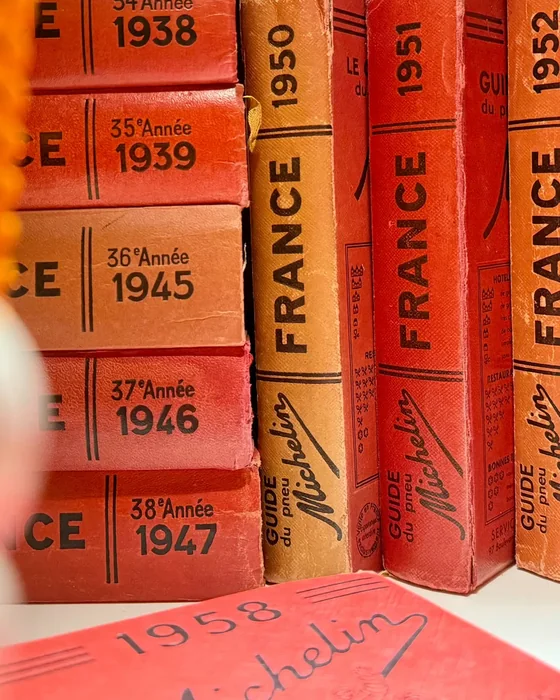
The badge becomes what conscious buyers and Michelin venues look for. Every transaction feeds palate and sourcing intelligence. Adoption compounds — the standard, not the storefront, becomes the draw.
The standard becomes the default reference for "clean" across wine and spirits — licensed into retail and trade as the data and compliance layer that others build on.
Growers bypass expensive brokers and complicated border-compliance duties, preserving up to 30% margin.
Full pesticide profiling, traceable source validation, and automated matches tailored to individual taste.
Michelin venues source verified organic portfolios directly — products otherwise locked behind shipping red tape.
Governing boards and agricultural watchdogs are tightening labeling and residue exceptions. Alcohol is losing its historic "ingredient loophole" status.
Digital cross-border customs portals and real-time duty engines are mature — removing the distribution bottlenecks that trapped small producers.
Modern buyers drink less overall but spend significantly more per bottle on transparent, verified products.
First investor and Founding Chairman of GogoVan, backing an idea into a logistics platform spanning Asia. Co-founder of Feeding Hong Kong, the city's largest food bank. Champion of Egret Therapeutics from concept to a drug platform for concussion, heart attack, and stroke. Former Fundraising Chairman for UNICEF.
A global adventurer who has redefined industries — shaping landmark partnerships for Ferrari's Formula 1 team, then, as CMO of Campari, spearheading Aperol's rise from regional aperitif to global phenomenon. He believes in a fairer, more sustainable future, and in building it.