Free Bacchus Journal
Ten Feet Down the grain rewriting beer
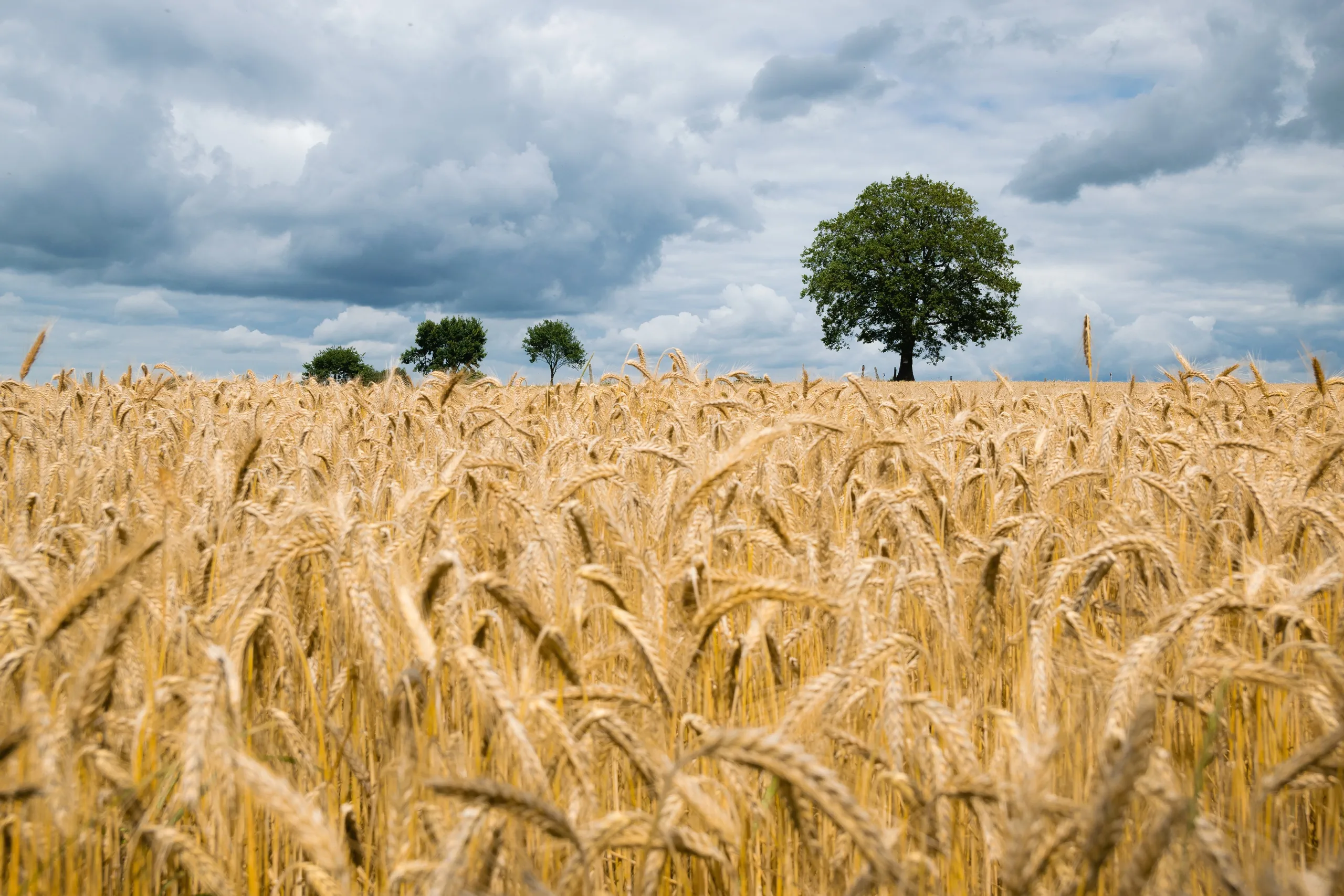
Picture a wheat field. Now picture what happens to it every single year — torn open, reseeded, left bare for months. There's a grain now going into beer that does not require any of that, and the reason it is not everywhere yet is more interesting than the reason it should be.
Almost every grain the world drinks is an annual. Wheat, barley, corn, rice — planted each spring, harvested each autumn, and in between the soil opened up and reseeded. The cycle is so old it feels like a description of farming itself rather than one particular way of doing it.
Twice a year, on most of the arable land on earth, we destroy a field and rebuild it. The ground is broken, the roots are gone, and for months nothing holds the topsoil in place but good weather. Wind takes some. Rain takes more. It is the quietest engine of soil loss on the planet, and it happens because the plants we chose put almost everything they have into seed rather than root.
That is precisely why we chose them. A plant that pours its energy into grain feeds people; a plant that pours it into roots does not. Ten thousand years of selection pushed hard in one direction for a good reason.
There's now a grain being grown across the American Midwest that went the other way, and it is finding its way into beer. Its name is Kernza.
A grain with a ten-foot memory
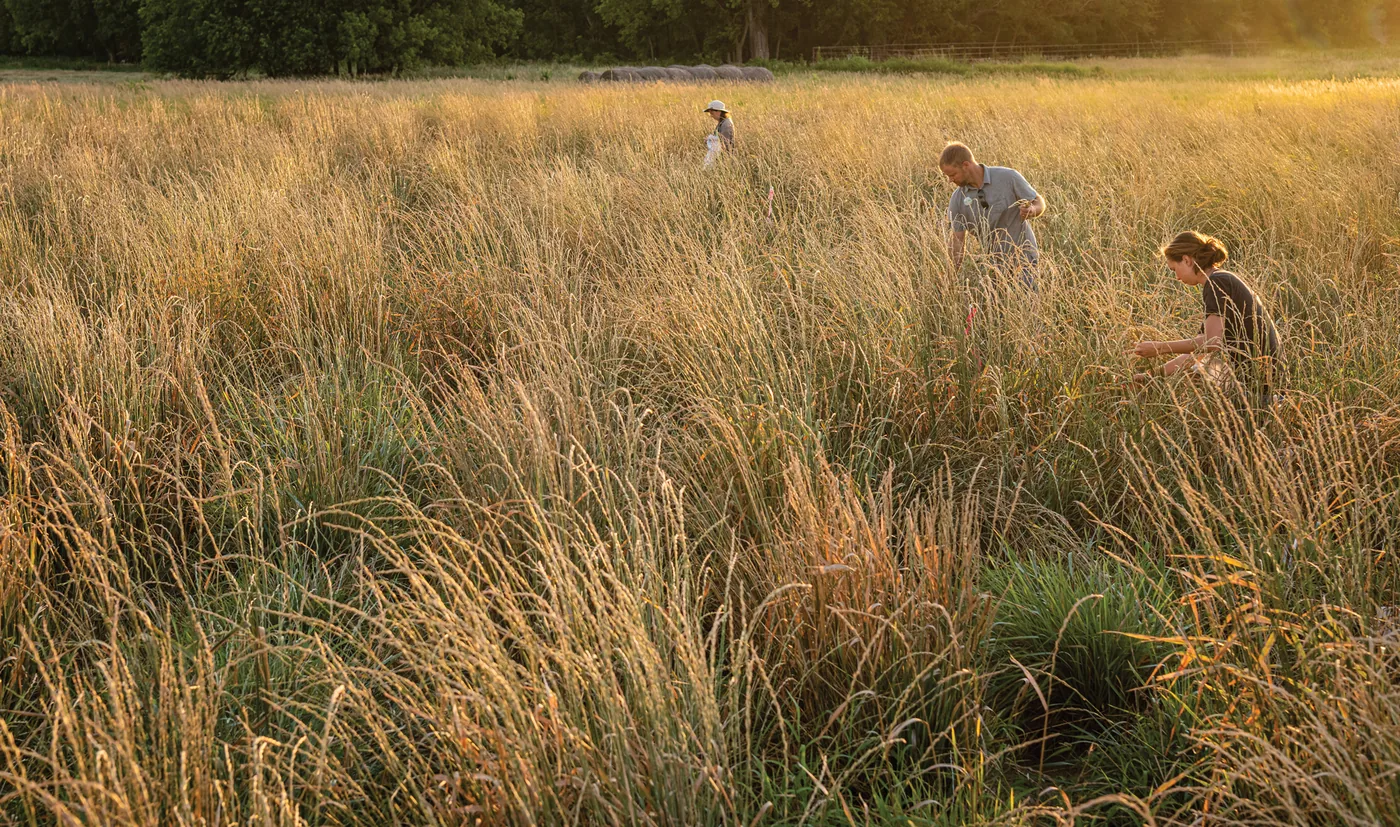
Kernza is the trademarked grain of intermediate wheatgrass, developed over decades by the Kansas nonprofit The Land Institute. Unlike wheat it is a perennial: planted once, it returns year after year, sending roots ten to twelve feet into the earth.
Those roots are the whole story. Where an annual leaves tilled soil bare for months, a perennial holds the ground permanently. The USDA notes that continuous cover protects soil year-round, while the deep root system reduces erosion and builds soil structure that holds water through drought. Reseeding annuals requires tillage, which drives moisture loss and erosion; a perennial removes the step rather than performing it more carefully.
Most environmental improvements in farming mean doing the same thing more gently. This one means not doing it.
By the numbers
few feet for annual wheat
after harvest for years
is never torn open again
And the reason it is not everywhere
Kernza yields a fraction of the grain per acre that wheat does, and that is a consequence of the trade-off rather than a temporary problem awaiting better agronomy. A plant investing ten feet of root is a plant investing less in seed. The deep roots and the modest harvest are the same fact viewed from two ends.
So Kernza is not, today, a replacement for wheat, and anyone presenting it as one is overstating the case. Breeders at The Land Institute and elsewhere are working to close the gap. The honest position is that it is a promising crop with a real limitation, grown by people willing to accept a smaller harvest for soil that improves rather than depletes.
That is why brewing matters to its future. A brewer needs a modest volume of an interesting grain and can pass some of its cost to a drinker who cares, which makes beer one of the few markets where a lower-yielding perennial currently makes economic sense. Beer is the bridge.
From the field to the glass
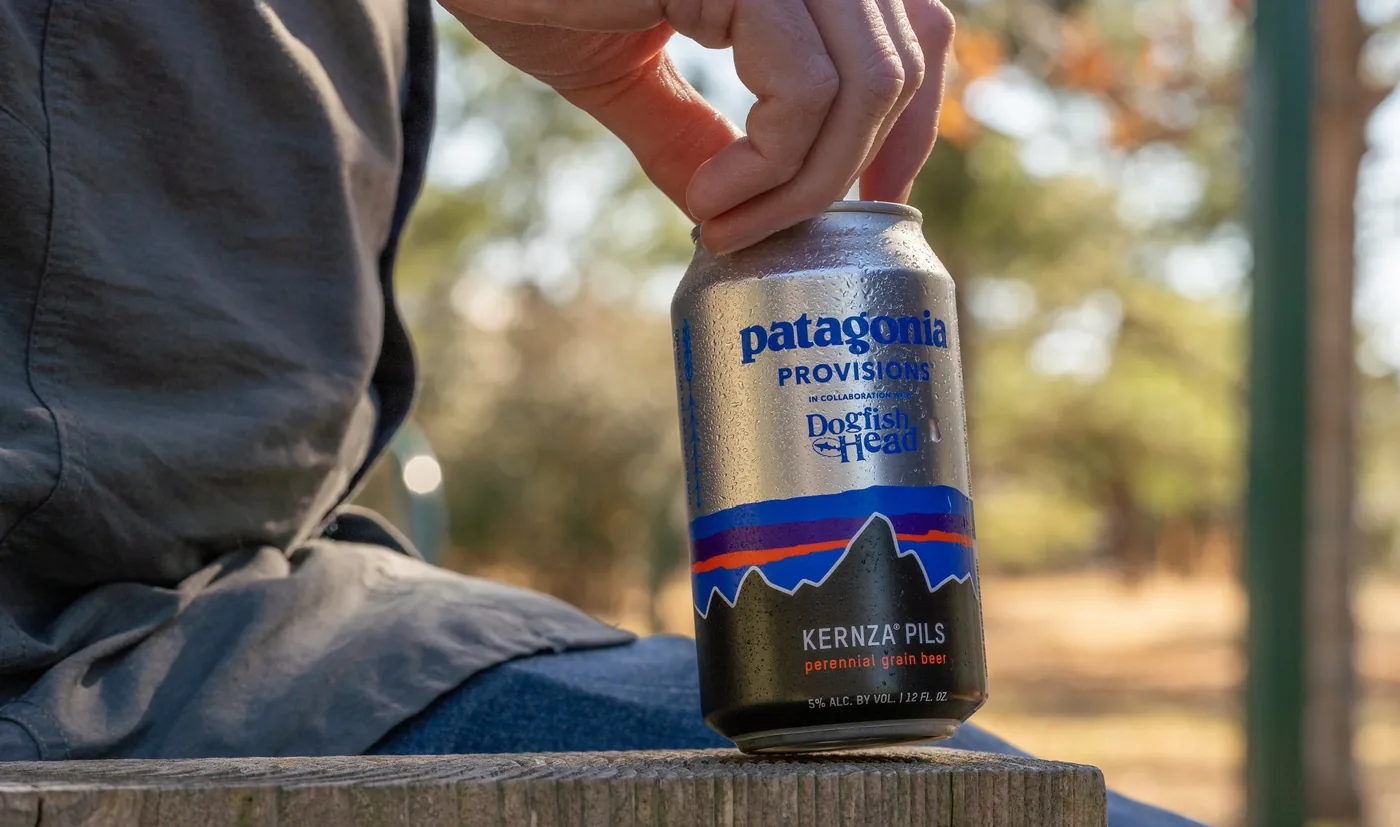
The brewing world noticed early. Through a regenerative agriculture programme, Patagonia Provisions partnered with a growing roster of craft breweries to put Kernza into the tank. Brewers and distillers working with it report a grain that is drought resistant and improves the soil it grows in rather than exhausting it.
It also tastes of something. Kernza brings a rich, subtly nutty character to a finished beer, and that matters more than it appears: an ingredient that improves the land and tastes interesting can be sold on flavour, which is a more durable commercial argument than virtue. Drinkers buy the second pint because they liked the first.
Why this belongs on Free Bacchus
We spend most of our time on wine and spirits, but the argument is identical in every category we look at: the farming is the product, and almost nothing about the farming reaches the person drinking.
Kernza is that argument made in a grain rather than a grape, and it has the added interest of being unfinished: a crop with an unusual advantage, a real limitation, and a small number of people trying to make the arithmetic work.
The habit worth taking from it is small, and it applies well beyond beer: when something on a shelf makes an agricultural claim, ask what the trade-off is. Every genuine farming improvement has one — a smaller harvest, more labour, higher risk, greater cost. Producers doing real work can usually name theirs immediately, and are often relieved to be asked.
The receipt
What to take from this
- Almost every grain we drink is an annual, replanted each year on soil that's torn open and left bare for months.
- Kernza — the trademarked grain of intermediate wheatgrass, from The Land Institute, is a perennial, planted once.
- Roots ten to twelve feet deep hold ground permanently, cut erosion and build soil that holds water through drought.
- The honest limitation: Kernza yields a fraction of what wheat does, because a plant investing in roots invests less in seed.
- Brewing is one of the few markets that can currently absorb that trade-off — which makes beer the bridge, not a footnote.
- When any product makes a farming claim, ask what the trade-off was. Real improvements always have one.
Where the claims come from4
-
The Land Institute (Kernza developer) via Beverage Daily
beveragedaily.com ↗ -
USDA — Raising a Toast to Kernza
scientificdiscoveries.ars.usda.gov ↗ -
Patagonia Provisions regenerative brewing project
craftbrewingbusiness.com ↗ -
Rocky Mountain PBS — Kernza in brewing
rmpbs.org ↗