Free Bacchus Journal
The Fifth Growth that refused to stay fifth
The 1855 Bordeaux classification has barely changed in 170 years. One estate near the bottom of it decided to argue — not by lobbying, but by putting horses back in the vineyard.
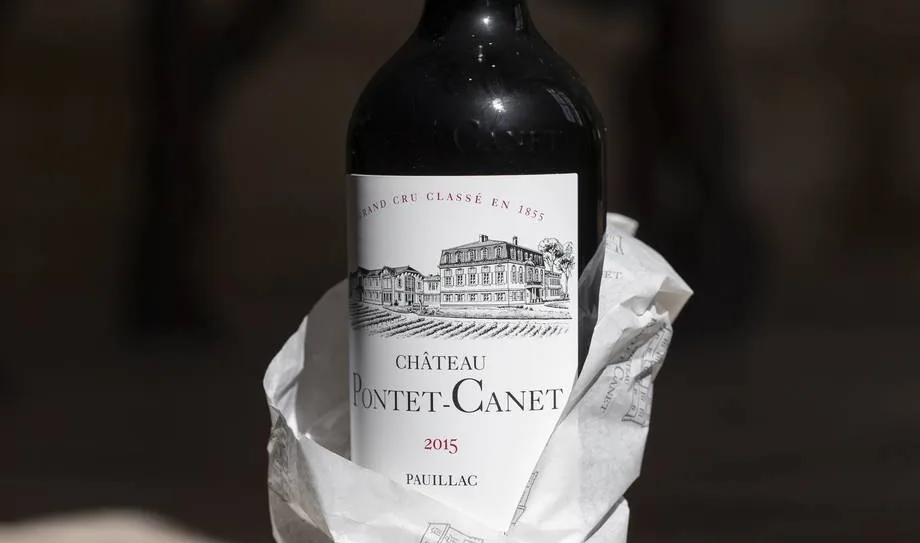
Pick up a bottle of classed-growth Bordeaux and look for the small type near the bottom of the label. You’ll find a phrase like deuxième cru classé or cinquième cru classé — second growth, fifth growth. Most people read it as a quality grade. It is a record of what the estate’s wine was selling for in the first half of the nineteenth century.
In 1855, for an exhibition in Paris, a group of brokers ranked the great estates of the Médoc from first to fifth, based almost entirely on the prices each had commanded over the preceding decades. It was a snapshot of a market, not an assessment of soil or ambition or care, and it was compiled before electricity, before the motor car, and before phylloxera arrived to remake European viticulture. It is still the most powerful hierarchy in fine wine, and still shapes what people expect to pay.
In more than a century and a half it has been meaningfully altered once, when Mouton Rothschild was promoted from second growth to first by government decree in 1973. An attempt at revision in 1960 failed, and every proposal since has died in the same place: against the commercial interests of the estates whose rank the list protects.
A great vineyard, and a long stretch of ordinary wine
Ranked in the fifth and lowest tier of that list, on the same gravel plateau that runs from Lafite through Mouton and into its own vines, sat Château Pontet-Canet. It had the address. For most of the following century and a half, it didn't have the wine.
Pontet-Canet was never a struggling smallholding: a large, well-connected estate with land most of Bordeaux would envy, making wine that did not deserve it. The record is blunt: the vineyard had largely been underperforming since before the classification itself. The address was extraordinary. The bottles were not.
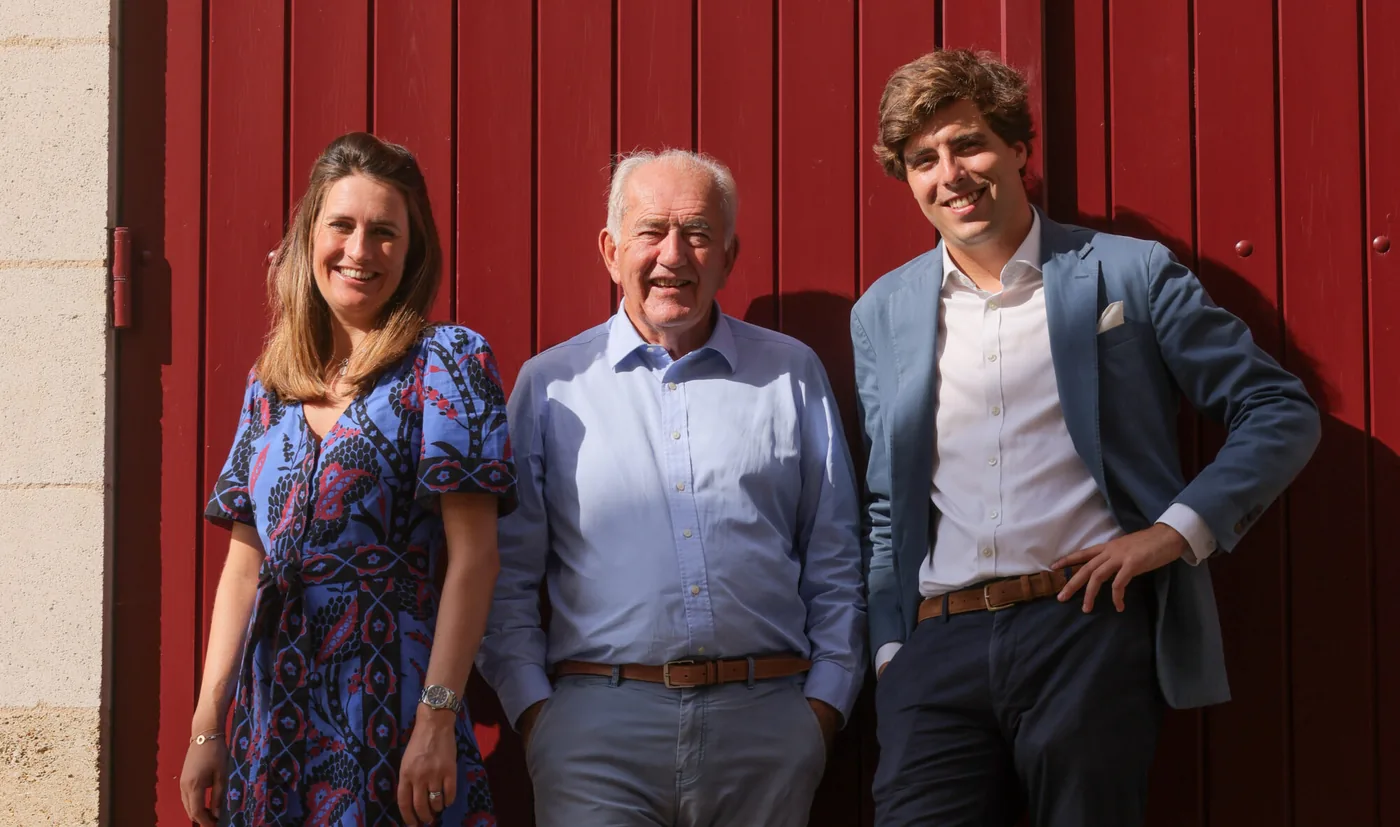
It has had only three owning families in two centuries: the Pontets, then the Cruse merchant family for 110 years, and since 1975 the Tesserons, cognac merchants who bought it as a long-term investment when Bordeaux’s economics were badly depressed. The vineyard needed extensive replanting, and then cognac itself fell on hard times, limiting what could be spent fixing it. Alfred Tesseron, called back from a sales job in America to run the place, has been unusually candid about the years that followed: the estate suffered, he has said, first from his own lack of knowledge about running a wine property, and then from the crisis in cognac.
Not many families will say that out loud about their own inheritance.
By the numbers
ranked — by price
in 170 years
2010, from a fifth growth
The argument, made with horses
Alfred Tesseron took over management in 1994 and spent a decade circling the real problem, which turned out not to be the cellar but the ground.
The decisive push came from Jean-Michel Comme, the estate’s technical director since 1989, who farmed biodynamically on his own small property. One year he brought Tesseron a wine to taste. Tesseron said it didn't taste like his wine: too fresh, too energetic, too pure. Comme told him it was his first vintage farmed biodynamically. Almost immediately, Tesseron proposed doing the same at Pontet-Canet.
In 2004 they converted fourteen hectares of Merlot as a trial. It was convincing enough that within a year the whole estate followed: eighty-odd hectares of classified Pauillac, in an appellation where nothing like it had been attempted, at a property whose neighbours farm some of the most valuable agricultural land on earth. Tesseron has been sharp about the motive. It was not, he insists, about looking green or being photographed with a horse, but that biodynamics forces you close enough to the vineyard to understand how it works.
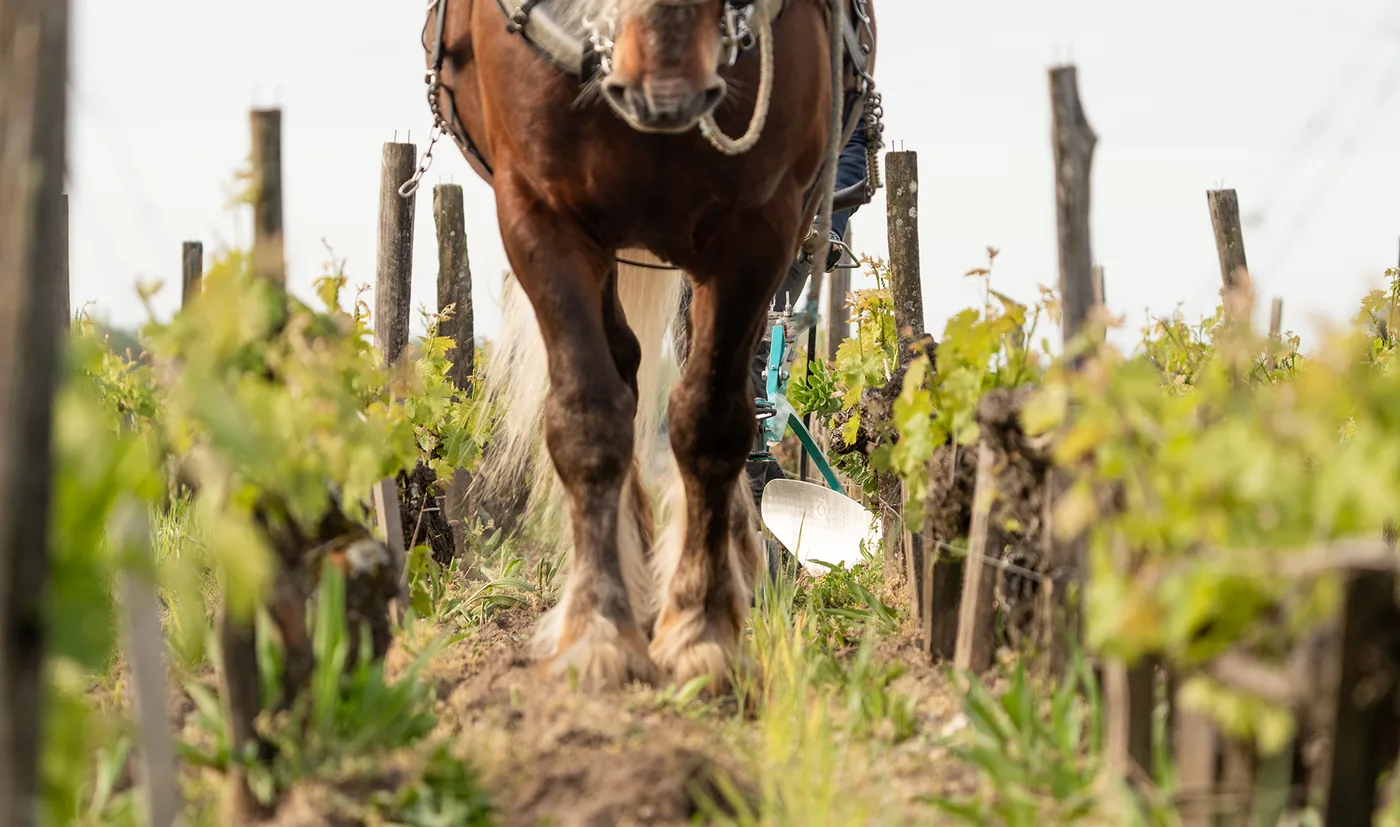
Then the honest part. In 2007 mildew pressure — the perennial difficulty of maritime Bordeaux — became severe enough that the conversion had to be abandoned mid-course, and chemicals were used for the last time. They began again. Certification followed in 2010, making Pontet-Canet the first classified growth in the Médoc to hold both organic and biodynamic accreditation, with Demeter added later. The draft horses arrived in 2008, two at first, eventually ten, stabled in buildings made from old wine barrels, not as decoration but because horses do not compact the soil the way tractors do.
Brokers rank the Médoc on forty years of prices. Pontet-Canet lands in the fifth and lowest tier.
The Tesserons buy the estate. The vineyard needs extensive replanting; cognac then falls on hard times.
Alfred Tesseron takes over management and begins circling the real problem: the ground, not the cellar.
Fourteen hectares of Merlot converted to biodynamics as a trial. Within a year the whole estate follows.
Mildew forces the conversion to be abandoned mid-course. Chemicals are used for the last time.
The first draft horses arrive: two at first, eventually ten.
Certified organic and biodynamic: the first classified growth in the Médoc to hold both.
What the market did next
The wine settled the argument. The 2009 vintage earned a perfect hundred points from the critic whose scores moved the Bordeaux market more than anyone’s; the 2010 did it again. Back-to-back perfect scores, from a fifth growth, farmed by horse and biodynamic preparation, in the region most invested in the idea that rank is destiny.
Then the prices moved, which in Bordeaux is the argument everyone accepts. A fifth growth began commanding what second growths command. The trade coined a phrase for estates like it: the flying fifths. Pontet-Canet became the standing example, spoken of as a super second and trading alongside estates two tiers above it. The blunt verdict of one long-standing Bordeaux authority is that if the Médoc were reclassified today, Pontet-Canet would be a second growth.
It will not be reclassified. That's rather the point. The list is frozen, the label still reads fifth growth, and the estate simply went around the hierarchy instead of through it, by making wine good enough that the ranking became visibly out of date.
What a frozen judgement cannot see
A classification is a judgement fixed at a moment. The 1855 list recorded forty years of nineteenth-century prices and then stopped listening. It cannot see a change of ownership, a new generation, a decade of patient soil work, or a decision to farm without chemistry. It knows what an estate was worth when Napoleon III was on the throne, and it still shapes what a shopper expects from the bottle in their hand.
None of which makes the classification a fraud. It was an honest answer to the question its authors were asked, and it has held up remarkably well as a rough guide to which vineyards sit on the best ground. It simply answers a question about the 1850s, and gets read as an answer about now.
The habit worth taking from this is small. When you see a rank, an appellation, a classification or a score on a label, it's worth asking when the judgement was made, and by whom, and whether anything since could have changed it. Sometimes the answer is that nothing has. Sometimes there are ten horses in a Pauillac vineyard that the list will never hear about.
The receipt
What to take from this
- The 1855 classification ranked Médoc estates by the prices their wines had been fetching — it was a market snapshot, not a quality assessment.
- It has been meaningfully amended once in 170 years, when Mouton Rothschild was promoted by decree in 1973.
- Pontet-Canet held first-rate land and made ordinary wine for generations — and the family says so openly.
- Full biodynamic conversion began in 2004, collapsed under mildew pressure in 2007, restarted, and was certified in 2010.
- Back-to-back 100-point scores for 2009 and 2010; it now trades with second growths as one of the "flying fifths".
- When you see a rank on a label, ask when the judgement was made and whether anything since could have changed it.
Where the claims come from6
-
The Wine Independent — Château Pontet-Canet 2010–2020 (underperformance, conversion, 2007 setback)
thewineindependent.com ↗ -
Wine Spectator — A Sit-Down with Alfred Tesseron
winespectator.com ↗ -
The Wine Cellar Insider — Château Pontet-Canet complete guide
thewinecellarinsider.com ↗ -
Stories of the Vine — Château Pontet-Canet (draft horses, certification timeline)
storiesofthevine.com ↗ -
Wine with Seth — The Bordeaux 1855 Classification
winewithseth.com ↗ -
Goedhuis Waddesdon — The 1855 Classification and the flying fifths
goedhuiswaddesdon.com ↗