You don’t need to know any of this to drink well
Most of what gets written about wine assumes you already know what Pauillac means. You don’t need to. This page is ten bottles, what they actually taste like, and how to say the names — nothing else.
Ten bottles to start with
Three at each price. Every one is verified, and two of the three in the dearest band are Reserve — the highest tier the standard awards.
If you are buying your first bottle from this list, buy one of these.
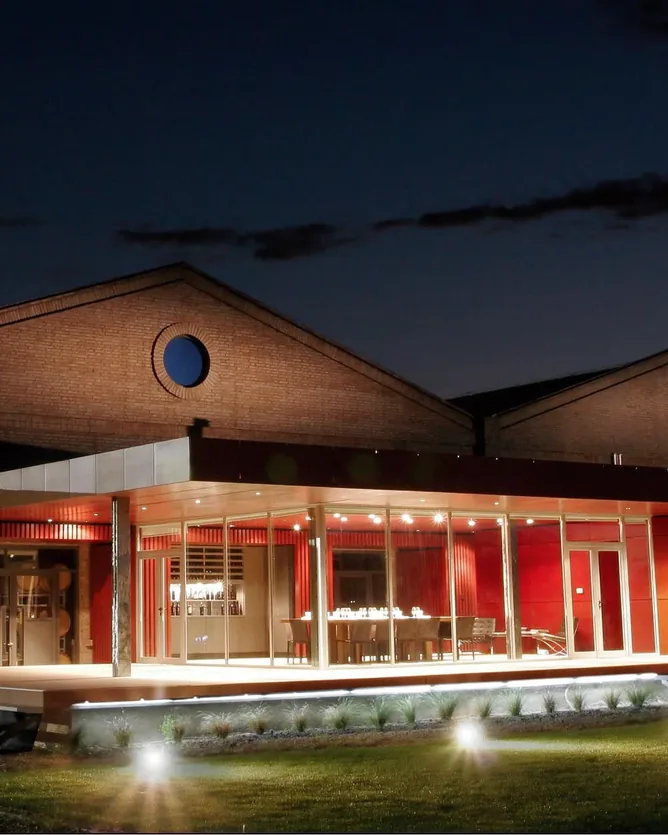
Chakana
Dark, firm Malbec with real acidity — closer to savoury than jammy.
Malbec is a grape most people already recognise, and this is the least expensive bottle in the cellar. Demeter biodynamic and IMO organic, from Mendoza.
Good with Grilled beef, empanadas, aged hard cheese.
Read the full page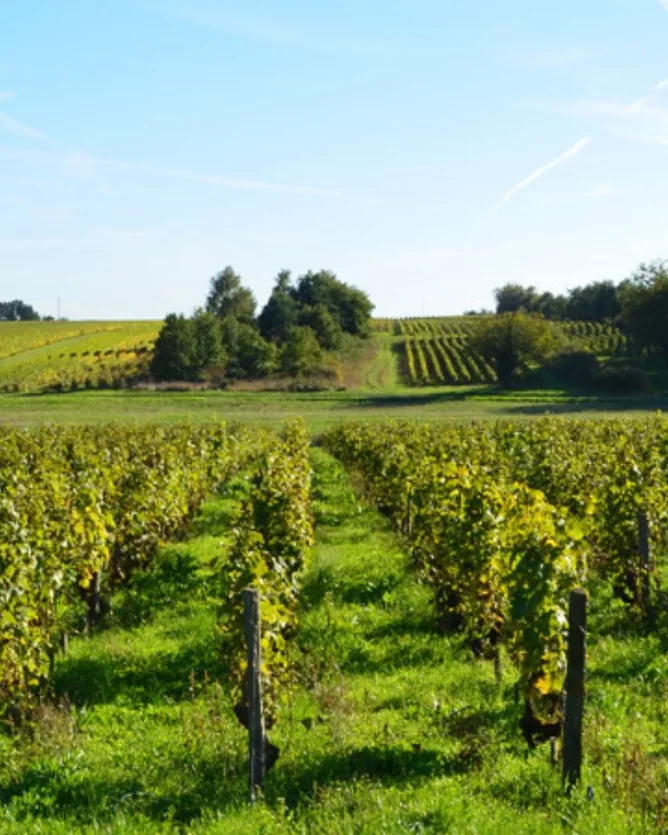
Domaine François Chidaine
Dry Chenin with orchard fruit, chalk and real cut. The off-dry and sweet bottlings come from the same certified fruit.
A dry white from the Loire, certified biodynamic since 1999. If you have only ever had sweet Chenin, this is the other half of the grape.
Good with Roast pork, goat’s cheese, or something Thai-spiced with the off-dry.
Read the full page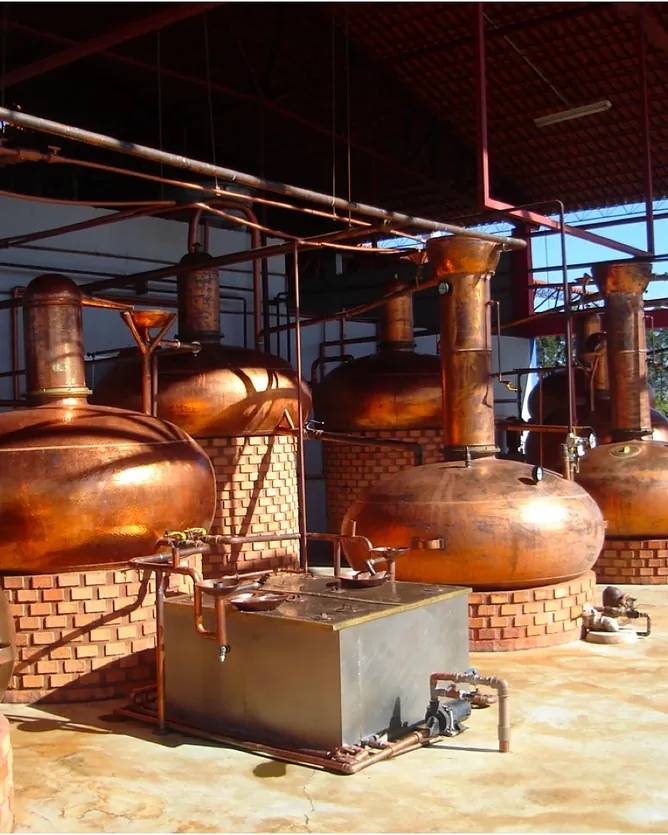
Novo Fogo
Fresh and grassy rather than sweet — green cane, citrus and a clean finish. Nothing like a molasses rum.
USDA organic across the estate cane and the whole distillery. Cachaça is Brazil's national spirit and almost none of it is certified — this is.
Good with A caipirinha, grilled seafood, or fresh mango.
Read the full pageA step up, without a step into a different world.
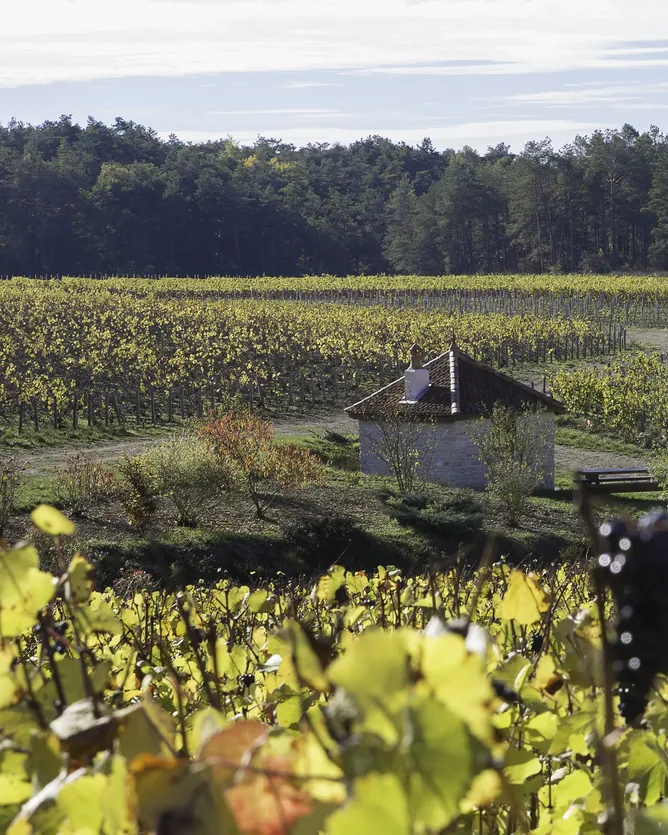
Champagne Fleury
Fuller and more vinous than most Champagne — red apple and brioche rather than sharp citrus.
Champagne farmed biodynamically since 1989, when no other house in the region was. Demeter certified continuously ever since.
Good with Roast chicken, charcuterie, or aged comté.
Read the full page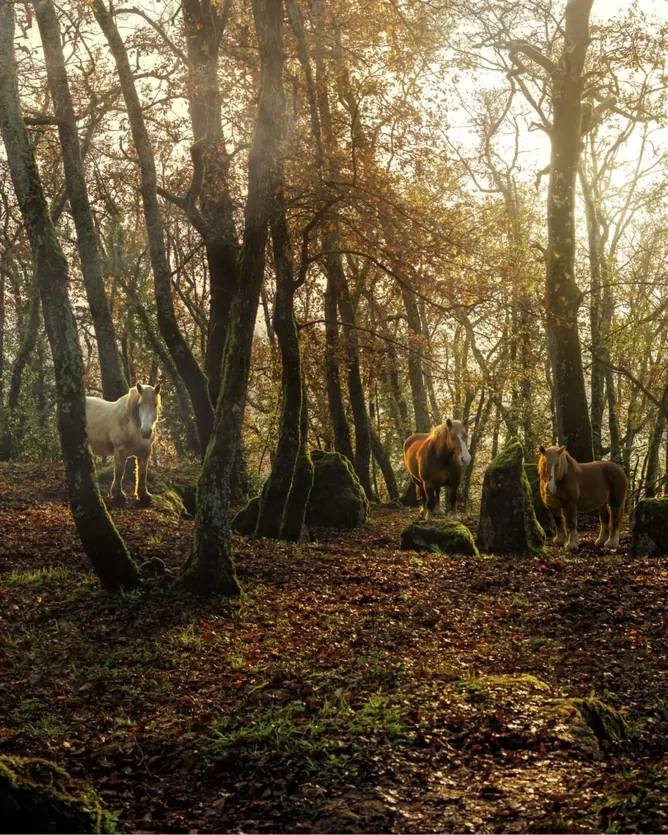
Château Le Puy
Bright and gently earthy — black cherry, dried leaves and liquorice, with far less weight than Bordeaux usually carries.
The same family has farmed this ground since 1610, and gave up the appellation in 2017 rather than change how they work. Demeter and Ecocert certified.
Good with Roast chicken, mushroom dishes, or a plate of hard cheese.
Read the full page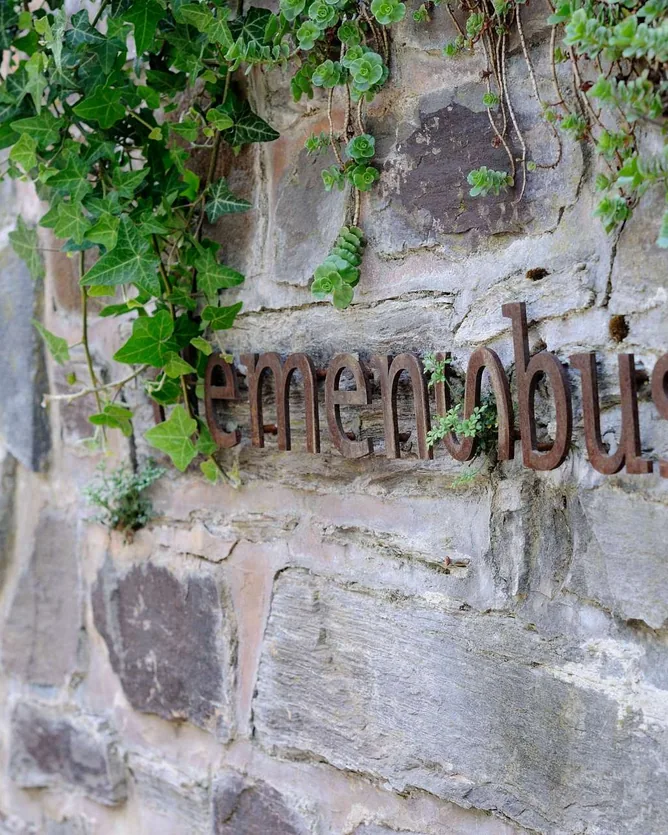
Weingut Clemens Busch
Mosel Riesling with grip rather than sweetness — citrus, wet slate and a saline finish. Mostly dry, and built to age.
He stopped spraying herbicide in 1976, aged nineteen, and was laughed at for it. Organic certified since 1984, biodynamic since 2005.
Good with Smoked fish, roast pork, or a young goat’s cheese.
Read the full page
Audécious
Clean and soft rather than sharp — no burn, and a weight on the tongue that sugarcane gives and grain vodka generally does not.
Sugarcane rather than grain, certified organic in the Netherlands under control number NL-BIO-01, and Platinum at the LA Spirits Awards.
Good with Smoked fish, salted nuts, or oysters with a squeeze of lemon.
Audécious is the Free Bacchus founding house and a related company. Flagged so you can weigh the recommendation — it is scored against the same standard, by the same method, as every other listing here.
Read the full pageFor a particular occasion.
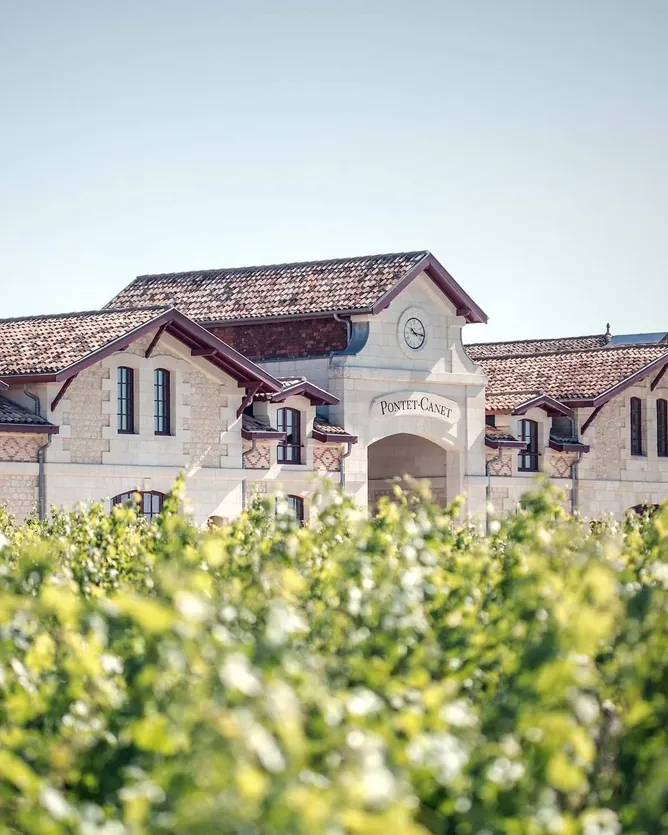
Château Pontet-Canet
Cassis and black cherry over graphite and cedar, with fine, firm tannins.
The first classified growth in the Médoc certified organic and biodynamic. Ten draft horses work the rows, because a horse does not compact the soil the way a tractor does.
Read the full page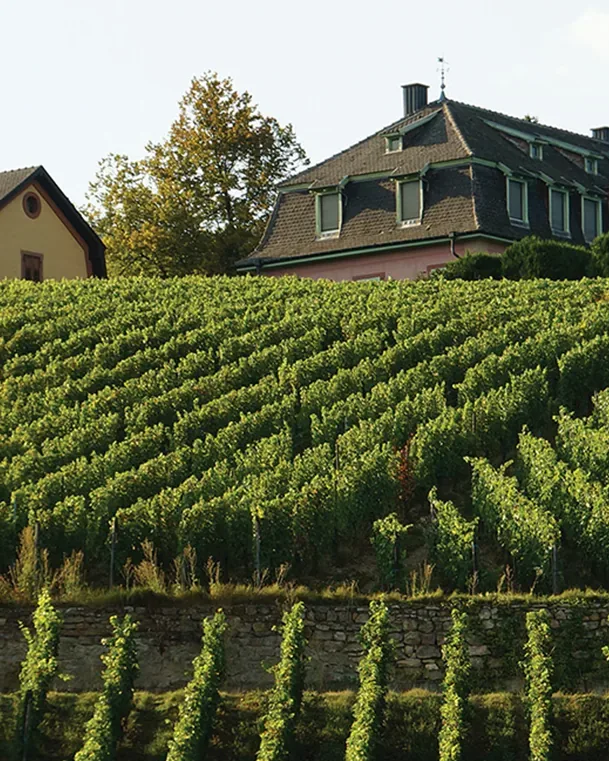
Zind-Humbrecht
Alsace whites of real texture and weight — Riesling, Pinot Gris and Gewurztraminer, dry to richly sweet.
Over a hundred separate parcels across roughly forty hectares, Demeter certified. The range descends in an orderly way from the grand crus to bottles costing a fraction as much, on identical farming.
Read the full page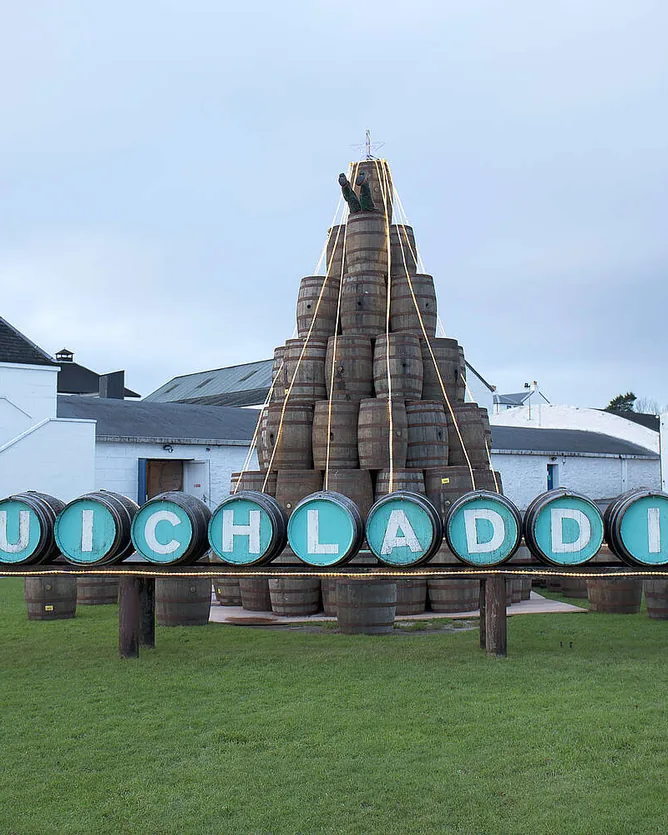
Bruichladdich Distillery
The Organic and Biodynamic bottlings are unpeated — barley sweetness, orchard fruit and a light coastal salt. Nothing like the Octomore end of the range.
The first whisky anywhere to carry the Demeter mark. The distillery got its barley farmer certified rather than waiting for a certified supply to appear.
Good with Smoked salmon, aged cheddar, or a plain oatcake.
The organic and biodynamic certification covers the Organic Barley and Biodynamic Project bottlings — not the core Bruichladdich, Port Charlotte or Octomore ranges.
Read the full pageWill organic wine taste weird?
No. This is the assumption worth clearing up first, because it puts more people off than any price does.
“Natural wine” is the category with the reputation for tasting farmyardy or cloudy, and it is not the same thing as organic or biodynamic. Organic and biodynamic describe how the fruit was farmed. Natural describes how the wine was made, and it is the loosest of the three — one private French charter governs the word, and nothing else does. A certified-organic Bordeaux tastes like Bordeaux. A certified-organic Champagne tastes like Champagne.
Every house on this site is verified on farming. What happens in the cellar is the producer’s own business, and most of them make entirely conventional-tasting wine.
The three words, and what each one actually governs →What the tiers mean
- Reserve
- The highest tier — formally certified producers with an exceptional quality record.
- Gold
- Producers with rigorous certification or verified practice, and strong critical standing.
- Silver
- Certified or verified producers on a narrower footing — a certificate that covers the vineyards but not the cellar, say, or part of an estate rather than all of it. Every page states what its certificate covers.
There is nothing else to learn. A tier is a shorthand for how much evidence sits behind a listing, and every point of it is published. Below Silver, a producer is not listed here at all.