Champagne Fleury
The Free Bacchus Story
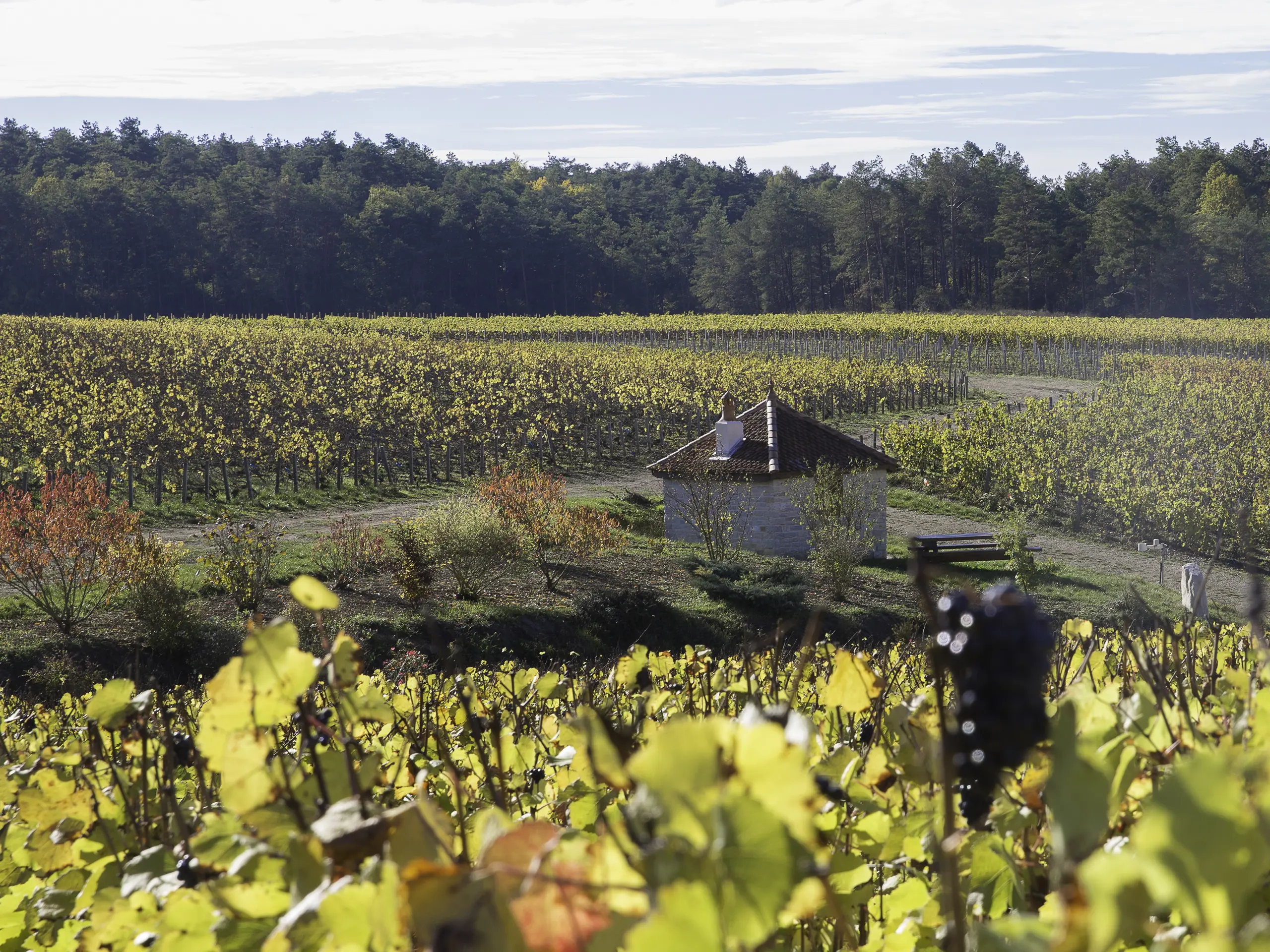
Émile Fleury founded the house at Courteron in 1895 and did something odd for the Côte des Bar: after phylloxera came through, he planted grafted Pinot Noir, the first in the region by the family’s account. His son Robert bottled the first Fleury champagne in 1929, and the house has been a Pinot house ever since.
His grandson Jean-Pierre took over in 1970, and in 1989 he began converting the vineyard to biodynamics with about three hectares. All fifteen were converted by 1992. He is usually credited as the first grower in Champagne to farm that way, and at the time people took him for a madman. The estate has farmed that way ever since: certified organic by Ecocert, and biodynamic under both Demeter and Biodyvin. Jean-Pierre died in 2023, and three of his children run it now.
Around eight per cent of the Champagne vineyard is engaged in organic certification even now, more than three decades later.
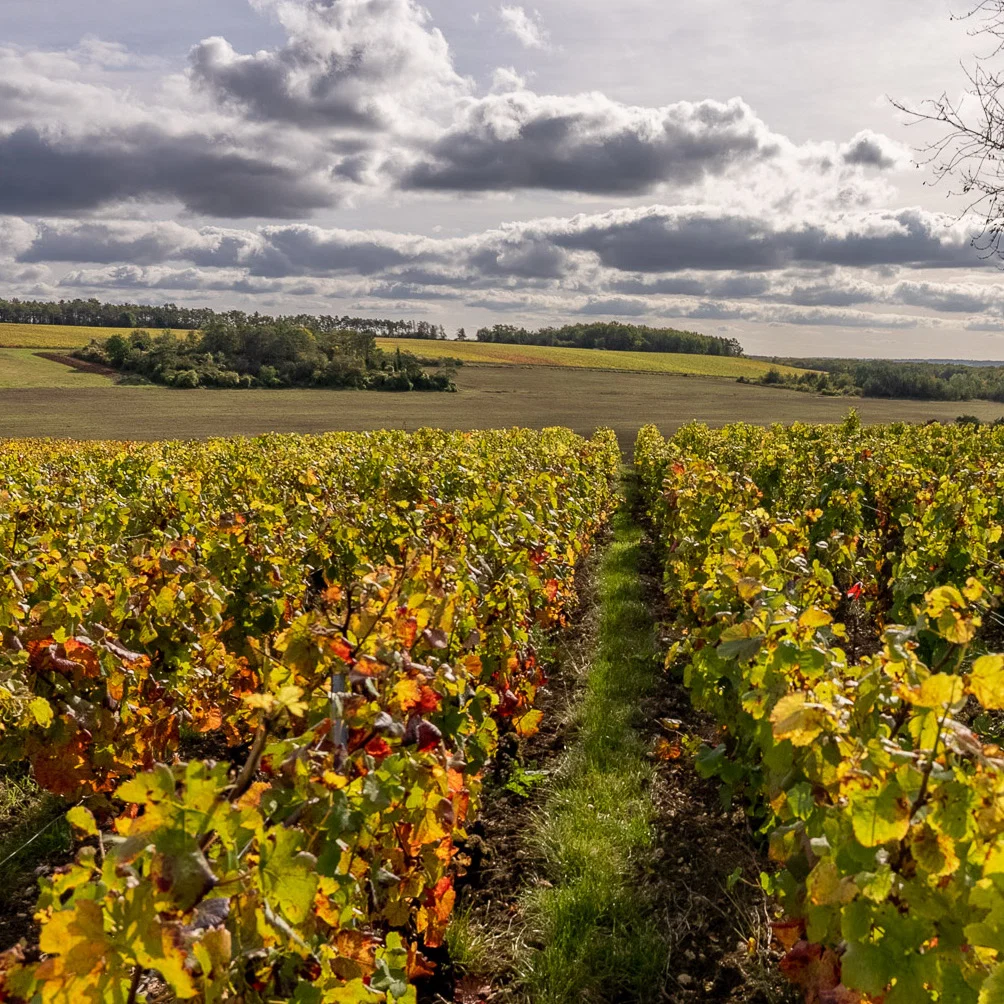
The two things pull against each other, which is the real achievement. Champagne’s economics reward blending across many sites, volume and year-to-year consistency. Biodynamic farming rewards the opposite of all three. Fleury has run both for more than three decades.
The Côte des Bar sits at the southern end of the appellation, closer to Chablis than to Reims, on Kimmeridgian clay and limestone rather than the chalk of the Côte des Blancs, and it is Pinot Noir country. That is why the Blanc de Noirs, all Pinot Noir, is the clearest statement here. The family describes white peach and iris, fresh and crisp.
Why it’s remarkable
Free Bacchus Verification
Ecocert organic · Demeter biodynamic · Biodyvin member
Certified4
- Demeter certified biodynamic (Demeter France) — SAS Champagne Fleury, operator FR-FR-BIO-01-2460, producer, valid to 30 June 2027
- Biodyvin member (2026 list)
- Ecocert organic (FR-BIO-01) — Agence Bio 149946, engaged 15 March 1995
- Biodynamic since 1989 on about three hectares; the whole estate since 1992
If you’re buying
Cheat sheet
Save it to your phone. Everything you need to recognise this producer, and three things worth saying about it, at a glance in a shop or across a table.