Domaine Leflaive
The Free Bacchus Story
Anne-Claude Leflaive’s account of why she changed the farming is not really about wine. Four decades of pesticides and weedkillers, she told Wine-Searcher, had killed every living thing in the soil, and she thought getting out of that was the future of the planet rather than a question of style. So the thing she and her team watched, running biodynamic and conventional rows side by side, was the ground: its texture, the population living in it, and its colour, which after three years was not the same colour.
That experiment was run on some of the most expensive farmland in the world. The domaine owns 4.8 hectares of grand cru spread across Bienvenues-Bâtard-Montrachet, Bâtard-Montrachet, Chevalier-Montrachet and Montrachet itself, and when it became clear the Montrachet was going biodynamic too, some in Burgundy called it sacrilege.
She had inherited the argument along with the vines. She and her cousin Olivier were made co-managers in 1990, when her father retired in poor health; his death in 1993 brought the disagreement into the open, and in 1994 the shareholders removed Olivier and left her in sole charge. Part of it was biodynamics and part of it was his négociant business, which she regarded as a conflict of interest with the domaine.
Then she went slowly, which is the part that gets left out. Three years of side-by-side trials settled the question of the soil, but she waited seven before she would trust what was in the bottle, and the first wholly biodynamic Leflaive was not released until 1999. In 1997 she poured two glasses blind for her British importer, the same vineyard and the same 1996 vintage, one farmed organically and one biodynamically, and the room picked the biodynamic wine unanimously. Five years of blind tastings with Burgundy winemakers ran the same way: about ninety percent found the biodynamic glass the more complex of the two.
The registers say something narrower than this page used to. The French state organic register carries Domaine Leflaive under Ecocert France, engaged on 16 July 1998, covering the growing and the winemaking alike. For the biodynamics there is no certificate to point at: the Demeter operator register returns nothing for Leflaive, the Biodyvin membership list does not carry the domaine, and the domaine names no certifying body itself, saying only that it has farmed this way for more than twenty-five years. Certified organic, biodynamic in practice, and we would rather say that than borrow a mark the estate does not hold.
Anne-Claude Leflaive died in 2015, twenty-five years after the first trial rows and sixteen after the first fully biodynamic bottling. The Montrachet from the vineyard she was told not to touch has since been scored 99 points by the Wine Advocate.
“He was thinking that biodynamics was stupid and I was completely crazy.”
Why it’s remarkable
Free Bacchus Verification
Ecocert France organic
Certified1
- Organic: Ecocert France (FR-BIO-01) on the French state register, engaged 16 July 1998 — growing and winemaking alike
Also on record2
- Biodynamic in practice since 1990, and by the domaine’s own account for more than twenty-five years
- No biodynamic certificate found: the Demeter operator register returns nothing and the Biodyvin member list does not carry the domaine, both checked 16 September 2026 against controls that did return; the domaine names no certifying body
If you’re buying
Cheat sheet
Save it to your phone. Everything you need to recognise this producer, and three things worth saying about it, at a glance in a shop or across a table.
From the Journal
More Verified Houses · France
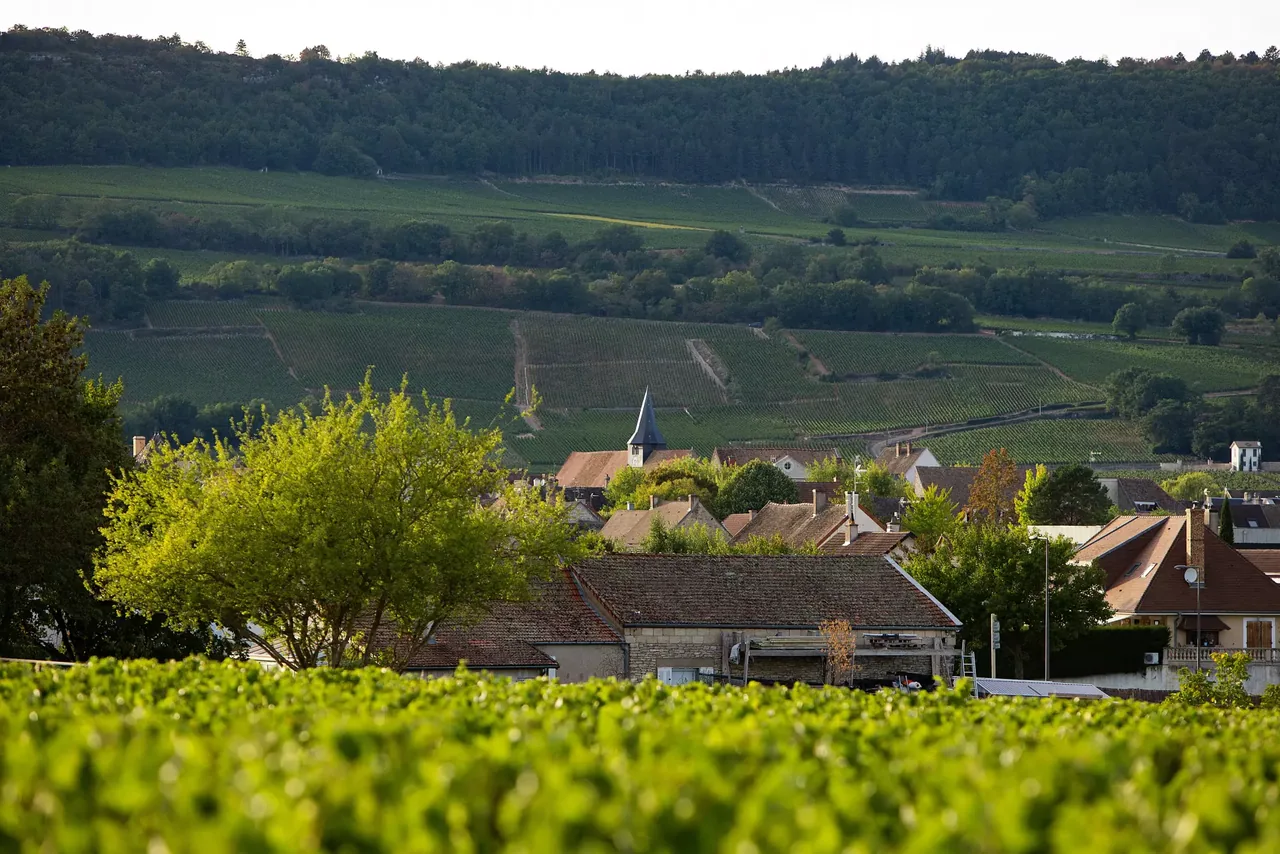
Photograph across the middle of this page: Domaine Leflaive press photograph by Serge Detalle, © Serge Detalle, via Domaine Leflaive press room. Cropped, resized and colour-adjusted for this page.