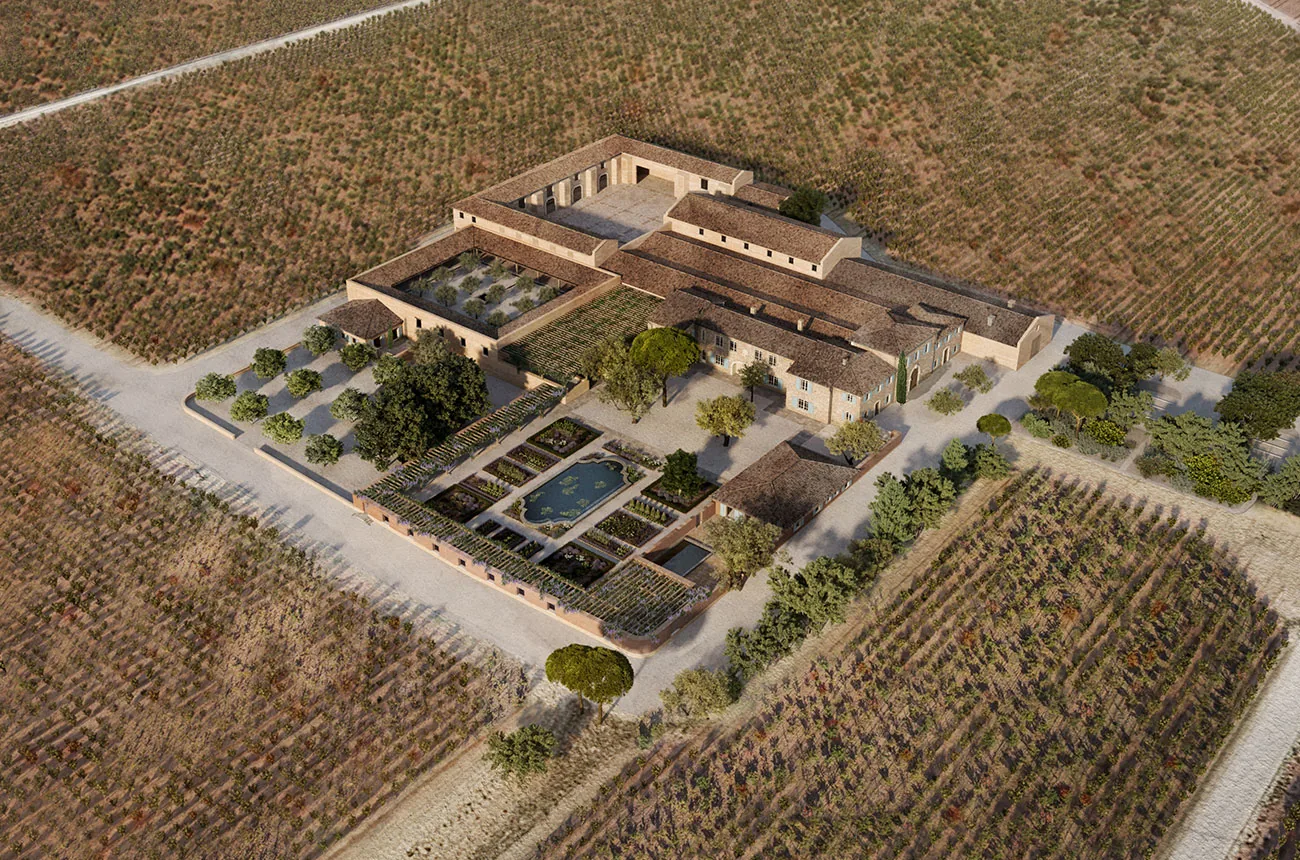
Château de Beaucastel
The Free Bacchus Story
When synthetic chemical treatments first became widely available to French agriculture after the war, they were not controversial. They were a relief — an answer to mildew, to rot, to the wet July that could take an entire harvest. Almost everyone adopted them, and for entirely defensible reasons.
Jacques Perrin looked at them and said no. Beaucastel has been farmed without synthetic chemistry since around 1950, and the family is candid that the decision was regarded at the time as backwards rather than visionary. It was not a conversion, in the way most estates use that word. It was a founding condition, maintained through four subsequent generations without interruption, and without ever being made the centrepiece of how the estate sells its wine. The family's own formulation is that a wine must be good first, and if it happens also to be organic, so much the better.
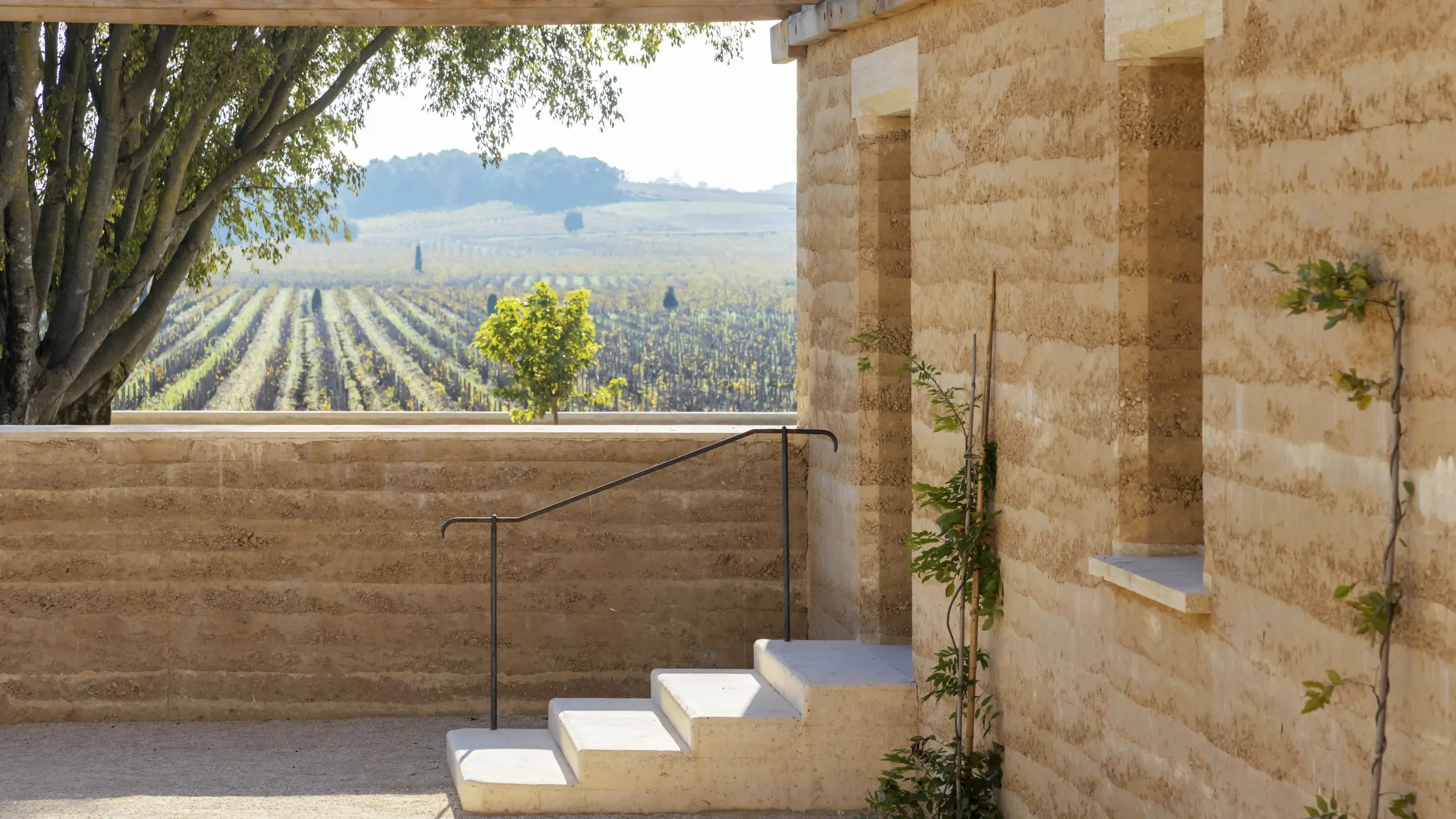
The other distinctive thing about Beaucastel predates the farming question entirely. It is one of the few estates in Châteauneuf-du-Pape to use all thirteen permitted grape varieties in its blend, a choice that reflects a belief that diversity in the vineyard produces resilience a single variety cannot. The soils help: the large rounded galets roulés lying over clay and sand absorb the day's heat and release it through the night, a thermal dynamic that defines the appellation and that this kind of farming preserves rather than overrides.
Jacques Perrin planted varieties nobody wanted, Mourvèdre and Counoise, because they made a better blend rather than an easier sale. That unfashionable choice is now the estate's signature.
The Hommage à Jacques Perrin is among the most celebrated wines made anywhere in the southern Rhône. There is also a long-range consequence worth knowing about: in 1989 the Perrins went looking, with the Haas family, for limestone in California, and the estate they planted from Beaucastel cuttings became Tablas Creek. A refusal made in Provence in 1950 is still travelling.
“…at Beaucastel there’s a respect for tradition and what’s been done before…”
Why it’s remarkable
Free Bacchus Verification
Ecocert France organic
Certified1
- Ecocert France organic, FR-BIO-01, engaged 27 October 1997
Also on record1
- Biodynamic practice since 1974: the farming company is listed on Demeter France’s member register, with no certificate date published
If you’re buying
Cheat sheet
Save it to your phone. Everything you need to recognise this producer, and three things worth saying about it, at a glance in a shop or across a table.