Skip to content
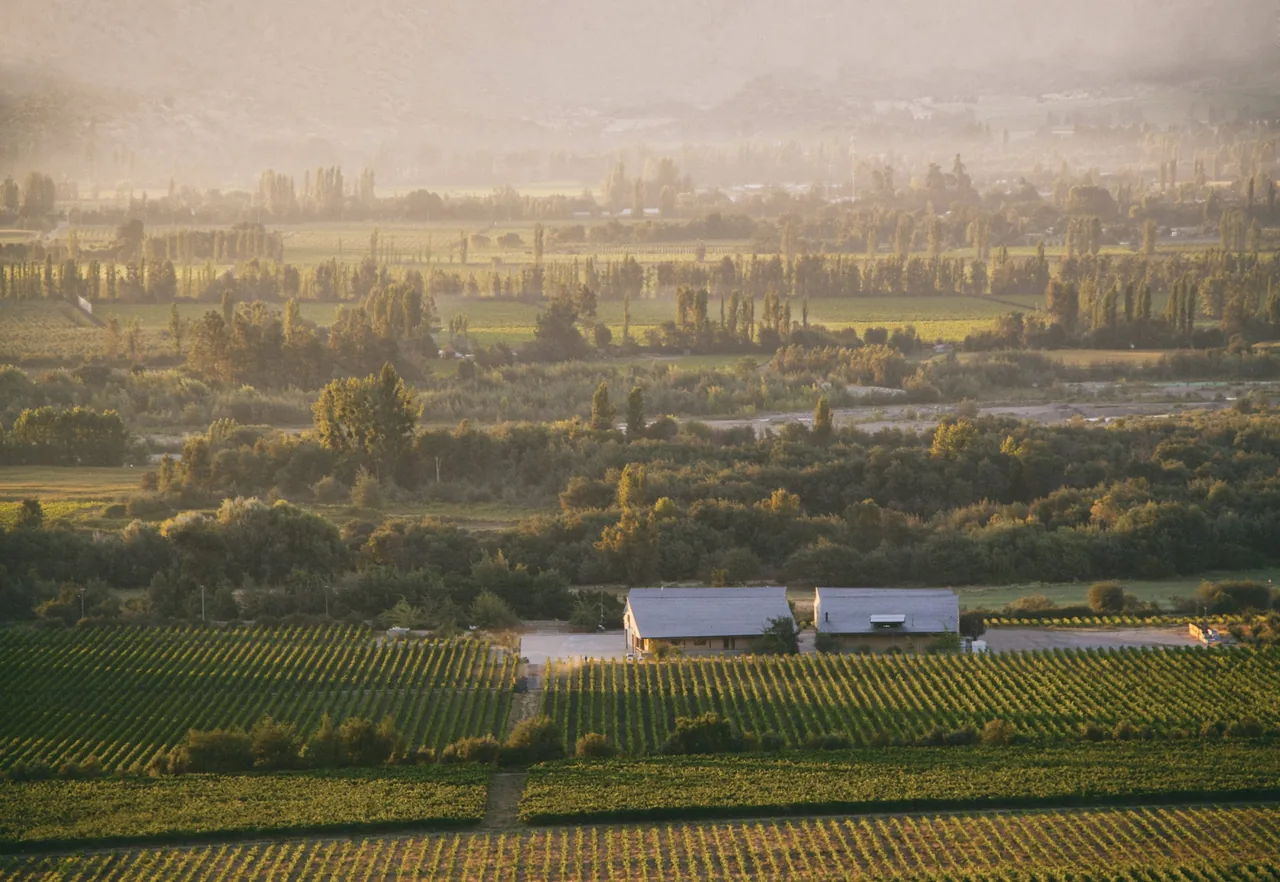
Two grey-roofed buildings among vine blocks in a misty valley at golden hour, with rows of poplars and fields beyond
Colchagua, Casablanca, Maipo and three more valleysChileOrganic / Biodynamic Wine (partial)

Emiliana Organic Vineyards

eh-mee-lee-AH-na
Gold TierTypically Under $45
Last verified · August 2026

The received wisdom is that biodynamic farming only works at small scale — that the attention it requires cannot be sustained across large acreage. Emiliana manages more than 1,000 hectares of vineyard organically, from Limarí in the north to Bío-Bío in the south, which makes it a useful test of that assumption.

Organic certification covers the whole operation. Demeter's biodynamic certification covers named estates, Los Robles in Colchagua among them, and there the full programme runs: the six plant preparations, composting, cover crops and animals worked into the soil's fertility. Doing that at volume is a management problem rather than an agronomic one, and it is the management that usually defeats people.
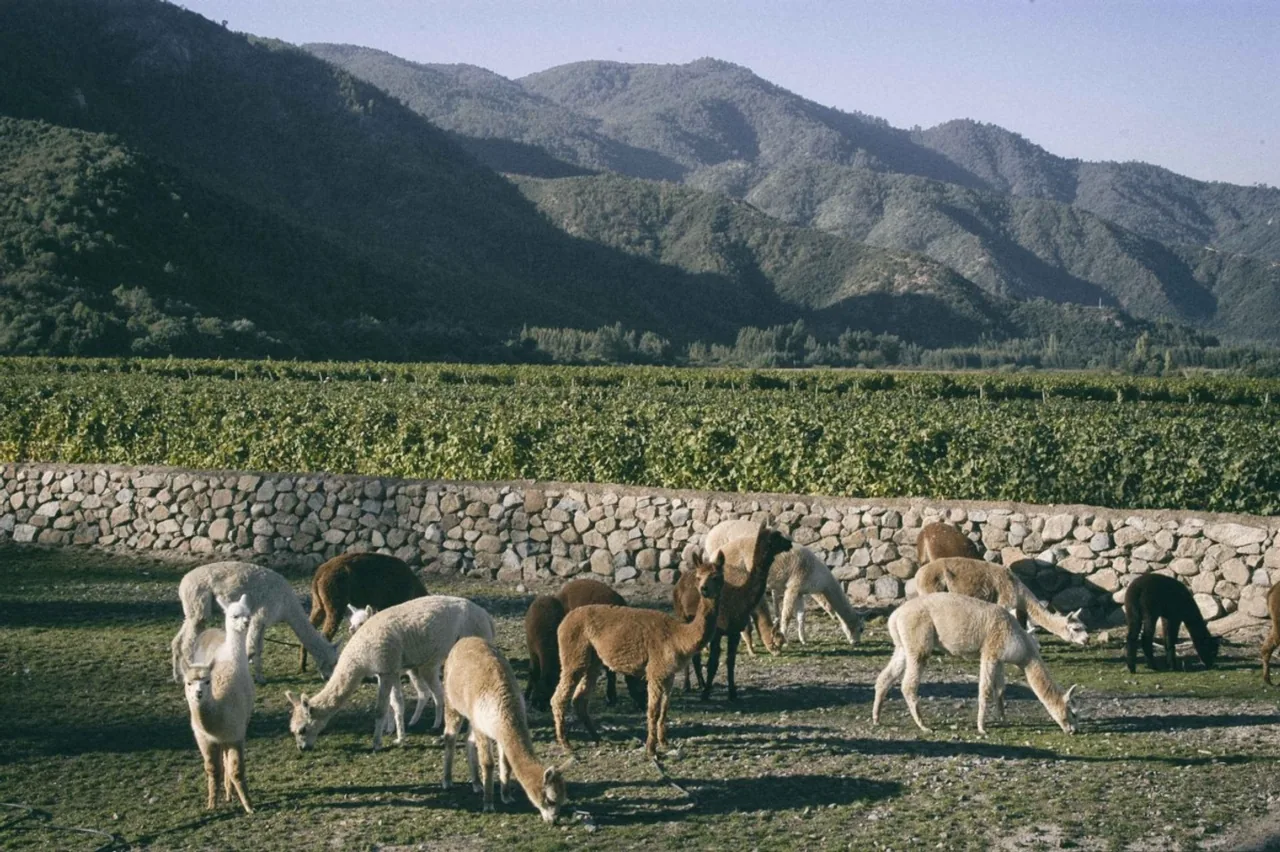
A herd of alpacas grazing in front of a stone wall and a vineyard, with forested mountains behind

Five bodies audit five different things here, and none of them substitutes for another: organic through IMO from 2001, with Ecocert holding the certificate today; biodynamic through Demeter from 2006; carbon neutral through TÜV SÜD in 2009; Fair Trade through FLO in 2011; and Regenerative Organic Certified in 2023.

Coyam, the flagship, is a Syrah- and Carmenère-led blend from Los Robles; its 2021 vintage drew 97 points from Joaquín Hidalgo at Vinous, and it marks the ceiling of what the farming produces here. The Adobe range is made from the same certified organic grapes at around US$13 a bottle, which makes it one of the strongest arguments available that certified organic wine need not be a premium purchase.

The quality at the top of the range is what makes the commitment credible across the rest of it.

“I experienced firsthand the dangerous effects created by synthetic products used in farming.”
José GuilisastiFounder, on why the estate stopped spraying, 2024 · Organic Authority

Why it’s remarkable

1998
the conversion started — biodynamic certification came eight years later
Organic and biodynamic development began in 1998; Demeter certification followed in 2006, which the estate records as the first in Chile and Latin America. Eight years is the honest length of a conversion nobody photographs.
Five bodies
audit five different things, and none of them substitutes for another
Organic through IMO from 2001, with Ecocert holding the certificate today; biodynamic through Demeter from 2006; carbon neutral through TÜV SÜD in 2009; Fair Trade through FLO in 2011; and Regenerative Organic Certified in 2023. Farming, climate accounting and labour conditions are separate audits with separate registers.
2009
the year the flagship itself was certified biodynamic
Coyam was certified biodynamic eleven years after the conversion began. The estate’s certifications are dated per wine and per standard rather than applied to the whole company at once.
‘Largest’
is a press description, and we have not verified it
Emiliana is widely described in the press and by retailers as the world’s largest organic winery. Its own site claims only to be ‘one of the most relevant organic and biodynamic wineries in the world’. We have found no register against which the superlative can be checked, so we do not repeat it as a fact of ours.
Independently certified, and checked against the issuing body’s own register. Not a compromise on quality — see how we verify.

Free Bacchus Verification

Track A
Formal third-party certification, confirmed against the issuing body’s own register.

Ecocert USDA NOP organic · Demeter biodynamic, named estates

Certified2
  • Organic: Ecocert SAS for the USDA National Organic Program (NOP), operation 7880000108 (Viñedos Emiliana S.A.), certified since 2 April 2018 across 2,756 acres — vineyards and winery
  • Biodynamic: Demeter International, DI-25023 (Bodegas Los Robles, Las Palmeras and Maipo) and DI-28321 (the farms) — named estates, not the whole operation
Also on record1
  • Under the US programme the wines, Coyam included, are certified as made with organic grapes rather than carrying the organic seal
Re-verified annually against the issuing body’s register. How re-verification works
The producer’s own siteemiliana.cl
Producers don’t pay to be here. There is no fee to be listed and no way to buy a higher tier. If the evidence doesn’t hold, the bottle isn’t here.
Flagship
Coyam
Best award
Regional Trophy, Novas Winemaker Selection 2006 · Decanter World Wine Awards 2007

If you’re buying

Price
Around US$30 for the flagship bottling. Approximate, and it moves with vintage and market.
Drinking now
Coyam drinks well on release and will keep for five to ten years.
Serving
Serve at 16–18°C. Decant for 30 to 60 minutes if the bottle is young.
Availability
Generally obtainable through specialist retailers.
Tastes like
Coyam is a warm, spicy red blend — blackberry, black pepper and a savoury edge. Generous without being heavy.
Pairs with
Grilled red meat or slow-cooked lamb.
Price bands are approximate and move with vintage, market and region. They are a guide, not a quotation.

Cheat sheet

Save it to your phone. Everything you need to recognise this producer, and three things worth saying about it, at a glance in a shop or across a table.

From the Journal

12 verified producers in Chile →
← Domaine VacheronThe Verification StandardFour Pillars Gin →

More Verified Houses · Chile

Where to go next

Three more from the cellar, chosen by what is in the glass rather than where it is from.

Paxton WinesRed · Australia Weingut Gernot & Heike HeinrichRed · Austria Château Le PuyRed · France
↑