Skip to content
Four Pillars Gin
HealesvilleYarra ValleyVictoriaAustraliaSpirits

Four Pillars Gin

four PILL-ers · Healesville is HEELS-vil
Gold Tier
Last verified · August 2026
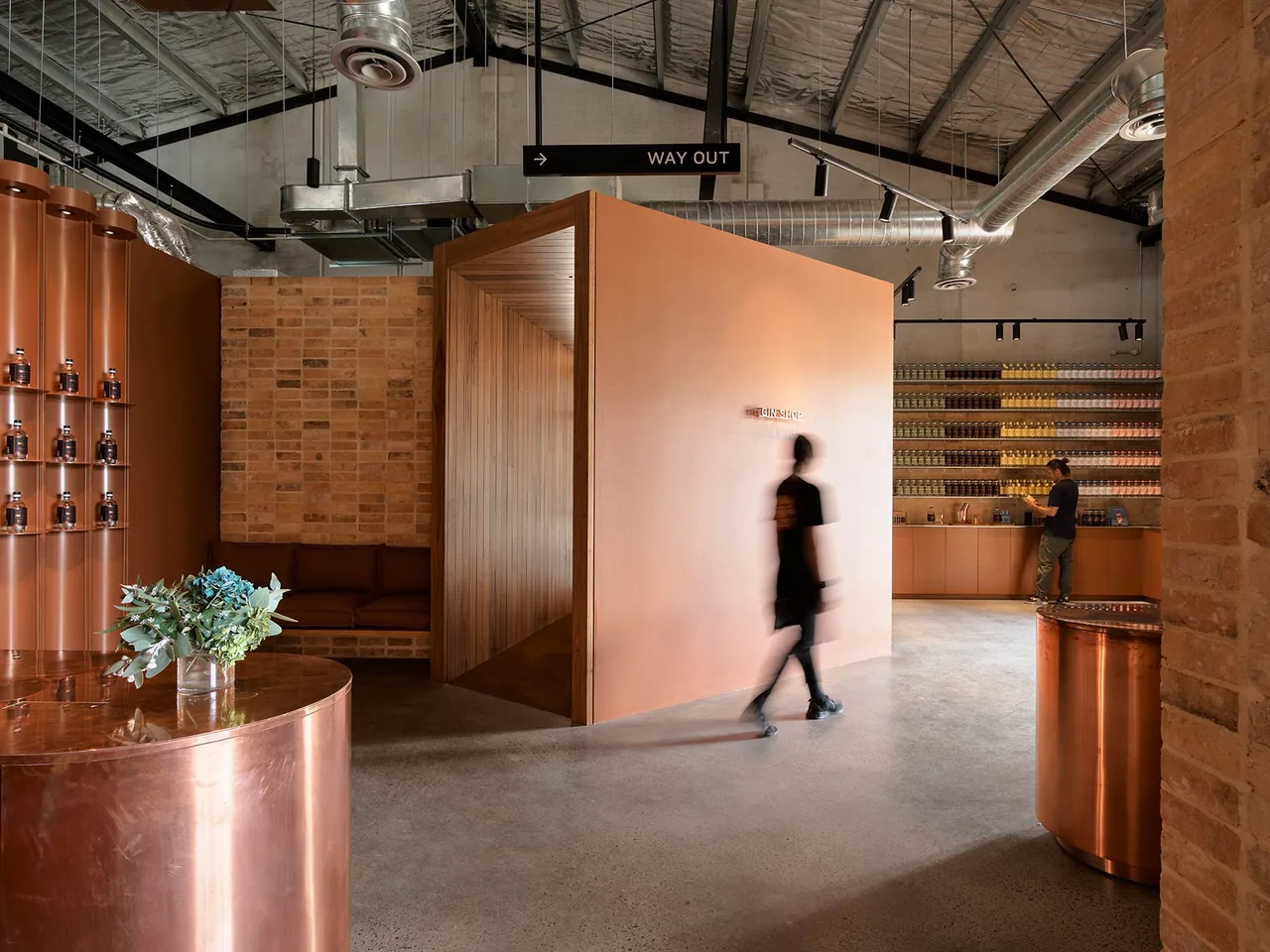
Four Pillars Distillery, Healesville, in the Yarra Valley, Victoria.

The oranges in Four Pillars gin are grown for Four Pillars. Not bought on the open market, not sourced by a broker — grown specifically for the distillery, which is the sort of detail that turns a sourcing claim into something a person could actually go and check.

Established in 2013 in the Yarra Valley by Cameron Mackenzie, Matt Jones and Stuart Gregor, it has become the most internationally distributed Australian craft gin, built on botanical sourcing discipline rather than scale. Gin is a useful category for this, because it is the one clear spirit legally required to taste of something: the botanicals cannot be refined away, so the farming behind them arrives in the glass whether or not anyone intended it to.
Four Pillars Gin
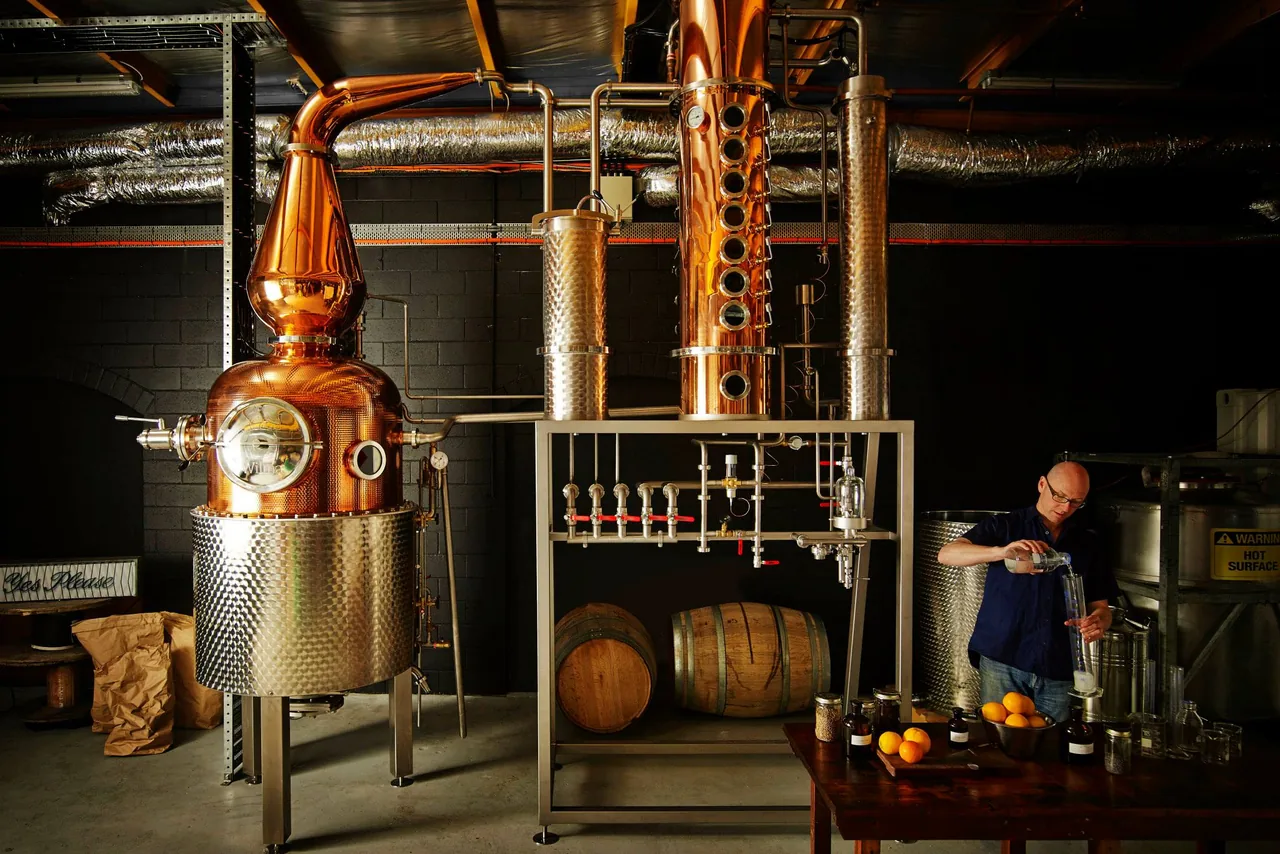
Distilling in the Yarra Valley since 2013; the Rare Dry Gin goes into the still with whole fresh oranges.

The Rare Dry Gin uses Tasmanian pepperberry alongside juniper, cardamom and lavender, and B Corp certification covers the whole operation: sourcing, energy, supply chain, worker welfare. It has drawn 95 points from Decanter and Best Contemporary Gin at multiple international competitions. The Bloody Shiraz Gin, made by macerating Yarra Valley Shiraz grapes, is the more idiosyncratic bottle and has found an audience among people who do not otherwise follow Australian spirits.

Rare Dry Gin is distilled with whole fresh oranges. The spent fruit used to go in the bin; since 2015 it has gone into marmalade instead, 25,000 jars of it.

What we take from Four Pillars is that international distribution and sourcing discipline are not in tension. Growing your own citrus does not scale easily, and they did it anyway while getting considerably larger.

“Distilling uses a lot of energy, glass and waste, we recognise that.”
Cameron MackenzieCo-founder and distiller, on what gin-making actually costs, 2022 · SmartCompany

Why it’s remarkable

Botanicals only
the organic sourcing does not make this a certified organic distillery
Four Pillars buys organic botanicals, but neither the distillery nor the finished gin carries organic certification. Its B Corp status sits with Lion, the parent company, rather than with the distillery on its own. Both distinctions matter if you are buying on the strength of the words.
25,000 jars
of marmalade, made from oranges that had already been used once
Rare Dry Gin is distilled with whole fresh oranges. The spent fruit used to go in the bin; since 2015 it has gone into marmalade instead — 25,000 jars in a twelve-month period, on the company’s own count in 2022.
80,000 litres
of fresh water saved by 1,650 metres of copper tube
The 2022 distillery rebuild replaced water cooling with a copper heat-exchange loop doing the same job on a fraction of the water. The building itself uses recycled and upcycled concrete brick.
800kg
of glass a week that never gets made, because you refill the bottle
The gin-on-tap refill service at Healesville began as a trial and became permanent. The figure is the company’s own, published in 2022 — which at least means somebody can check it.

Free Bacchus Verification

Track B
Verified chemical-free practice, corroborated independently where formal certification is not held.
Re-confirmed annually against the three conditions for Track B listing. How re-verification works
Flagship
Rare Dry Gin
Best award
World's Best Gin · Decanter WWA

If you’re buying

Price
Around US$45 for the flagship bottling. Approximate, and it moves with vintage and market.
Drinking now
Rare Dry Gin is the one to start with. Gin does not improve in the bottle — buy it to drink, and finish an open bottle inside a year.
Serving
Over plenty of ice with a light tonic and a wedge of orange rather than lime. Neat at room temperature if you want to taste the spirit itself.
Availability
Generally obtainable through specialist retailers.
Tastes like
Bright and citrus-led rather than juniper-heavy — whole oranges go into the still and you can taste them.
Pairs with
Smoked salmon, oysters, or salted crisps with a slice of orange in the glass.
Price bands are approximate and move with vintage, market and region. They are a guide, not a quotation.

Cheat sheet

Save it to your phone. Everything you need to recognise this producer, and three things worth saying about it, at a glance in a shop or across a table.

← Emiliana Organic VineyardsThe Verification StandardHusk Distillers →

More Verified Houses · Australia