Jasper Hill
The Free Bacchus Story
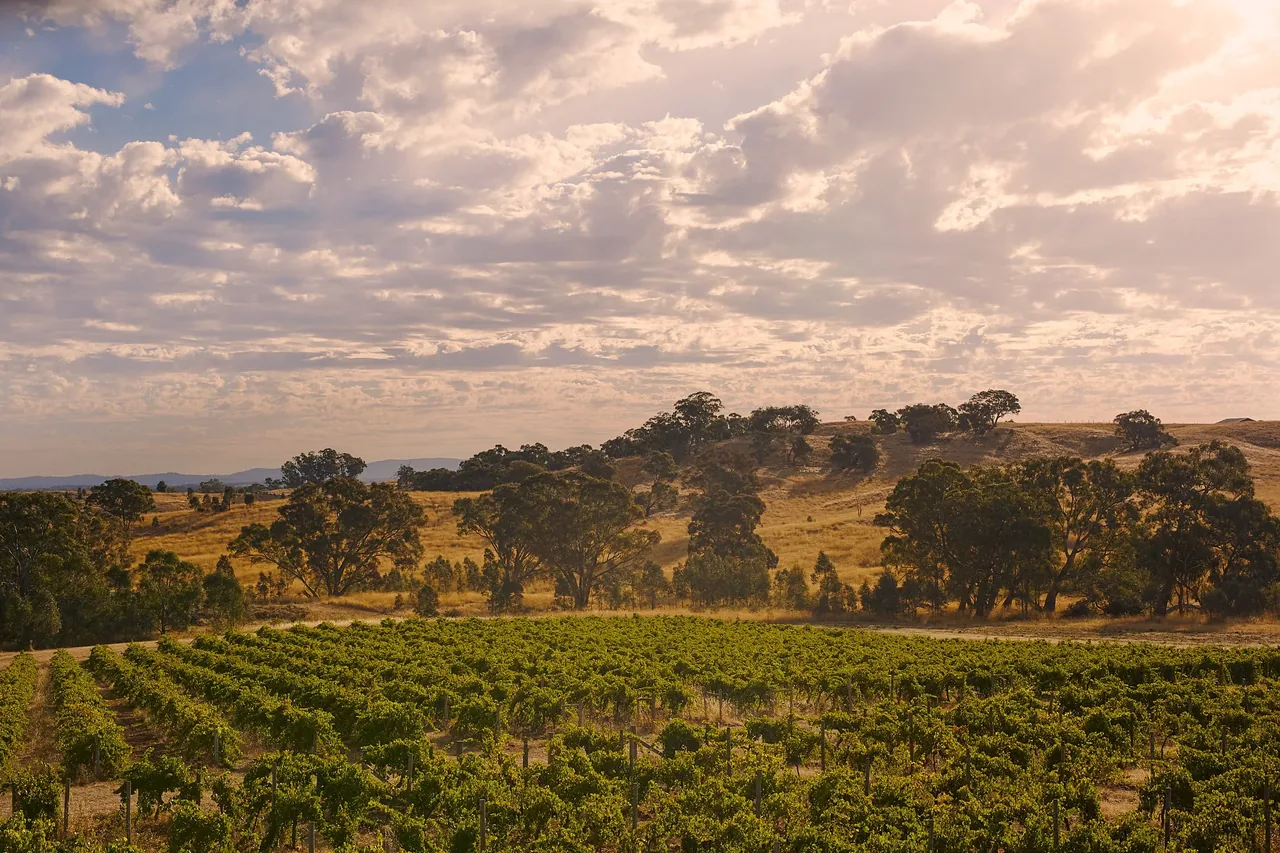
The greenstone under Jasper Hill is Cambrian — around 500 million years old, a geological formation that produces Shiraz noticeably denser and more mineral than the warmer Barossa and McLaren Vale styles.
Ron Laughton planted the first vines on it in 1975 and has never used synthetic chemistry, from the first vintage onward. The estate operates without formal certification on documented philosophical grounds, a long-held position that the regulatory apparatus adds nothing to what the farming already does. Under our standard that is Track B: verified chemical-free practice with a named, documented reason for non-certification, confirmed by multiple independent sources including detailed critic visits across decades. Fifty years of the same soil management is its own kind of evidence.
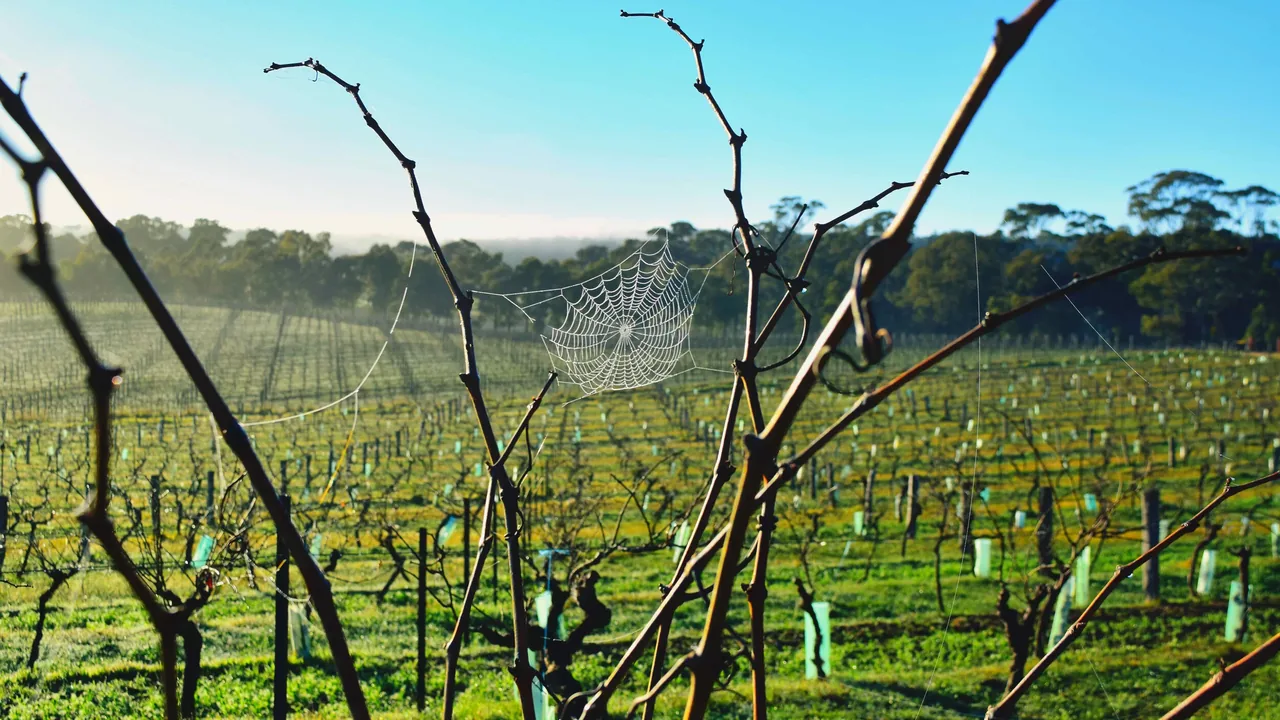
Emily's Paddock, a Shiraz-Cabernet Franc, has drawn 99 points from James Suckling. Georgia's Paddock, named like Emily's for one of Laughton's two daughters, is the slightly more structured and longer-lived expression of the same greenstone. Both come from dry-farmed vines that have never been irrigated, which in Heathcote's dry summers produces exactly the kind of controlled vine stress this farming rewards.
The Grenache burned in 2012 and was never replanted. The estate records the loss on its own site rather than quietly filling the gap.
This is one of the clearest cases in Australian wine of a finished product being inseparable from decisions taken fifty years earlier, by someone who had no way of knowing whether they would be vindicated.
“I’m being pressurised into being certified to be ‘clean’. It’s all topsy-turvy.”
Why it’s remarkable
Free Bacchus Verification
Verified chemical-free practice since 1975 founding
Verified practice1
- Verified Chemical-Free Practice since 1975 founding
Also on record1
- Philosophical objection to certification
If you’re buying
Cheat sheet
Save it to your phone. Everything you need to recognise this producer, and three things worth saying about it, at a glance in a shop or across a table.