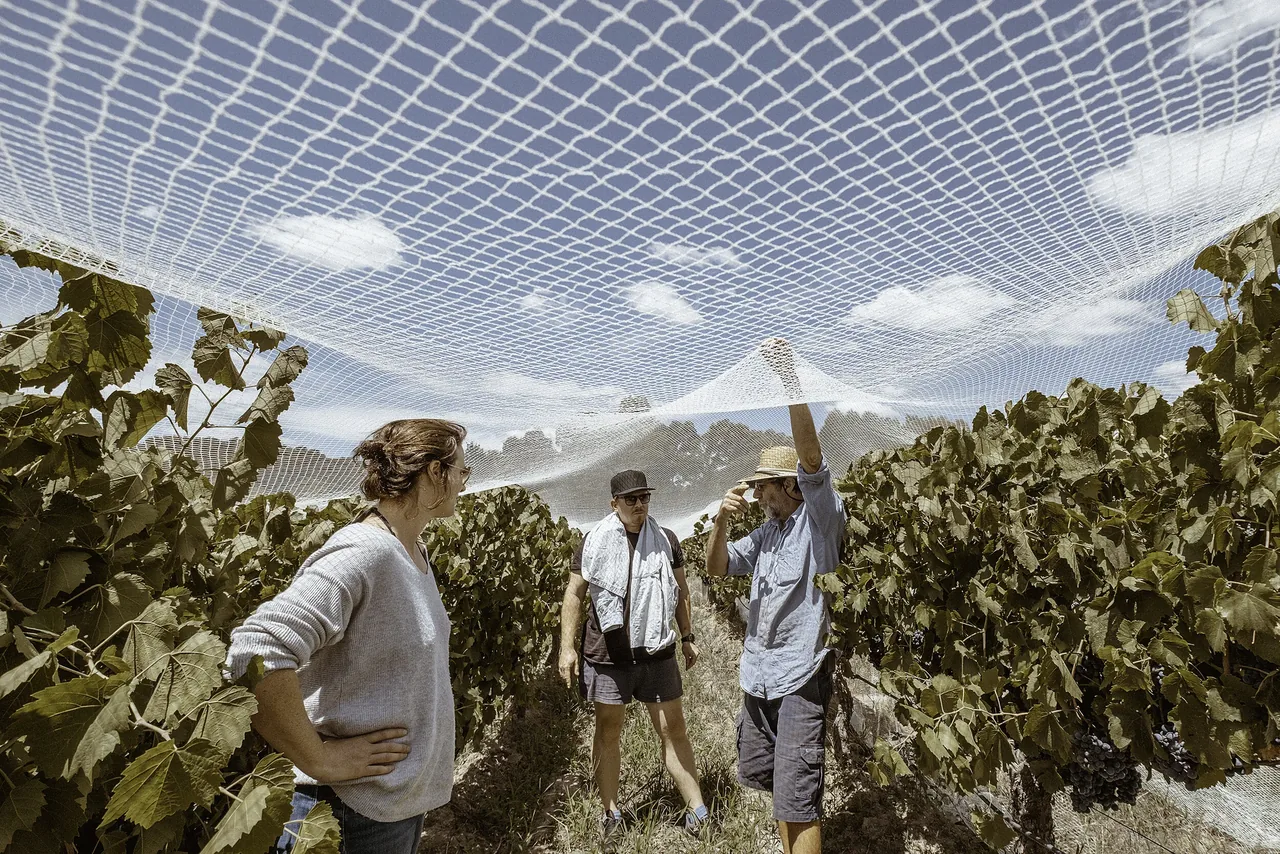
Sorrenberg
The Free Bacchus Story
Less than five hectares of vines, worked by two people, in a Victorian gold-rush town that had attracted almost no serious viticulture before they arrived.
Barry and Jan Morey established Sorrenberg in Beechworth in 1986 on granite and quartz soils in a cool continental climate, and planted Chardonnay, Sauvignon Blanc, Gamay and Cabernet Franc, none of which were the varieties driving Australian wine in the 1980s. They farmed without chemicals, with the attentiveness a genuinely small operation allows, and produced wines whose precision and longevity the domestic market took years to catch up with while a small international following had already worked it out.
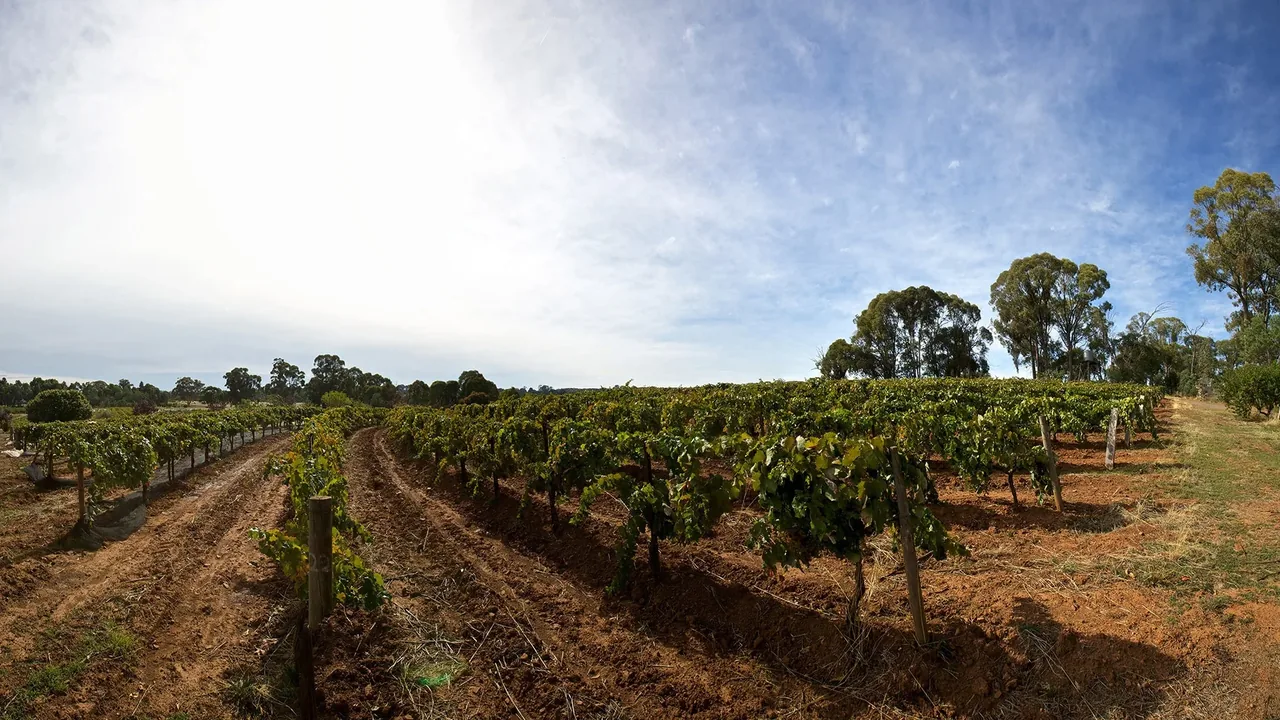
The estate publishes its own certification on its website: “Certified Demeter by the Biodynamic Research Institute. Certification Number: 688.” The Institute’s register agrees, down to the number: Sorrenberg Vineyard (Morey, B & J), Victoria, certificate 688, National Standard Demeter Bio-Dynamic, listed for wine grapes, primary production and processing. What the register does not say is how much of the estate that covers, and it publishes no dates at all, so the year they started cannot be checked either way. Jancis Robinson has awarded the wines 96 points. The Chardonnay is the most cited: precise, restrained, mineral in the way cool-climate Australian Chardonnay manages when yields are low. The Gamay is an outlier in Australian wine and is better for being one.
The Gamay went in on a friend's suggestion. An unfashionable grape from a vineyard nobody had heard of was a hard sell in Australia at the time, and Sorrenberg is now one of the names the variety is known by here.
This is an estate the trade knows and discusses quietly, without making enough noise to increase the difficulty of buying it. We are aware of the irony in writing about it.
“Gamay was a bit of pot luck.”
Why it’s remarkable
Free Bacchus Verification
Demeter, Bio-Dynamic Research Institute
Certified2
- Demeter, Bio-Dynamic Research Institute: “Sorrenberg Vineyard (Morey, B & J)”, certificate 688, National Standard Demeter Bio-Dynamic
- Listed for wine grapes, primary production and processing
Also on record1
- Scope: that the certificate covers the whole estate is inferred, not stated on the register
If you’re buying
Cheat sheet
Save it to your phone. Everything you need to recognise this producer, and three things worth saying about it, at a glance in a shop or across a table.