Skip to content
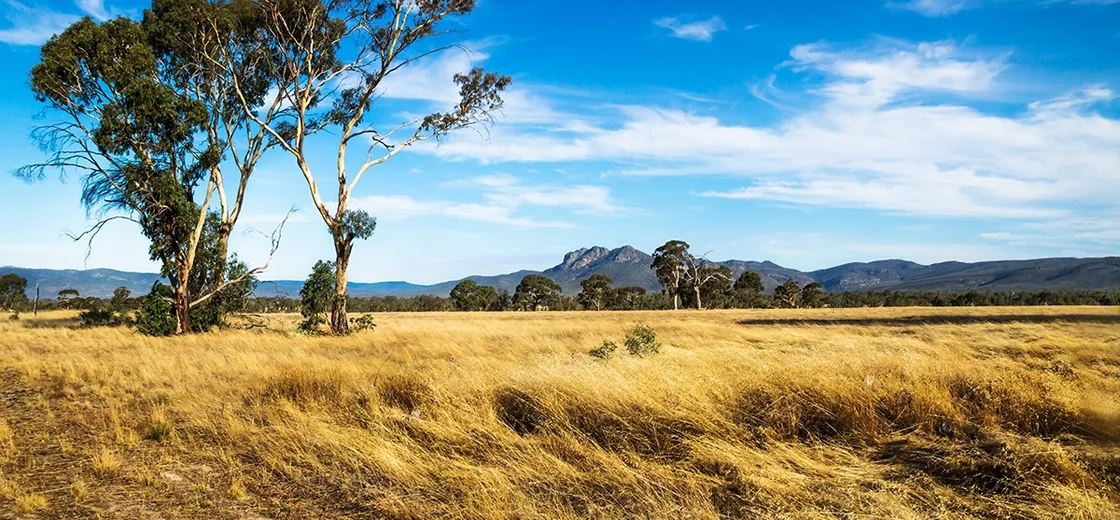
Four kangaroos crossing a dirt track through dry grass at dawn, gum trees and mist lying in the valleys behind

Free Bacchus Country Guide·Australia

One per cent of Australian vines
is certified organic. These are some of it

Australia holds 1.08 per cent of the world’s organic vineyard area, eleventh of any country, on Wine Australia’s figures. About 150 wineries hold organic certification, roughly one in ten. In a country this large that is a small number of people who decided to farm differently and then went and proved it.

What this guide is for

A country at a time: the major wine regions of the world, what the ground and the weather do to what is grown in them, and which growers inside them we have verified. None of it is settled. Growing seasons are shifting, and the chemistry most vineyards reach for to hold steady against that is made from fossil fuels and takes energy to manufacture — while a warmer, wetter season brings more disease, and more disease brings more spraying. Every estate on these pages farms without synthetic pesticides. That is what their certification means, and it is the part we check.

The ground

There is no Australian climate

Margaret River is on the south-western corner and the Hunter Valley is north of Sydney, and between them is about the same distance as Lisbon to Kyiv. This list runs the whole way. There is no Australian climate: there is a Mediterranean corner in the west, high Riesling country at Clare, a warm strip running to the coast south of Adelaide, a cigar of red soil on limestone at Coonawarra, cool hills an hour from Melbourne, an island in the Southern Ocean, and a humid subtropical valley that by rights should not grow wine at all.

Where they are INDIAN OCEAN CORAL SEA SOUTHERN OCEAN Perth Adelaide Melbourne Sydney Brisbane Barossa Valley Margaret River McLaren Vale Hunter Valley Yarra Valley Coonawarra Clare Valley Adelaide Hills Tasmania Mornington Peninsula Eden Valley Heathcote Beechworth Mudgee Henty
Boundary from public-domain country data, simplified for the web and corrected for latitude so the shape is not stretched. Tasmania is drawn because one of these regions is on it. Five of the markers sit almost on top of each other behind Adelaide, which is where most South Australian wine is grown. A hollow marker is a region this guide covers where nothing has been verified yet.

Of the vineyard, certified organic1.08%

What is unusual is how little of it is certified. Australia holds 1.08 per cent of the world’s organic vineyard area and ranks eleventh for it, on Wine Australia’s own figures. That is a share of the world’s organic vineyard, not of Australia’s own, which Wine Australia does not publish. The figure that reads straight is the wineries: about one in ten holds organic certification, where a quarter of the Austrian vineyard is certified and 22.6 per cent of the Italian. The units are not the same, but the order of magnitude is not close. A buyer here cannot assume the certificate is the industry norm.

That cuts the other way for anyone reading a label. In a country where a quarter of the vineyard is certified, the mark tells you a producer is ordinary. Where roughly one winery in ten holds it, it tells you they went out of their way. About 150 Australian wineries do, and they are mostly small.

A Rare Mark

The marks here are Australian Certified Organic, Southern Cross Certified and Demeter. Track B is the alternative for an estate that farms clean and does not hold a certificate: verified practice, corroborated independently, with a documented reason for not certifying. It is deliberately the harder of the two to qualify for.

State by state

Fifteen regions, three thousand kilometres apart

Barossa Valley, Australia

Barossa Valley

The one everybody has heard of. Warm, low and dry, settled by Silesian Lutherans in the 1840s, and holding some of the oldest continuously producing vines anywhere on earth — phylloxera never reached this state, so nothing here was ever pulled up and replanted on American rootstock. Shiraz grown on those old vines is the region’s whole reputation: dark, thick, sweet-fruited.

5 verified producers here.
Margaret River, Australia

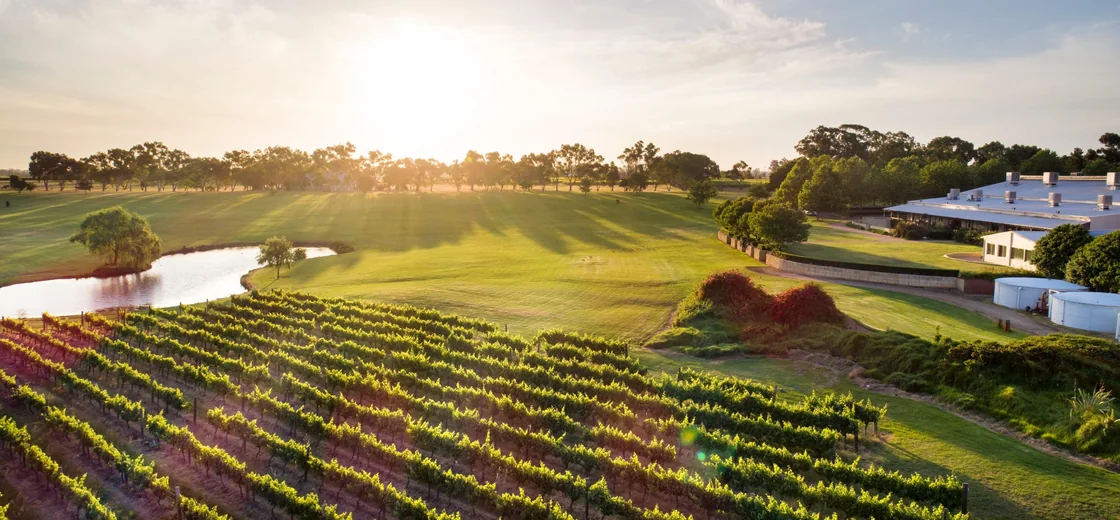
Margaret River

A strip of land between two capes in the far south-western corner, about as isolated as fine wine gets. Ocean on three sides holds the temperature in a narrow band all season, which is why the reference points here are Bordeaux grapes rather than the warm-climate styles the rest of the country is known for: Cabernet with real structure, and Chardonnay that has been the national benchmark for decades.

2 verified producers here.
McLaren Vale, Australia

McLaren Vale

Down to the coast south of Adelaide: warm and dry with a sea breeze arriving most afternoons, and quietly the most organically farmed district in the country. Grenache and Shiraz do the heavy lifting, and some of the Grenache is very old bush vine. Both estates on this page are here, which is not a coincidence — certification clusters where somebody starts it.

3 verified producers here.
Hunter Valley, Australia

Hunter Valley

The oldest continuously worked wine region in the country, planted in the 1820s, and by any sensible measure it should not work: subtropical, humid, and it rains at harvest. What it does anyway is Sémillon — picked early, low in alcohol, austere and almost blank when young, then kept a decade until it turns to toast and lanolin. There is nothing else like it anywhere.

2 verified producers here.
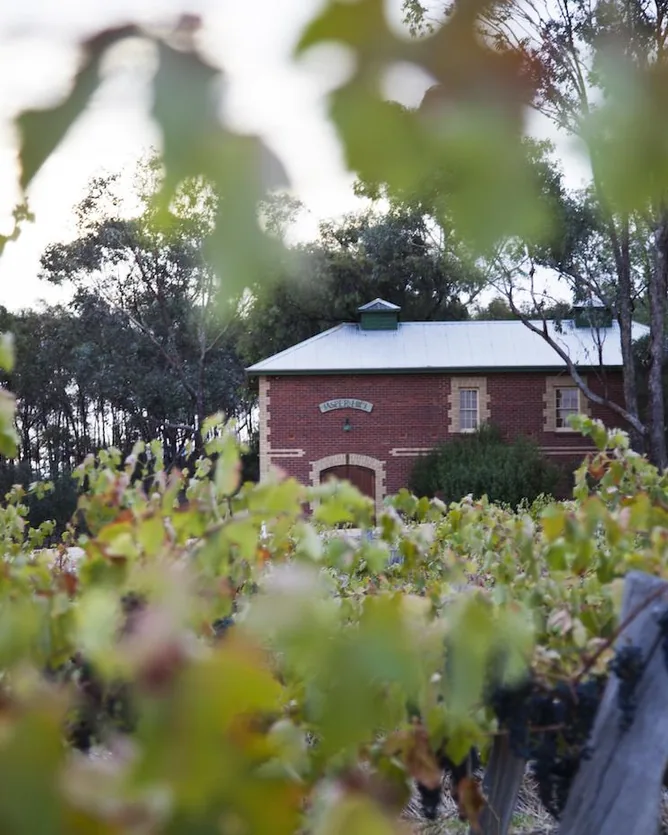
Yarra Valley, Australia

Yarra Valley

An hour east of Melbourne, cool and wet by Australian standards, and the country’s most convincing answer to Burgundy. Pinot Noir and Chardonnay are what it is for, both made in a lighter and more nervous style than the rest of the mainland manages. It was planted in the 1830s, abandoned entirely by 1937, and replanted from scratch in the 1960s.

No verified producer here yet.

Coonawarra, Australia

Coonawarra

A flat cigar of red soil twelve kilometres long and under two wide, sitting on limestone in the far south-east, and one of the few Australian regions defined by its dirt rather than its weather. Terra rossa over limestone, and Cabernet Sauvignon grown on it that tastes of blackcurrant and eucalypt and nothing else in the country. The boundary dispute over who is on the red soil went to court.

No verified producer here yet.

Clare Valley, Australia

Clare Valley

A narrow valley north of the Barossa, high enough that the nights come off cold even in a hot week, and the home of Australian Riesling. Bone dry, limey, built to age fifteen years and to go from lime to toast while it does. Clare growers were also the ones who moved the country to screwcap in 2000, in a bloc, because they were tired of losing bottles to cork.

No verified producer here yet.

Adelaide Hills, Australia

Adelaide Hills

The ridge directly above the city, high and green and often twelve degrees cooler than the plain underneath it. This is where South Australia grows the things the warm districts cannot: Sauvignon Blanc, Chardonnay, Pinot Noir and increasingly the sparkling base for the rest of the state. It is also close enough to Adelaide that a lot of the country’s smaller experimental producers are here.

1 verified producer here.

Tasmania, Australia

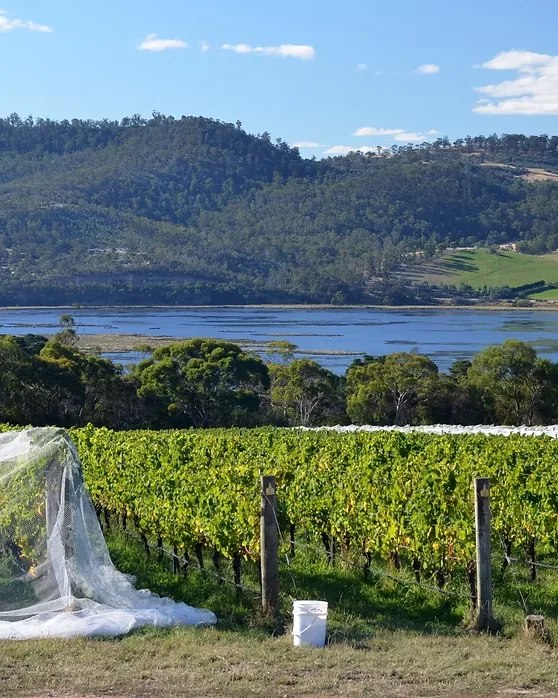
Tasmania

An island in the Southern Ocean, cold and windy, and the coolest ground in Australia that grows grapes at all. That is now an advantage rather than a limitation: it is where much of the country’s serious sparkling wine is grown, and where Pinot Noir and Chardonnay hold an acidity the mainland cannot. Whatever the rest of Australia is warming towards, this is where people are looking.

1 verified producer here.

Mornington Peninsula, Australia

Mornington Peninsula

A thumb of land pointing into Bass Strait south of Melbourne, with water on three sides and nothing warm about it. Pinot Noir and Chardonnay again, in a maritime version — more saline and finer boned than the Yarra’s. Holdings are small, land is expensive because Melbourne holidays here, and almost everything is sold at the cellar door.

No verified producer here yet.

Eden Valley, Australia

Eden Valley

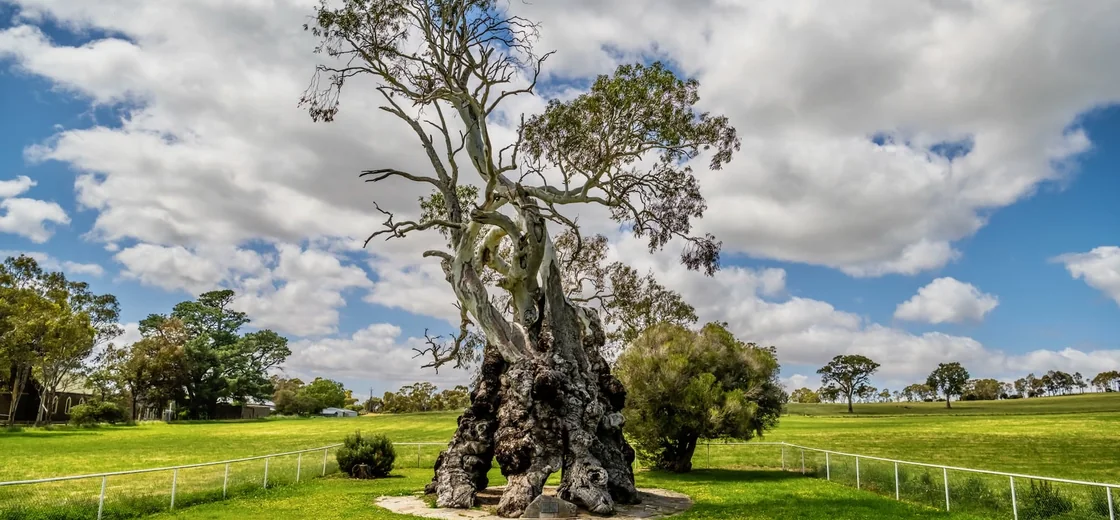
The Barossa’s cold half. Same zone on the map, four hundred metres higher up in the ranges behind it, and a completely different set of wines: Riesling that stays taut for twenty years, and Shiraz with the fruit pulled back and something peppery in front of it. The estate on this page has vines here planted in the 1860s, on their own roots.

1 verified producer here.

Heathcote, Australia

Heathcote

Inland Victoria, on a narrow north-south band of Cambrian greenstone about five hundred million years old, weathered to a deep red. Shiraz grown on it has a different weight to the same grape an hour away — denser, more mineral, slower. It is a small region and most of what makes it is made by a handful of growers who arrived because of the soil.

2 verified producers here.
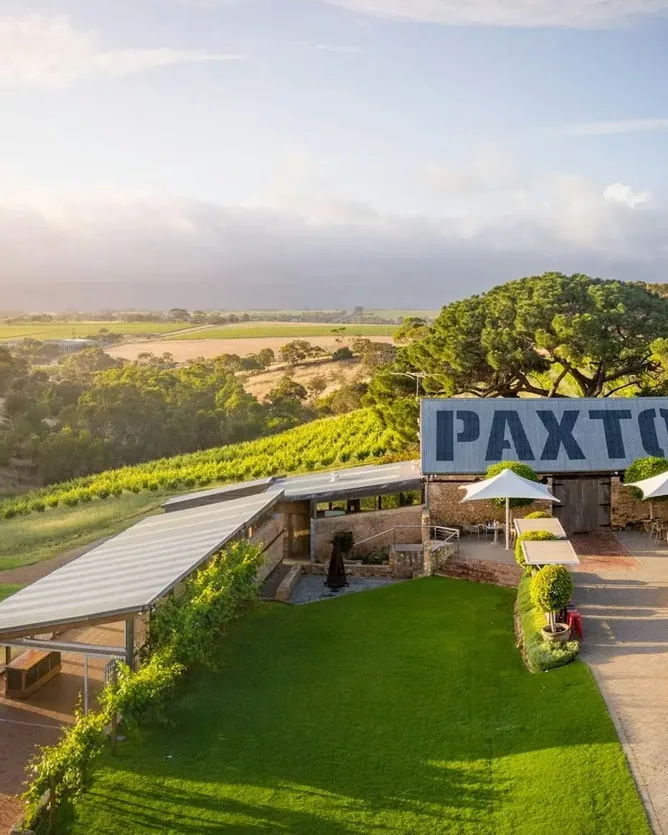
Beechworth, Australia

Beechworth

Up in the hills near the New South Wales border, granite country at four or five hundred metres, and tiny — a few dozen hectares in total. Chardonnay and Shiraz here have a reputation out of all proportion to the volume, and almost none of it leaves the country in quantity. Gold-rush town, cold winters, growers who mostly know each other.

2 verified producers here.
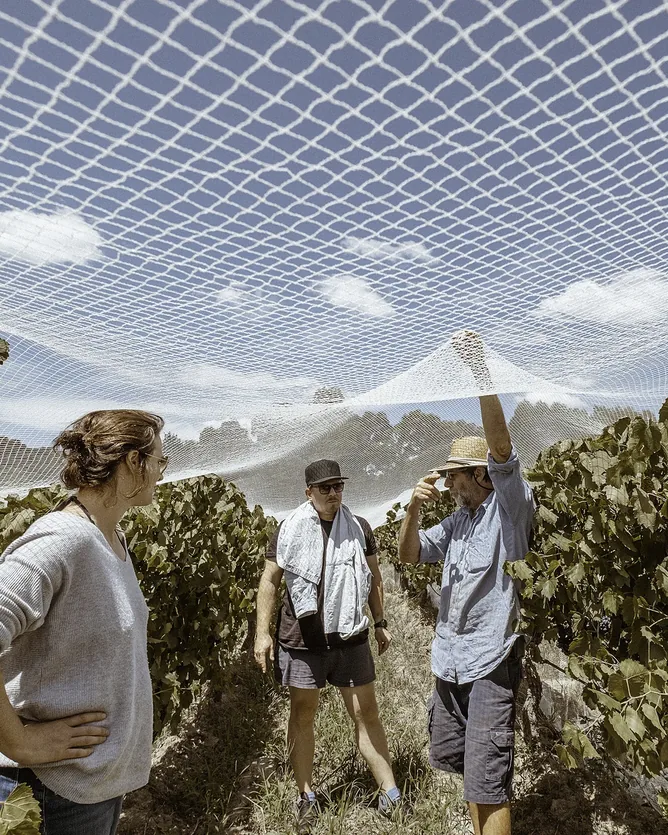
Mudgee, Australia

Mudgee

About 500 metres up in inland New South Wales, continental rather than coastal, which is what keeps the acidity in its reds. The name comes from the Wiradjuri word for a nest in the hills, and wine has been made here since the mid-1800s. Full-bodied Shiraz and Cabernet are its strongest suit, with Italian and Spanish grapes coming up behind.

1 verified producer here.

Henty, Australia

Henty

The far south-west of Victoria, on weathered basalt about seventy kilometres in from a cold coast, and one of the coolest wine regions on the Australian mainland. Karl Seppelt planted the first vines in 1964, and there are still only about 140 hectares. Riesling is the grape it does best.

1 verified producer here.

Margaret River to the Hunter is about three and a half thousand kilometres, and five of these regions are within an hour of Adelaide. Nothing about any one of them predicts the next.

Verified in Australia

21 estates spread across a continent, eleven of them at Gold. Twenty are Track A, certified. One on Track B, verified on practice.

Cullen Wines — verified organic producer in Margaret River, AustraliaGold

Cullen Wines

Wilyabrup, Margaret River, Western Australia
Demeter Biodynamic · Australian Certified Organic
Henschke — verified organic producer in Eden Valley, AustraliaGold

Henschke

Keyneton, Eden Valley, South Australia
not certified: in conversion with Southern Cross Certified
Jasper Hill — verified organic producer in Heathcote, AustraliaGold

Jasper Hill

Heathcote, Victoria, Australia
verified chemical-free practice since 1975 founding
Paxton Wines — verified organic producer in McLaren Vale, AustraliaGold

Paxton Wines

McLaren Vale, South Australia
Australian Certified Organic · Demeter Biodynamic
Sorrenberg — verified organic producer in Beechworth, AustraliaGold

Sorrenberg

Beechworth, Victoria, Australia
Demeter, Bio-Dynamic Research Institute
Stefano Lubiana Wines — verified organic producer in Tasmania, AustraliaGold

Stefano Lubiana Wines

Granton, Tasmania, Australia
Demeter Biodynamic Certified
Yangarra Estate Vineyard — verified organic producer in McLaren Vale, AustraliaGold

Yangarra Estate Vineyard

McLaren Vale, South Australia
Australian Certified Organic
Tamburlaine Organic Wines — verified organic producer in Hunter Valley, AustraliaGold

Tamburlaine Organic Wines

Hunter Valley and Orange, New South Wales
Australian Certified Organic (ACO)
Alkina Wine Estate — verified organic producer in Barossa Valley, AustraliaGold

Alkina Wine Estate

Barossa Valley
Southern Cross Certified organic and biodynamic
Kalleske Wines — verified organic producer in Barossa Valley, AustraliaGold

Kalleske Wines

Greenock, Barossa Valley, South Australia
Southern Cross Certified organic and biodynamic
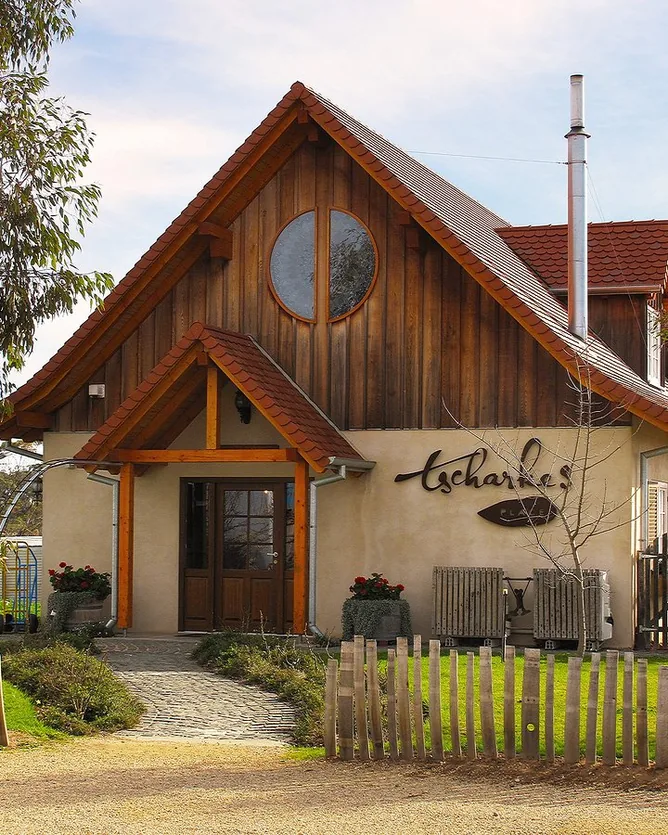
Tscharke — verified organic producer in Barossa Valley, AustraliaGold

Tscharke

Marananga, Barossa Valley, South Australia
Southern Cross Certified organic and biodynamic
Krinklewood Estate — verified organic producer in Hunter Valley, AustraliaSilver

Krinklewood Estate

Broke Fordwich, Hunter Valley, New South Wales
ACO certified organic and biodynamic since 2007
Smallfry Wines — verified organic producer in Barossa Valley, AustraliaSilver

Smallfry Wines

Vine Vale, Barossa Valley, South Australia
Southern Cross Certified organic and biodynamic · Vine Vale vineyard, some wines
Lowe Family Wine Co — verified organic producer in Mudgee, AustraliaSilver

Lowe Family Wine Co

Mudgee, New South Wales
Southern Cross Certified organic · the Tinja farm and named wines
Castagna — verified organic producer in Beechworth, AustraliaSilver

Castagna

Beechworth, Victoria
Southern Cross Certified biodynamic · estate fruit, not the winemaking
Voyager Estate — verified organic producer in Margaret River, AustraliaSilver

Voyager Estate

Margaret River, Western Australia
Southern Cross Certified organic · sparkling and older releases not certified
Carlei Estate — verified organic producer in Heathcote, AustraliaSilver

Carlei Estate

Upper Beaconsfield and Heathcote, Victoria
ACO certified organic · vineyards and named wines
Hayes Family Wines — verified organic producer in Barossa Valley, AustraliaSilver

Hayes Family Wines

Stone Well, Barossa Valley, South Australia
ACO certified organic · the estate wines
Hochkirch Wines — verified organic producer in Henty, AustraliaSilver

Hochkirch Wines

Tarrington, Henty, Victoria
Demeter biodynamic, Bio-Dynamic Research Institute
Ngeringa — verified organic producer in Adelaide Hills, AustraliaSilver

Ngeringa

Mount Barker Summit, Adelaide Hills, South Australia
Southern Cross Certified organic and biodynamic · Summit and Iluma vineyards
Battle of Bosworth — verified organic producer in McLaren Vale, AustraliaSilver

Battle of Bosworth

Willunga, McLaren Vale, South Australia
ACO certified organic

One per cent is the number that matters here. Where certification is normal it tells a buyer very little; where it is this rare, holding one is a decision somebody made and paid for. Every certificate on this page was checked against the register that issued it, and where an estate holds none, its practice was verified instead.
Where the figures come from7
  • Australia ranked 11th in organic vineyard area with a 1.08 per cent share — a share of the world’s organic vineyard area, stated against a global organic share of 7.85 per cent of all vineyard in 2021, and not the organic share of Australia’s own vineyard, which Wine Australia does not publish (The World of Organic Agriculture 2023); just over 150 certified organic wineries, about 10 per cent of all Australian wineries (Australian Organic Limited, Australian Organic Market Report 2021)

    wineaustralia.com ↗
  • Australia's major internationally recognised wine regions: Barossa Valley, Margaret River, McLaren Vale, Yarra Valley, Hunter Valley, Coonawarra, Adelaide Hills, Clare Valley, Mornington Peninsula and Tasmania

    vineyards.com ↗
  • Margaret River to the Hunter Valley is about 3,350 km, within a few kilometres of the distance from Lisbon to Kyiv (3,352 km), by great-circle calculation from the coordinates this page's map uses

    freebacchus.com
  • Mudgee: 'because we're continental, with 500-metre elevation, we've got acidity' (David Lowe, The Buyer, 2017); the name from the Wiradjuri 'Moothi', 'Nest in the Hills', and winemaking since the mid-1800s (Halliday Wine Companion, 'Mudgee magic', 2019); its 'strongest suit is full-bodied reds from cabernet and shiraz', with Italian and Spanish varieties rising (Huon Hooke, Sydney Morning Herald, 25 April 2021)

    winecompanion.com.au ↗
  • Henty: 'one of the coolest of the wine growing regions on the Australian mainland'; 'Viticulture was pioneered in Henty in 1964 by Karl Seppelt'; 139 ha under vine; weathered basalt soils; 'Riesling is the stand-out variety' (Wine Australia). Hochkirch's vineyard 'A mere 70km north of the cold Southern coast' (Hochkirch Wines)

    wineaustralia.com ↗
  • Pesticides are overwhelmingly derived from fossil fuels and their manufacture is energy-intensive, and a warming climate raises pest and disease pressure, which raises pesticide use in turn

    pan-uk.org ↗
  • The loop between the two: emissions from pesticide manufacture and use contribute to warming, and warming drives further pesticide use

    panna.org ↗
↑