-
Spain had 166,286 hectares of vineyard in organic production in 2023, 18 per cent of its total vineyard area and a 10.9 per cent rise on 2022; nationally 81.77 per cent of registered organic area was certified ("calificada") that year, against 80.97 per cent in 2022 (Ministerio de Agricultura, Pesca y Alimentación, Organic Production Statistics 2023)
wine-intelligence.com ↗
-
Telmo Rodríguez and Bodegas Lanzaga: organic certification registry-verified in TRACES under ES-ECO-001-AN, ES-ECO-016-CL, ES-ECO-022-GA and ES-ECO-026-VAS
freebacchus.com
-
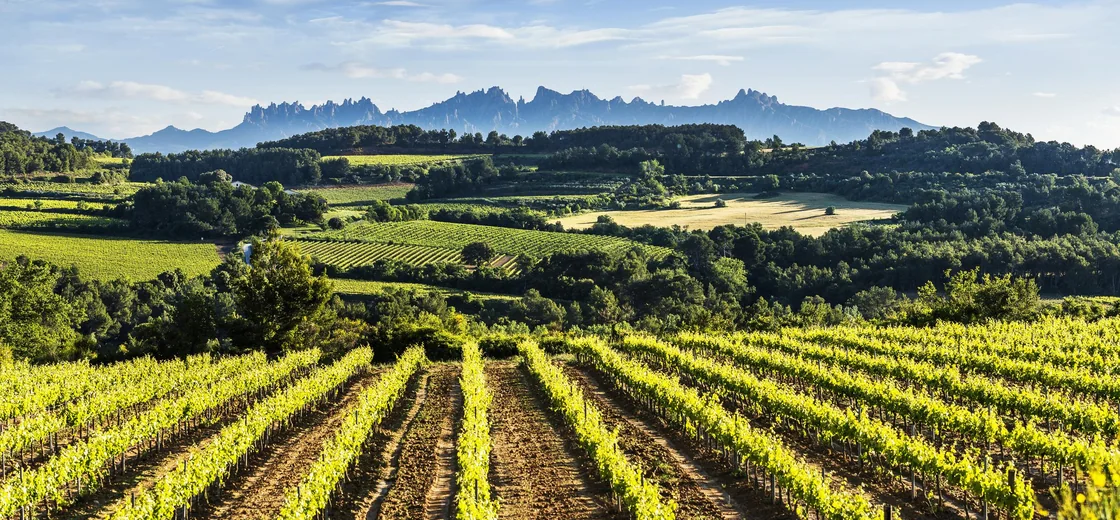
DO Penedès requires every grape grown under it to be certified organic from the 2025 harvest, the first wine appellation in the world to do so; about 90 per cent were already certified, across some 5,000 hectares
decanter.com ↗
-
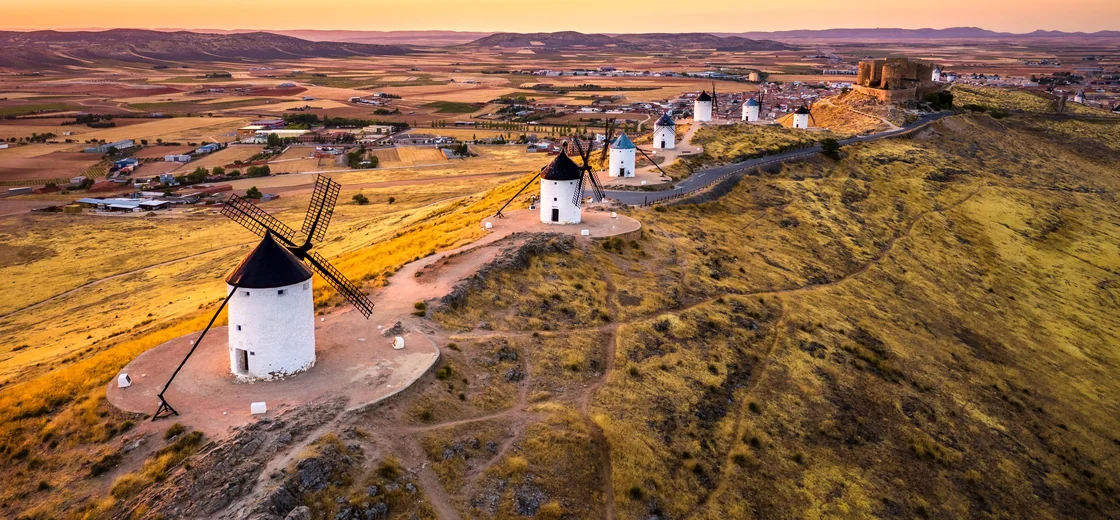
Castilla-La Mancha has roughly 459,000 hectares under vine, about 49 per cent of Spain's total vineyard, and is the largest continuous winegrowing area in the world; Airén is its most planted variety
en.wikipedia.org ↗
-
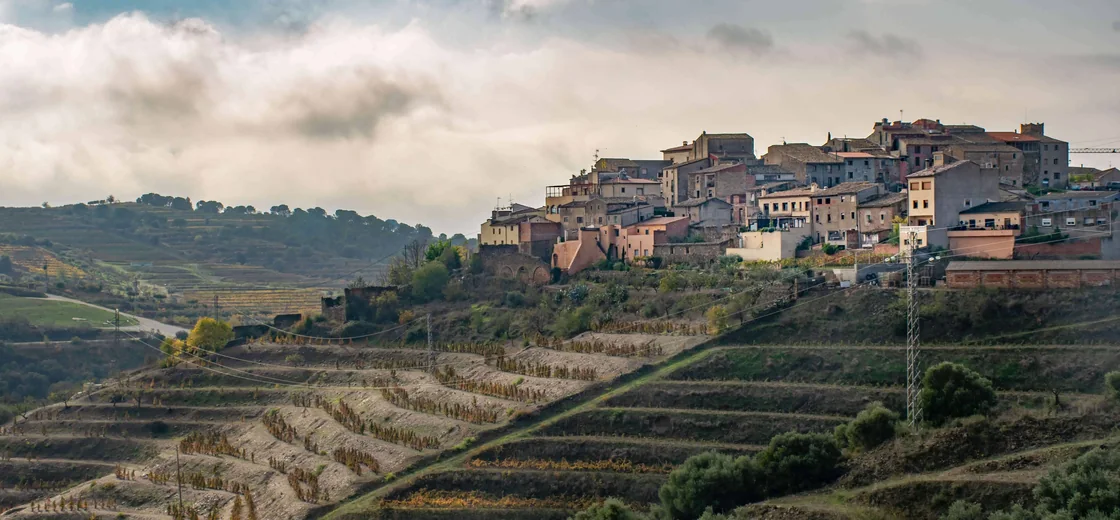
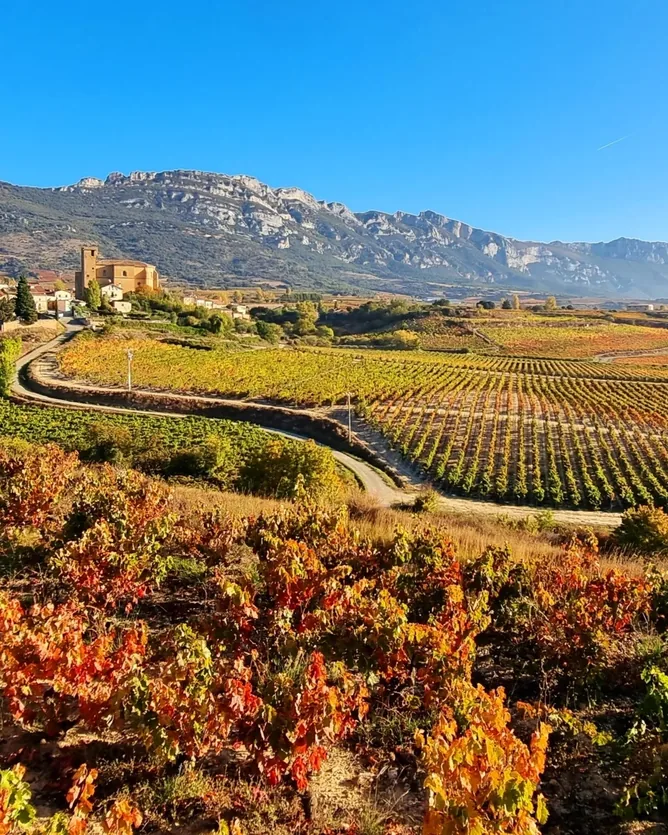
Spain's major wine regions, as set out by ProWein: Rioja, Ribera del Duero, Priorat, Rías Baixas, Penedès, Jerez, Rueda and Castilla-La Mancha
prowein.com ↗
-
Spain, France and Italy hold more than three quarters of the world’s organic vineyard between them; published national totals are not directly comparable, because France’s Agence Bio figure counts certified and in-conversion area together while other national counts are reported on different bases
mapa.gob.es ↗
-
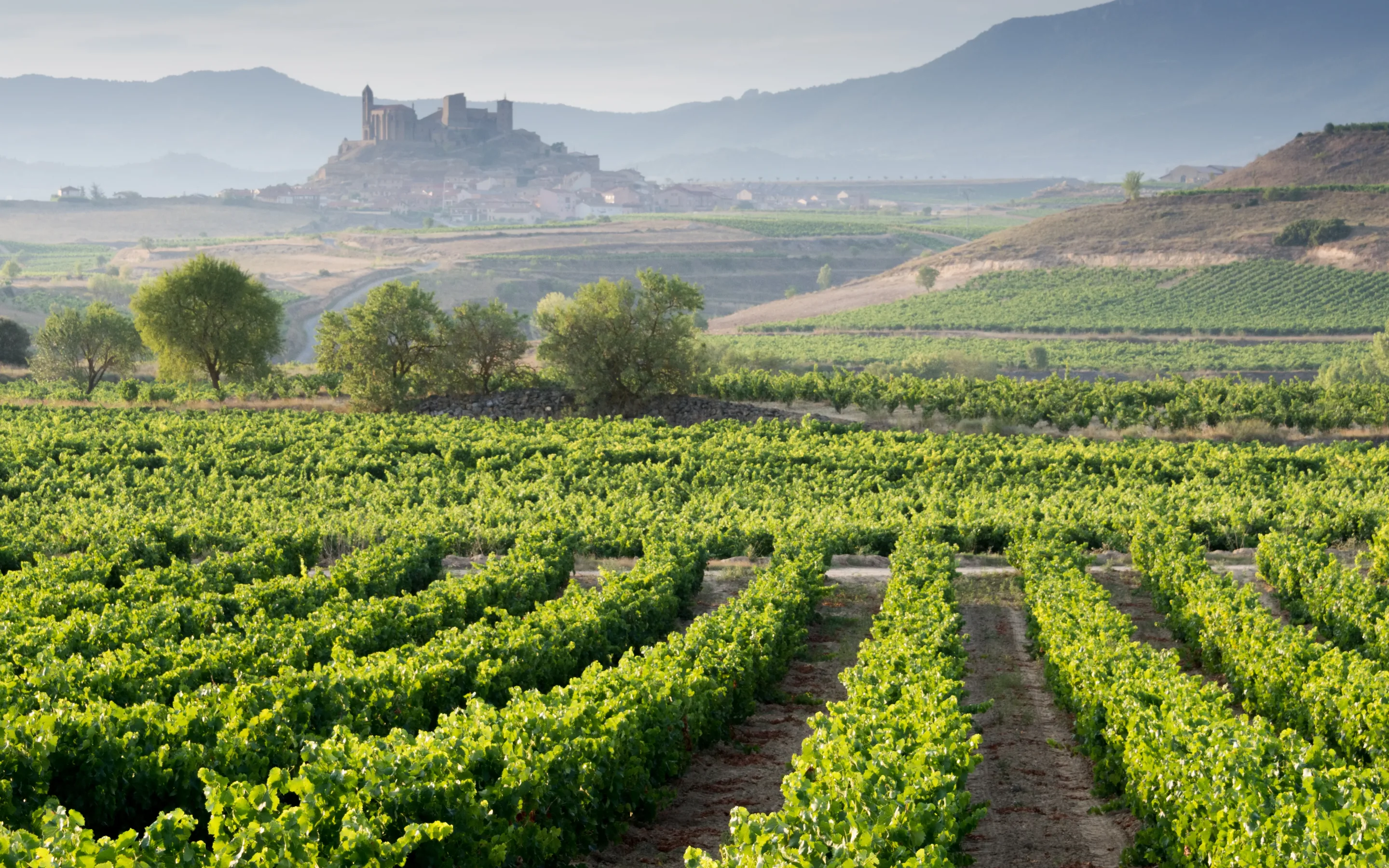
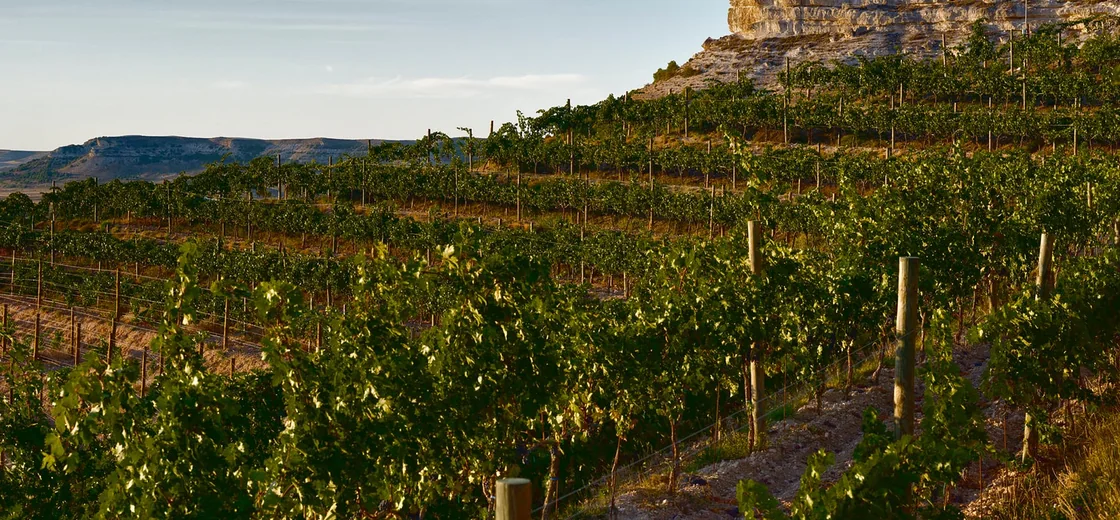
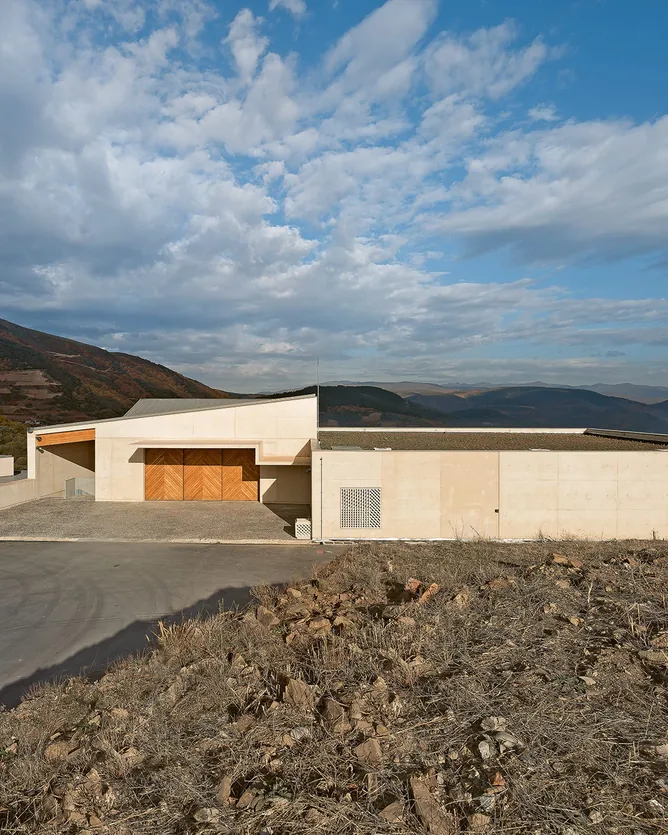
Vino de la Tierra de Castilla y León covers every municipality of the autonomous community; more than 98 per cent of its land is above 600 m; long cold winters, short hot dry summers, marked day–night swings; El Bierzo among the less extreme, wetter and warmer zones (MAPA, pliego de condiciones)
mapa.gob.es ↗
-
Castilla y León Vino de la Tierra sits one step below the Denominación de Origen on the Spanish quality ladder
en.wikipedia.org ↗
-
The Ribera del Duero Denominación de Origen was granted on 21 July 1982 (Consejo Regulador Ribera del Duero)
riberadelduero.es ↗
-
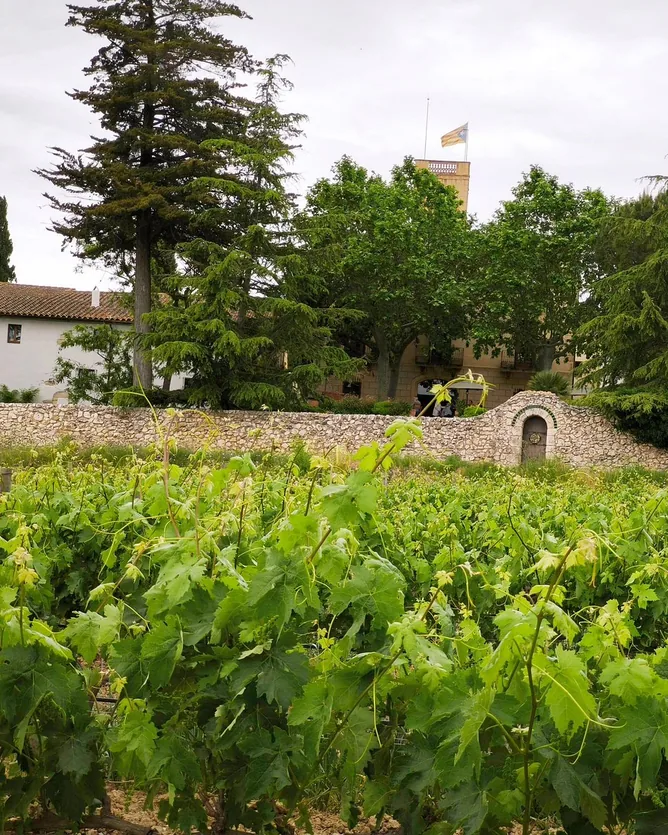
Tudela de Duero was not included within the Ribera del Duero appellation when it was established in 1982; Mauro's wines are classified as VT Castilla y León (Spanish Wine Lover)
spanishwinelover.com ↗
-
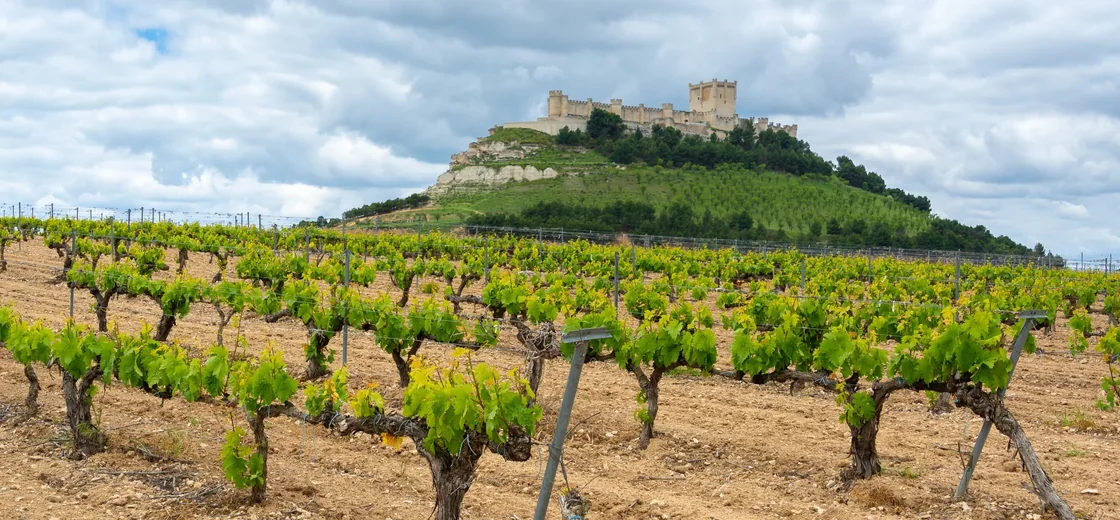
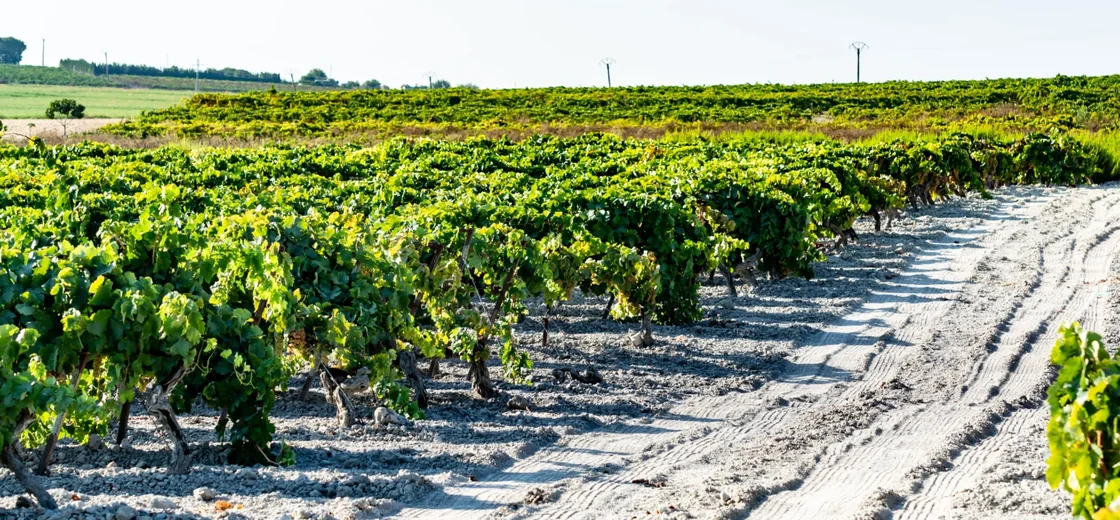
Ossian's vines lie within the Rueda appellation but the wines are sold as VT Castilla y León; the sandy soils kept phylloxera at bay (Spanish Wine Lover)
spanishwinelover.com ↗
-
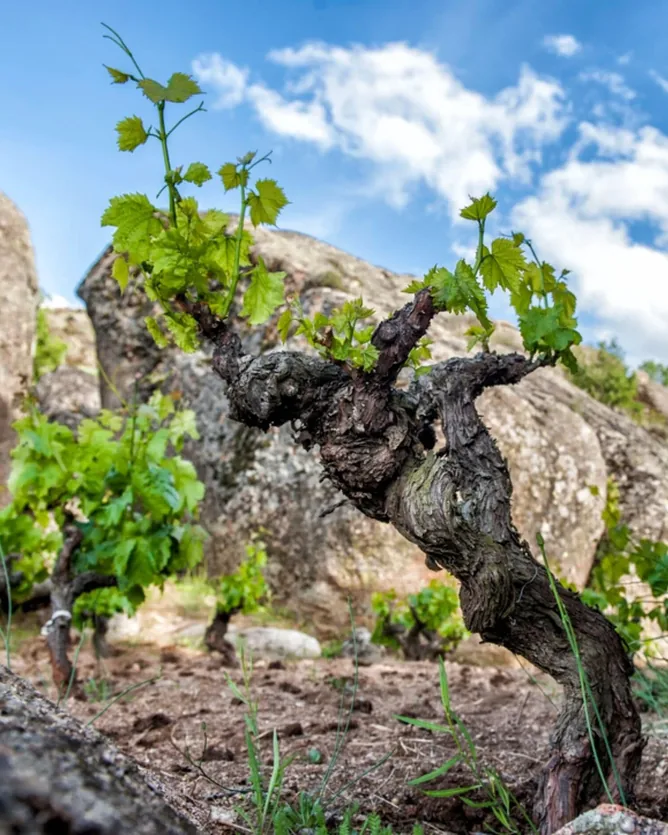
Ossian: ungrafted vines that predate phylloxera, up to 200 years old; phylloxera larvae cannot thrive in the sandy texture (Alma Carraovejas)
almacarraovejas.com ↗
-
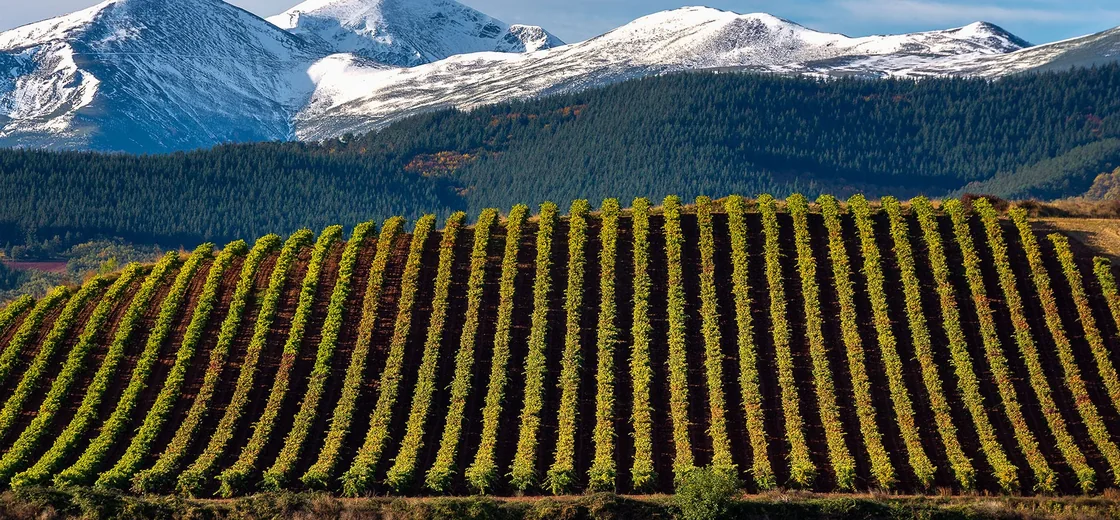
Bierzo lies in the north-west of León province, connecting Galicia, León and Asturias; the Sierra de los Ancares calms the Atlantic storms; slopes of quartzite and slate (Consejo Regulador DO Bierzo)
crdobierzo.es ↗
-
Mencía is Bierzo's main red grape, 70.5 per cent of the grapes grown; Godello the white (Consejo Regulador DO Bierzo)
crdobierzo.es ↗
-
Bierzo mixes the humidity and rainfall of Galicia with the aridity and sunlight of Castile (ICEX, Wines from Spain)
foodswinesfromspain.com ↗
-
Bierzo's renaissance began when Álvaro Palacios arrived from Priorat in 1998 to establish Descendientes de J. Palacios with his nephew Ricardo Pérez (The World of Fine Wine)
worldoffinewine.com ↗
-
Corullón: the region's highest vineyards and steepest slopes, on slate and schist; named for José Palacios, Álvaro's father and Ricardo's grandfather (The Rare Wine Co.)
rarewineco.com ↗
-
Muchada-Léclapart makes white wines without fortification and without flor, all from estate vineyards (Polaner Selections)
polanerselections.com ↗
-
Since 2026 Muchada-Léclapart has joined with Alberto and Eduardo García of Bodegas Mauro (Muchada-Léclapart)
muchada-leclapart.com ↗
-
Porreres is among the municipalities of DO Pla i Llevant; the Embat wind brings freshness, humidity and salinity (Govern de les Illes Balears, single document)
caib.es ↗
-
Binissalem and Pla i Llevant are Mallorca's two DOPs
en.wikipedia.org ↗
-
Pla i Llevant vineyards lie in the flat, chalky centre and east of Mallorca, on limestone with red soils called vermell (ICEX, Wines from Spain)
foodswinesfromspain.com ↗
-
Pla i Llevant: Mediterranean climate, mild winters and very hot summers, vineyards below 100 metres, practically at sea level (Consejo Regulador DO Pla i Llevant)
doplaillevant.com ↗
-
In Pla i Llevant, Callet is the protagonist; Manto Negro is the island's most widespread native variety; Prensal Blanc (Moll) its workhorse white (ICEX, Wines from Spain)
foodswinesfromspain.com ↗
-
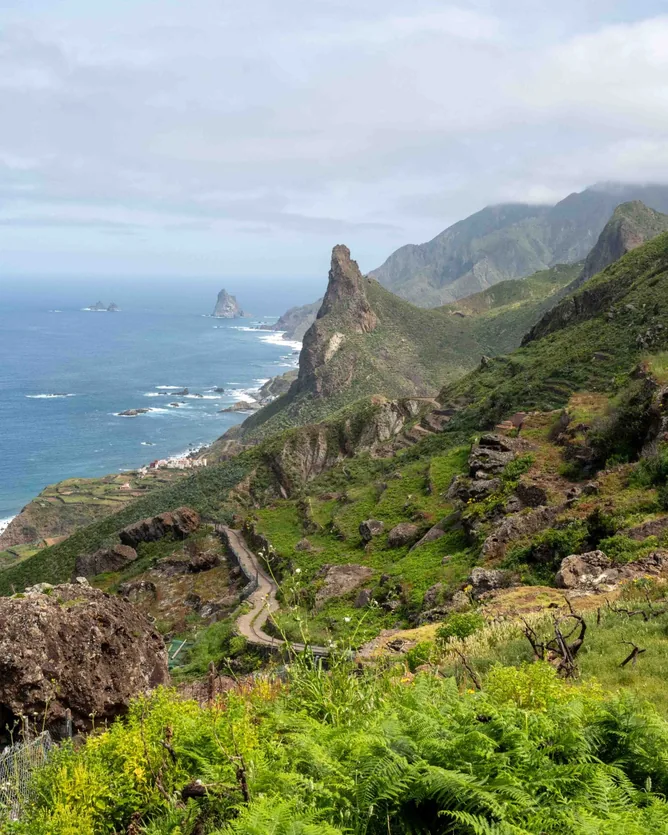
The Canary Islands lie about 100 km from the coast of Africa and more than 1,000 km from mainland Spain; vineyards up to 1,700 m, higher than anywhere else in Europe; the alisios trade winds; the cordón trenzado of the Valle de la Orotava; the islands largely escaped phylloxera (WSET, May 2026)
wsetglobal.com ↗
-
Tenerife's north slopes under the cool, humid alisios; Listán Blanca and Listán Negra predominate (Cabildo de Tenerife)
tenerife.es ↗
-
Nearly all the Canary Islands' vines grow on their own roots (Wine Spectator, August 2025)
winespectator.com ↗
-
Phylloxera was detected on Tenerife, in the Valle de Guerra, at the end of July 2025 (Gobierno de Canarias)
gobiernodecanarias.org ↗
-
By January 2026 phylloxera on Tenerife was reported not eliminated but controlled (RTVC, 27 January 2026)
rtvc.es ↗
-
Pesticides are overwhelmingly derived from fossil fuels and their manufacture is energy-intensive, and a warming climate raises pest and disease pressure, which raises pesticide use in turn
pan-uk.org ↗
-
The loop between the two: emissions from pesticide manufacture and use contribute to warming, and warming drives further pesticide use
panna.org ↗