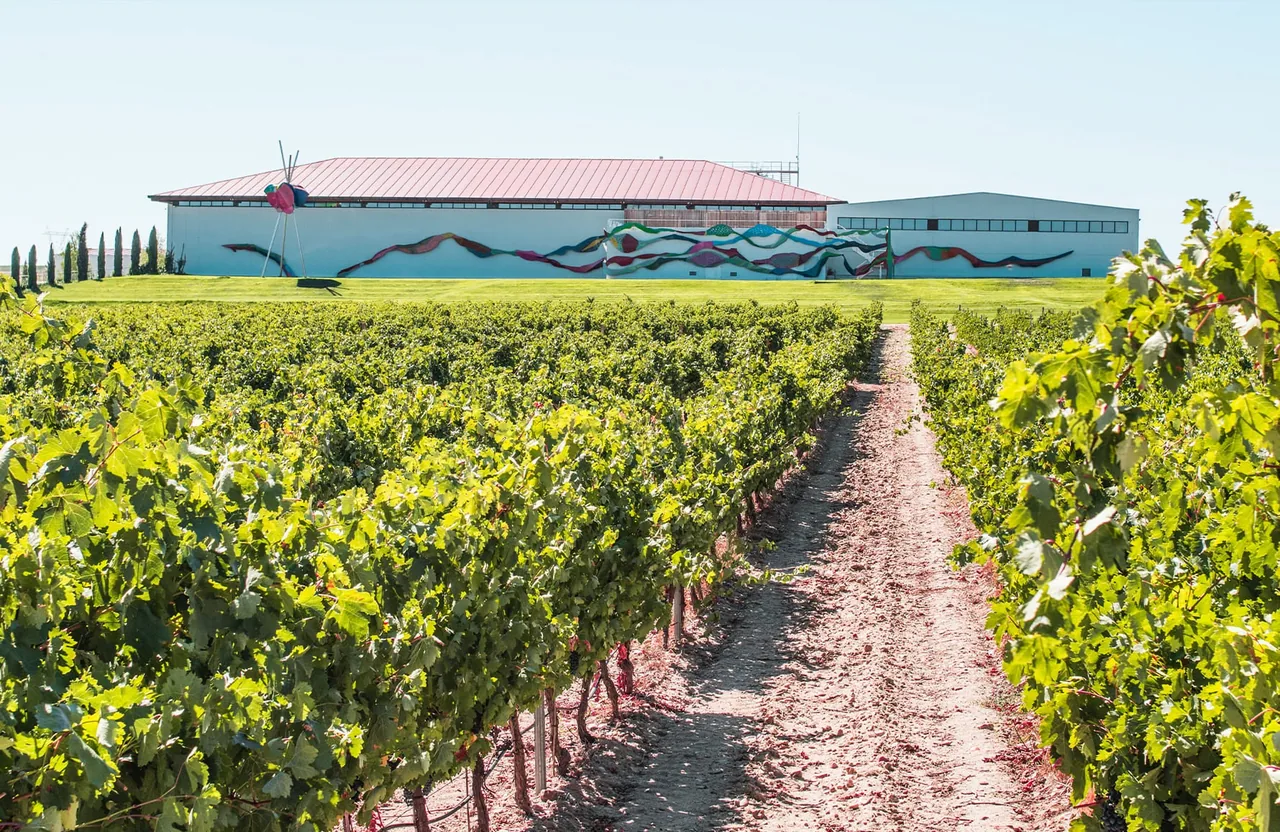
Dominio de Pingus
The Free Bacchus Story
Peter Sisseck arrived in Ribera del Duero in 1990 with a Danish education and a period at Château Pétrus behind him, which gave him a way of thinking about old-vine Tempranillo that nobody in the region was applying at the time.
The first vintage of Pingus, in 1995, drew 98 points from Wine Advocate and became one of the most sought-after new releases in the history of Spanish wine. The estate farms old-vine Tempranillo, and the EU organic register carries its certificate: CCL Certificación, S.L. holds Dominio de Pingus, S.L. for production and preparation alike, which is the vineyard and the winemaking. The biodynamic half is farming practice rather than a certificate, and no biodynamic certificate for the estate appears in either the Demeter or the Biodyvin register. Sisseck's reasoning is that old vines on clay and limestone perform best when soil biology is managed as a whole system, and that the reduction in vine stress shows up directly in structure and longevity.
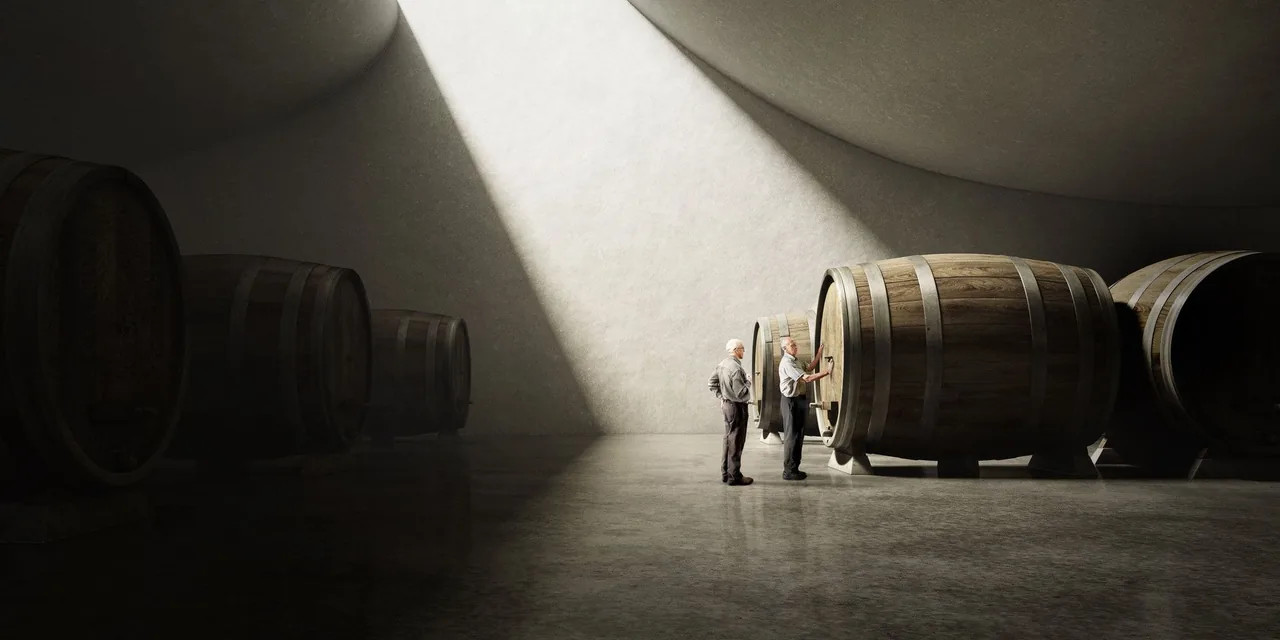
In 1995 Sisseck picked out a handful of small, old-vine Tinto Fino parcels near La Horra specifically because they cropped so little, which is the inverse of how vineyard land is usually chosen.
Pingus has since drawn a perfect 100 across multiple vintages, placing it among the handful of Spanish wines commanding prices comparable to the most celebrated Bordeaux and Burgundy. Flor de Pingus, the second label, carries the same organic farming without the scarcity, which makes it the realistic point of entry.
Creating a globally recognised benchmark from scratch, in a region with no prior international reputation, is something very few people have managed in any wine-producing country.
Why it’s remarkable
Free Bacchus Verification
CCL Certificación EU organic
Certified1
- EU organic, CCL Certificación S.L. (ES-ECO-031-CL): grapes and wine, certificate ES-ECO-031-CL.724-0026530.2026.001
Also on record1
- Biodynamic farming, no certificate found
If you’re buying
Start here instead
Cheat sheet
Save it to your phone. Everything you need to recognise this producer, and three things worth saying about it, at a glance in a shop or across a table.