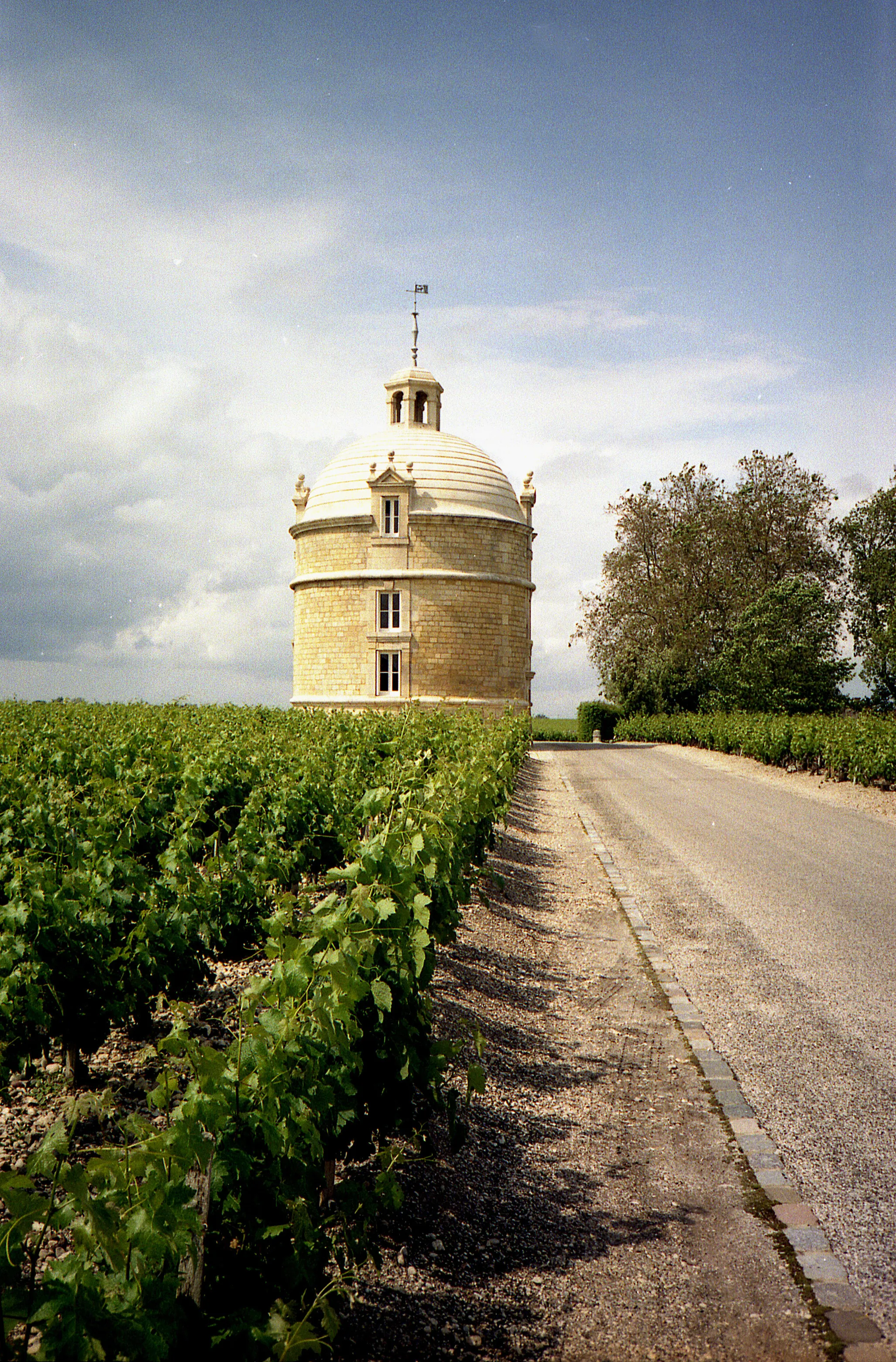
Château Latour
The Free Bacchus Story
The conversion took twenty-five years. Château Latour stopped using chemical weedkillers in the 1990s, reintroduced horses for ploughing in 2008, and began biodynamic trials across three hectares in 2009. Full organic certification for the whole estate followed only in 2018 — making Latour the first of the Bordeaux First Growths certified organic for its red wine.
L'Enclos, the walled 47-hectare vineyard that gives the Grand Vin its core, went fully organic from the 2015 growing season. That date is not a press claim: the Agence Bio open-data register — the French government's own record of certified organic operators — lists the estate company certified by Ecocert France under EU control code FR-BIO-01, engaged 31 August 2015 and still active, with no suspension and no cessation recorded against it.
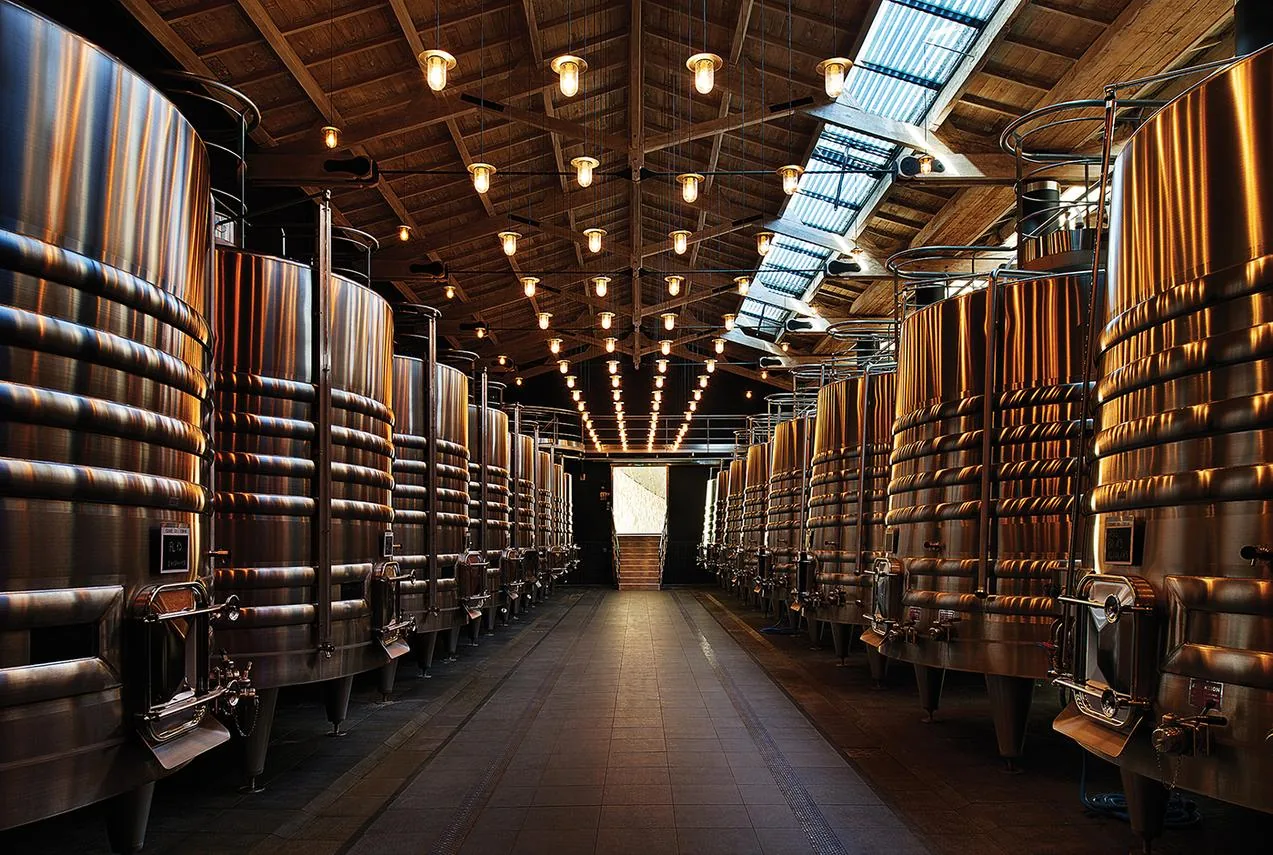
What is striking is the cost the estate absorbs. Plots that are uprooted are left fallow for a minimum of five years before anything is replanted. Compost is produced on site from crushed vine cuttings, green waste and manure. Biodynamic infusions of nettle, yarrow and chamomile are applied plot by plot — though biodynamics covers roughly 62% of the estate and is not certified, which is why the verification line below reads organic only.
Latour also walked away from en primeur in 2012, declining to sell wine as futures and instead releasing each vintage when the estate judges it ready to drink. It is a commercially awkward position for a property of this stature, and it is the same instinct that shows in the five-year fallow: a willingness to wait that most estates cannot afford.
“100% of L’Enclos is now organic, and 50% is farmed biodynamically”
Why it’s remarkable
Free Bacchus Verification
Ecocert Organic
Certified2
- Ecocert Organic (FR-BIO-01), certified 2015
- Agence Bio registry-verified
If you’re buying
Cheat sheet
Save it to your phone. Everything you need to recognise this producer, and three things worth saying about it, at a glance in a shop or across a table.