Free Bacchus Journal
The First Thing Michelin
Looked At Was the dirt
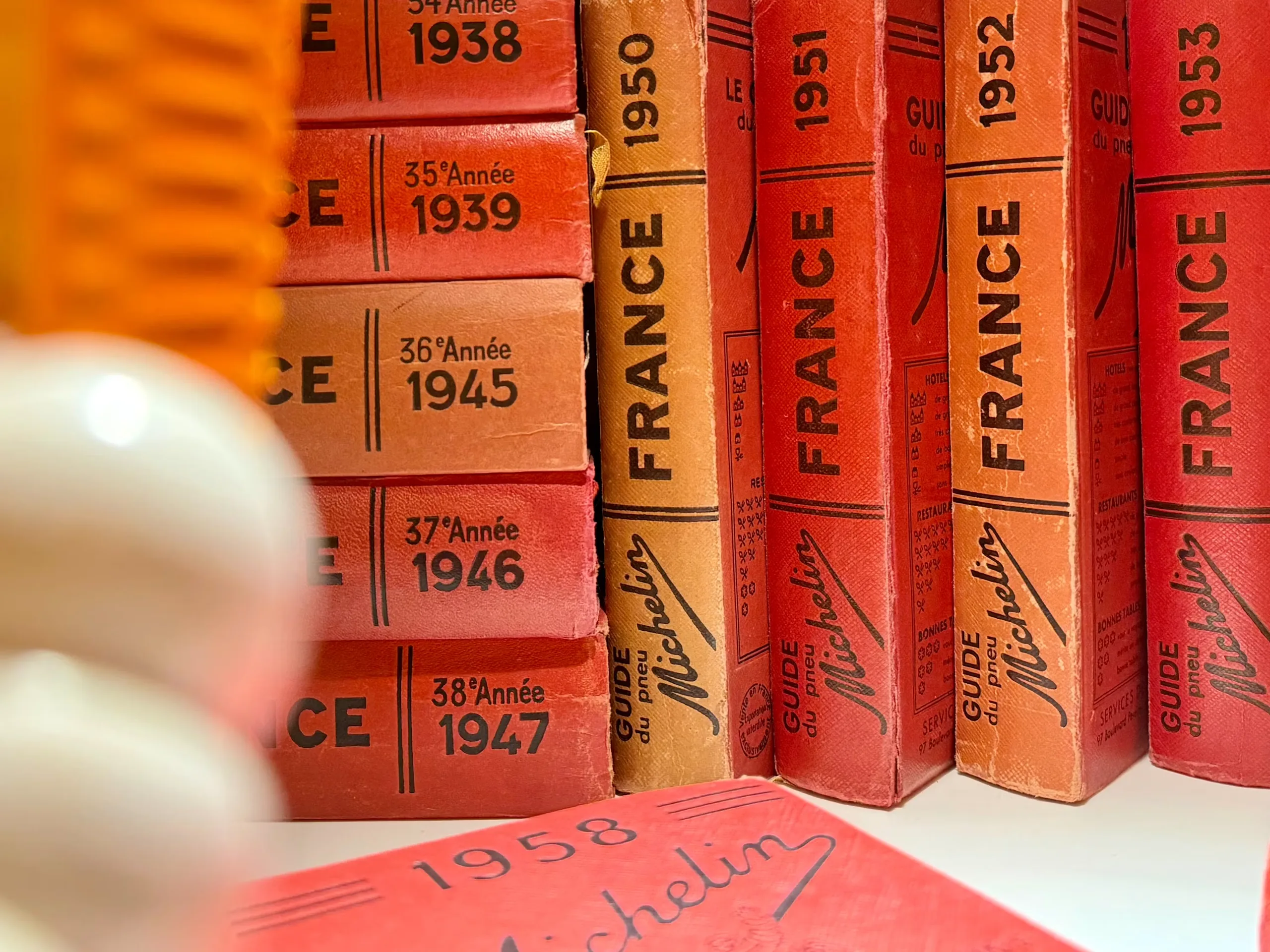
Michelin published five criteria for its first wine guide. Coming from the company that invented the restaurant star, you would expect the first one to be about taste. It’s about soil — which means the argument this journal has been making for two years now has considerably better company than it did in June.
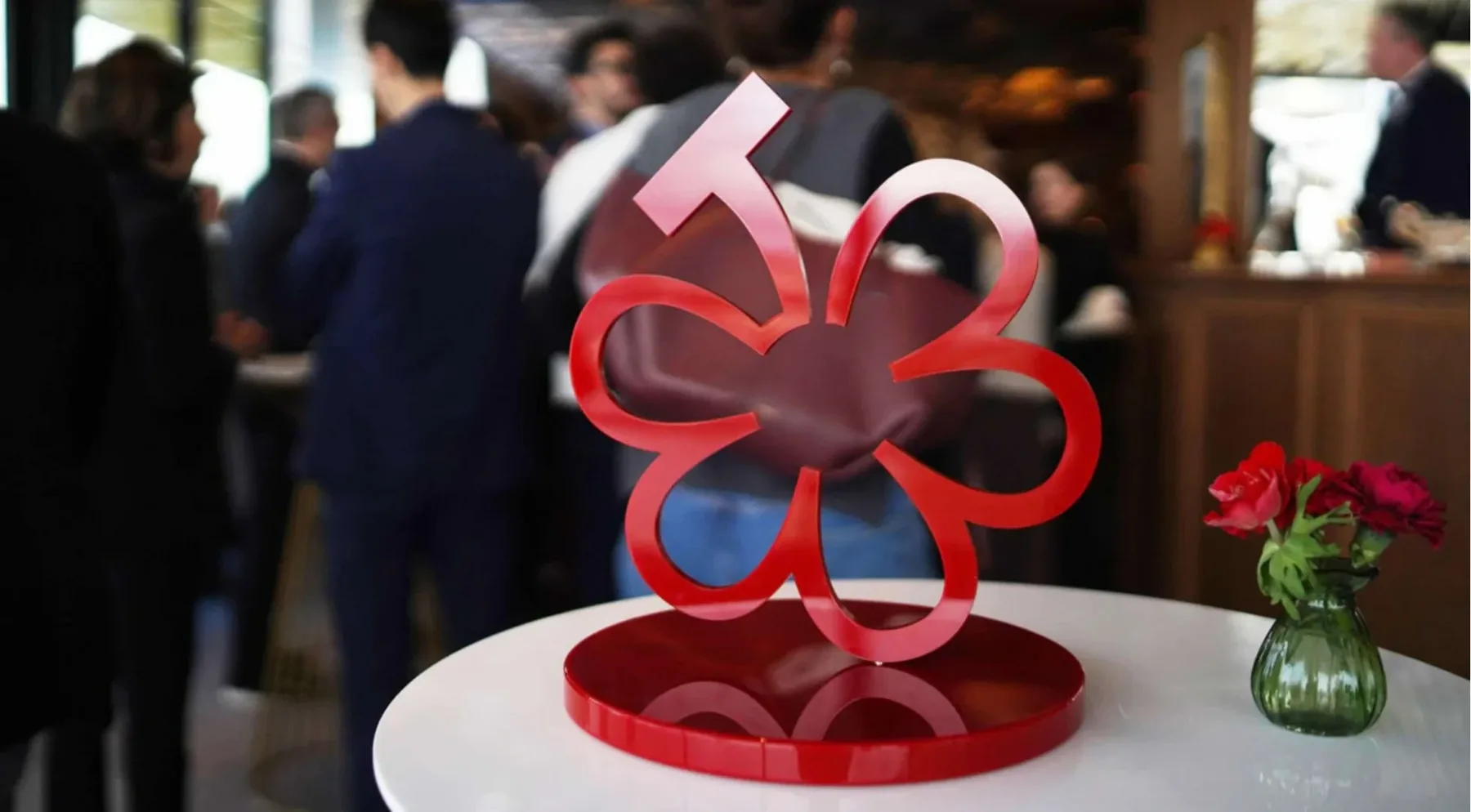
On 7 July 2026, in the Palace of the Dukes of Burgundy in Dijon, the Michelin Guide announced it would start rating wine estates: ninety-four in Burgundy, nine at three grapes, twenty at two, thirty-three at one, and thirty-two more listed as Selected. The criteria are more interesting than the list, and their order most of all.
There are five. Technical mastery in the cellar. Identity, meaning the honest expression of a terroir. Balance across acidity, tannin and alcohol. Consistency from one vintage to the next. And, first, agronomy: soil vitality and vine health.
A company that began publishing in 1900 to persuade Frenchmen to wear out their tyres, and spent the 126 years since becoming the most trusted arbiter of where to eat on earth, has moved into wine. It opened by looking at the ground.
What they actually wrote about the winners
Criteria can be decorative. The test is the language a guide uses about the estates it rewards, and here Michelin was unusually specific.
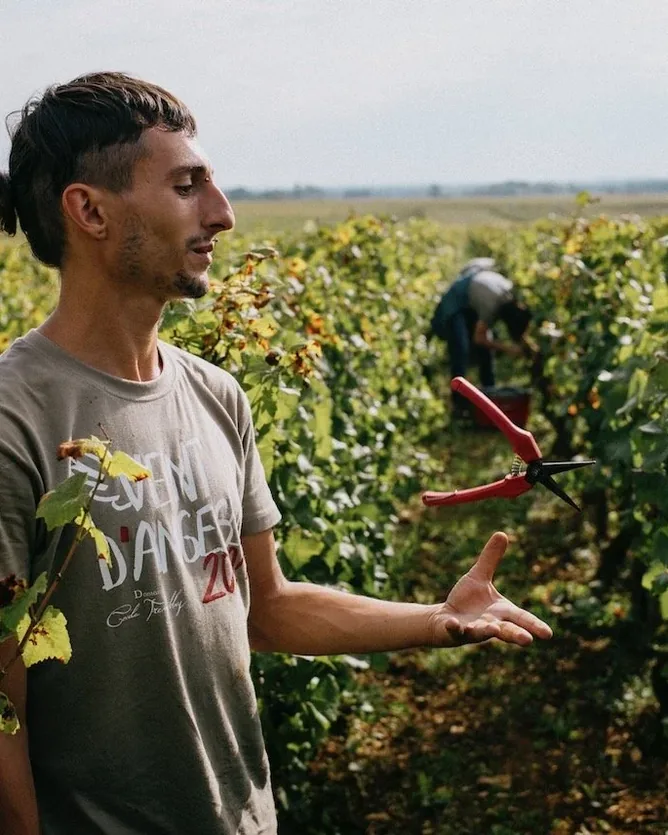
Of the nine estates awarded three grapes, five are credited explicitly for their farming in Michelin’s citations. Cécile Tremblay in Morey-Saint-Denis is described as practising organic viticulture; Dugat-Py’s very old massal-selection vines as grown biodynamically; Domaine de la Romanée-Conti’s twenty-eight hectares of grand cru as farmed biodynamically. Lalou Bize-Leroy is called a pioneer of biodynamic viticulture, her four hectares at Domaine d’Auvenay described as cultivated with absolute precision.
It continues down the tiers. At two grapes, Dujac is credited with seventeen and a half organically cultivated hectares and Dureuil-Janthial with soils cultivated without herbicides. At one, Henri and Gilles Buisson are named as pioneers of organic viticulture in Burgundy as early as the late 1940s. Among the Selected: Sylvain Pataille farming fifteen hectares biodynamically with animal traction, Domaine Felettig taking its first organic certification with the 2024 vintage, Camille Thiriet and Maxime Cottenceau farmed organically, Jobard-Morey guided toward organic practice with a stated focus on soil health.
One entry stopped us. Domaine Berthaut-Gerbet is described as farmed without herbicides according to non-certified organic practices.
That is almost word for word the construction our own standard uses for Track B: a producer farming cleanly who has chosen not to certify, assessed on documented practice rather than paperwork. We wrote it because the alternative was excluding growers who farm better than some certified estates. Finding the same distinction in a Michelin press release was a cheering morning.
Two routes into the same vineyard
Michelin arrived at farming from the opposite direction. Their institutional history is judging results: a plate of food, the thing in front of the guest, a century and a quarter of assessing outcomes. Rating estates rather than bottles ran that method into its limit, because an estate is not a result but a set of practices that produce results in weather nobody controls. So they worked backwards from the glass until they reached the soil, and put it first.
We came the other way. Free Bacchus starts at the farming: certification checked against the issuing body, or documented chemical-free practice where no certificate exists. Its limit is that clean farming does not guarantee good wine — a producer can do everything right in the field and make something nobody wants to drink. So we added a second requirement: quality corroborated independently by critics and competitions with no stake in the farming, with producers held below threshold when it is absent.
Michelin started at the table and worked back to the field. We started in the field and worked forward to the glass. Both of us discovered that one half doesn’t stand up without the other, and both of us built the same two-part test from opposite ends.
>
The Overlap
Ten estates we had already verified
Michelin rated ninety-four Burgundy estates. We list twelve producers in Burgundy, and eleven of them are in that selection — ten carrying a grape rating, including three of the nine awarded the full three. The pips below are Michelin’s rating; the chip is ours. Neither guide consulted the other.
 Domaine Cécile Tremblay
Morey-Saint-Denis
Gold
Domaine Cécile Tremblay
Morey-Saint-Denis
Gold
 Domaine Leroy
Vosne-Romanée
Gold
Domaine Leroy
Vosne-Romanée
Gold
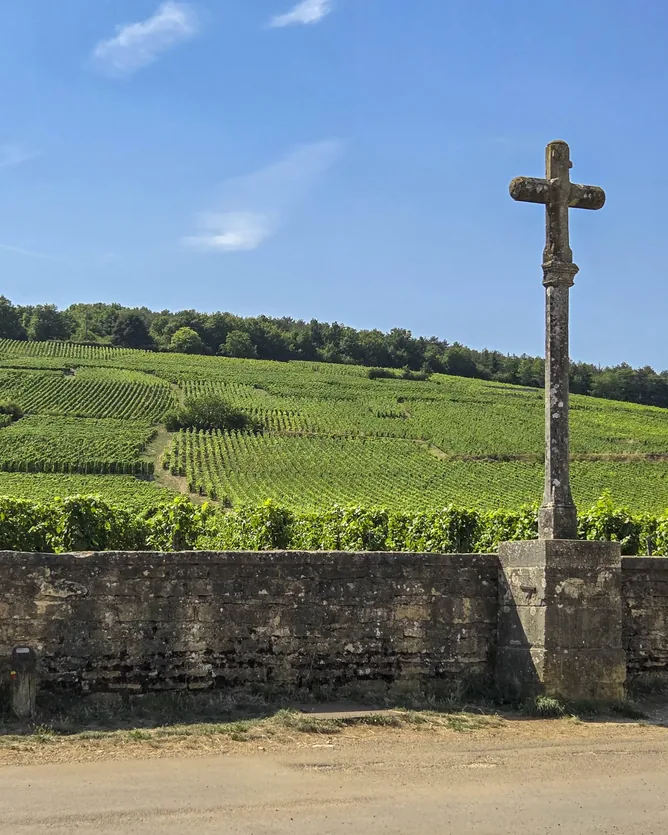 Domaine de la Romanée-Conti
Vosne-Romanée
Reserve
Domaine de la Romanée-Conti
Vosne-Romanée
Reserve
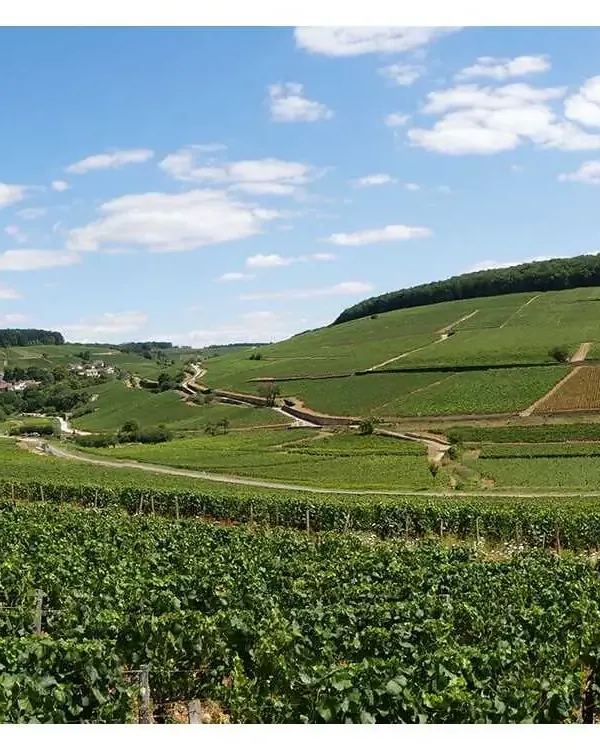 Bonneau du Martray
Corton
Gold
Bonneau du Martray
Corton
Gold
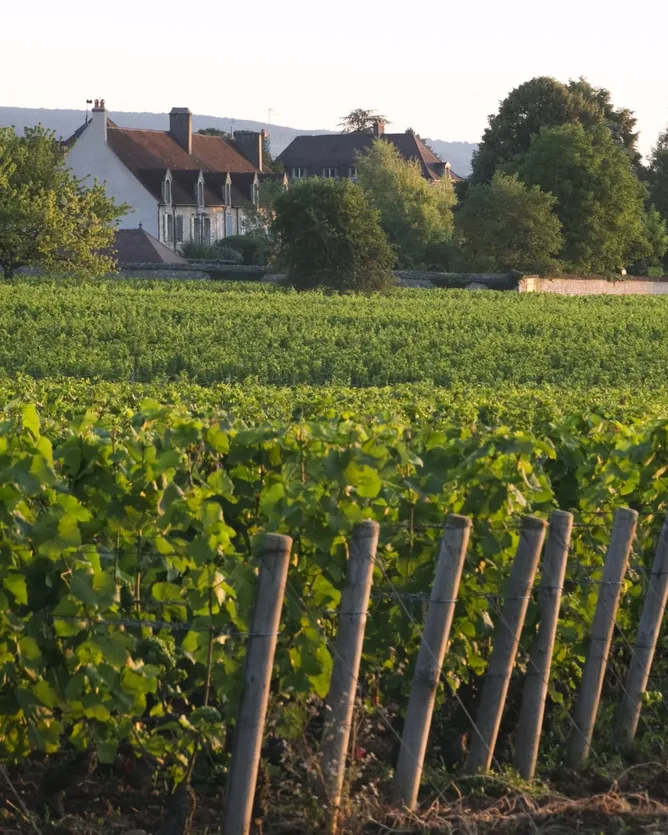 Domaine Dujac
Morey-Saint-Denis
Gold
Domaine Dujac
Morey-Saint-Denis
Gold
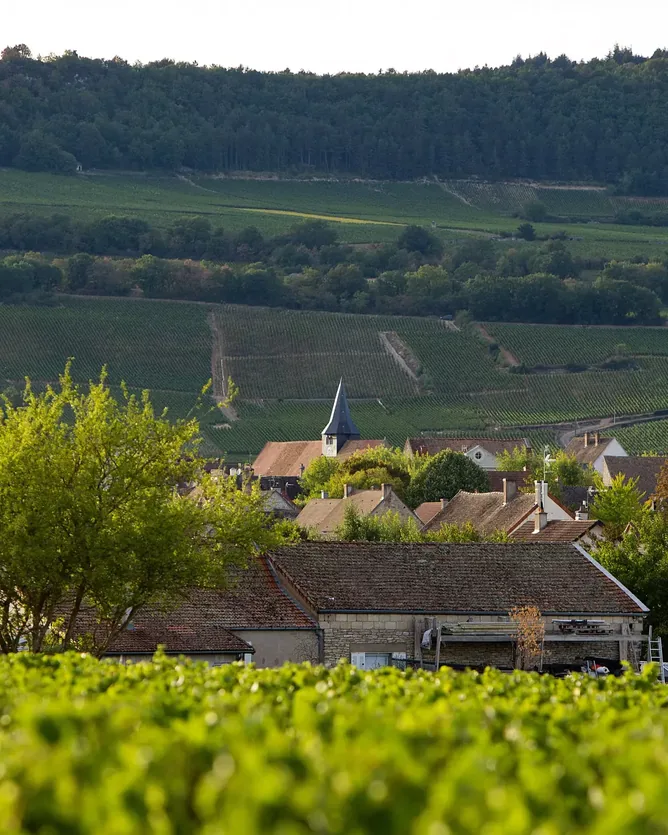 Domaine Leflaive
Puligny-Montrachet
Reserve
Domaine Leflaive
Puligny-Montrachet
Reserve
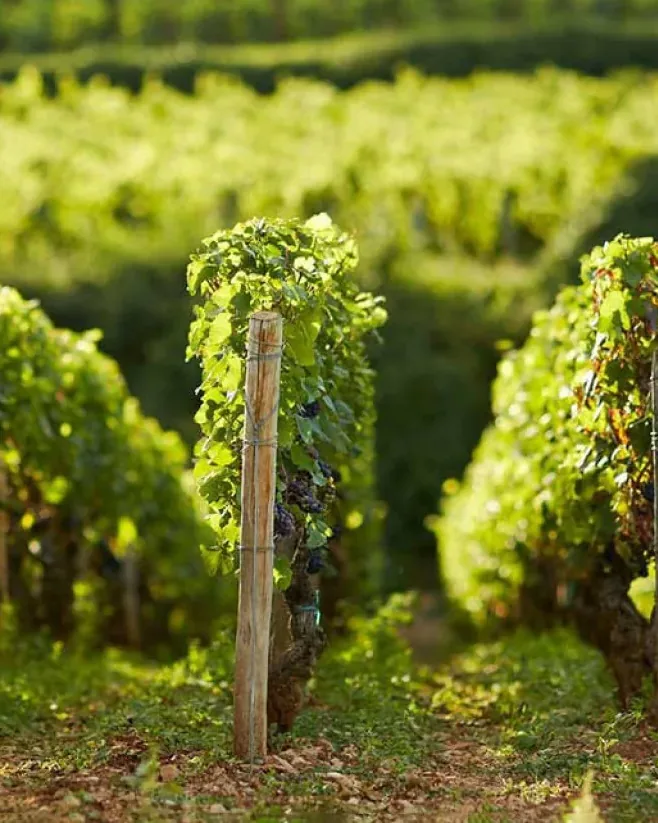 Domaine des Comtes Lafon
Meursault
Gold
Domaine des Comtes Lafon
Meursault
Gold
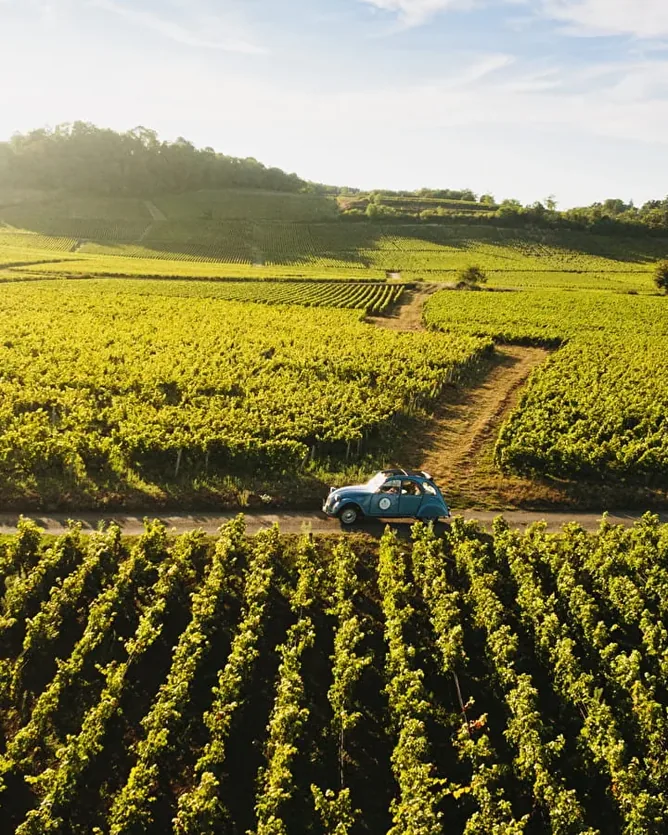 Domaine Roulot
Meursault
Gold
Domaine Roulot
Meursault
Gold
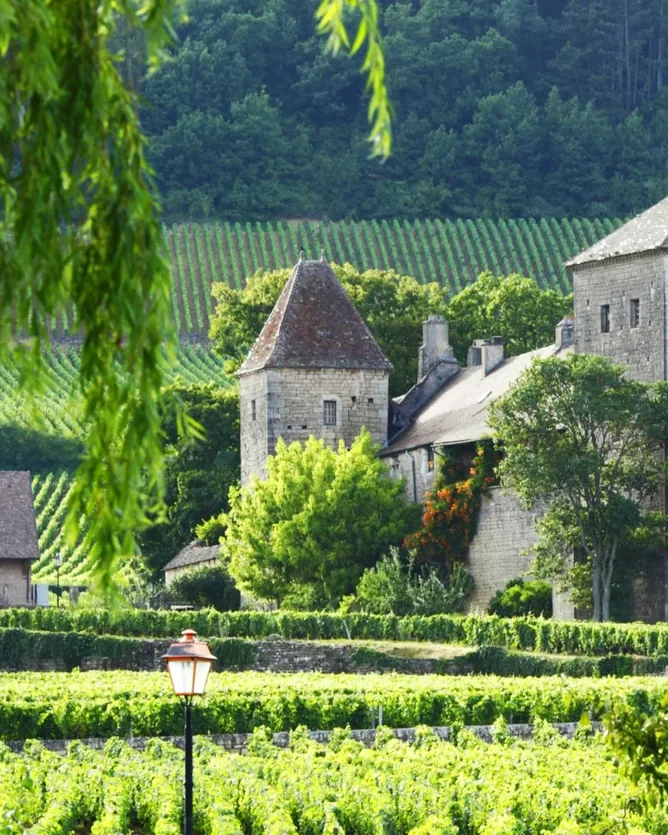 Domaine Trapet
Gevrey-Chambertin
Gold
Domaine Trapet
Gevrey-Chambertin
Gold
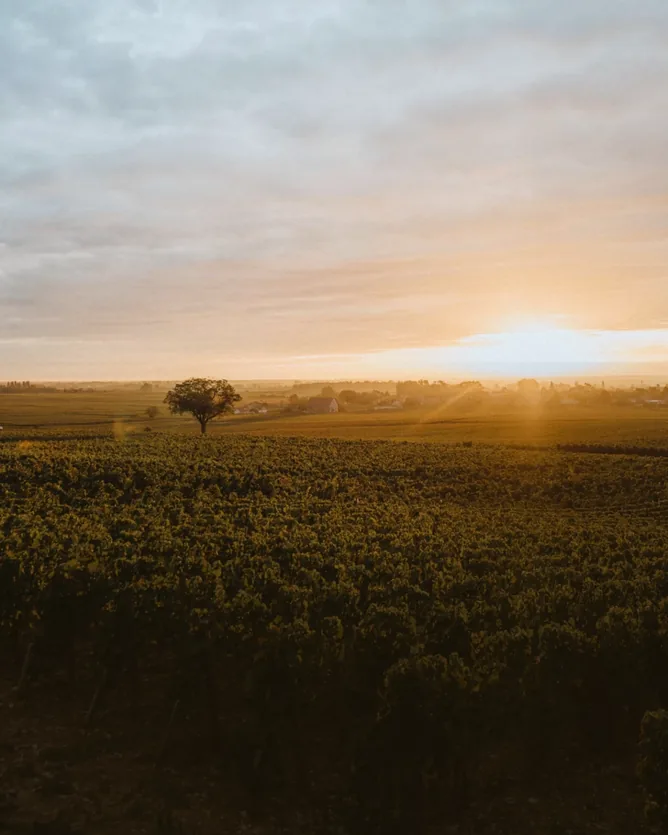 Domaine de Montille
Volnay
Gold
Domaine de Montille
Volnay
Gold
Ratings verified against Michelin’s own release, 7 July 2026. Of the two estates we list without a grape, Domaine Pierre Morey appears in the Selected list for Meursault; Domaine du Comte Liger-Belair does not appear in the selection at all.
What each side is actually for
The two are good at genuinely different jobs.
Michelin has reach and cultural authority we will never have. People plan holidays around that guide. A three-grape rating will send visitors to Burgundy, put estates on lists in cities that have never carried them, and give a Saint-Aubin grower attention that changes what they can charge and therefore what they can afford to do in the vineyard. Gwendal Poullennec framed the exercise as excellence not defined solely by the prestige of a name, and the selection bears it out: alongside Romanée-Conti sit estates founded in 2003, 2016 and 2018, and a young grower in Montagny who took over vineyards from the local cooperative.
What we do is narrower and more boring. We publish a methodology, check certifications against issuing registries, record which expressions a certificate actually covers, and print our own corrections when we get something wrong. Nobody plans a holiday around that. It’s plumbing.
Assessment and verification are different tools. Michelin is making a judgement, which requires expertise and taste and the confidence to stand behind it. We are checking a claim, which requires a registry number and the patience to look it up. A guide that tells you an estate farms well and a standard that can show you the certificate behind it are answering two halves of one question.
The problem every guide inherits
Within days of the announcement, Domaine Arnoux-Lachaux in Vosne-Romanée asked publicly to be removed from the selection. The estate has had a policy since the 2020 vintage of not submitting wines for press reviews or ratings, and it applied that policy consistently: it hadn’t asked to be assessed, and would rather not be listed.
We have no criticism of Michelin here; the tension is inherent to the idea of a guide. When Sébastien Bras asked to be released from the restaurant guide in 2017, it was not because Michelin had done anything wrong, but because being rated without volunteering is uncomfortable for anyone who takes their own work seriously.
We are in exactly the same position. Free Bacchus assesses producers who have not applied to us. That is defensible: an assessment nobody can buy into is worth more than one they can, and the moment producers pay for listings the whole thing is worthless. But it does mean rating people who never asked, and anyone uncomfortable with Michelin doing it should be equally uncomfortable with us.
The only real protection is to publish the reasoning so a producer who disagrees can point at the specific thing they think is wrong. That’s why our methodology is public. It’s a reasonable thing to want from any guide, ours included.
One piece of our own housekeeping
Michelin’s move into wine has a consequence for our arithmetic, which we would rather record than quietly absorb.
Michelin bought a forty percent stake in Wine Advocate in 2017 and acquired the publication outright two years later. Wine Advocate is one of the sources we use to corroborate quality, and it’s an excellent one. But it now shares an owner with the Michelin Grape Selection.
Our standard requires quality to be corroborated independently, and independence means what it says. Treating a Michelin grape rating and a Wine Advocate score as two confirmations would be counting one company twice. Where both appear for the same producer they count as a single source, and a second confirmation has to come from somewhere with a different owner.
Michelin have been entirely open about the acquisition; this is a note about us. The ownership map underneath wine criticism is consolidating, and a standard that depends on independent sources has to keep track of who owns whom. We would rather publish the adjustment than have somebody find it.
Why more attention is the point
A small verification platform might greet the most powerful brand in hospitality with something other than enthusiasm. We don’t.
Wine is in a genuinely difficult period. Consumption is falling in most established markets, younger drinkers are drinking less, costs are rising for growers, and the organic conversion pipeline that expanded through the 2010s has stalled and in places reversed. What the category is short of is not opinions but attention, and specifically attention paid to the people doing the difficult agricultural work rather than those with the most recognisable labels.
Michelin can generate that attention at a scale nobody else can. If a three-grape rating sends people to Burgundy, and the Burgundy conversation includes soil vitality and vine health because Michelin put it first, then a great many drinkers are about to encounter the idea that farming determines what’s in the glass — possibly for the first time, and from a source they already trust.
Our hope is a simple one, and it’s the same thing Harry’s Wine asked for when he wrote about the guide last month: that the grapes travel beyond the famous names. Jura, Swartland, Etna, the Finger Lakes, Naoussa. Recognition creates visibility, visibility creates visitors, and visitors are what let a small grower invest in the vineyard rather than merely survive another vintage in it.
The habit
If you take one thing from the guide, take the ordering of the criteria rather than the list of winners.
The most trusted assessor in hospitality, entering wine for the first time, decided that the first thing worth knowing about an estate is the condition of its soil and the health of its vines. Not the score, not the appellation, not the price. The dirt.
So the next time you’re deciding between two bottles, you have permission from an unimpeachable source to ask the question first rather than last. How was this grown? It’s the question Michelin put at the top of its own list, and it’s the one we exist to help you answer when the label won’t.
The receipt
What to take from this
- Michelin’s five criteria for rating wine estates lead with agronomy: soil vitality and vine health, ahead of cellar work, balance and consistency.
- Five of the nine three-grape estates are credited explicitly for organic or biodynamic farming in Michelin’s own citations.
- Michelin describes Berthaut-Gerbet as farmed without herbicides under non-certified organic practices, which is our Track B construction arrived at independently.
- Michelin worked backwards from the glass to the soil; we work forward from the soil to the glass. Both ended up needing both halves.
- Domaine Arnoux-Lachaux asked to be removed, having stopped submitting to critics in 2020. Unsolicited assessment is a tension every guide inherits, ours included.
- Michelin has owned Wine Advocate since 2019. We now count a Michelin grape and a Wine Advocate score as one source, not two.
- A category short of attention benefits from a guide with real reach. Assessment and verification are different tools and work better together.
Where the claims come from6
-
Michelin — The MICHELIN Guide Reveals Its Very First Grape Selection at the Heart of Burgundy, France (7 July 2026)
michelin.com ↗ -
Vino Joy News — Michelin’s First Winery Ratings Spark Backlash in Burgundy (15 July 2026)
vino-joy.com ↗ -
Euronews — Sour grapes: Michelin’s first winery ratings draw immediate backlash (17 July 2026)
euronews.com ↗ -
Normanby Fine Wines — Michelin Grapes: Burgundy’s best wineries receive a new benchmark for excellence
normanbyfinewines.co.nz ↗ -
Harry’s Wine — Michelin has entered the wine world (16 July 2026)
harrywine.substack.com ↗ -
Free Bacchus — The Verification Standard
↗