Bonneau du Martray
The Free Bacchus Story
By 1994 Jean-Charles le Bault de la Morinière had been practising as an architect in Paris for twenty years, and was not at all sure about moving his family to Burgundy. He took over from his father Jean, who had run the domaine since 1969, and stayed twenty-three years.
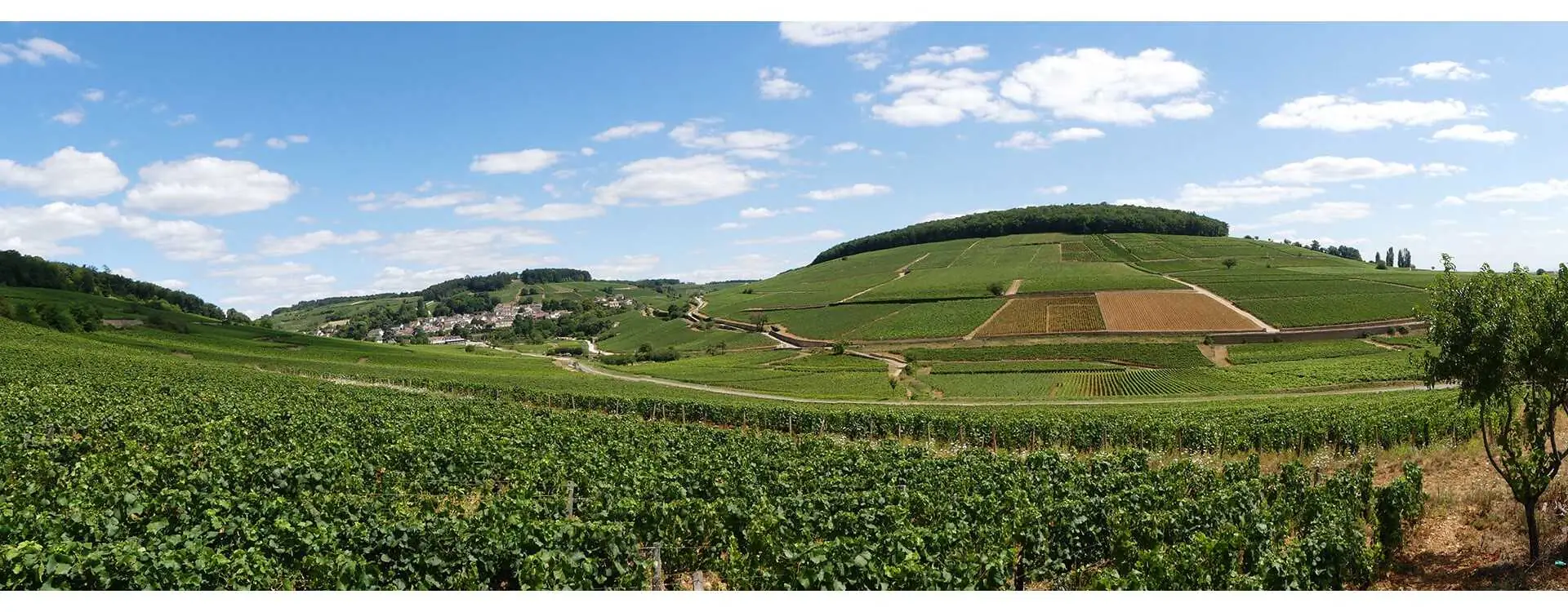
What he inherited has no real parallel in the Côte d'Or. Almost the entire estate is grand cru, concentrated on the hill at Corton rather than scattered across village and premier cru sites the way Burgundy holdings normally are. The land was monastic — the gift is traced back to Charlemagne in 775 — until the Revolution sold church holdings off as biens nationaux and it passed into private hands.
In 2017, approaching seventy, he sold to Stan Kroenke, only the fifth owner in the domaine's history. The following year the estate leased 2.8 of its 9.5 hectares of Corton-Charlemagne to Domaine de la Romanée-Conti, cutting production of the wine it is known for by something between a quarter and a third.
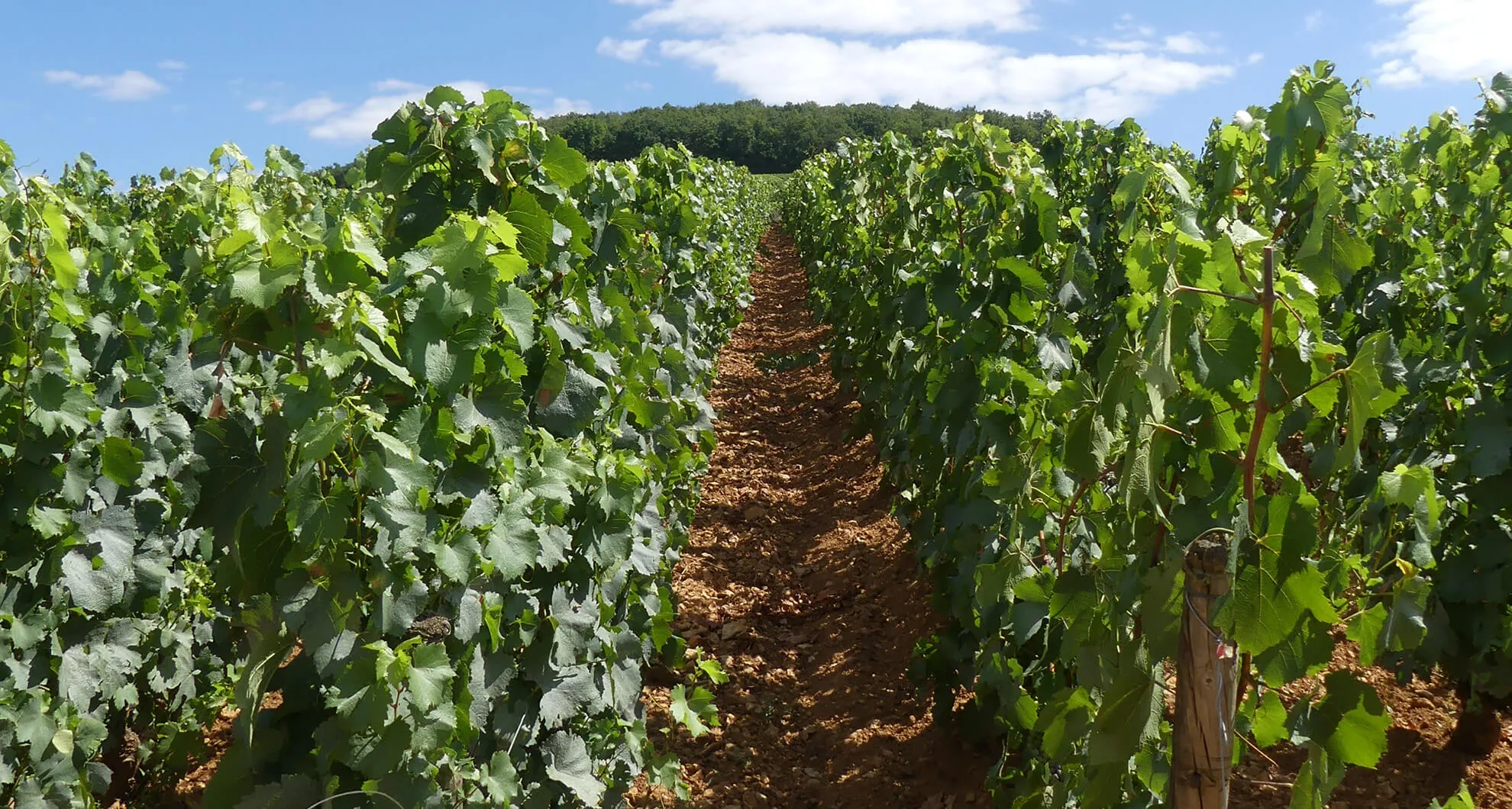
Certification is Ecocert organic under EU control code FR-BIO-01. The domaine describes biodynamic practice in its vineyards and several secondary accounts report a biodynamic certificate from 2011, but none has been verified against a registry.
So the score credits the organic certificate and leaves the biodynamics out entirely. On a domaine of this standing that reads as harsh. It is the same rule applied to every producer here, and the alternative is taking a press mention as proof.
Why it’s remarkable
Free Bacchus Verification
Ecocert Certified Organic (FR-BIO-01)
Certified1
- Ecocert Certified Organic (FR-BIO-01)
Also on record1
- Biodynamic practice — certification not verified
If you’re buying
Cheat sheet
Save it to your phone. Everything you need to recognise this producer, and three things worth saying about it, at a glance in a shop or across a table.