Skip to content
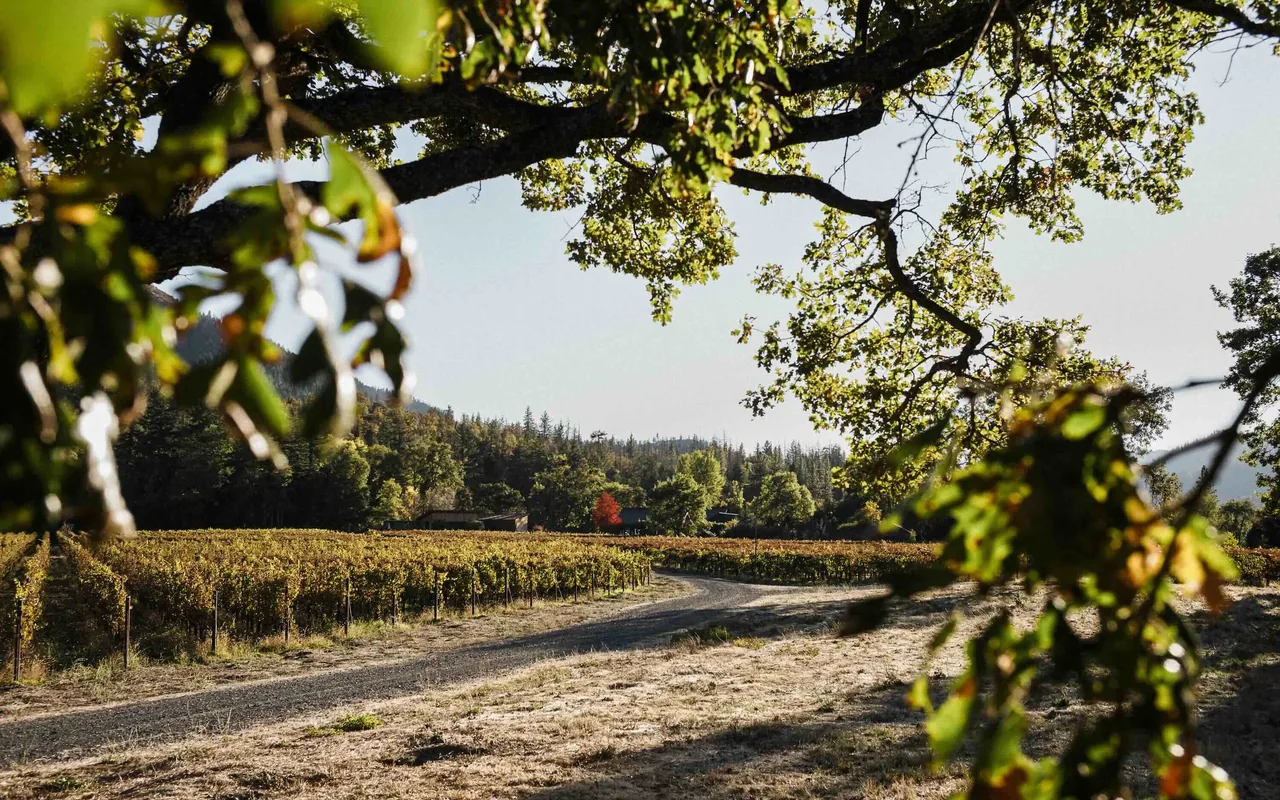
A gravel road curving past autumn-coloured vine rows toward forested hills, seen through tree branches
Applegate ValleyOregonWine

Cowhorn Vineyard & Garden

COW-horn · Applegate is AP-el-gate
Silver TierTypically $45–90
Last verified · August 2026

The estate is named after a cow horn — specifically the one used in biodynamic preparation 500, where manure is packed into a horn, buried through the winter, dug up and applied to the soil in spring. It is the practice sceptics reach for first when they want to dismiss biodynamics as nonsense, and Bill and Barbara Steele put it on the sign.

They established Cowhorn in 2002 on 117 acres in the Applegate Valley, a Southern Oregon sub-appellation sitting higher and drier than the Willamette, with a Mediterranean climate that suits Rhône varieties rather than Pinot Noir. The biodynamic commitment was part of the founding design rather than a later conversion, with livestock, cover crops and composting integrated from the start.
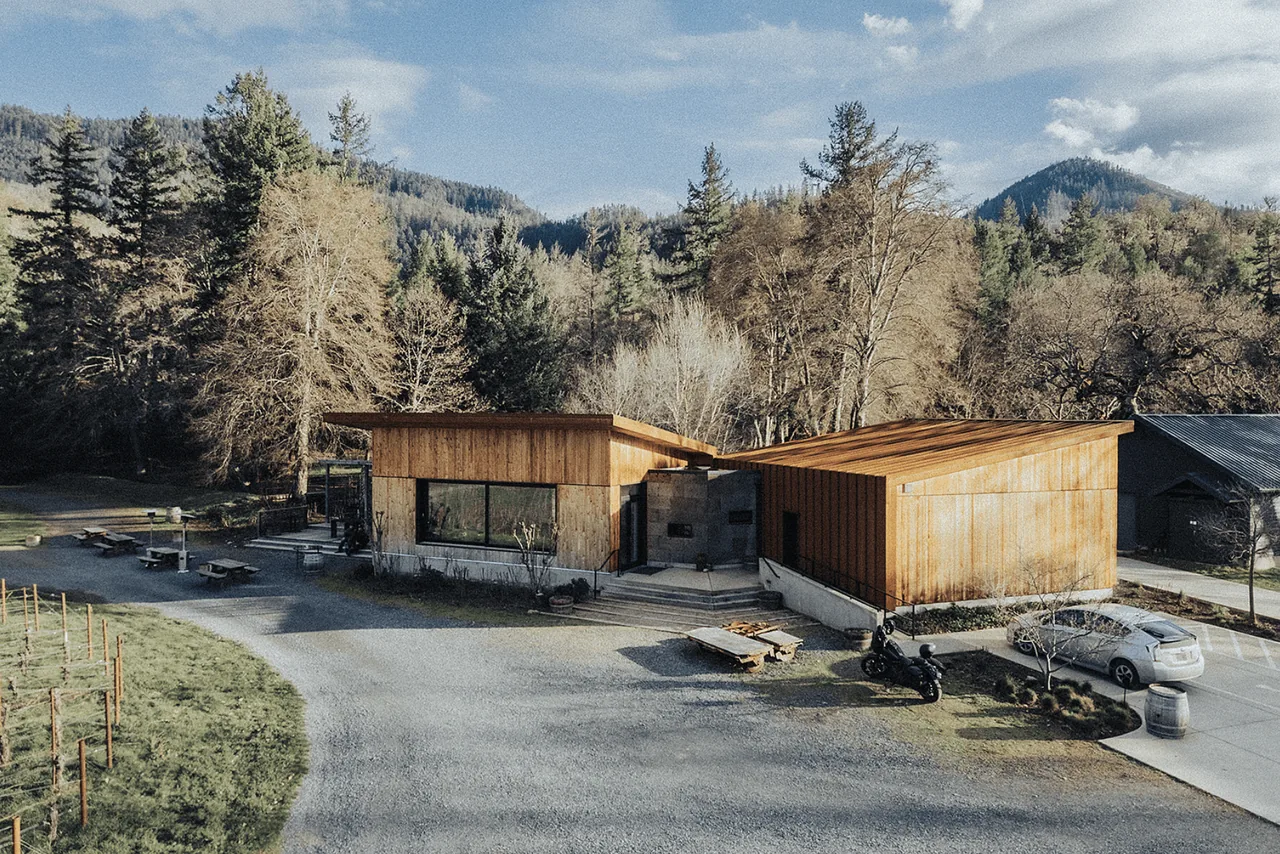
Aerial view of a low timber-clad building with sloping roofs, picnic tables and a gravel forecourt beside vines in forested hills

Barbara Steele's stated position is that agriculture is extractive by definition, and that the job is to do it in a way that leaves the ground better than it was found.

Whatever one makes of preparation 500's origins in Steiner's lectures, estates applying it consistently over years have recorded measurable improvements in soil biology, and the wines here have not suffered for the association. The Spiral 36, a Syrah-dominant blend, has drawn 95 points from Wine Advocate, with the Grenache and Viognier attracting comparable attention.

Distribution is limited, and most of it goes through the mailing list and tasting room, which keeps production stable and the quality consistent. The estate that advertises the ritual on its own sign keeps out-scoring its region, which is worth remembering next time the subject comes up.

Why it’s remarkable

Full Living Certified
the tasting room meets one of the hardest building standards there is
Living Building Challenge 2.1, certified in full, occupied from June 2016. Two thousand two hundred square feet running at net zero energy on a ten-kilowatt solar array using Passivhaus strategies. Almost nobody in the wine trade has attempted this standard, and fewer have passed it.
10% set aside
the biodynamic standard requires land taken out of production
A minimum tenth of total acreage must be given over to biodiversity rather than crops. On a property of over a hundred acres that is real ground deliberately not earning, and it is a requirement most people do not realise the Demeter standard contains.
30 June 2025
the last validity date on Demeter’s register
Demeter still lists Cowhorn, but its international register shows the certificate valid only to 30 June 2025, a cycle behind its Oregon peers. Until Demeter USA confirms a renewal, we call the farming biodynamic in practice. The vineyard’s organic certificate, from CCOF, is current.
‘Extractive by definition’
their own description of what farming is
Barbara Steele’s stated position is that agriculture is extractive by definition, and that the job is to do it in a way that leaves the land at least as good as they found it. That is an unusually unsentimental framing from a producer at this end of the spectrum, and a more honest one than most.
Independently certified, and checked against the issuing body’s own register. Not a compromise on quality — see how we verify.

Free Bacchus Verification

Track A
Formal third-party certification, confirmed against the issuing body’s own register.

CCOF certified organic vineyard · winemaking not certified

Certified1
  • CCOF certified organic, vineyard (crops): USDA NOP 5561007317
Not covered1
  • The winemaking, which is not certified
Also on record1
  • Biodynamic in practice: Demeter’s register shows its certificate valid to 30 June 2025
Re-verified annually against the issuing body’s register. How re-verification works
The producer’s own sitecowhorn.wine
Producers don’t pay to be here. There is no fee to be listed and no way to buy a higher tier. If the evidence doesn’t hold, the bottle isn’t here.
Flagship
Spiral 36 White

If you’re buying

Price
Around US$45 for the flagship bottling. Approximate, and it moves with vintage and market.
Drinking now
Spiral 36 is ready now and improves for three to five years. The Syrah rewards a little longer.
Serving
Whites at 11–12°C. Syrah at 15–16°C, slightly cool. No decanting needed.
Availability
Generally obtainable through specialist retailers.
Tastes like
Rhône varieties from a cool corner of Oregon — the whites textural and stony, the Syrah peppery and savoury rather than ripe.
Pairs with
Grilled pork, roast vegetables, or a soft goat’s cheese.
Price bands are approximate and move with vintage, market and region. They are a guide, not a quotation.

Cheat sheet

Save it to your phone. Everything you need to recognise this producer, and three things worth saying about it, at a glance in a shop or across a table.

32 verified producers in United States →

From the Journal

← COSThe Verification StandardDomaine Tissot →

More Verified Houses · United States

Where to go next

Three more from the cellar, chosen by what is in the glass rather than where it is from.

Domaine François ChidaineWhite · France SorrenbergWhite · Australia Weingut Karl FritschWhite · Austria
↑