-
A CCOF-only count likewise puts Napa first: 5,550 of the 23,187 acres of wine grapes CCOF certified organic in California, as reported by Pam Strayer, October 2024 (Organic Wines Uncorked). Secondary to the state register figures above.
winecountrygeographic.blogspot.com ↗
-
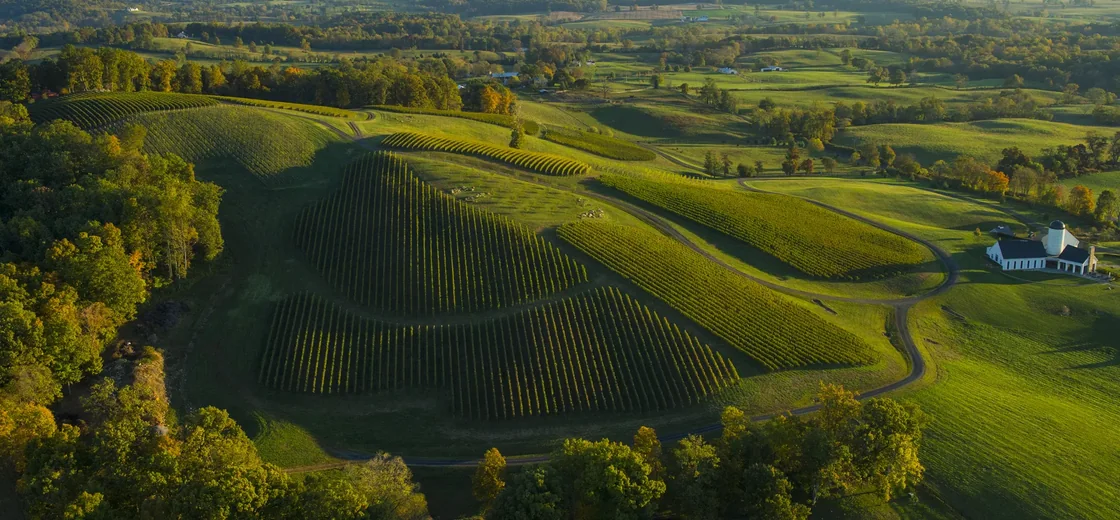
The major internationally recognised United States wine regions: Napa Valley, Sonoma County, the Central Coast including Paso Robles and Santa Barbara, Willamette Valley, Columbia Valley including Yakima and Walla Walla, Finger Lakes, Texas Hill Country and Virginia
vivino.com ↗
-
Redwood Valley lies just north of Lake Mendocino, where Mendocino County's first vineyards were planted in the 1850s, and is known for peppery, spicy Zinfandel; in 2004 the county's residents voted to become the first GMO-free county in the United States, in an initiative supported by many of its largest wineries
en.wikipedia.org ↗
-
Mendocino County voters passed Measure H by 56 to 44 per cent, making it illegal to propagate, grow or raise genetically engineered plants and livestock; the county was the first in the nation to prohibit GMOs (Wine Spectator, 3 March 2004)
winespectator.com ↗
-
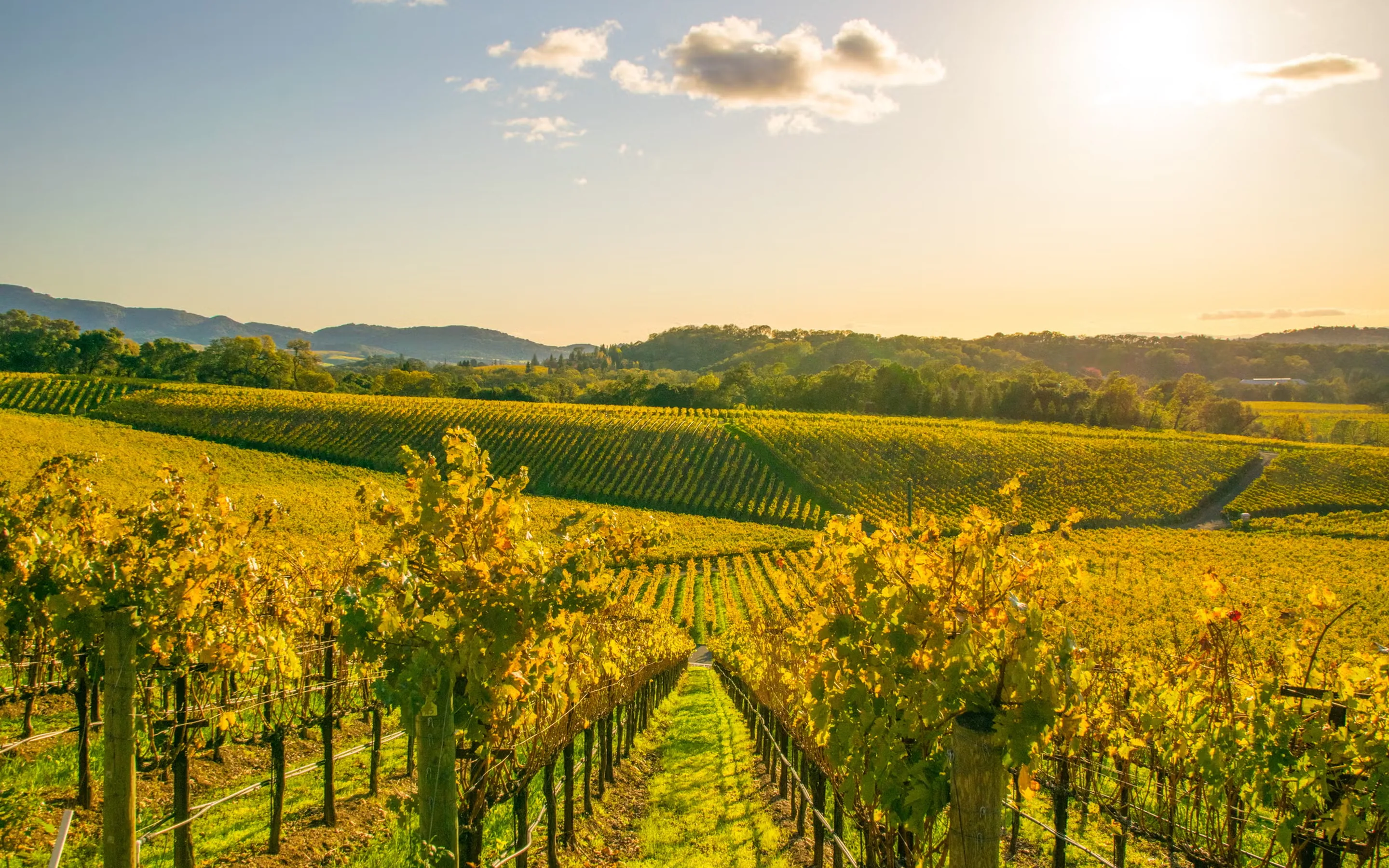
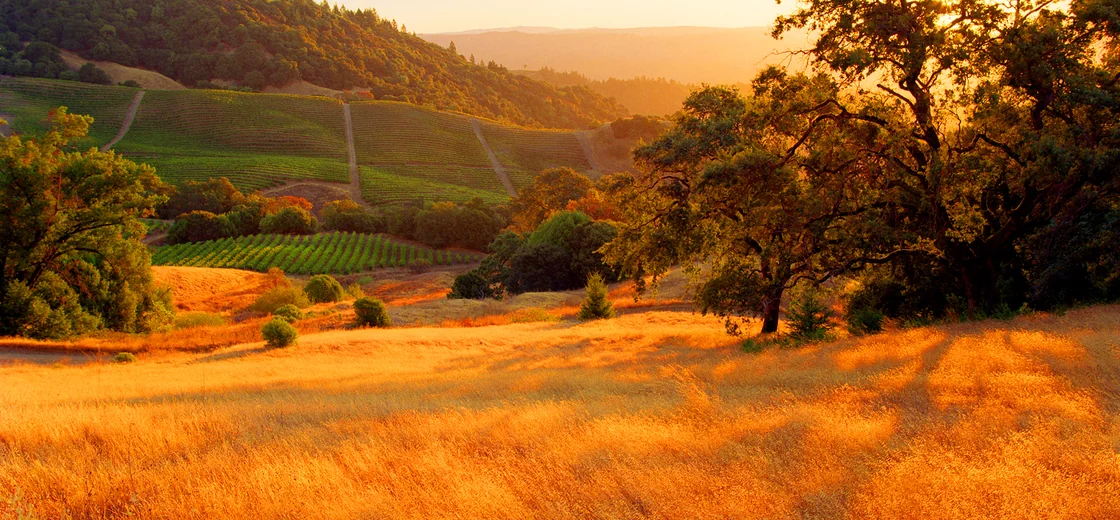
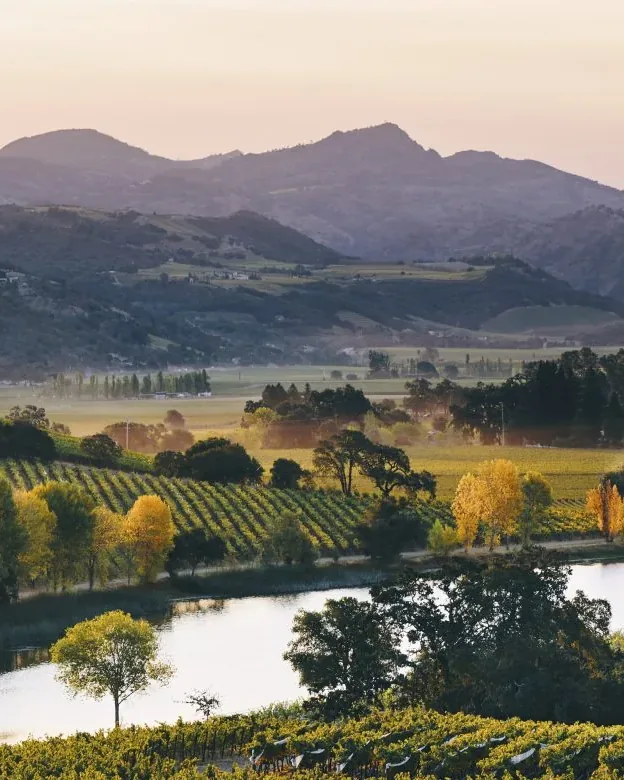
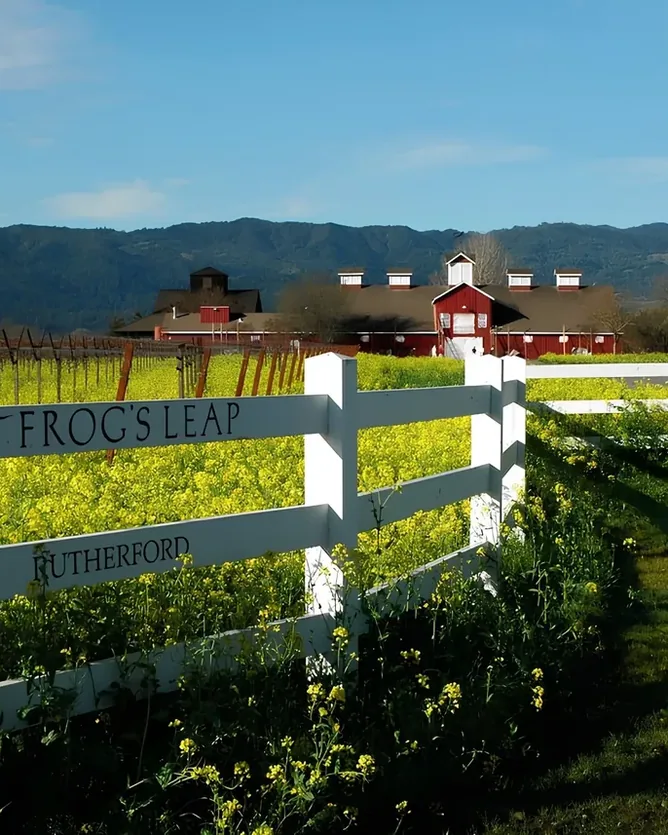
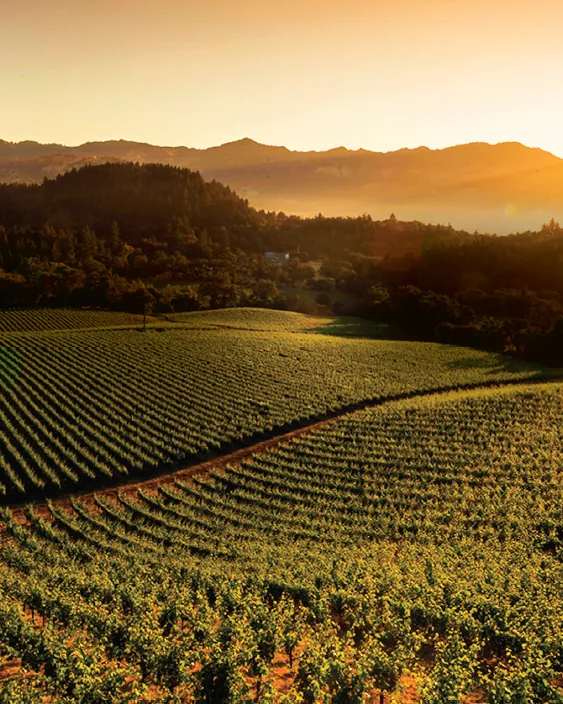
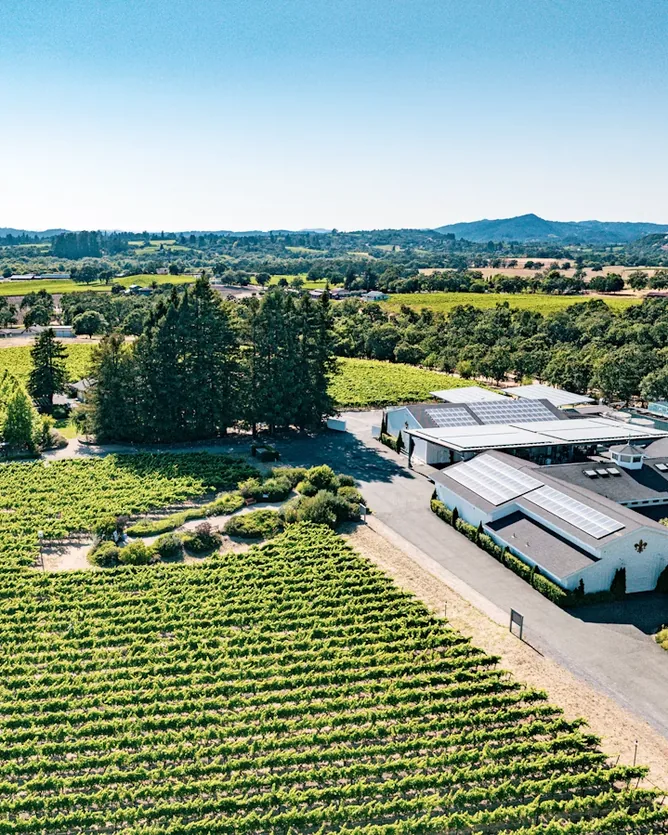
Napa Valley is about 30 miles long and 5 miles wide, with 17 nested AVAs; deep alluvial soils of clay, gravel and sand on the valley floor, shallow rocky and volcanic soils on the slopes; vineyards above the fog line have warmer nights than the valley floor (Napa Valley Vintners)
napavalley.wine ↗
-
Crystal Springs of Napa Valley became the seventeenth AVA within Napa Valley, effective 15 November 2024 (TTB)
ttb.gov ↗
-
Napa County 2025 crop: about 77,801 tons of Cabernet Sauvignon from 23,783 acres, of 144,807 tons from 42,937 bearing acres (Napa County Agricultural Commissioner)
napacounty.gov ↗
-
Napa County 2024 crop: 147,182 tons from 45,967 bearing acres (Napa County Agricultural Commissioner)
napacounty.gov ↗
-
Sonoma County 2024 winegrapes: 57,020 bearing acres of 58,302 total; Chardonnay 14,870 acres (Sonoma County Crop Report 2024)
sonomacounty.gov ↗
-
Marine winds flow through the Petaluma Gap from the Pacific to San Pablo Bay, particularly during the mid-to-late afternoon (TTB final rule, Petaluma Gap AVA, 2017)
govinfo.gov ↗
-
Fog-cooled Russian River Valley against the warmer neighbouring Dry Creek, Alexander and Sonoma valleys (TTB final rule, 2011)
govinfo.gov ↗
-
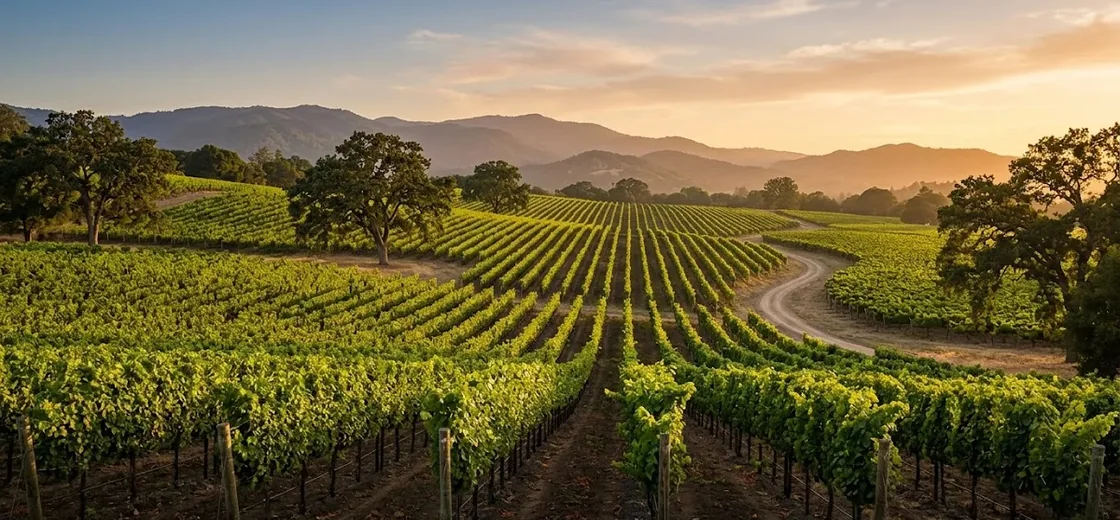
Sonoma County terroir: cool coastal Pinot Noir and Chardonnay, warm inland Alexander Valley and Dry Creek suited to Cabernet and Zinfandel (Sonoma County Winegrowers)
sonomawinegrape.org ↗
-
The Central Coast AVA spans Monterey, Santa Cruz, Santa Clara, Alameda, San Benito, San Luis Obispo, Santa Barbara and San Francisco counties (27 CFR 9.75)
law.cornell.edu ↗
-
Locals pronounce Paso Robles as PASS OH ROW BULLS (Paso Robles Wine Country Alliance)
pasowine.com ↗
-
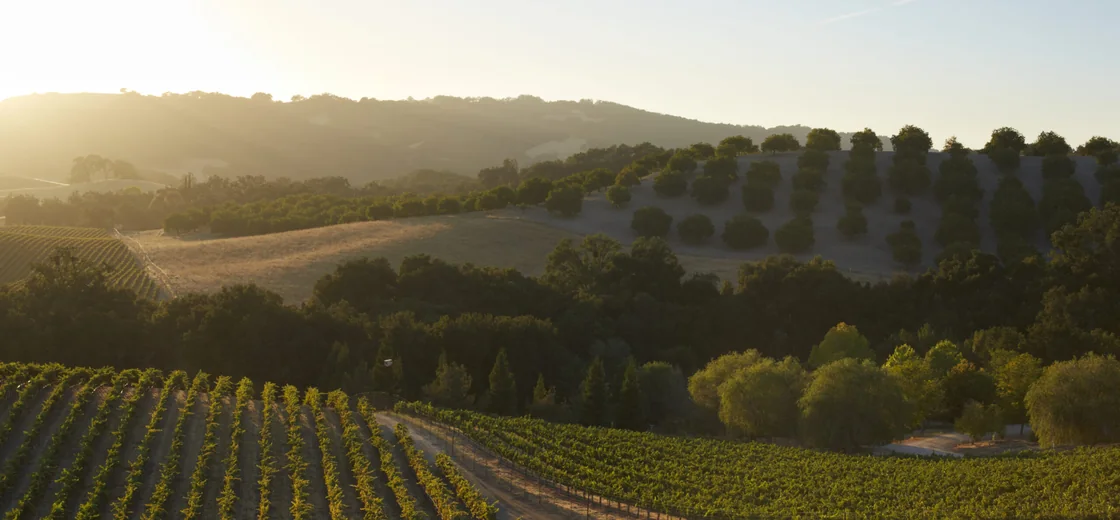
Paso Robles is drier and warmer than the marine-influenced regions to the west and south, with diurnal temperature changes of 40 to 50 degrees; marine air spills through the passes of the Templeton Gap (TTB Notice 140, 2013)
govinfo.gov ↗
-
The Adelaida and Willow Creek districts on the west side have largely calcareous soils (TTB final rule, Paso Robles districts, 2014)
govinfo.gov ↗
-
In the Templeton Gap District the cool breeze begins by 3 p.m. in summer and early fall (Paso Robles Wine Country Alliance)
pasowine.com ↗
-
The most widely planted varieties in the Paso Robles appellation are Cabernet Sauvignon (39 per cent), Merlot, Zinfandel, Syrah and Chardonnay (Paso Robles Wine Country Alliance)
pasowine.com ↗
-
Paso Robles popularised the Rhône blend of Grenache, Syrah and Mourvèdre in the United States (Paso Robles Wine Country Alliance)
pasowine.com ↗
-
The Rhône movement in Paso Robles began in the hills west of the town (Wine Folly)
winefolly.com ↗
-
Santa Barbara County's valleys run east–west, allowing ocean air to flow deep inland (Santa Barbara Vintners fact sheet)
sbcountywines.com ↗
-
Chardonnay (3,200 acres) and Pinot Noir (2,898 acres) are Santa Barbara County's two leading grapes (Santa Barbara Vintners)
sbcountywines.com ↗
-
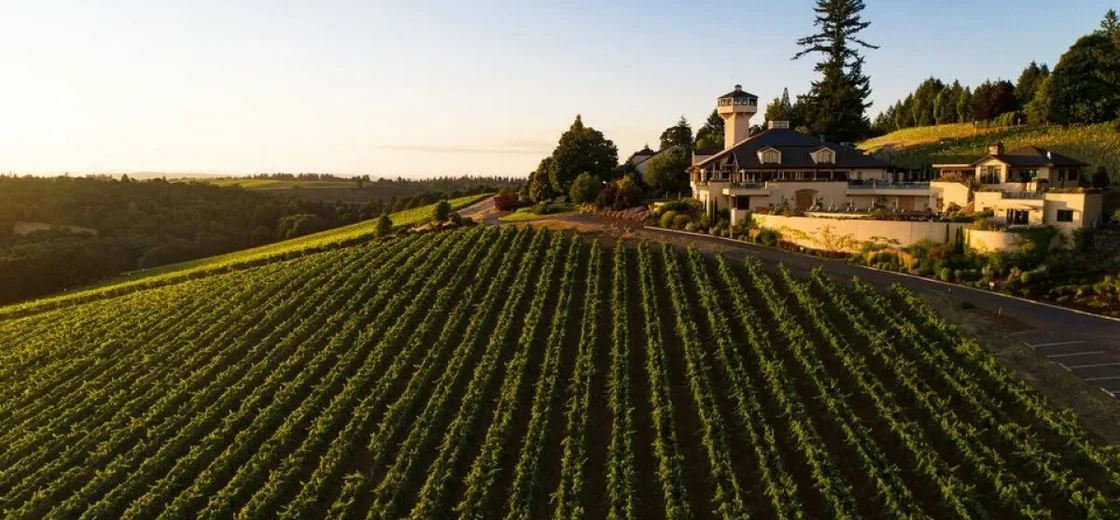
The Willamette Valley AVA lies in north-western Oregon between the Coast Range and the Cascade Mountains (27 CFR 9.90)
law.cornell.edu ↗
-
The Willamette Valley lies along the 45th parallel; the Côte d'Or along the 47th (Napa Valley Wine Academy)
napavalleywineacademy.com ↗
-
Willamette Valley rainfall: 1.02 inches June–August, 6.4 inches December–February (Willamette Valley Wineries Association)
willamettewines.com ↗
-
Pinot Noir is about 70 per cent of Willamette Valley plantings (Willamette Valley Wineries Association)
willamettewines.com ↗
-
2024 census: 22,736 acres of Pinot Noir of 33,634 planted in the North and South Willamette (Oregon Wine Board, University of Oregon)
industry.oregonwine.org ↗
-
David Lett rooted Pinot Noir cuttings in 1965, the first plantings in the Willamette Valley; in 1979 the Eyrie 1975 South Block Reserve placed in the top ten at the Gault-Millau Wine Olympiad in Paris (Oregon Wine Board)
oregonwine.org ↗
-
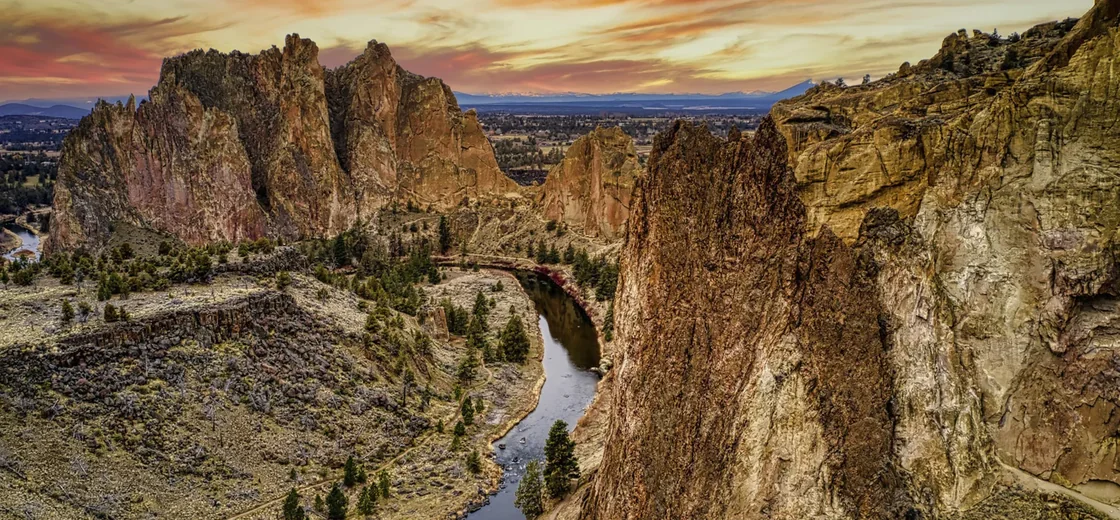
The Applegate Valley is approximately 50 miles long, running from near the California border, and lies entirely within the Rogue Valley viticultural area (TTB final rule, 2000; 27 CFR 9.165)
govinfo.gov ↗
-
Southern Oregon is warmer and drier than the Willamette Valley to the north (TTB final rule, Southern Oregon AVA, 2004)
govinfo.gov ↗
-
Applegate Valley: 278,190 acres, about 750 planted; vineyards up to 2,000 feet; hot days and cool nights; main varieties Merlot, Cabernet Sauvignon, Chardonnay, Syrah, Tempranillo and Pinot Noir (Oregon Wine Board)
oregonwine.org ↗
-
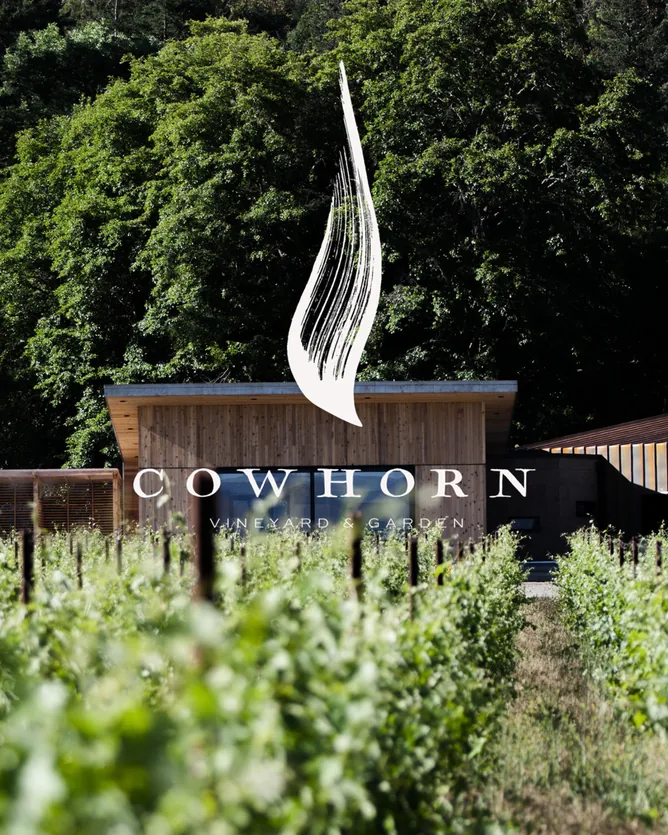
Cowhorn is a certified Organic and Biodynamic vineyard and winery (Oregon Wine Board)
oregonwine.org ↗
-
Troon Vineyard is a Demeter Biodynamic and Regenerative Organic Certified winery (Applegate Valley Wine Trail)
applegatevalley.wine ↗
-
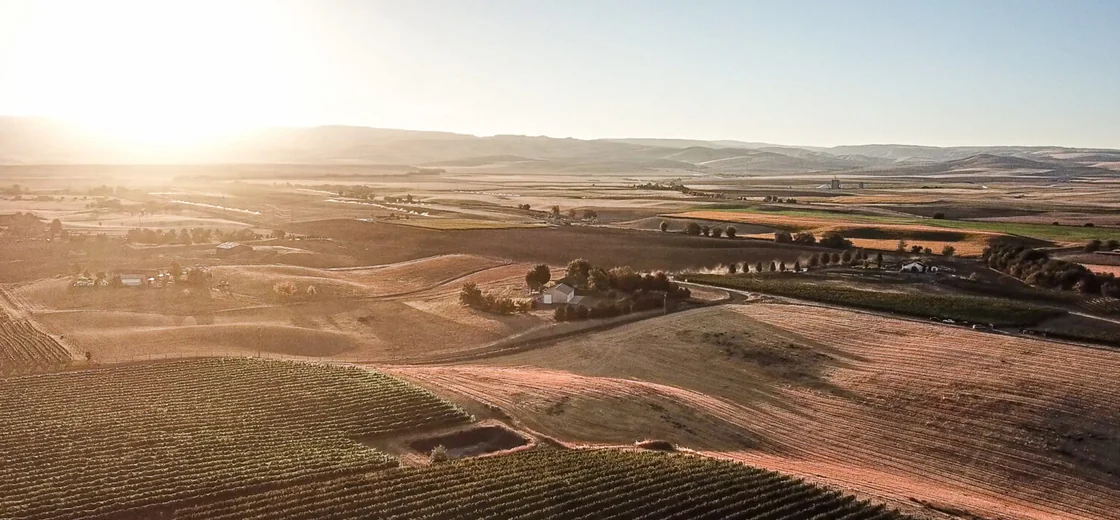
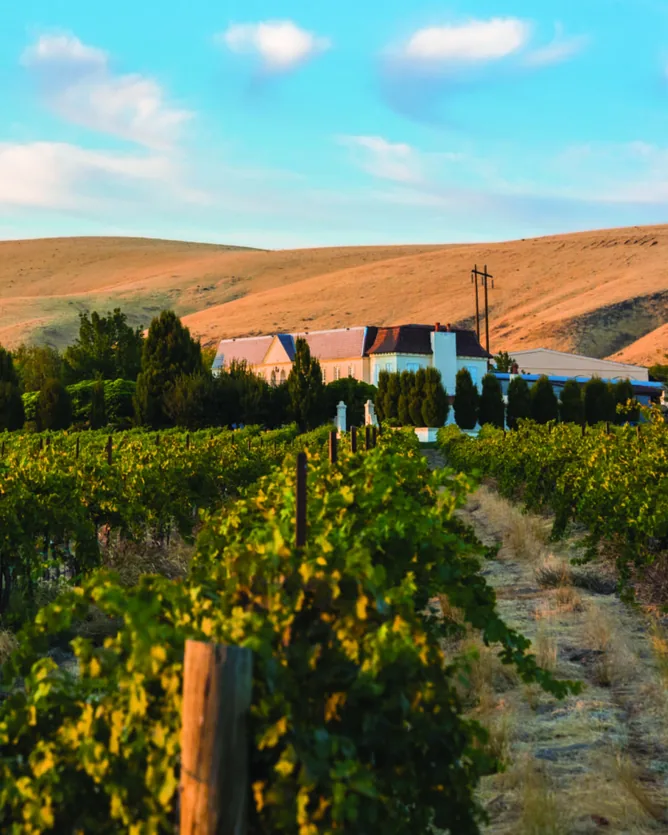
The Columbia Valley lies wholly east of the Cascades in their rain shadow; over 99 per cent of Washington's acreage is planted there; 6–8 inches of rain; watered by the Columbia, its tributaries and aquifers; loess over gravel and slackwater sediment (Washington State Wine Commission)
washingtonwine.org ↗
-
The Columbia Valley viticultural area includes the Yakima Valley and Walla Walla Valley viticultural areas (TTB final rule, 1984)
ttb.gov ↗
-
The Ice Age floods swept the region 18,000 to 15,000 years ago (National Park Service, Ice Age Floods National Geologic Trail)
nps.gov ↗
-
Washington's vineyards get up to 17 hours of sunlight a day in summer, with a diurnal shift of 35 to 47°F (Washington State Wine Commission)
washingtonwine.org ↗
-
Washington's 2025 harvest: Cabernet Sauvignon the top variety, followed by Chardonnay, Riesling, Syrah and Merlot (Washington State Wine Commission, April 2026)
washingtonwine.org ↗
-
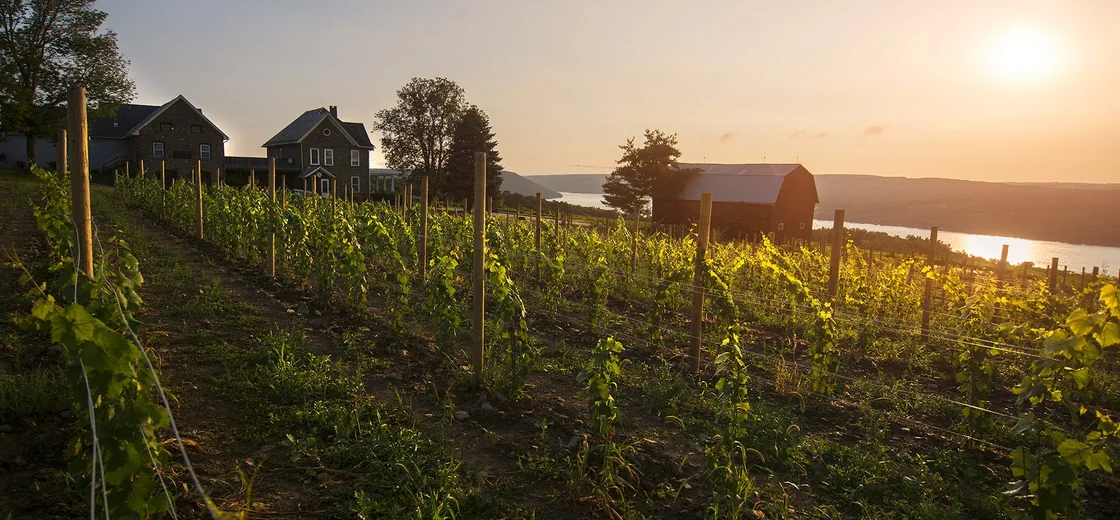
Of the eleven Finger Lakes, Canandaigua, Keuka, Seneca and Cayuga are central to the winegrowing region (New York Wine & Grape Foundation)
newyorkwines.org ↗
-
Seneca Lake rarely freezes, and because of it grapes can be grown where they otherwise would not survive the cold of early spring or the late autumn frosts (TTB final rule, Seneca Lake AVA, 2003)
govinfo.gov ↗
-
Finger Lakes Riesling ranges from bone dry to sweet, balanced by cool-climate acidity (Finger Lakes Wine Alliance)
fingerlakeswinealliance.com ↗
-
Cabernet Franc is the most planted red Vitis vinifera variety in New York, per the New York Wine & Grape Foundation's 2024 Vineyard Report (The Drinks Business, March 2026)
thedrinksbusiness.com ↗
-
The Texas Hill Country viticultural area consists of 15,000 square miles; the Ohio River Valley area is about 30,000 (ATF, Federal Register, 26 September 2000)
federalregister.gov ↗
-
The Upper Mississippi River Valley AVA covers 29,914 square miles (TTB, Federal Register, 2009)
federalregister.gov ↗
-
The Columbia Valley AVA covers approximately 11,370,320 acres (TTB, Federal Register, 2016)
federalregister.gov ↗
-
The Texas Hill Country viticultural area covers the eastern two-thirds of the Edwards Plateau; most of its hills are limestone, sandstone or granite; its air is drier than the humid country to the east and south (T.D. ATF-318, 1991)
govinfo.gov ↗
-
2,259 acres of vineyard in the Texas Hill Country in crop year 2021 (Texas A&M AgriLife, Texas Crush Report and Vineyard Production Survey)
aggie-horticulture.tamu.edu ↗
-
The Texas Hill Country AVA lies north of San Antonio and west of Austin (Texas Wine and Grape Growers Association)
txwines.org ↗
-
Pierce's disease is the single greatest limiting factor to wine grape production in much of Texas and is endemic throughout Central Texas; fungal disease appears in the Hill Country especially in wet seasons; Tempranillo is well adapted to Texas heat (Texas A&M AgriLife, Starting a Vineyard in Texas, HT-134)
aggie-horticulture.tamu.edu ↗
-
In the Texas Hill Country, Mediterranean varieties thrive: Tempranillo, Mourvèdre and Sangiovese alongside Viognier and Syrah (Wine Folly)
texashillcountry.guides.winefolly.com ↗
-
In Virginia, frequent rainfall and high humidity can drive rapid disease development; black rot thrives in warm, wet spring conditions (Virginia Cooperative Extension, SPES-807)
pubs.ext.vt.edu ↗
-
Jefferson's European vineyards at Monticello: seven major experiments; unlikely that wine was made there in his lifetime; European vines virtually impossible to grow until black rot and phylloxera could be controlled (Thomas Jefferson Foundation)
monticello.org ↗
-
Jefferson's first vine plantings at Monticello, 1773–74 (Thomas Jefferson Foundation, Jefferson Libraries)
tjlibraries.monticello.org ↗
-
In 2011 the Virginia Wine Board designated Viognier Virginia's signature grape (Virginia Vineyards Association)
virginiavineyardsassociation.org ↗
-
Cabernet Franc remained Virginia's most planted grape variety in 2024, with 629 acres (Virginia 2024 Commercial Grape Report)
mcusercontent.com ↗
-
Cabernet Franc is very resilient in adverse conditions like intense rain; Petit Verdot ripens more easily and earlier in Virginia than in Bordeaux (SevenFifty Daily, 2018)
daily.sevenfifty.com ↗
-
California is one of five places in the world with warm, dry summers and cool, wet winters, a Mediterranean climate (UC Natural Reserve System)
ucnature.org ↗
-
The Willamette Valley's cool, wet winters and warm, dry summers closely resemble California's Mediterranean climate (Oregon State University, Special Report 914)
ir.library.oregonstate.edu ↗
-
Napa State Hospital mean monthly precipitation 1893–2013: 25.10 inches a year; October to April 23.31; June to September 0.60 (Western Regional Climate Center)
wrcc-archive.dri.edu ↗
-
Grape powdery mildew does not require free water for infection (UC Agriculture and Natural Resources, 2026)
ucanr.edu ↗
-
Powdery mildew keeps producing spores as long as moderate temperatures persist; sulfur is permitted in organic production (UC IPM)
ipm.ucanr.edu ↗
-
Powdery mildew is the most enduring and persistent disease problem in California vineyards (Gubler et al., APSnet Feature, 1999, doi:10.1094/APSnetFeature-1999-0199)
harvest.com ↗
-
Limited rainfall in spring and summer generally limits the spread of grape downy mildew in California (UC IPM)
ipm.ucanr.edu ↗
-
Botrytis bunch rot needs free moisture on the fruit (UC IPM)
ipm.ucanr.edu ↗
-
California wine-type grapes, estimated bearing acres: 570,000 in 2023, 540,000 in 2024, 510,000 in 2025 (USDA NASS / CDFA, California Grape Acreage Report, 2025 Summary, released 22 April 2026)
nass.usda.gov ↗
-
Prime vineyard land in 2021: Napa $300,000–$500,000 an acre, Sonoma $90,000–$215,000, Temecula $50,000–$135,000 (California Chapter, American Society of Farm Managers and Rural Appraisers, 2022 Trends)
calasfmra.com ↗
-
UC Cooperative Extension cost study, organic winegrapes, Napa County, 2005: eight mildew treatments (seven sulfur, one biological); weeds controlled mechanically in April, May and July
coststudyfiles.ucdavis.edu ↗
-
UC Cooperative Extension cost study, winegrapes, Napa County, 2003: six mildew treatments, five of them sulfur, and one herbicide strip spray
coststudyfiles.ucdavis.edu ↗
-
The State Organic Program registers both certified operations and those exempt from certification. Organic wine grapes, 2023: 33,500.84 acres statewide; Napa 6,696.56, San Luis Obispo 5,005.90, Mendocino 4,907.66, Madera 4,238.87, Sonoma 2,869.03, Lake 2,347.08 (CDFA, California Agricultural Organics Report 2023–2024)
cdfa.ca.gov ↗
-
Reported bearing acres of wine-type grapes, 2023: Napa 43,958, Sonoma 57,390, Mendocino 16,813, Lake 11,093, Madera 26,696 (USDA NASS / CDFA, California Grape Acreage Report, 2023 Crop, detailed tables)
nass.usda.gov ↗
-
Organic wine grapes registered in California: 13,131 acres in 2016 (UC Davis Agricultural Issues Center, Statistical Review of California's Organic Agriculture 2013–2016, Table 24)
cail.ucdavis.edu ↗
-
Napa County organic winegrapes, from the CDFA State Organic Program database: 6,589 acres in 2025, of 45,208 acres of winegrapes (Napa County Crop Report 2025)
napacounty.gov ↗
-
Pesticides are overwhelmingly derived from fossil fuels and their manufacture is energy-intensive, and a warming climate raises pest and disease pressure, which raises pesticide use in turn
pan-uk.org ↗
-
The loop between the two: emissions from pesticide manufacture and use contribute to warming, and warming drives further pesticide use
panna.org ↗