Skip to content
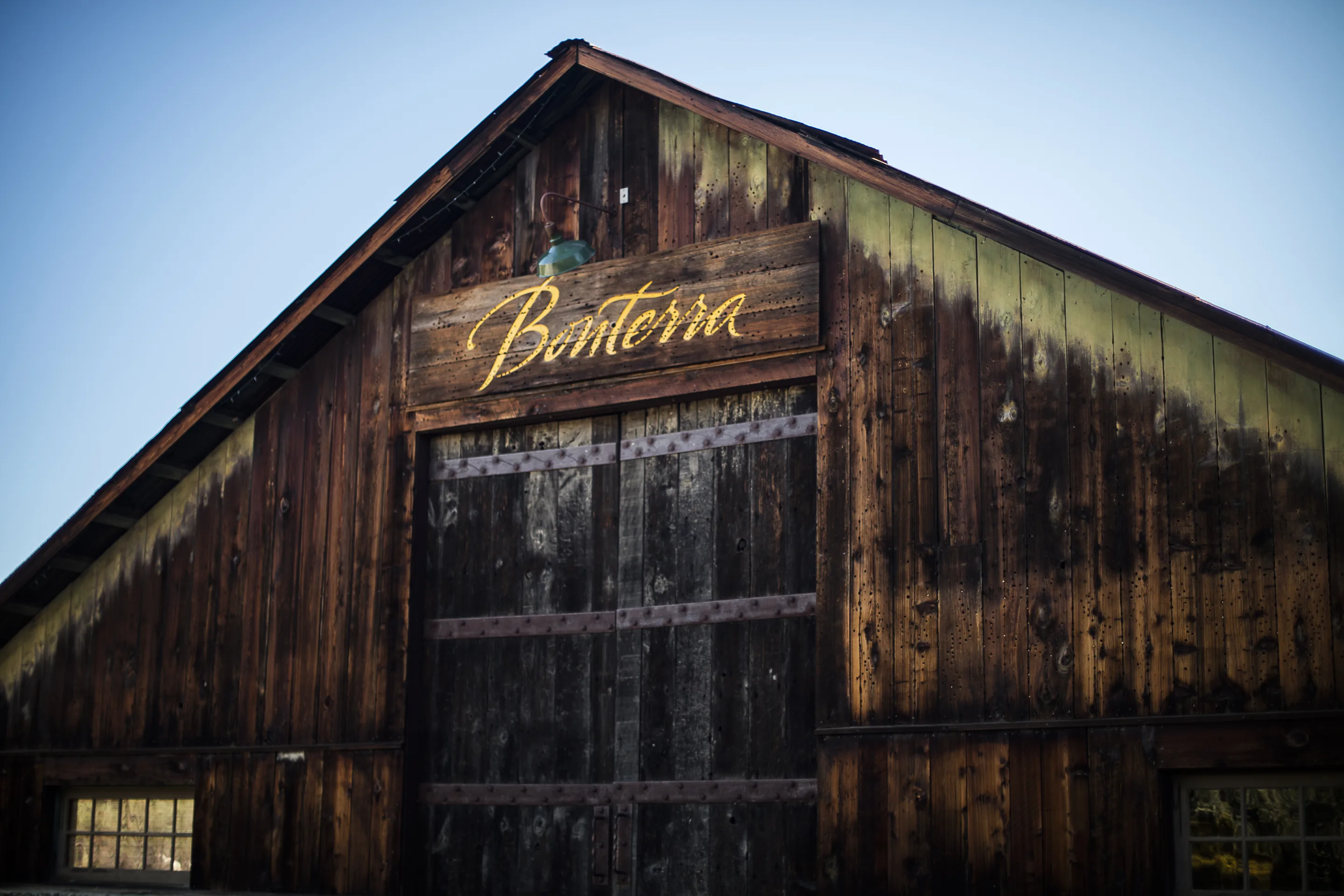
Weathered timber barn with the name Bonterra in gold script over its doors, against a blue sky
Hopland, Mendocino County, CaliforniaUnited StatesWine from Organic Vineyards

Bonterra Organic Estates

Silver TierTypically $45–90
Last verified · September 2026

Bonterra started as an experiment inside a bigger wine company. Fetzer Vineyards, founded in Mendocino County in 1968, planted its first organic vineyard in 1987, and in August 1989 its vineyards were certified organic by CCOF.

The business changed hands twice. Brown-Forman bought Fetzer from the family in 1992 and agreed in 2011 to sell it to Chile’s Concha y Toro for $238 million. By 2022 the organic label had overtaken the Fetzer label, which sells about 400,000 cases a year, and the company took its name: Bonterra Organic Estates. The legal company is still Fetzer Vineyards, and it still makes the Fetzer and 1000 Stories wines.
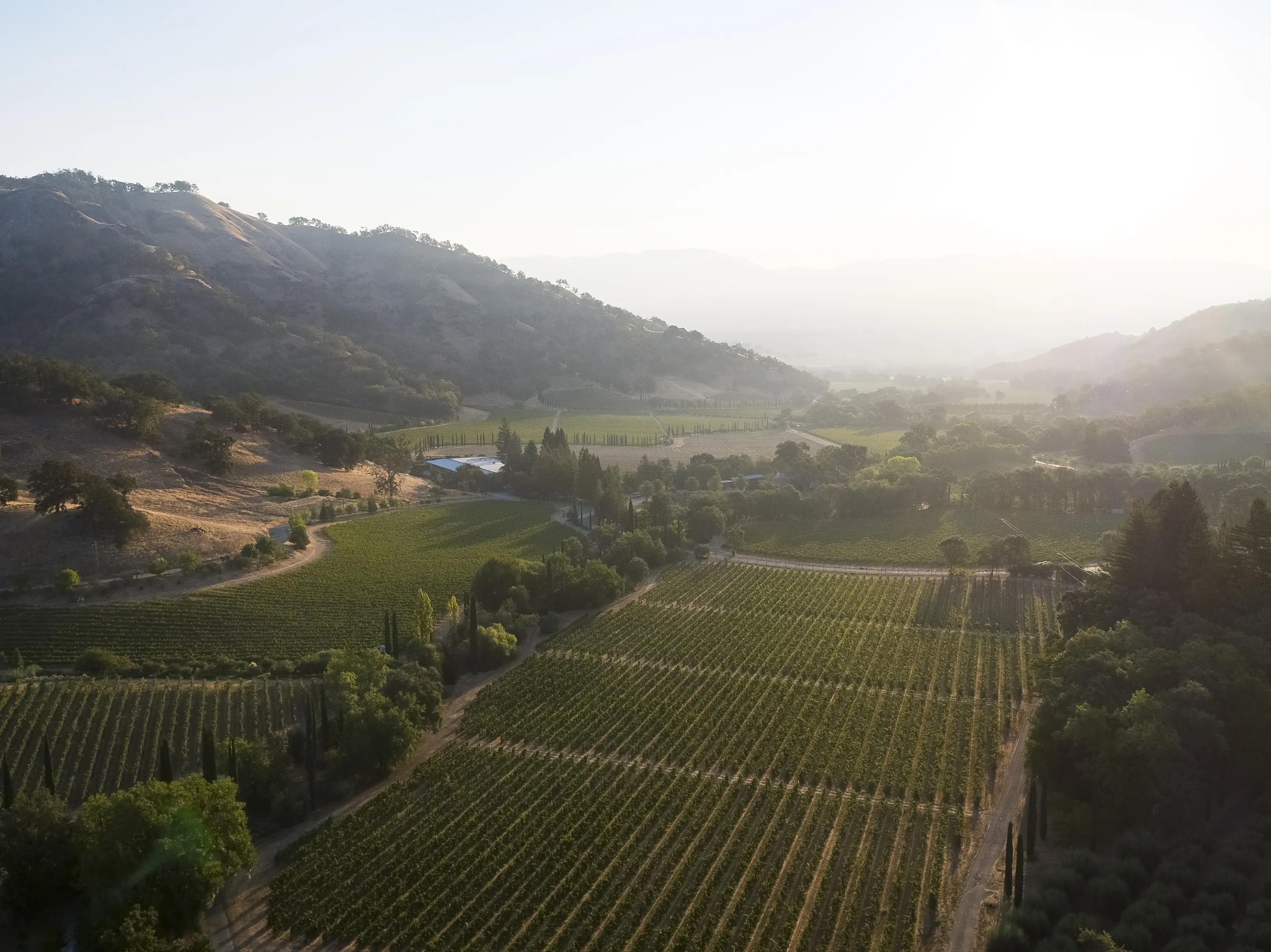
Aerial view over vineyard blocks and tree-lined tracks in a Mendocino valley, with dry oak-dotted hills and morning haze

Growing at that size meant bringing other farmers along. Bonterra’s own vineyards supply about half its grapes, and to get the other half certified it has had to help more than two dozen contract growers make the change, which its chief executive at the time admitted was not easy.

Two things are worth knowing about the label. Bonterra adds sulfites, so under US rules its wines are made with organic grapes and cannot carry the USDA organic seal. And the company is a B Corp, certified since May 2015, which speaks to how it is run rather than to how the grapes are grown.

“When I started trying to convince growers to move, it was not as easy”
Giancarlo BianchettiChief executive, Bonterra Organic Estates, on converting contract growers, 2022 · The Press Democrat

Why it’s remarkable

1987
Fetzer’s first organic vineyard
An experiment inside a bigger company, certified by CCOF in August 1989. In 2022 the company renamed itself after the organic label.
Half
of the grapes, from other people’s vineyards
To certify them, Bonterra has had to help more than two dozen contract growers convert to organic farming.
No seal
on a wine made with organic grapes
Bonterra adds sulfites, so under US rules its wines cannot carry the USDA organic seal.
2016
American Winery of the Year
From Wine Enthusiast’s Wine Star Awards.
Independently certified, and checked against the issuing body’s own register. Not a compromise on quality — see how we verify.

Free Bacchus Verification

Track A
Formal third-party certification, confirmed against the issuing body’s own register.

USDA organic (CCOF) · wines made with organic grapes

Certified1
  • USDA organic (CCOF): vineyards since 1989, winery handling since 2020
Also on record2
  • The wines are made with organic grapes and cannot carry the USDA seal
  • B Corp
Re-verified annually against the issuing body’s register. How re-verification works
The producer’s own sitebonterra.com
Producers don’t pay to be here. There is no fee to be listed and no way to buy a higher tier. If the evidence doesn’t hold, the bottle isn’t here.
Flagship
The McNab
Best award
American Winery of the Year · Wine Enthusiast Wine Star Awards 2016

If you’re buying

Price
About US$14 for the organically grown Chardonnay at US retail, and about US$45 for The McNab, the single-vineyard Cabernet blend. Approximate, and it moves with vintage.
Availability
Widely available; the Chardonnay was in stock at Wine.com in September 2026.
Price bands are approximate and move with vintage, market and region. They are a guide, not a quotation.

Cheat sheet

Save it to your phone. Everything you need to recognise this producer, and three things worth saying about it, at a glance in a shop or across a table.

32 verified producers in United States →

From the Journal

← Fantesca Estate & WineryThe Verification StandardFarmer's Organic Gin →

More Verified Houses · United States

↑