Skip to content
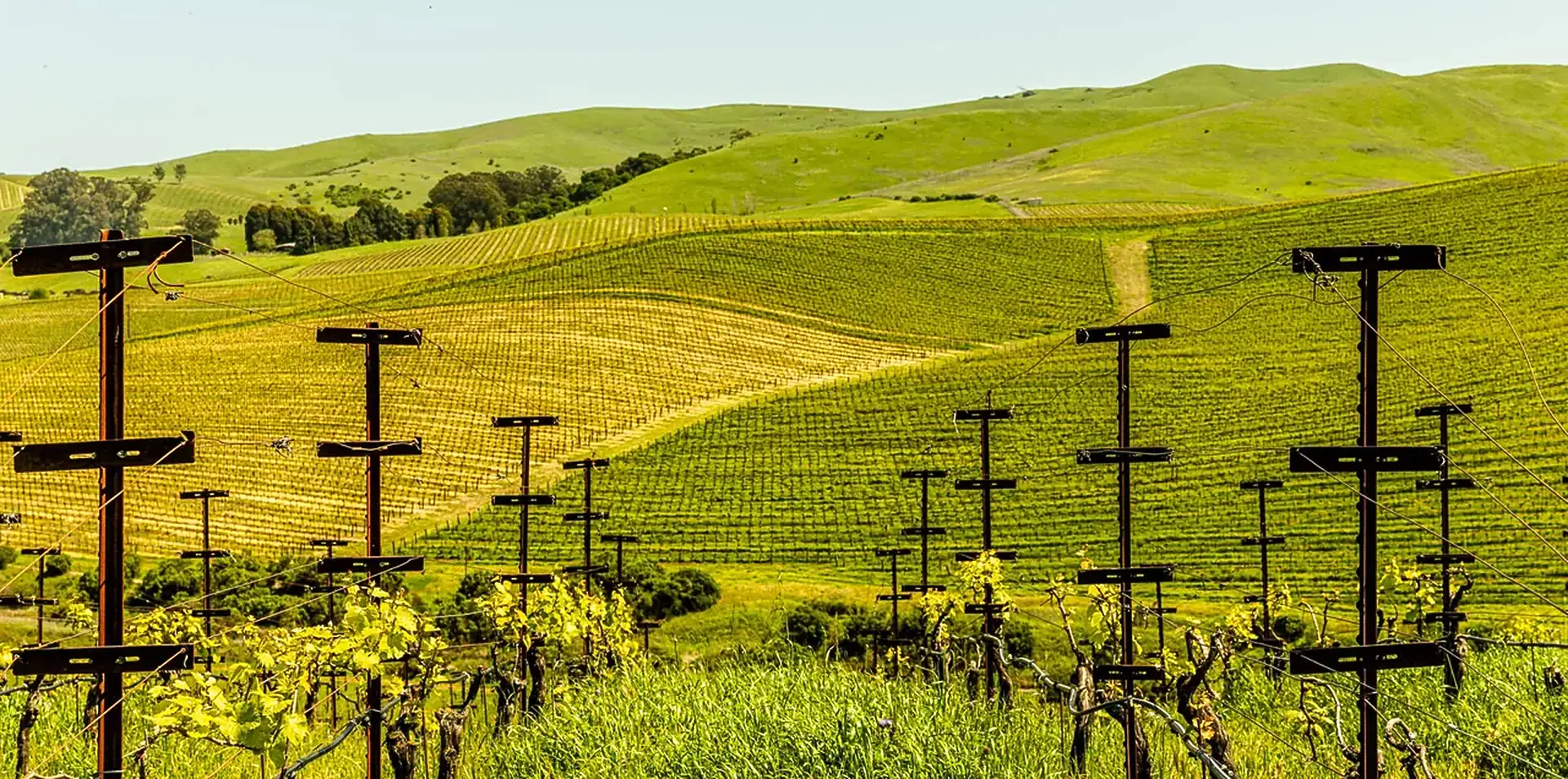
Vineyards on rolling green hills seen past tall wooden posts with crossarms, with new vine growth in the foreground
Rutherford, Napa ValleyUnited StatesOrganic Wine

Grgich Hills Estate

GER-gich hills · Miljenko is mil-YEN-ko
Gold TierTypically $45–90
Last verified · September 2026

Miljenko Grgich made the Chardonnay that beat white Burgundy at the 1976 Judgment of Paris. He made it at Chateau Montelena, not here — Grgich Hills did not exist yet, and he founded it the following year with Austin Hills. That is the story everyone knows about this house. It is not the interesting one.

The interesting one starts in 2000, when Ivo Jeramaz took over the vineyards. Jeramaz is Grgich's nephew; he came from Croatia in 1986 and changed career to work for his uncle. He put all five estate vineyards onto organic farming and then more or less stopped talking about grapes at all in favour of talking about soil.
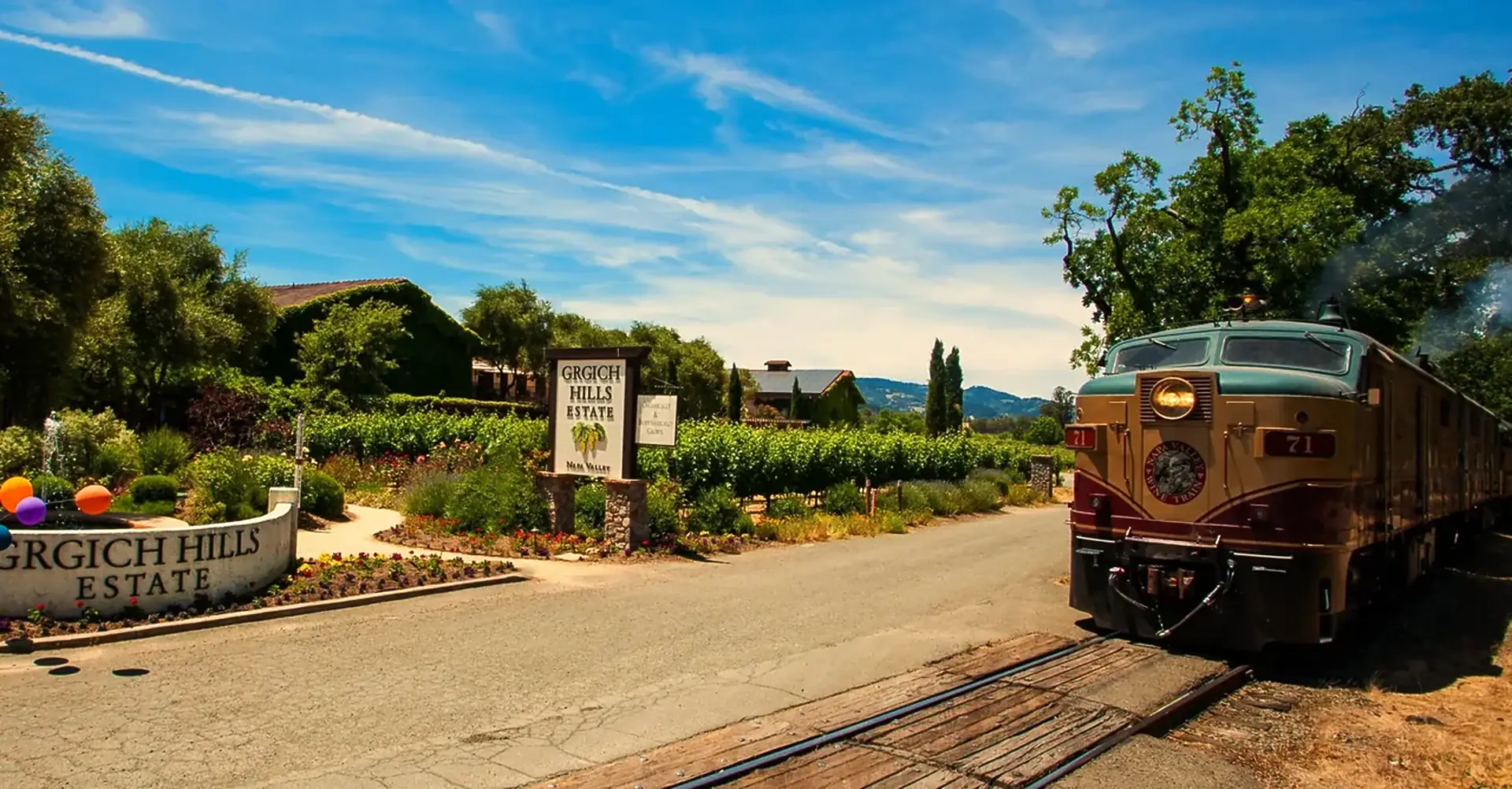
A Grgich Hills Estate entrance sign beside a road, vines and flower beds behind, and a gold and green Napa Valley Wine Train locomotive at right

The USDA's organic register lists Grgich Hills Cellar under CCOF across 451 acres, certified for crops and for handling — and the handling list is the part that matters. The wines are named on it one by one and vintage by vintage: the Napa Valley Chardonnay, the Fumé Blanc, the Cabernets, the Zinfandel, and a Croatian grape called Crljenak Kaštelanski that DNA work identified as Zinfandel under another name. The wine itself is certified organic, not only the fruit it was made from. Three of the other Napa houses in this cellar — Corison, Frog's Leap and Eisele — certify the fruit and stop there, so the difference shows in the register rather than on the label.

In March 2023 the estate added Regenerative Organic Certification from the Regenerative Organic Alliance, a standard that begins where organic ends and then asks for evidence that soil, biodiversity and working conditions are improving rather than holding. Jeramaz's line on it is that none of this is new: he calls it back to the future, because it is roughly how he and his uncle farmed in Croatia before either of them saw California.

Which brings it back to Chardonnay. The Napa Valley bottling is still the wine people come for, and at around $49 it is the least expensive way into a house whose Cabernets cost several times as much.

“The principles of Regenerative Agriculture are not new, really.”
Ivo JeramazWinemaker and Vice President of Vineyards and Production, 2023 · Grgich Hills Estate

Why it’s remarkable

451 acres, every vintage listed
the wine is certified, not only the grapes
The USDA organic register lists Grgich Hills Cellar under CCOF for crops and for handling across 451 acres, and the handling list names the wines one by one, vintage by vintage — Chardonnay, Fumé Blanc, the Cabernets, Zinfandel. Corison, Frog's Leap and Eisele all certify the fruit and stop there. The difference shows in the register rather than on the label.
1976, but not here
the Judgment of Paris happened before this winery existed
Miljenko Grgich made the Chardonnay that beat white Burgundy at the 1976 Paris tasting, and he made it at Chateau Montelena. Grgich Hills was founded the year after, with Austin Hills. It is worth separating, because the reputation the house trades on was earned at a different address.
March 2023
Regenerative Organic Certification from the Regenerative Organic Alliance
The standard begins where organic ends and then asks for evidence that soil, biodiversity and working conditions are improving. Only a small number of wineries anywhere hold it. Jeramaz calls the whole approach back to the future, because it is roughly how he and his uncle farmed in Croatia before either of them saw California.
Crljenak Kaštelanski
a Croatian grape that turned out to be Zinfandel
DNA work identified Crljenak Kaštelanski, a nearly extinct Dalmatian variety, as the same grape California calls Zinfandel. Grgich Hills grows it under its Croatian name and the bottling is on the organic certificate like everything else. A house founded by a Croatian in Napa closing that loop is a nice piece of symmetry, and it is also just a good wine.
Independently certified, and checked against the issuing body’s own register. Not a compromise on quality — see how we verify.

Free Bacchus Verification

Track A
Formal third-party certification, confirmed against the issuing body’s own register.

CCOF Organic · Regenerative Organic Certified

Certified2
  • CCOF Organic (NOP 5561005544) — 451 acres, crops and winemaking, with every vintage listed in the USDA organic register
  • Regenerative Organic Certified (Regenerative Organic Alliance, 2023)
Re-verified annually against the issuing body’s register. How re-verification works
The producer’s own sitegrgich.com
Producers don’t pay to be here. There is no fee to be listed and no way to buy a higher tier. If the evidence doesn’t hold, the bottle isn’t here.
Flagship
Estate Grown Chardonnay, Napa Valley
Best award
Gold · San Francisco Chronicle Wine Competition

If you’re buying

Price
Around US$49 for the Napa Valley Chardonnay. Approximate; the Cabernets cost several times that.
Drinking now
The Chardonnay is ready on release and holds for several years. The Cabernets reward keeping.
Serving
The Chardonnay at 10–12°C — cool, not cold from the fridge door, or the texture disappears.
Availability
Widely distributed in the United States through Wilson Daniels, and direct from the estate at Rutherford.
Tastes like
Chardonnay with citrus and apple rather than butter or oak — leaner and firmer than Napa’s reputation suggests.
Pairs with
Roast chicken, crab, or a soft cheese with a little salt.
Price bands are approximate and move with vintage, market and region. They are a guide, not a quotation.

Cheat sheet

Save it to your phone. Everything you need to recognise this producer, and three things worth saying about it, at a glance in a shop or across a table.

32 verified producers in United States →

From the Journal

← Corison WineryThe Verification StandardSquare One Organic Spirits →

More Verified Houses · United States

Where to go next

Three more from the cellar, chosen by what is in the glass rather than where it is from.

Domaine JosmeyerWhite · France Domaine WeinbachWhite · France CedarCreek Estate WineryWhite · Canada
↑