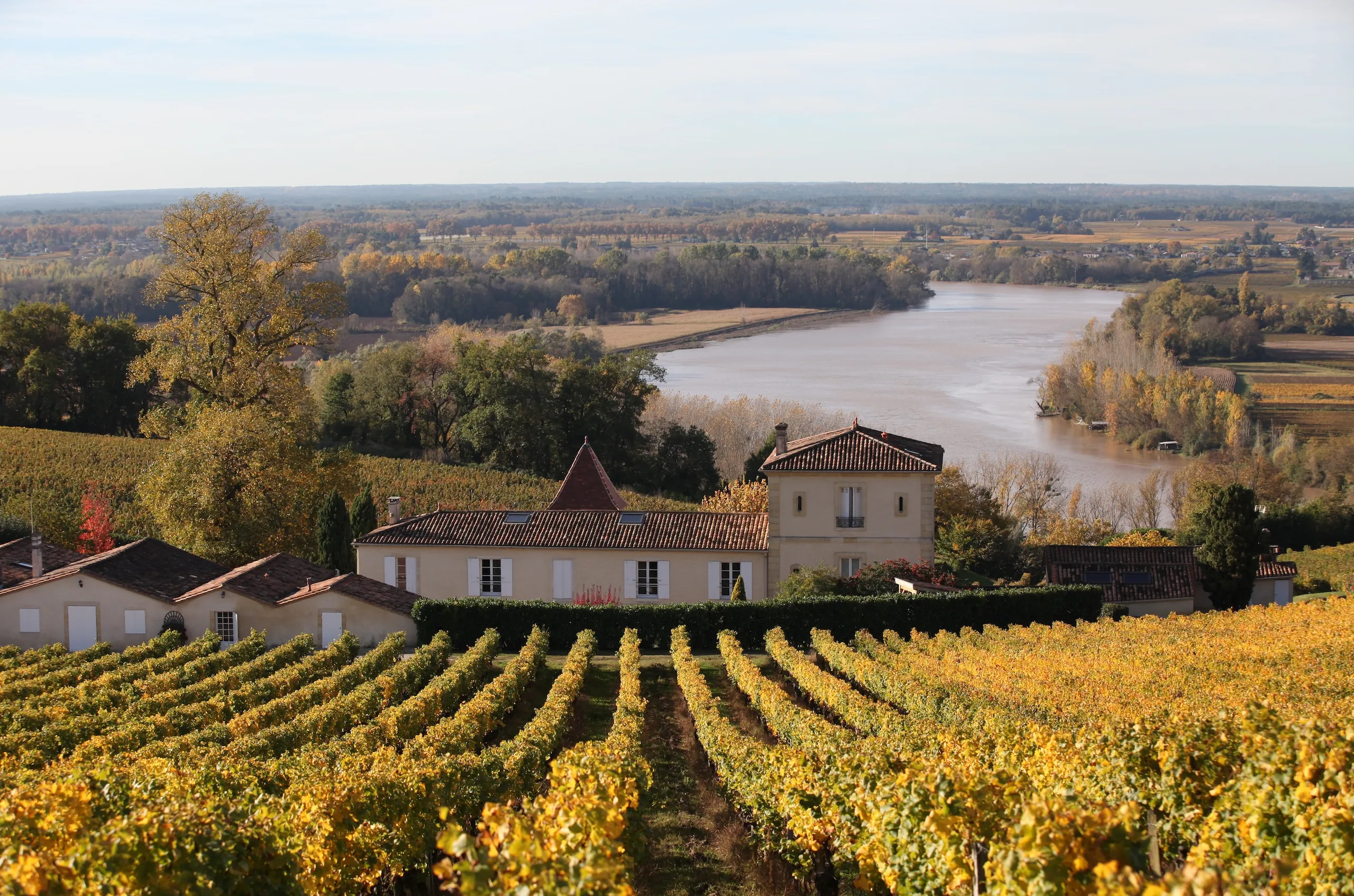
Domaine Josmeyer
The Free Bacchus Story
The name is a graft. In 1963 Hubert Meyer took the first three letters of his father Joseph's name and fused them to his own, and the estate became Josmeyer. The business behind it was older than that — started in Wintzenheim in 1854 as an offshoot of the family restaurant, and for most of a century it traded as a négociant rather than a grower.
Jean Meyer, who died in 2015, is the one who turned it into a serious estate. His daughters hold it now, and they are the first women in five generations to do so. Isabelle works in the cellar. Céline runs the vineyards and makes the biodynamic preparations. Céline is also unusually candid about the timing of the conversion, saying the large Alsace estates went biodynamic first and Josmeyer followed their lead.
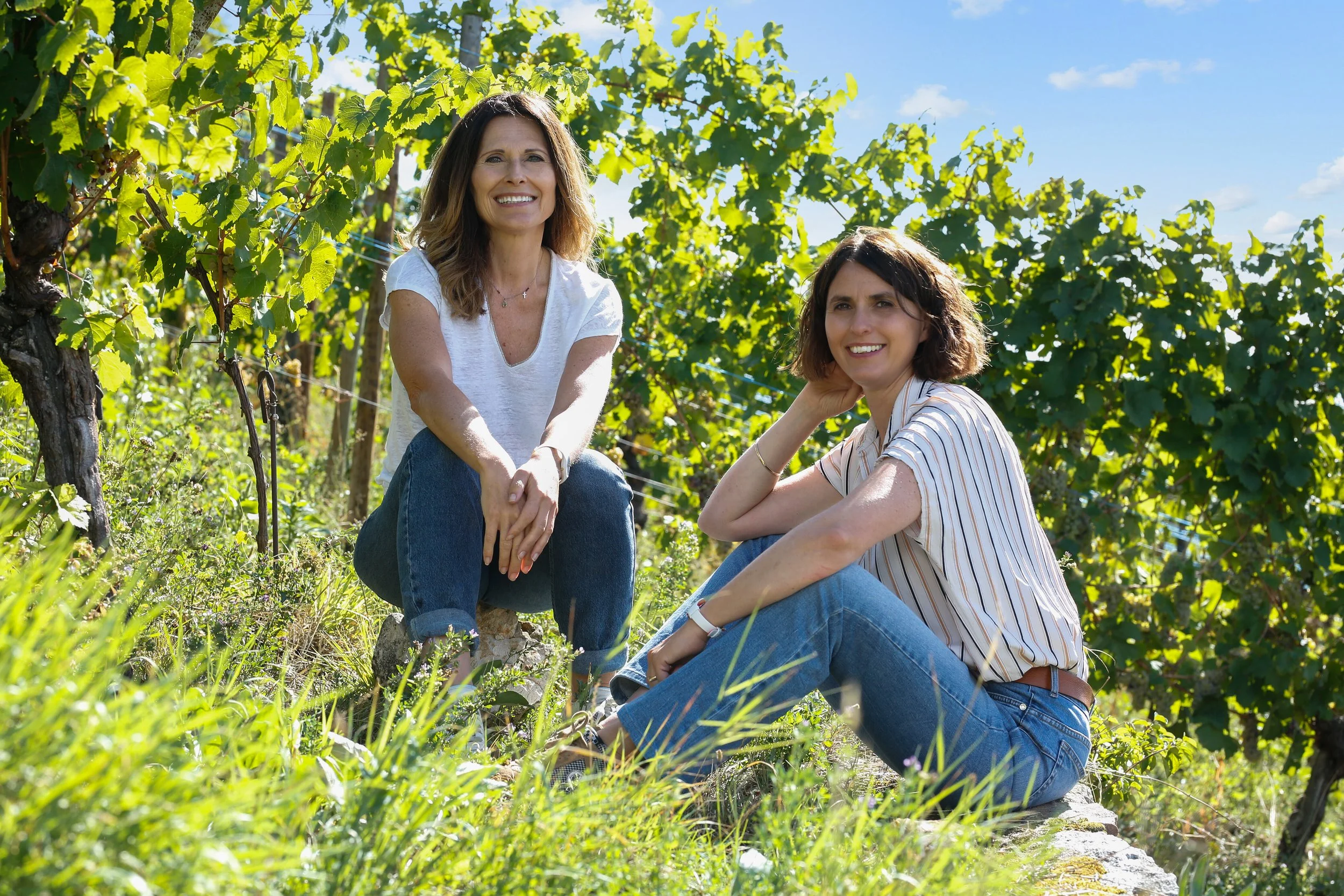
The estate is roughly twenty-five hectares split across ninety separate parcels, which puts the average holding under a third of a hectare. Farming that biodynamically is not one decision repeated ninety times; it is ninety timings, ninety soil conditions and ninety sets of preparations, applied plot by plot on a calendar that will not line up.
The holdings include the Hengst and Brand grands crus. Every other row is left unploughed so the ground between the vines stays covered, and fifteen hectares carry cover crops. Certification runs Ecocert for organic and Demeter for biodynamic, with Biodyvin membership on top, which requires the whole domaine to be farmed biodynamically rather than a showcase block.
Alsace is the corner of France that looks and sounds German, and its wines mislead people for much the same reason: they smell sweet and mostly are not. Riesling is the grape to begin with, and the dry style is what the serious growers build on — citrus and wet stone, with a grip at the end that keeps it from being merely pretty. That grip is what makes these bottles worth a plate of food rather than a sofa. Ninety parcels farmed one at a time is a large part of why there is that much detail in a glass.
The admission about following is the interesting part. A domaine sitting on two grand cru sites had every commercial reason to claim it led the conversion in Alsace. This one says it watched other people do it first, then moved.
“All the big estates were doing biodynamics first. We followed their lead.”
Why it’s remarkable
Free Bacchus Verification
Ecocert Certified Organic (AB) · Demeter Biodynamic · Biodyvin member
Certified3
- Ecocert Certified Organic (AB)
- Demeter Biodynamic
- Biodyvin member
If you’re buying
Cheat sheet
Save it to your phone. Everything you need to recognise this producer, and three things worth saying about it, at a glance in a shop or across a table.