Domaine Marc Kreydenweiss
The Free Bacchus Story
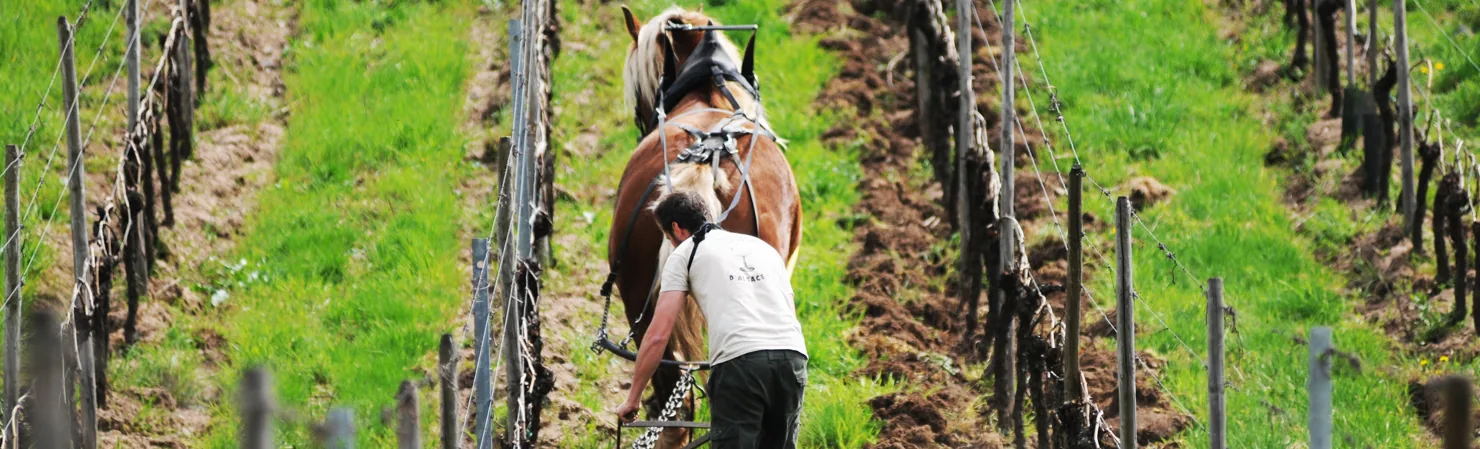
In 1985 Marc Kreydenweiss met François Bouchet, one of the small number of people carrying biodynamics into French viticulture at the time. He converted the estate in 1989, working alongside his eldest son. Alsace then had almost no biodynamic wine trade to convert into.
He had taken the domaine over from his father in 1971, which puts the decision eighteen years into a conventional career rather than at the start of an idealistic one. The estate works four grands crus — Kastelberg, Wiebelsberg, Moenchberg and Kirchberg de Barr — and it is the first of those that the domaine is judged on.
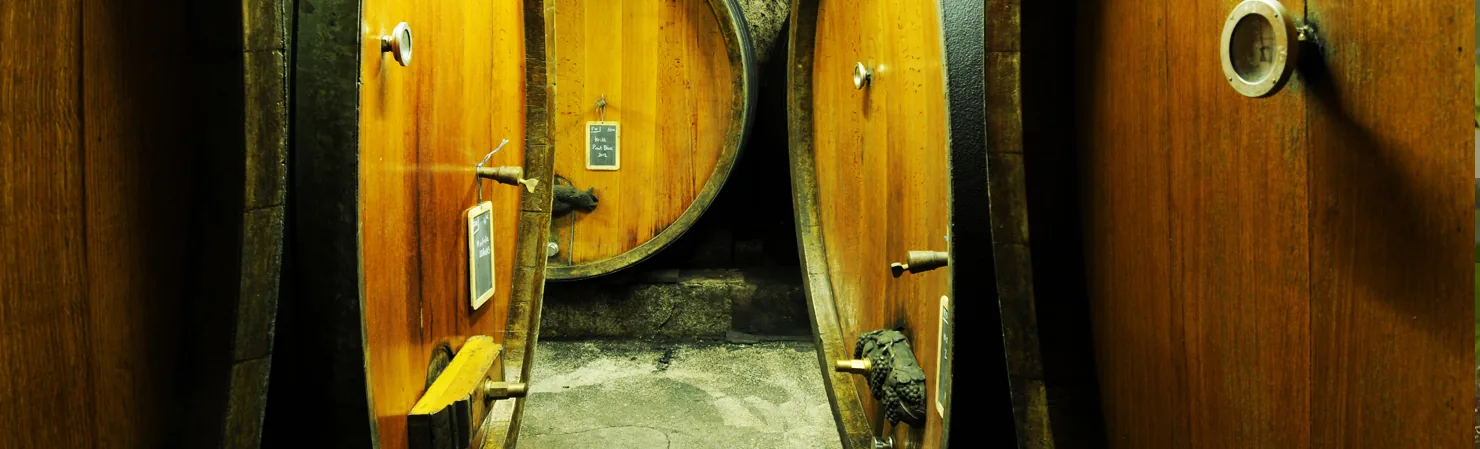
Kastelberg is black Steige schist, a soil found nowhere else in Alsace, laid down somewhere between 350 and 400 million years ago. The slope above Andlau is steep enough that the work has to be done by hand. Almost nothing else in the region grows on rock that old.
In 1999 the family took the method south, when Marc's son Jean started a second biodynamic domaine in the Costières de Nîmes. Certification in Alsace is Ecocert under EU control code FR-BIO-01, with Biodyvin membership covering the entire estate rather than a selected parcel.
Riesling is the grape Alsace is judged on, and it helps to know what it does before meeting a bottle: high acidity, no oak to speak of, and a finish that pulls clean instead of lingering sweet. On black schist it goes to the far end of that — bone dry, with a stony, almost salty edge that most people end up calling mineral for want of a better word. Anyone who has only ever met Riesling as a sweet wine is meeting the opposite pole here, and the more useful place to start.
Converting in 1989 bought nothing. There was no premium to charge, no shelf category to occupy and no press waiting to write it up. Whatever the reason was, it was not positioning.
Why it’s remarkable
Free Bacchus Verification
Ecocert Certified Organic · Biodyvin member
Certified2
- Ecocert Certified Organic (FR-BIO-01)
- Biodyvin member
Also on record1
- Biodynamic since 1989
If you’re buying
Cheat sheet
Save it to your phone. Everything you need to recognise this producer, and three things worth saying about it, at a glance in a shop or across a table.