Domaine Weinbach
The Free Bacchus Story
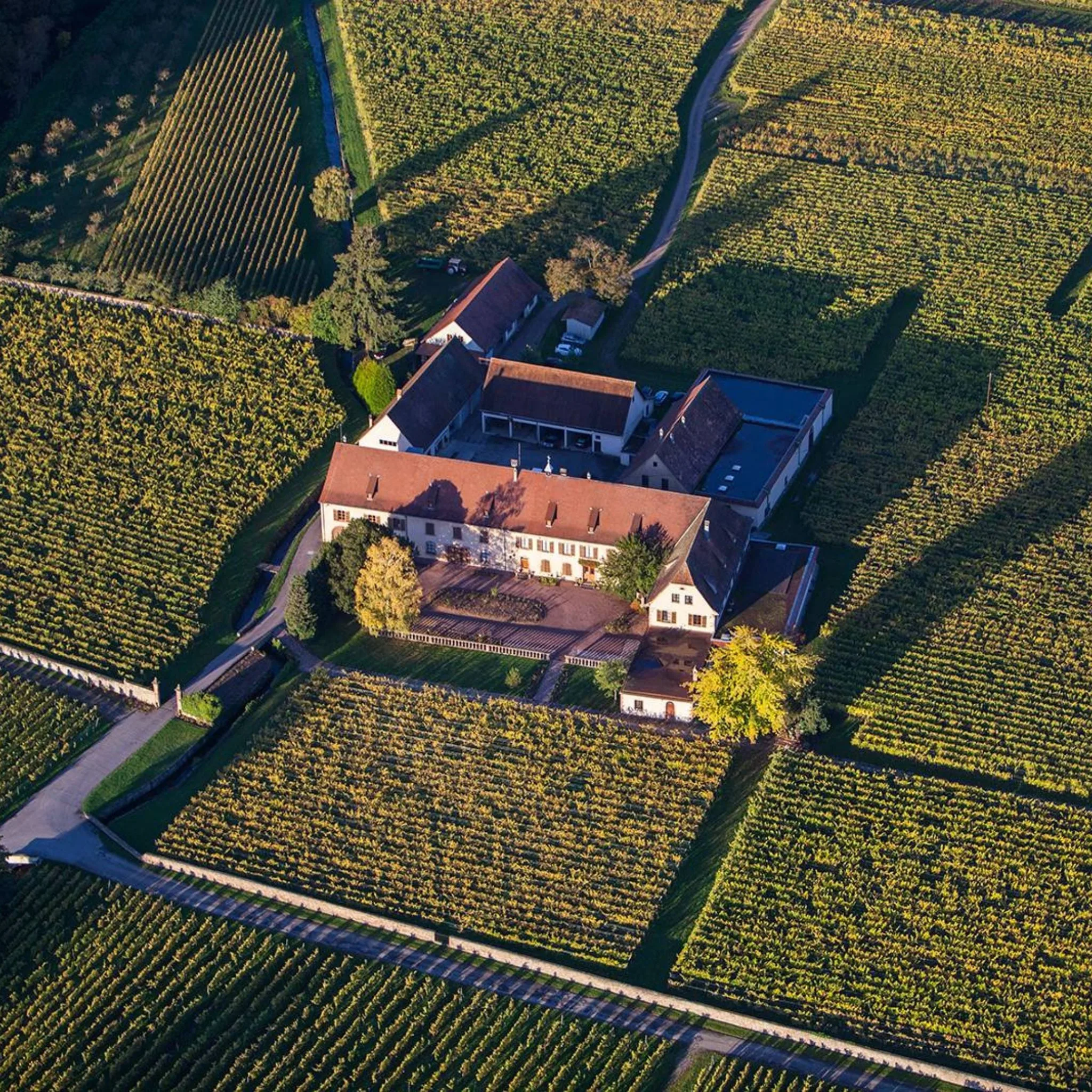
Capuchin monks walled the clos in 1612. It has been farmed continuously from that year to this one. The Faller family have held it since 1898, which by the standards of the wall around them is a recent arrival.
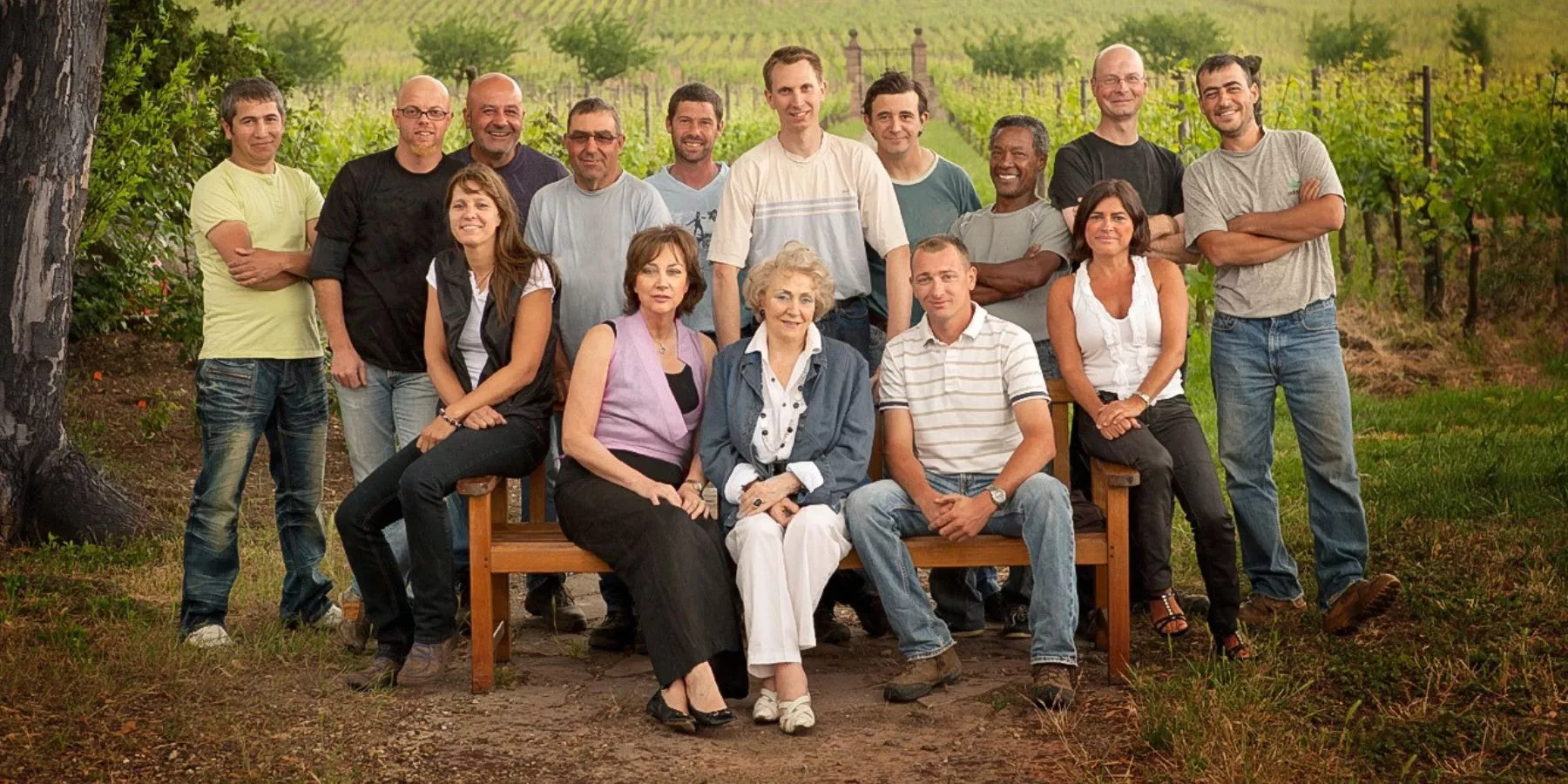
Colette Faller took the domaine on when her husband Théo died in 1979 and ran it with her daughters Catherine and Laurence, at a point when Alsace had almost no estates run by women at all. Several cuvées still carry their names. Catherine runs it now with her sons, which makes this the rare famous domaine whose modern history is mostly a matriarchy.
Biodynamic trials began on part of the estate in 1998 and every vineyard was farmed that way from the 2005 vintage — seven years of testing before committing the whole property. Certification followed through Ecocert and Demeter, though published accounts differ on the year, so we do not print one.
Eight of the eighty hectares of the Schlossberg grand cru belong to the estate, on the slope directly above the walled clos.
For anyone who has never bought an Alsace bottle, the short version is this: white wine from the German border, mostly Riesling, Pinot Gris and Gewurztraminer, and it smells a good deal sweeter than it tastes. Weinbach sits at the fuller end of that — orchard fruit and spice with real weight behind them — and still finishes dry, then holds that shape for decades rather than years. Fruit left hanging into late autumn gains concentration, which is not the same thing as sugar. The Ste Catherine name is a reminder of how late that can run here.
The Cuvée Ste Catherine below it is named for the saint’s day in late November, which tells you something specific about this place: the harvest here can still be running then.
“It’s a philosophy more than a religion that lets the terroir express itself.”
Why it’s remarkable
Free Bacchus Verification
Ecocert Organic · Demeter Biodynamic
Certified2
- Ecocert Organic
- Demeter Biodynamic Certified
Also on record1
- Fully biodynamic since 2005
If you’re buying
Cheat sheet
Save it to your phone. Everything you need to recognise this producer, and three things worth saying about it, at a glance in a shop or across a table.