Skip to content
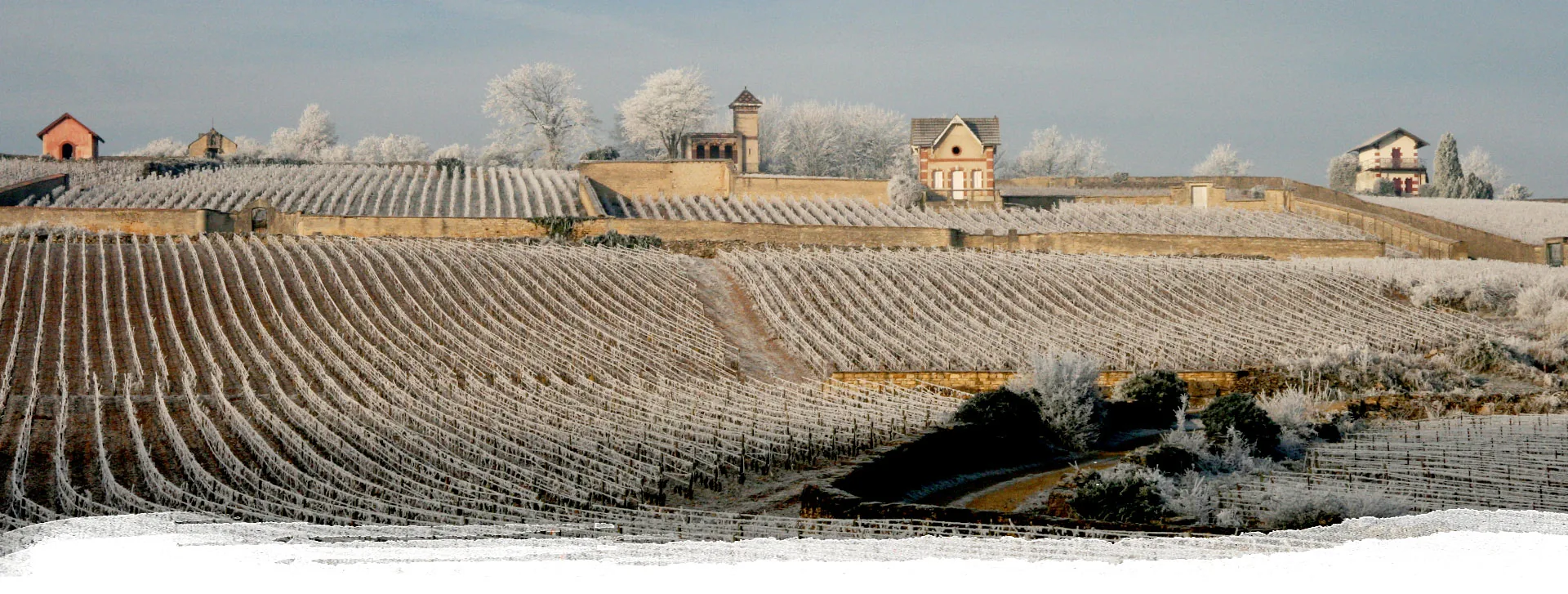
Rows of vines and low stone walls on a frosted slope, with small houses and white-rimed trees along the ridge above
Meursault, Burgundy, FranceFranceBiodynamic Wine

Domaine Pierre Morey

pee-AIR mo-RAY · Meursault is mur-SO
Gold TierTypically $200+
Last verified · August 2026

Pierre Morey spent more than two decades as régisseur at Domaine Leflaive, running the vineyards through the period when Anne-Claude Leflaive converted the estate to biodynamics. He was farming his own domaine at the same time.

So the practice at Morey isn't borrowed. It is biodynamic farming in Meursault and Puligny, run by someone who helped execute one of the most consequential conversions in white Burgundy and applied the same method to his own vines.
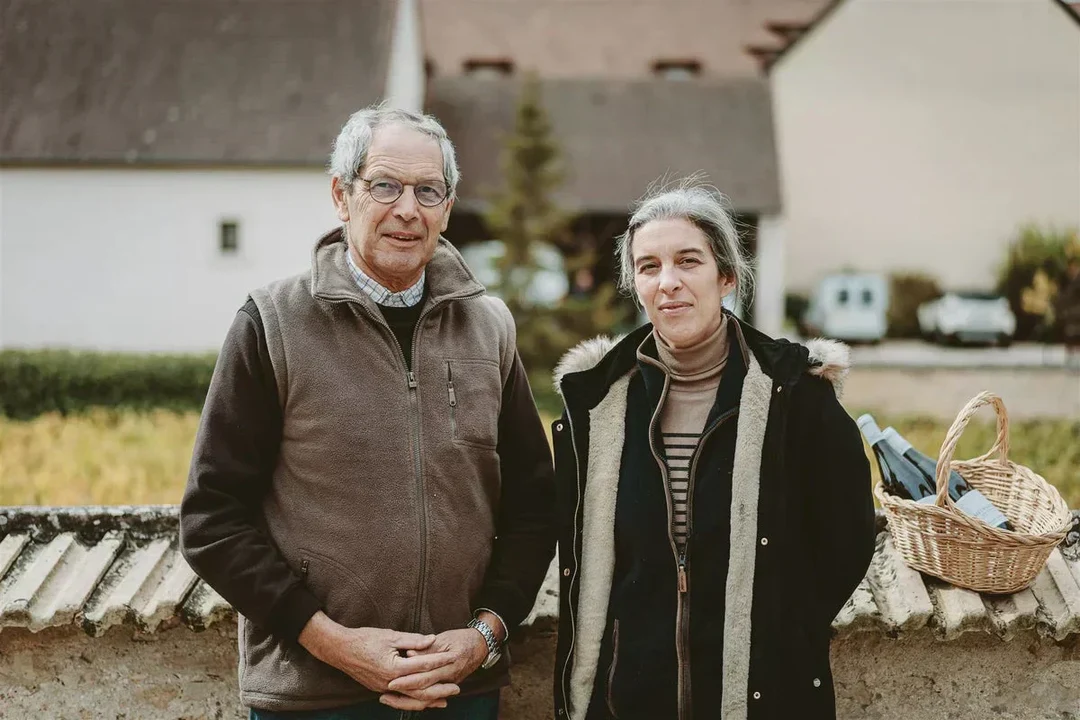
A grey-haired man in a brown fleece vest and a woman in a dark jacket stand by a low wall, with a wicker basket of bottles beside them

Morey farmed much of his land under metayage for the Lafon family. When the Lafons took their parcels back to work directly in 1984 it cost him about half his vineyard area, and closer to nine tenths of its value. He rebuilt from what was left.

Perrières is generally held to be the finest premier cru in Meursault, close enough to grand cru quality that its exclusion from the classification is a standing argument in Burgundy.

His daughter Anne now works alongside him. Continuity of practice across a generational handover is the part of a producer's record that no certificate captures and only time demonstrates.

Why it’s remarkable

1984
the Lafons took their vineyards back, and the best sites went with them
Morey farmed much of his land under métayage for the Lafon family. In 1984, with Dominique Lafon preparing to work at the domaine full time, the Lafons began taking their vineyards back as the leases expired — phased over several years so he could find replacements. He lost around half his area, and with it his most prestigious sites. The négociant label Morey-Blanc, from 1992, was built on the contracts he found to take their place.
1991 to 1997
organic principles first, then the full conversion
He began using organic methods and some biodynamic preparations in 1991 and went fully biodynamic in 1997, joining the Biodyvin syndicate the year after. That is the same year Domaine Leflaive converted — where he was régisseur from 1988 to 2008, running the vineyards through one of the most consequential conversions in white Burgundy.
Two estates
he converted somebody else’s and his own at the same time
The practice here is not borrowed from Leflaive; it was worked out in parallel, on his own vines, by the person executing it at Leflaive. That is a rarer thing than a shared certificate.
Three generations
his daughter co-manages, and her son’s first full vintage was 2021
Anne Morey has been co-manager for some years and her son Jean-Victor came in from Marquis d’Angerville in Volnay, his first full vintage here being 2021. Continuity of practice across a handover is the part of a producer’s record no certificate captures and only time demonstrates.
Independently certified, and checked against the issuing body’s own register. Not a compromise on quality — see how we verify.

Free Bacchus Verification

Track A
Formal third-party certification, confirmed against the issuing body’s own register.

Ecocert France organic · Biodyvin biodynamic

Certified2
  • Ecocert France organic, FR-BIO-01 — engaged 16 July 1998, growing and winemaking
  • Biodyvin biodynamic — member since 1998, labelled 2002
Re-verified annually against the issuing body’s register. How re-verification works
The producer’s own sitemorey-meursault.fr
Producers don’t pay to be here. There is no fee to be listed and no way to buy a higher tier. If the evidence doesn’t hold, the bottle isn’t here.
Flagship
Meursault Perrières 1er Cru

If you’re buying

Price
Around US$340 for the Meursault Perrières 1er Cru; village Meursault runs about US$145–215. Approximate, and it moves with vintage and market.
Drinking now
Perrières rewards eight to fifteen years. The village Meursault drinks well from about four.
Serving
Serve at 12–13°C, not fridge cold, in a large glass. No decanting.
Availability
Generally obtainable through specialist retailers.
Tastes like
White Burgundy in the taut, mineral register — citrus, hazelnut and a chalky finish rather than butter and oak.
Pairs with
Roast chicken, grilled fish, or a mild washed-rind cheese.
Price bands are approximate and move with vintage, market and region. They are a guide, not a quotation.

Cheat sheet

Save it to your phone. Everything you need to recognise this producer, and three things worth saying about it, at a glance in a shop or across a table.

67 verified producers in France →

From the Journal

← Domaine OstertagThe Verification StandardDomaine Weinbach →

More Verified Houses · France

Where to go next

Three more from the cellar, chosen by what is in the glass rather than where it is from.

Weingut LoimerWhite · Austria PievaltaWhite · Italy Millton VineyardsWhite · New Zealand
↑