Skip to content
Millton Vineyards
ManutukeGisborneNew ZealandWine

Millton Vineyards

MIL-ton · Gisborne is GIZ-bun
Reserve Tier
Last verified · August 2026
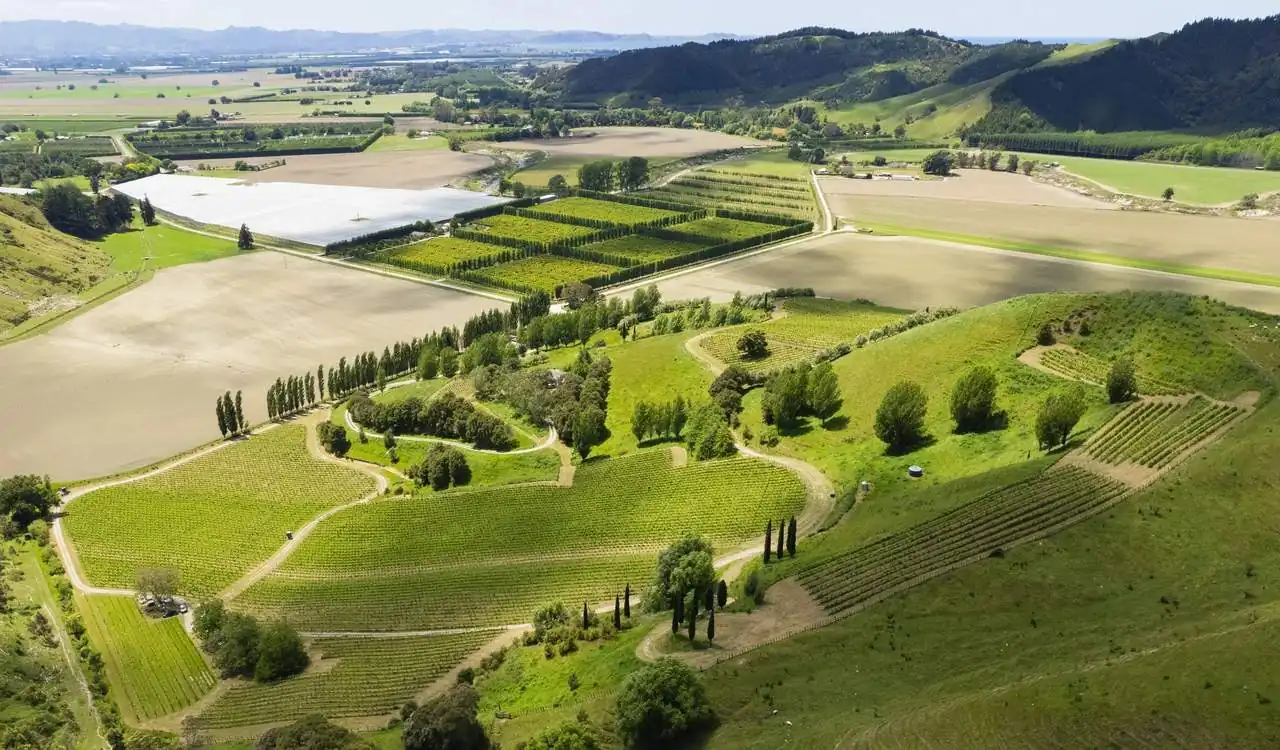
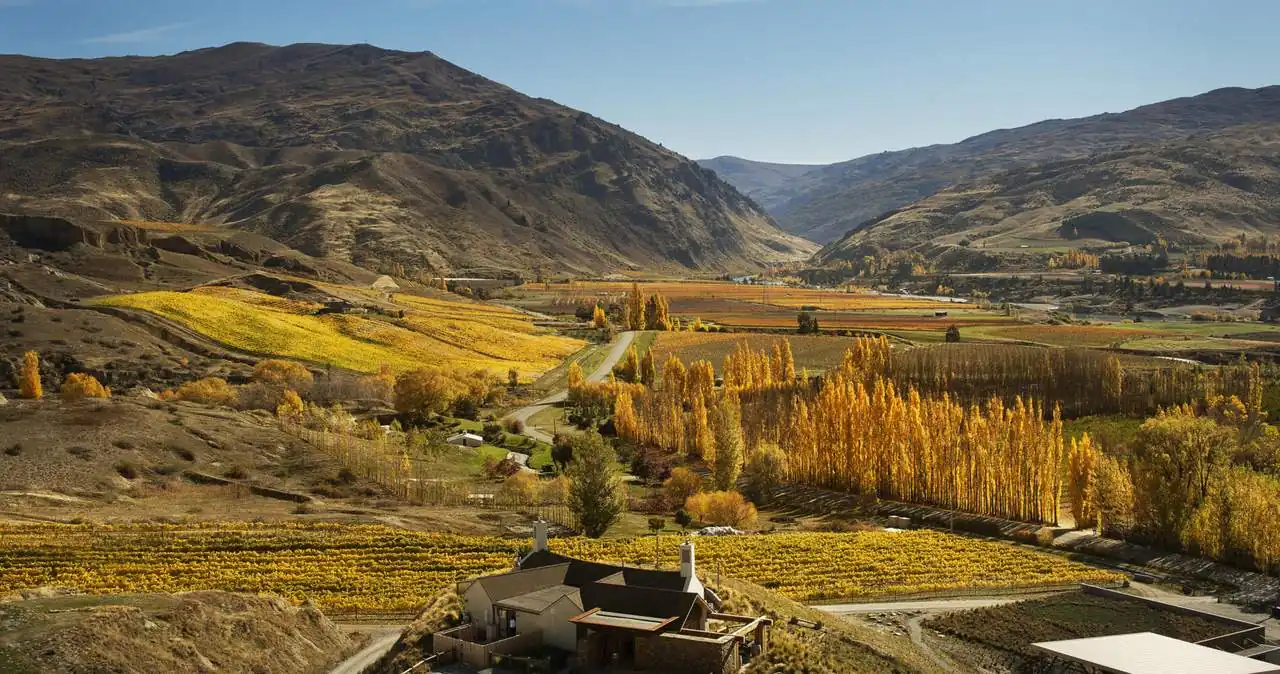
Millton Vineyards at Manutuke, on the Te Arai River in Gisborne, New Zealand.

James and Annie Millton converted their Gisborne estate to biodynamics in the 1980s — among the first conversions in the southern hemisphere, and certainly the first in New Zealand.

For a long time that placed them in an odd position. They were farming with a rigour the international wine conversation would eventually catch up to, but doing it in Gisborne, a region known chiefly for bulk Chardonnay. There was no local audience for what they were doing and no vocabulary yet for describing it. The estate holds both Demeter biodynamic and BioGro NZ certified organic designations, applied across Chardonnay, Chenin Blanc, Viognier and a range reflecting an interest in Alsatian and Rhône varieties grown in a warm maritime climate.
Millton Vineyards
The estate took New Zealand’s first organic certification in 1989 and its first biodynamic certification in 1990.

The Te Arai Chenin Blanc is the wine most often named as the estate's finest, aged in old oak with the seriousness usually reserved for Vouvray, and among the most convincing Chenin made anywhere outside France. The wines have drawn 94 points from Wine Advocate, and the Clos de Ste Anne range, from a sheltered hill site with better drainage and more complex soils than the valley floor, is the top of the range.

Millton's own position is that you should be wary of any wine that flies the organic flag too high, because organics and biodynamics ought to be an honest baseline rather than a sales line.

Millton is the founding argument that New Zealand biodynamic wine is serious, and a standing reminder that a region's reputation and its potential are different things.

“we grow our wines and do not produce them”
James MilltonCo-founder, on where he thinks the work happens, 2019 · New Zealand Wine

Why it’s remarkable

1989, then 1990
the first organic certificate in New Zealand, then the first biodynamic one
James and Annie Millton founded the estate in 1984 and took New Zealand’s first BioGro organic certification in 1989 and the country’s first Demeter biodynamic certification the year after. There was no established path here; they were the ones who made it.
Ten in the world
how few people were doing this when he started
Millton is described as one of the ten original biodynamic winegrowers anywhere, and as the person who brought the practice to the southern hemisphere. We record that as the description in circulation rather than as a count we have verified — but the direction of it is not in doubt.
‘Be sceptical’
his own warning about producers who market the certificate
Millton’s position is that you should be wary of any wine that flies the organic flag too high, because organics and biodynamics ought to be an honest working practice rather than a marketing tool. That is the man holding the first two certificates ever issued in his country saying it.
Three vineyards
Opou, Te Arai and Clos de Ste Anne
All on the banks of the Te Arai River at Manutuke, in Gisborne on the east coast of the North Island — a region better known for volume than for wines like these.

Free Bacchus Verification

Track A
Formal third-party certification, confirmed against the issuing body’s own register.
Re-verified annually against the issuing body’s register. How re-verification works
Flagship
Clos de Ste Anne Chardonnay
Best award
Best NZ Biodynamic · New Zealand Wine Awards

If you’re buying

Price
Around US$70 for the flagship bottling. Approximate, and it moves with vintage and market.
Drinking now
Clos de Ste Anne Chardonnay rewards five years and holds for a decade. The Opou bottlings are ready sooner.
Serving
Serve at 11–12°C in a large glass. No decanting needed.
Availability
Generally obtainable through specialist retailers.
Tastes like
Chardonnay and Chenin with texture and citrus rather than butter, and a saline, mineral finish. Built to age.
Pairs with
Roast chicken, grilled fish, or a washed-rind cheese.
Price bands are approximate and move with vintage, market and region. They are a guide, not a quotation.

Cheat sheet

Save it to your phone. Everything you need to recognise this producer, and three things worth saying about it, at a glance in a shop or across a table.

← Weingut LoimerThe Verification StandardSilver Heights →

More Verified Houses · New Zealand