Skip to content
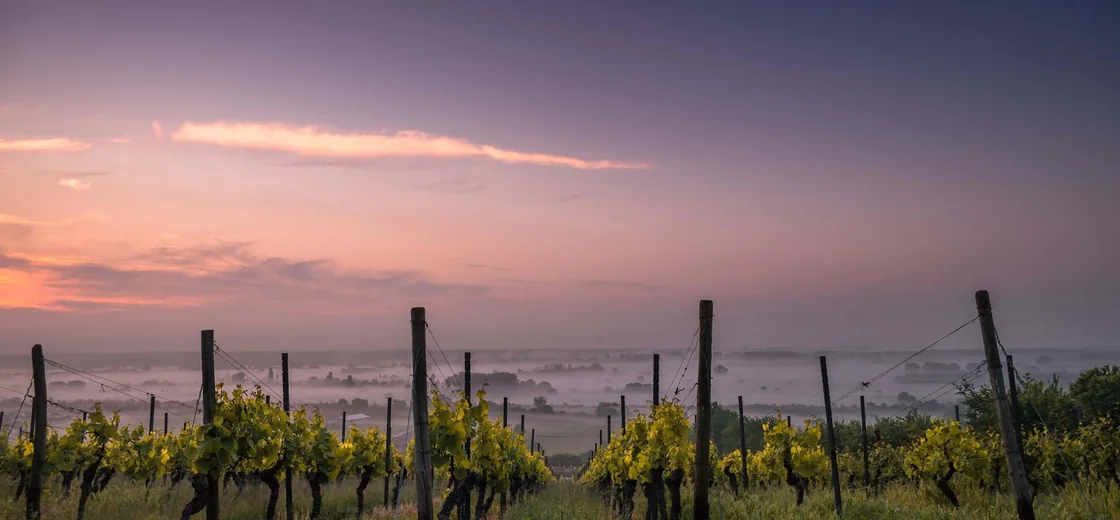
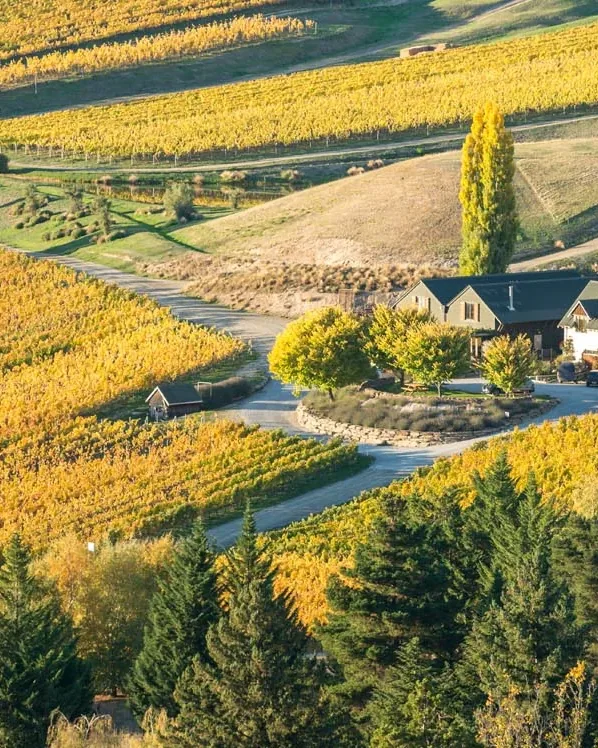
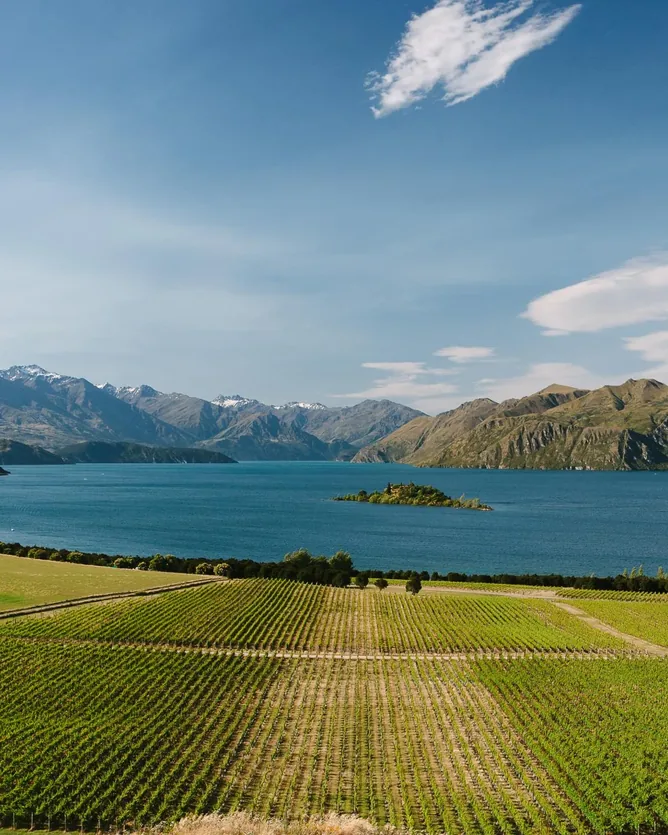
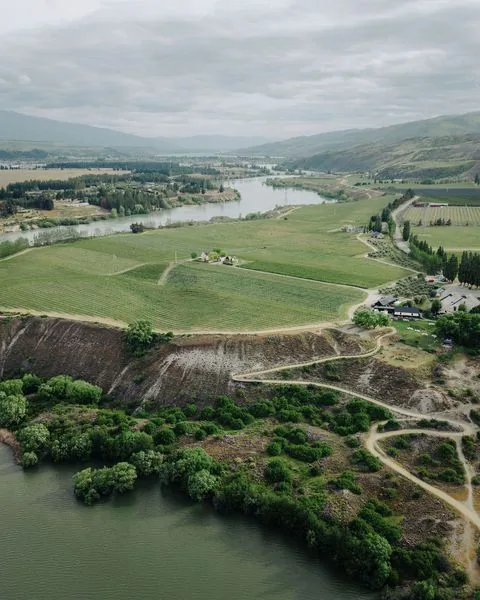
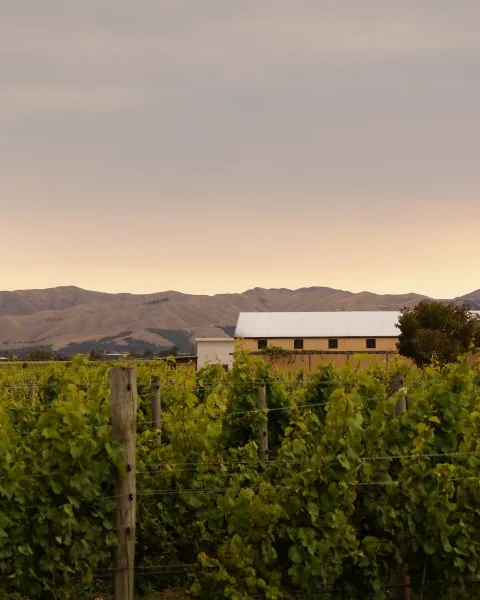
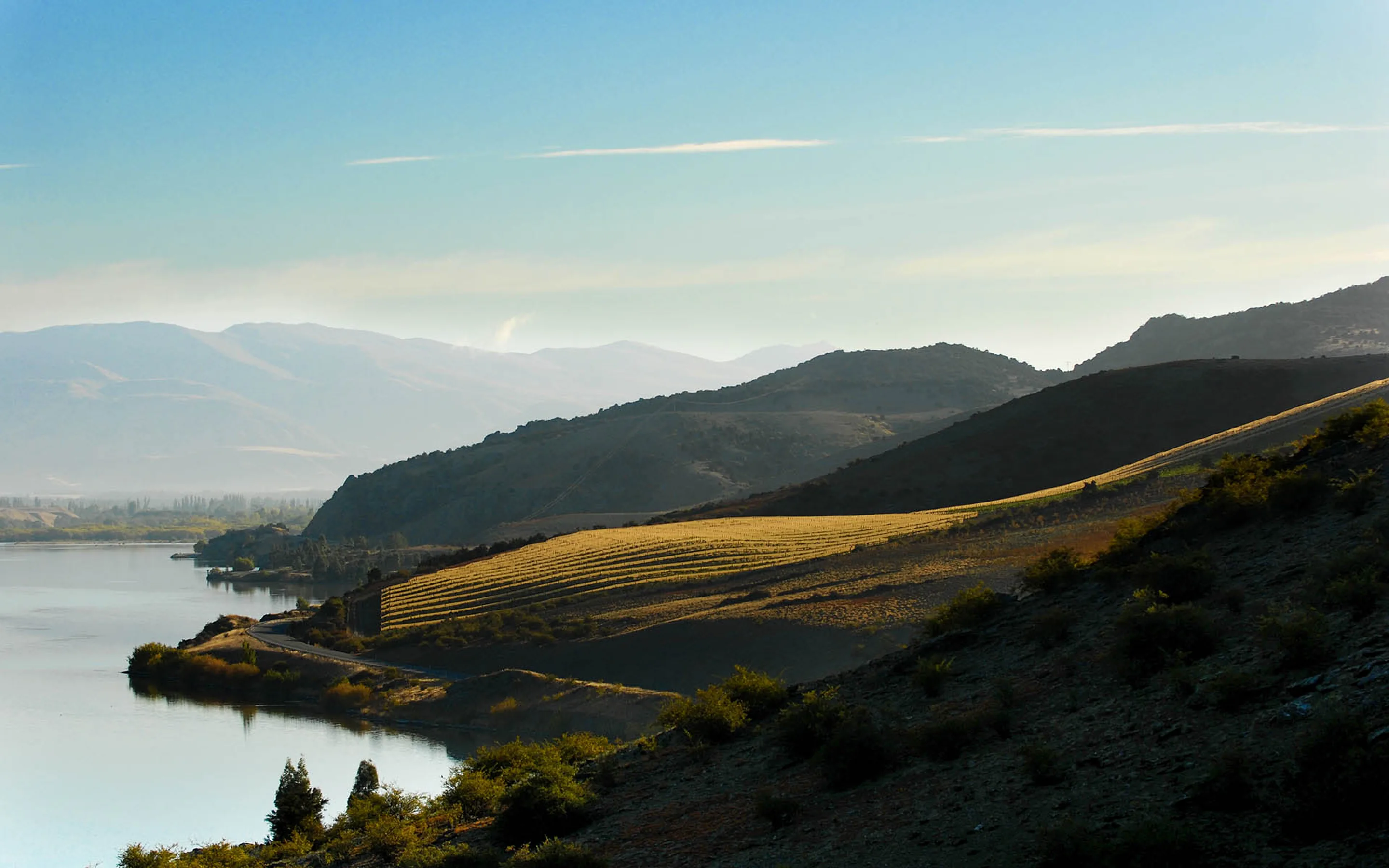
A vineyard block in low golden light on a dry hillside above a lake, a road running along the shore and bare ranges hazy behind

Free Bacchus Country Guide·New Zealand

New Zealand certifies 98 per cent
of its vineyard. The number that sorts them is ten

Sustainable Winegrowing New Zealand certifies 98 per cent of the country’s producing vineyard area. A mark that nearly everyone holds cannot tell you who is exceptional. Around ten per cent of wineries hold organic certification, and that is where the line falls.

What this guide is for

A country at a time: the major wine regions of the world, what the ground and the weather do to what is grown in them, and which growers inside them we have verified. None of it is settled. Growing seasons are shifting, and the chemistry most vineyards reach for to hold steady against that is made from fossil fuels and takes energy to manufacture — while a warmer, wetter season brings more disease, and more disease brings more spraying. Every estate on these pages farms without synthetic pesticides. That is what their certification means, and it is the part we check.

The ground

Nowhere here is far from the sea

New Zealand grows wine down eleven degrees of latitude on two narrow islands, so the sea is never far from any of it. Gisborne sits on the east coast of the North Island and picks earlier than anywhere else in the country. Central Otago, at the bottom of the South Island, is the one region far enough inland to have a continental climate rather than a maritime one: hot days, cold nights, and a growing season short enough to carry real risk.

Where they are TASMAN SEA PACIFIC OCEAN Wellington Christchurch Dunedin Marlborough Central Otago Hawke's Bay Gisborne North Canterbury Wairarapa Nelson Auckland Northland Waitaki Valley
Boundary from public-domain country data, simplified for the web and corrected for latitude so the shape is not stretched. The markers sit at the real coordinates of each of the ten regions, running down both islands. A hollow marker is a region this guide covers where nothing has been verified yet.

Of the vineyard, certified sustainable98%

The country also certifies more thoroughly than almost anywhere. Sustainable Winegrowing New Zealand has run since 1995 and covers 98 per cent of the producing vineyard area, with more than 90 per cent of the wine made in facilities inside the scheme. On its own terms that is a remarkable thing. As a signal to a buyer it is close to useless, because a mark held by almost everyone cannot distinguish anyone.

Organic certification is where the line falls instead. Around ten per cent of New Zealand wineries hold it, and that is rarely the number on the marketing.

Where The Line Falls

The certificates behind these estates come from BioGro, the country’s largest organic certifier, and from Demeter for the biodynamic ones. Five of the nineteen hold both.

Region by region

Ten regions, seventy per cent of it one place

Marlborough, New Zealand

Marlborough

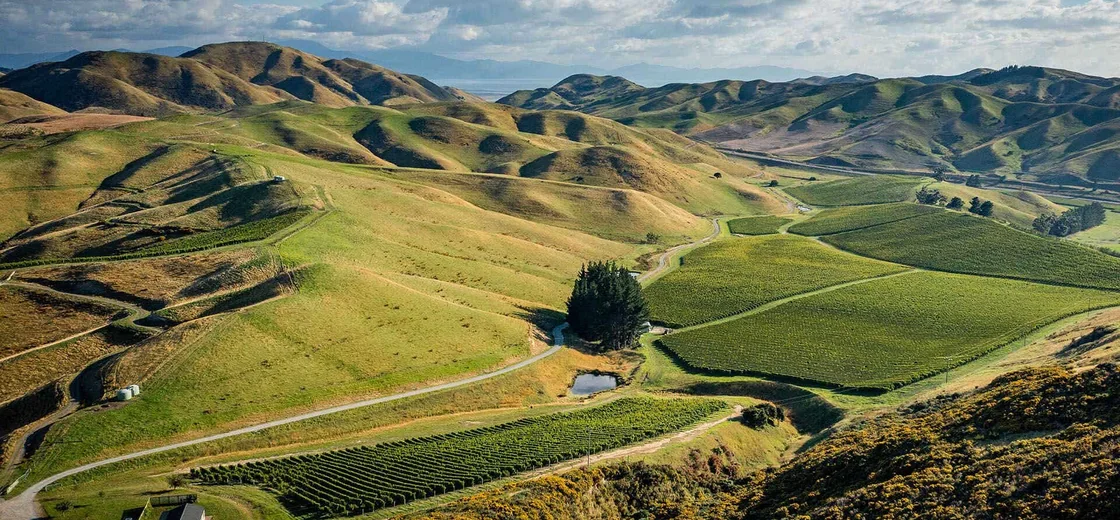
The top of the South Island, and the region that made New Zealand famous almost by accident. Sauvignon Blanc here is loud, green and unmistakable, and it now carries the great bulk of the country’s exports. The interesting work is the part that does not sound like that: Chardonnay, Pinot Noir and Riesling off the Wairau, the Awatere and the Southern Valleys, made by people who were here before the boom arrived.

7 verified producers here.
Central Otago, New Zealand

Central Otago uh-TAH-goh

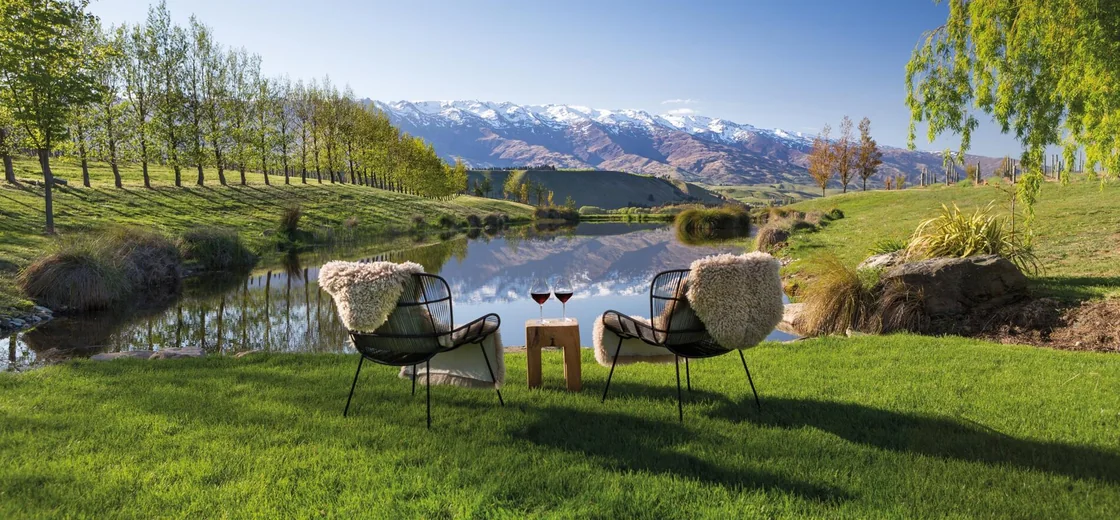
The bottom of the South Island and the only New Zealand region far enough from the sea to have a continental climate. Hot dry days, cold nights, and a growing season short enough that a bad spring costs you the vintage. Pinot Noir is what it is known for, and the wines are firmer and more structured than the warmth of the days would suggest. Bannockburn, Bendigo, the Pisa Range and Lake Wānaka are within an hour of each other and none of them tastes the same.

6 verified producers here.
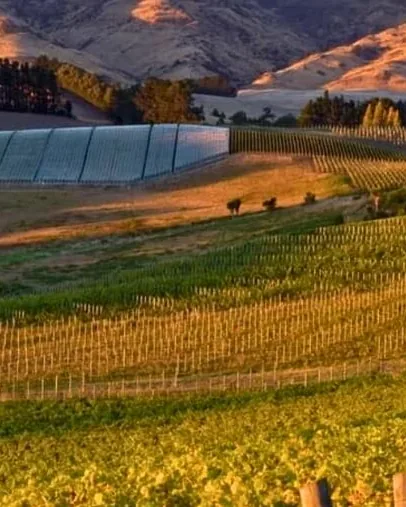
Hawke's Bay, New Zealand

Hawke's Bay

The second largest region and the oldest working one — wine has come off this bay since 1851. It is warm, sunny and much drier than the latitude suggests, which is why it is the one part of New Zealand that ripens Bordeaux varieties reliably. The ground everyone talks about is the Gimblett Gravels, an old riverbed the Ngaruroro abandoned after a flood, stony enough to hold heat overnight. Syrah and Chardonnay are just as much the point as Cabernet and Merlot.

No verified producer here yet.

Gisborne, New Zealand

Gisborne

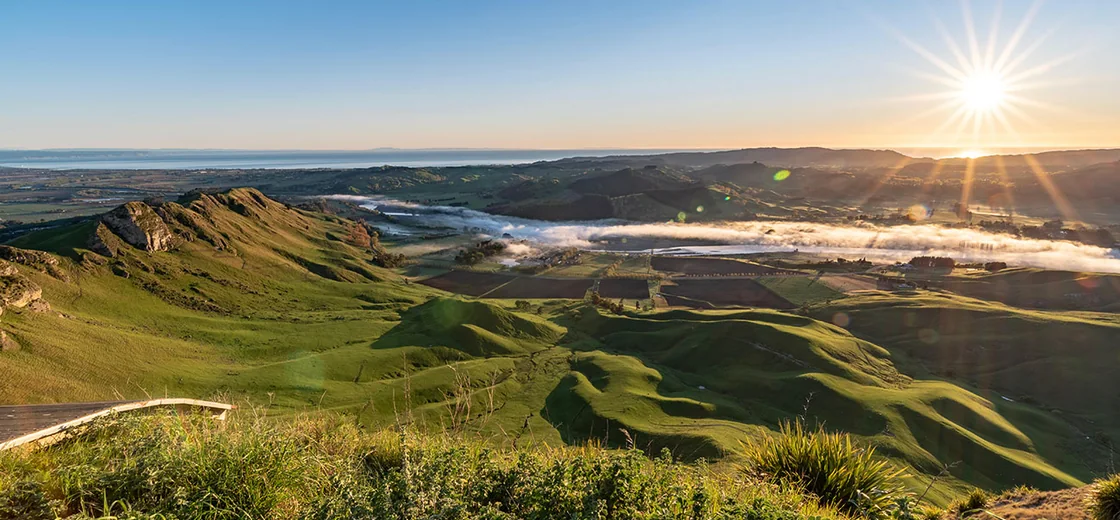
The east coast of the North Island, far enough east to be among the first vineyards in the world to see the sun. Warm, fertile and wet enough that disease pressure is the constant problem, which is exactly what makes organic farming here hard and worth noticing. Chardonnay is the grape it should be known for; Chenin Blanc is the one it is quietly good at.

1 verified producer here.

North Canterbury, New Zealand

North Canterbury

North of Christchurch, on limestone and clay, and dry enough that irrigation is a standing argument. Waipara and Waikari sit in the lee of the hills, a hot nor’wester coming over the top and cold air draining down at night. Pinot Noir and Riesling are the reason to look, and the Riesling ages in a way New Zealand is not generally given credit for.

3 verified producers here.
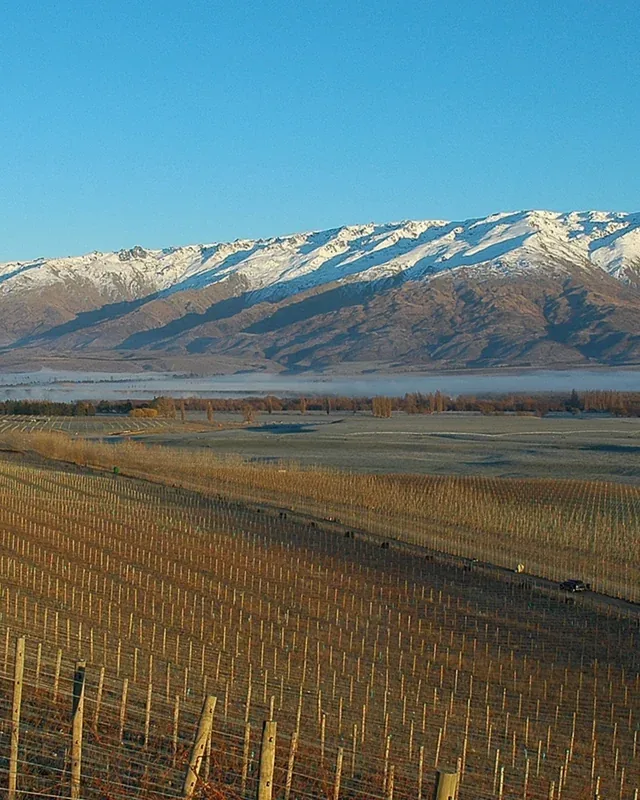
Wairarapa, New Zealand

Wairarapa WHY-rah-rah-pah

Small, and it punches a long way above the planting. Martinborough at its heart sits on a gravel terrace behind the Rimutaka range, sheltered from the west but not from the wind, which keeps crops down and skins thick. Pinot Noir is the reason to look and has been since the 1980s; the wines are firmer and more savoury than Central Otago’s, and the growers here are almost all small enough to know by name.

1 verified producer here.

Nelson, New Zealand

Nelson

Round the top of the South Island from Marlborough and a different proposition despite the short distance: wetter, greener, hemmed in by mountains and the sea rather than open to a wide dry valley. It is one of the sunniest corners of the country and the industry in it is tiny and almost entirely small growers. Sauvignon Blanc, Pinot Gris, Chardonnay and Riesling, made in a rounder style than the same grapes an hour east.

1 verified producer here.

Auckland, New Zealand

Auckland

The industry’s head office and, separately, a scatter of vineyards around it. Most of the large companies are based here whatever ground their fruit comes off, which makes the region sound bigger than its planting is. What is grown is concentrated in three places: Kumeu to the north-west, where the Chardonnay is as good as any in the country; Matakana further up the coast; and Waiheke Island out in the harbour, warm and dry enough for Bordeaux varieties and Syrah.

No verified producer here yet.

Northland, New Zealand

Northland

The top of the country and the warmest ground in it — on New Zealand Winegrowers’ own account its vines get more heat through the growing season than any other region’s, and nowhere in it is further than fifty kilometres from the sea. It is also where the whole thing started: the first vines in New Zealand went into the Bay of Islands in 1819. Very little is planted here now, and it is Chardonnay, Pinot Gris and Syrah rather than anything the south would recognise.

No verified producer here yet.

Waitaki Valley, New Zealand

Waitaki Valley WHY-tah-kee

The newest and most marginal region on this list, in a river valley running inland from the coast between the Pacific and the Southern Alps. Almost nothing was planted here before the 2000s. What drew people is limestone, which is rare in New Zealand and which the growers here believe does for Pinot Noir and Riesling what it does in Europe. Frost is a live risk every spring, and some years the crop does not come in at all.

No verified producer here yet.

Northland to Central Otago is fifteen hundred kilometres and about six weeks of harvest. Marlborough alone is roughly seventy per cent of the vineyard; the other nine share what is left.

Verified in New Zealand

Nineteen estates, most of them at the two ends of the South Island’s wine country, Marlborough in the north and Central Otago in the south. All nineteen are Track A, certified.

Felton Road — verified organic producer in Central Otago, New ZealandReserve

Felton Road

Bannockburn, Central Otago, New Zealand
BioGro organic · Demeter New Zealand biodynamic
Black Estate — verified organic producer in North Canterbury, New ZealandGold

Black Estate

Omihi, Waipara, North Canterbury, New Zealand
BioGro NZ Certified Organic · Demeter Biodynamic
Burn Cottage — verified organic producer in Central Otago, New ZealandGold

Burn Cottage

Pisa Range foothills, Central Otago
BioGro NZ organic
Greystone Wines — verified organic producer in North Canterbury, New ZealandGold

Greystone Wines

Omihi, Waipara, North Canterbury, New Zealand
BioGro NZ Certified Organic
Millton Vineyards — verified organic producer in Gisborne, New ZealandGold

Millton Vineyards

Manutuke, Gisborne, New Zealand
Demeter Biodynamic · BioGro NZ Certified Organic
Pyramid Valley — verified organic producer in North Canterbury, New ZealandGold

Pyramid Valley

Waikari, North Canterbury and Lowburn, Central Otago, New Zealand
BioGro certified organic
Quartz Reef — verified organic producer in Central Otago, New ZealandGold

Quartz Reef

Bendigo, Central Otago, New Zealand
Demeter Certified Biodynamic · BioGro Certified Organic
Rippon Vineyard — verified organic producer in Central Otago, New ZealandGold

Rippon Vineyard

Lake Wānaka, Central Otago, New Zealand
BioGro NZ Certified Organic · Certified Biodynamic
Seresin Estate — verified organic producer in Marlborough, New ZealandGold

Seresin Estate

Marlborough, New Zealand
BioGro Certified Organic · Demeter Certified Biodynamic
Ata Rangi — verified organic producer in Wairarapa, New ZealandSilver

Ata Rangi

Martinborough, Wairarapa, New Zealand
BioGro licence · named Pinot Noirs and Masters Chardonnay only
Carrick Winery — verified organic producer in Central Otago, New ZealandSilver

Carrick Winery

Bannockburn, Central Otago, New Zealand
BioGro licence
Churton Wines — verified organic producer in Marlborough, New ZealandSilver

Churton Wines

Marlborough, New Zealand
BioGro licence 5121
Clos Henri — verified organic producer in Marlborough, New ZealandSilver

Clos Henri

Wairau Valley, Marlborough, New Zealand
BioGro licence 5259
Dog Point Vineyard — verified organic producer in Marlborough, New ZealandSilver

Dog Point Vineyard

Southern Valleys, Marlborough, New Zealand
BioGro licence 5200
Fromm Winery — verified organic producer in Marlborough, New ZealandSilver

Fromm Winery

Marlborough, New Zealand
BioGro licence 5084 · 100% certified since 2011
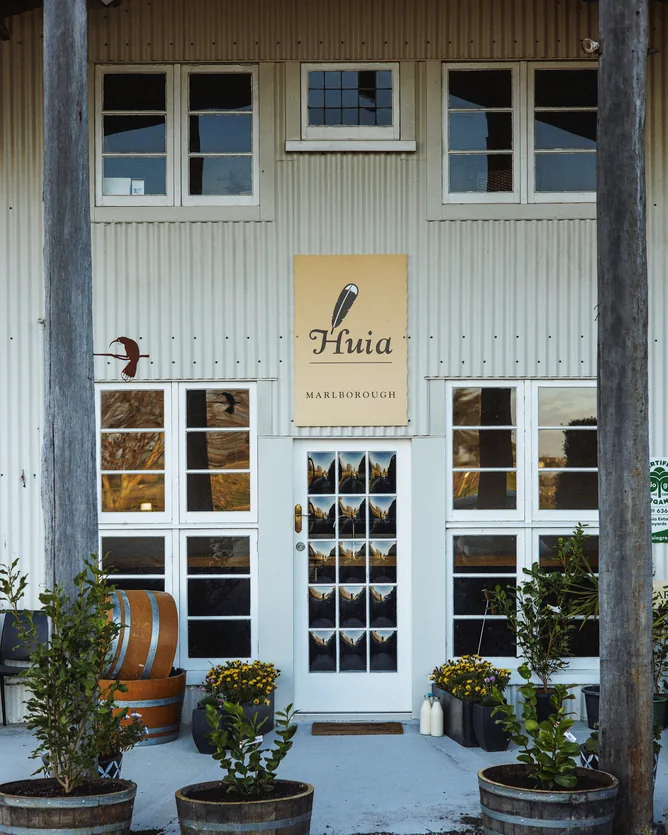
Huia Vineyards — verified organic producer in Marlborough, New ZealandSilver

Huia Vineyards

Rapaura, Marlborough, New Zealand
BioGro licence 6369 · Huia, Hunky Dory and Stoneweaver wines
Neudorf Vineyards — verified organic producer in Nelson, New ZealandSilver

Neudorf Vineyards

Upper Moutere, Nelson, New Zealand
BioGro licence 5438 · Home Block, Rosie’s Block and Tom’s Block wines
Prophets Rock — verified organic producer in Central Otago, New ZealandSilver

Prophets Rock

Bendigo, Central Otago, New Zealand
BioGro NZ organic
Te Whare Ra — verified organic producer in Marlborough, New ZealandSilver

Te Whare Ra

Renwick, Marlborough, New Zealand
BioGro licence 5182

A national scheme covering 98 per cent of the vineyard is a real achievement and a poor filter. These are the estates that went further and can show the paperwork for it, checked against the register that issued it. Where almost everyone is certified something, what matters is certified what.

Where the figures come from7
  • SWNZ certifies 98% of New Zealand's producing vineyard area; over 90% of wine processed in SWNZ certified facilities; programme launched 1995

    nzwine.com ↗
  • Ten percent of New Zealand wineries hold organic certification; certifiers include BioGro New Zealand, AsureQuality, Organic Farm NZ and Demeter

    nzwine.com ↗
  • New Zealand's ten winegrowing regions as listed by New Zealand Winegrowers: Northland, Auckland, Gisborne, Hawke's Bay (second largest, producing since 1851), Wairarapa, Nelson, Marlborough, North Canterbury, Waitaki Valley and Central Otago

    nzwine.com ↗
  • The first vines in New Zealand were planted in the Bay of Islands by Reverend Samuel Marsden in 1819; Northland's vines receive more growing-season heat than any other New Zealand region's

    nzwine.com ↗
  • Marlborough is about 27,808 hectares of a 39,935-hectare national vineyard, close to 70 per cent, with Hawke's Bay next at 4,681 and Central Otago at 1,956

    en.wikipedia.org ↗
  • Pesticides are overwhelmingly derived from fossil fuels and their manufacture is energy-intensive, and a warming climate raises pest and disease pressure, which raises pesticide use in turn

    pan-uk.org ↗
  • The loop between the two: emissions from pesticide manufacture and use contribute to warming, and warming drives further pesticide use

    panna.org ↗
↑