Skip to content
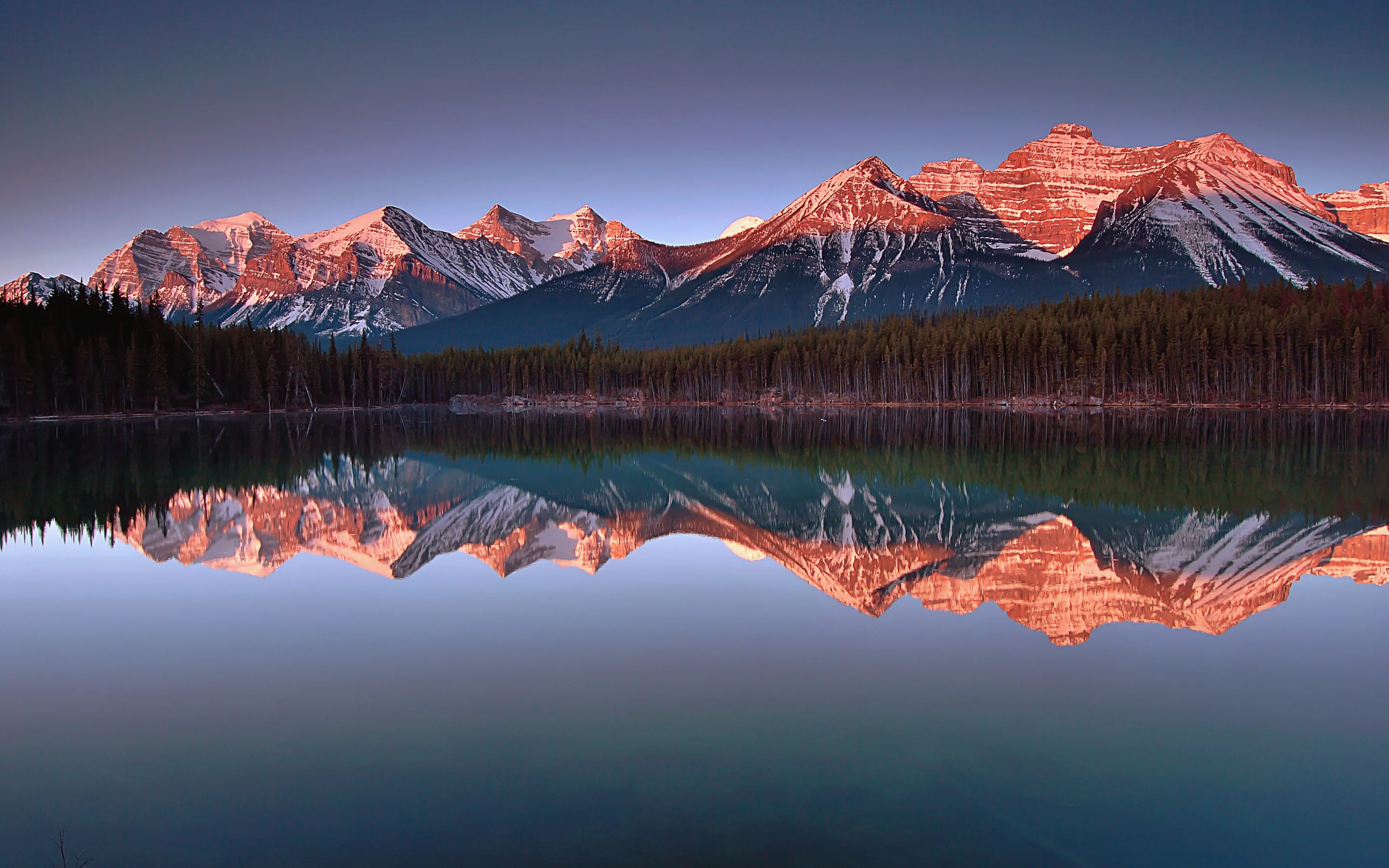
A range of snow-streaked peaks lit rose-pink at first light above a dark band of conifers, the whole range mirrored in a still lake.

Free Bacchus Country Guide·Canada

Where one cold snap can take a vintage, seventeen Canadian estates farm organically, and five biodynamically

Winter is the first thing a Canadian vine has to survive, and some winters take nearly the whole crop. Where wine grows at all, something softens the cold: a lake deep enough to hold off the frost, a blanket of snow, a sheet of geotextile wrapped round the foot of a vine.

What this guide is for

A country at a time: the major wine regions of the world, what the ground and the weather do to what is grown in them, and which growers inside them we have verified. None of it is settled. Growing seasons are shifting, and the chemistry most vineyards reach for to hold steady against that is made from fossil fuels and takes energy to manufacture — while a warmer, wetter season brings more disease, and more disease brings more spraying. Every estate on these pages farms without synthetic pesticides. That is what their certification means, and it is the part we check.

The ground

Canadian wine starts with getting the vine through winter

Ontario's agriculture ministry calls the province a cool-climate area for viticulture, where winter injury is a common risk and vinifera vines take most of their damage below minus 22°C. Canadian wine is grown in a handful of places along the country's southern edge, and the two that matter most are three thousand kilometres apart. The Niagara Peninsula, between Lake Ontario and the Niagara Escarpment, has the largest planted area of any viticultural area in Canada at 13,600 acres. The Okanagan Valley holds 10,920 of British Columbia's 12,681, and it is where the winter of 2024 struck hardest: temperatures fell well below minus 20°C between 11 and 15 January, and the province's wineries projected losing 97 to 99 per cent of that year's grape and wine production.

Where they are PACIFIC OCEAN ATLANTIC OCEAN HUDSON BAY UNITED STATES Vancouver Ottawa Niagara Peninsula Okanagan Valley Prince Edward County Similkameen Valley Vancouver Island Quebec Nova Scotia
Outline from public-domain Natural Earth data, drawn only south of the sixtieth parallel and corrected for latitude. Vancouver Island, Newfoundland and Prince Edward Island are kept by name, because the automatic island filter would have dropped all three. A hollow marker is a region this guide covers where nothing has been verified yet.

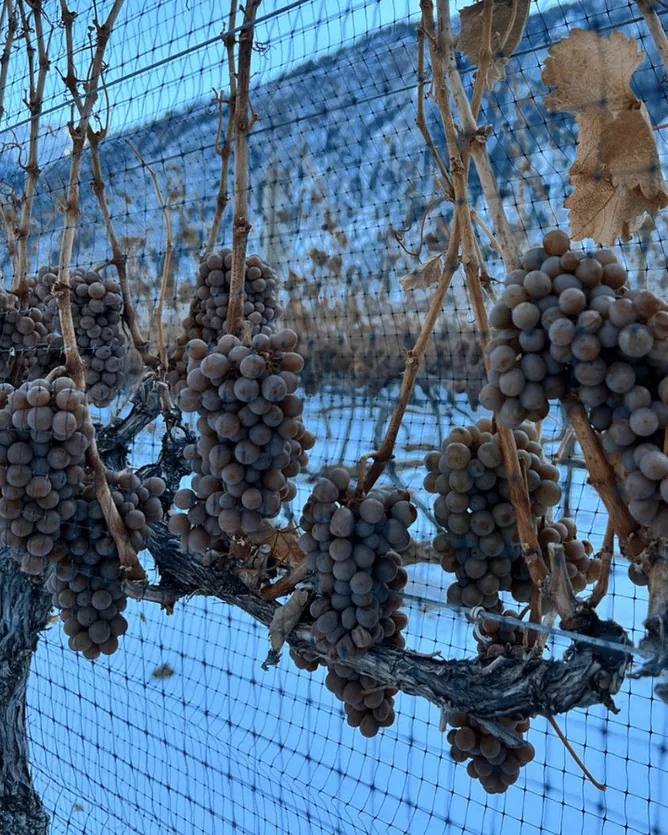
The cold is written into the rules: a VQA Icewine has to be pressed from grapes frozen naturally on the vine, picked at minus 8°C or colder. Where the grapes grew is written down province by province. VQA Ontario means Ontario-grown grapes and nothing else. British Columbia recognised its first sub-appellation, the Golden Mile Bench, in March 2015, and a wine using the name must take at least 95 per cent of its grapes from it. Quebec was granted a protected geographical indication in November 2018, and in 2012 Nova Scotia's winegrowers launched Tidal Bay, a white wine made from Nova Scotia grapes and approved every year by an independent blind tasting panel.

Organic claims are regulated at more than one level. British Columbia has required anything sold as organic in the province to be certified since 1 September 2018, and a B.C. product sold as organic in another province needs a certificate under the federal Organic Products Regulations. Quebec made biologique a reserved designation in February 2000. In that climate, seventeen estates on this page farm organically, and five are certified biodynamic by Demeter as well.

The federal certificates are published body by body. Under a CFIA policy in place since the autumn of 2020, each accredited certification body keeps its own online directory of the operators it certifies. Each certificate here was read in the directory of the body that issued it, and where that was not possible, the estate's card and page say so.

Region by region

Seven regions in four provinces

Niagara Peninsula

The largest planted area of any viticultural area in Canada, 13,600 acres on the strip of land between Lake Ontario and the Niagara Escarpment. The lake moderates the air all year, holding off frost in spring and stretching the autumn; the escarpment, rising to about 177 metres, gives the vineyards their slopes and the elevation that decides how much of the lake's breeze reaches them. Three regional appellations and ten sub-appellations sit inside it, and Chardonnay, Riesling and Cabernet Franc lead the plantings.

4 verified producers here.

Okanagan Valley OH-kuh-nah-gin

British Columbia's wine country for most practical purposes: 10,920 of the province's 12,681 planted acres and 196 licensed grape wineries, from Kelowna south to Osoyoos. On 30 March 2015 the Golden Mile Bench, on the slopes south-west of Oliver, became the first sub-appellation in the province, and a wine carrying its name must take at least 95 per cent of its grapes from it. More estates are verified here than in any other region on this page.

5 verified producers here.

Prince Edward County

Cut off from the mainland by the Bay of Quinte and surrounded by Lake Ontario, and defined as an appellation in 2007. The soils are clay loam and sandy loam over limestone bedrock, stony at the surface and full of shale fragments. Chardonnay, Pinot Noir, Pinot Gris and Cabernet Franc are the common grapes.

No verified producer here yet.

Similkameen Valley

A separate appellation from the Okanagan and a far smaller one: 768 planted acres and 13 licensed wineries. Two of the wineries verified here hold organic certificates valid for sale inside British Columbia only.

3 verified producers here.

Vancouver Island

Canada's only maritime Mediterranean climate, by the BC wine industry's own account: wet winters and warm, dry summers, with the mountains of the island's interior throwing a rain shadow over its eastern side, where the grapes grow. 321 planted acres and 17 licensed wineries, chiefly in cool-climate grapes such as Pinot Gris, Pinot Noir and Maréchal Foch. The Cowichan Valley is the island's one official sub-region; the estate verified here is further north, in the Comox Valley.

1 verified producer here.

Quebec

Granted a protected geographical indication on 17 November 2018. A Vin du Québec is made only from hybrid and vinifera grapes grown inside the delimited zone, and the producer must grow at least half of the grapes or must that go into its wines. Winter decides what can be planted: the hardiest vines take minus thirty under an insulating cover of snow, while vinifera suffers below minus twenty-two and the less hardy vines are wrapped in geotextile at the foot. Quebec also made biologique a reserved designation in February 2000, so a wine sold as organic here must be certified.

3 verified producers here.

Nova Scotia

The Atlantic end of Canadian wine. Tidal Bay, launched in 2012 as the province's first wine appellation, is a white made entirely from Nova Scotia grapes to a strict set of standards, at no more than 11 per cent alcohol, and approved every year by an independent blind tasting panel. The estate verified here is in the Annapolis Valley.

1 verified producer here.

Osoyoos to Wolfville is about four thousand kilometres in a straight line, and every estate on this page lies south of the fiftieth parallel.

Verified in Canada

Seventeen estates, three of the seventeen at Gold, and every one of them on Track A. Five are certified biodynamic by Demeter as well as organic.

Tawse Winery — verified organic producer in Niagara Peninsula, CanadaGold

Tawse Winery

Vineland, Niagara Peninsula, Ontario, Canada
Ecocert Canada Organic (COR)
Mission Hill Family Estate — verified organic producer in Okanagan Valley, CanadaGold

Mission Hill Family Estate

West Kelowna, Okanagan Valley, Canada
Ecocert-certified organic, all vineyards · not confirmed on a public register
CedarCreek Estate Winery — verified organic producer in Okanagan Valley, CanadaGold

CedarCreek Estate Winery

Okanagan Valley, British Columbia
Ecocert-certified organic
Southbrook Vineyards — verified organic producer in Niagara Peninsula, CanadaSilver

Southbrook Vineyards

Niagara-on-the-Lake, Niagara Peninsula, Ontario, Canada
Ecocert Organic · Demeter Biodynamic · Regenerative Organic Certified
Hidden Bench Estate Winery — verified organic producer in Niagara Peninsula, CanadaSilver

Hidden Bench Estate Winery

Beamsville Bench, Niagara Peninsula, Ontario, Canada
Pro-Cert Organic (COR), all estate vineyards
Culmina Family Estate Winery — verified organic producer in Okanagan Valley, CanadaSilver

Culmina Family Estate Winery

Golden Mile Bench, Okanagan Valley, British Columbia, Canada
PACS Organic (COR) · wine grapes only, from 2021
Summerhill Pyramid Winery — verified organic producer in Okanagan Valley, CanadaSilver

Summerhill Pyramid Winery

Kelowna, Okanagan Valley, British Columbia, Canada
PACS Organic (COR)
Osoyoos Larose Estate Winery — verified organic producer in Okanagan Valley, CanadaSilver

Osoyoos Larose Estate Winery

Osoyoos, South Okanagan, British Columbia, Canada
PACS Organic (COR) · wine grapes
Little Farm Winery — verified organic producer in Similkameen Valley, CanadaSilver

Little Farm Winery

Cawston, Similkameen Valley, British Columbia, Canada
PACS Organic under BCCOP (British Columbia only) · wine grapes only
Domaine Bergeville — verified organic producer in Quebec, CanadaSilver

Domaine Bergeville

Canton de Hatley, Eastern Townships, Quebec, Canada
Ecocert Canada Organic · Demeter Biodynamic (Demeter Canada)
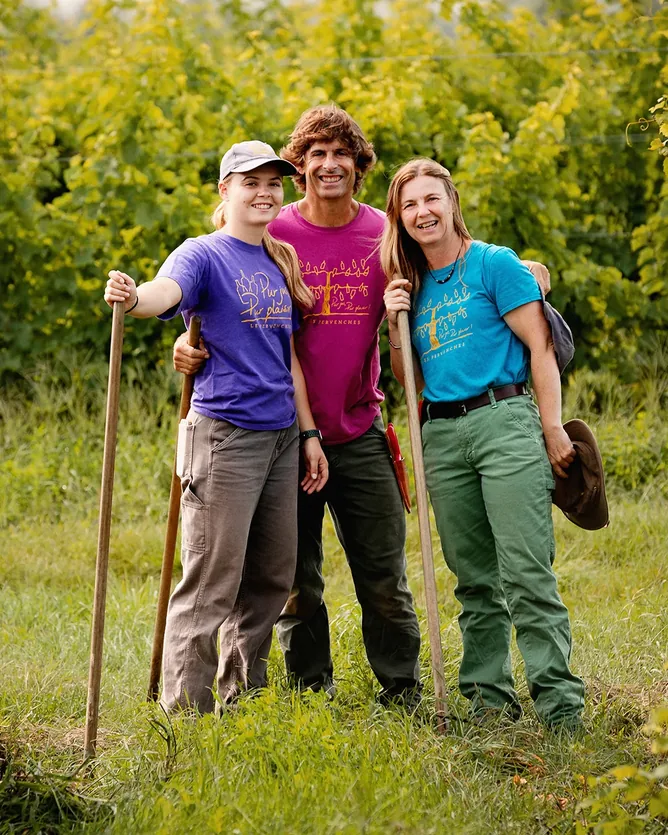
Vignoble Les Pervenches — verified organic producer in Quebec, CanadaSilver

Vignoble Les Pervenches

Farnham, Montérégie, Quebec, Canada
Ecocert Organic (COR) · Demeter Biodynamic (Demeter Canada)
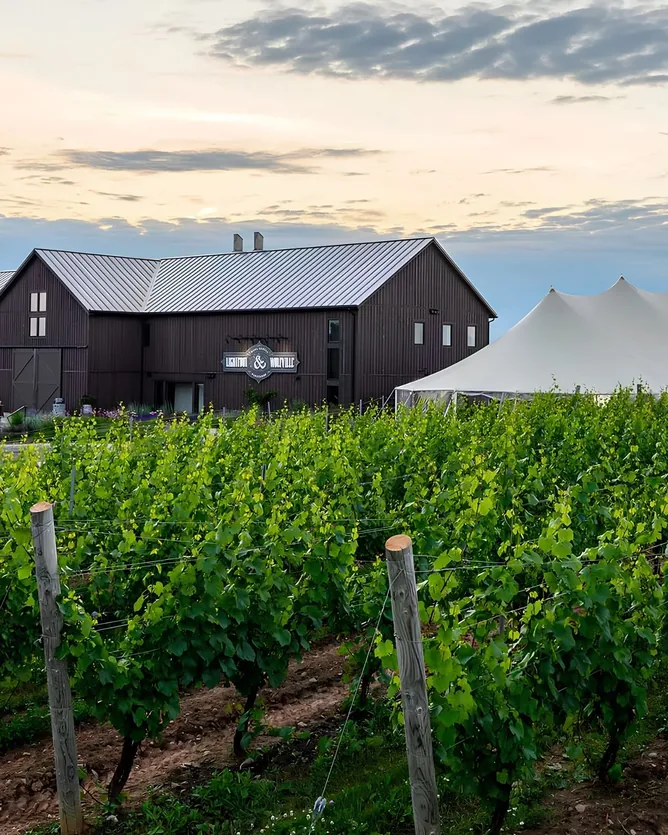
Lightfoot & Wolfville Vineyards — verified organic producer in Nova Scotia, CanadaSilver

Lightfoot & Wolfville Vineyards

Annapolis Valley, Nova Scotia, Canada
Ecocert Canada Organic (COR) · Demeter Biodynamic
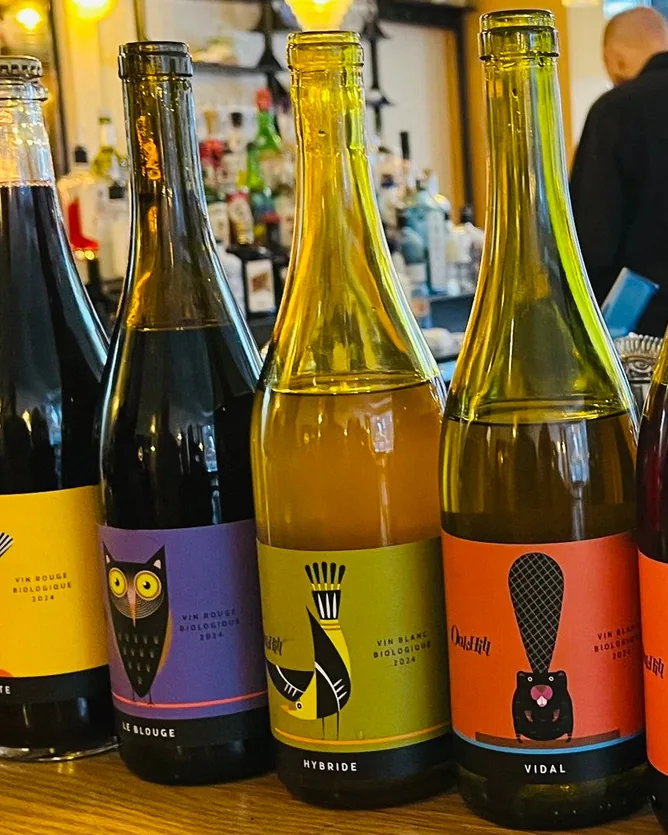
Domaine Oak Hill — verified organic producer in Quebec, CanadaSilver

Domaine Oak Hill

Melbourne, Estrie, Quebec, Canada
Ecocert Canada organic · Demeter biodynamic · bought-grape cuvées not covered
Pearl Morissette — verified organic producer in Niagara Peninsula, CanadaSilver

Pearl Morissette

Jordan, Niagara Peninsula, Ontario, Canada
provisional · synthetic pesticides and fertilizers avoided, by its own account
Robin Ridge Winery — verified organic producer in Similkameen Valley, CanadaSilver

Robin Ridge Winery

Keremeos, Similkameen Valley, British Columbia, Canada
PACS Organic (COR) · wines named by vintage, 2018 to 2023
Beaufort Vineyard & Estate Winery — verified organic producer in Vancouver Island, CanadaSilver

Beaufort Vineyard & Estate Winery

Courtenay, Comox Valley, Vancouver Island, British Columbia, Canada
PACS and Ecocert Canada Organic (COR) · named wines only
Clos du Soleil — verified organic producer in Similkameen Valley, CanadaSilver

Clos du Soleil

Keremeos, Similkameen Valley, British Columbia, Canada
NOOA organic under BCCOP (British Columbia only) · certified vineyards only

A Canadian vineyard has to get through the winter before anything else, and some winters take nearly the whole crop. The seventeen estates on this page farm organically in that climate, five of them biodynamically as well, and each card says what its certificate covers.

Where the figures come from18
  • B.C.'s Organic Certification Regulation took effect on September 1, 2018: B.C. organic food and beverage products marketed exclusively within B.C. require organic certification, and B.C. grown or processed organic products exported to other provinces or internationally must be certified organic under the federal Organic Products Regulations (Province of British Columbia)

    www2.gov.bc.ca ↗
  • Under the Canada Organic Regime, certification bodies must publish the name, contact details, certification status and certified products of each organic operator in an online directory such as a searchable database or spreadsheet; policy dated 29 July 2019, implemented from fall 2020 (Canadian Food Inspection Agency)

    inspection.canada.ca ↗
  • On February 1, 2000 Québec created its first reserved designation, Organic; any agri-food product designated Organic in Québec must comply with a provincial specifications manual and the Canadian standards and be certified by an accredited body (Conseil des appellations réservées et des termes valorisants)

    cartv.gouv.qc.ca ↗
  • Vin du Québec was recognised as a Protected Geographical Indication on November 17, 2018; it is made solely from hybrid and Vitis vinifera varieties grown in the delimited area, and a vineyard must produce at least 50 per cent of the total weight of fresh grapes or must used in its wines (CARTV)

    cartv.gouv.qc.ca ↗
  • In Québec, the more cold-resistant vines are protected by snow, which insulates them, and the less resistant vines by geotextile membranes at the foot of the plant; hardy varieties survive down to -30°C and Vitis vinifera suffers damage below -22°C (Vins du Québec)

    vinsduquebec.com ↗
  • VQA Ontario wine is made from 100 per cent Ontario-grown grapes (Ontario Wine Appellation Authority)

    vqaontario.ca ↗
  • The Niagara Peninsula has the largest planted area of all viticultural areas in Canada, 13,600 acres; Lake Ontario moderates air temperatures year-round, lake breezes prevent spring frost and extend the autumn, and the Niagara Escarpment rises to about 177 metres; the appellation contains three regional appellations and ten sub-appellations (Ontario Wine Appellation Authority)

    vqaontario.ca ↗
  • Prince Edward County was defined as a VQA appellation of origin in 2007; it is separated from the mainland by the Bay of Quinte and surrounded by Lake Ontario, on clay loam to sandy loam soils over limestone bedrock with shale fragments; Chardonnay, Pinot Noir, Pinot Gris and Cabernet Franc are common varieties (Ontario Wine Appellation Authority)

    vqaontario.ca ↗
  • British Columbia has 1,234 vineyards with 12,681 acres (5,132 hectares) planted, and nine geographical indications (Wine BC)

    winebc.com ↗
  • The Okanagan Valley has 10,920 acres planted and 196 licensed grape wineries; the Similkameen Valley has 768 acres planted and 13 licensed grape wineries; Vancouver Island has 321 acres planted and 17 licensed grape wineries (Wine BC)

    winebc.com ↗
  • Vancouver Island is home to Canada's only maritime Mediterranean climatic zone, with wet winters and warm, dry summers; its main cool-climate varieties include Pinot Gris, Pinot Noir and Marechal Foch; the Cowichan Valley is its official sub-region (Wine BC)

    winebc.com ↗
  • On March 30, 2015 the Golden Mile Bench, near Oliver in the Okanagan Valley, became British Columbia's first sub-geographical indication; at least 95 per cent of the grapes must come from the area to use the name on a label (Province of British Columbia)

    news.gov.bc.ca ↗
  • Officially launched in June 2012, Tidal Bay is the first wine appellation for Nova Scotia; the wines include 100 per cent Nova Scotia-grown grapes from approved varieties, follow a strict set of standards with alcohol no more than 11 per cent, and are approved every year by an independent blind tasting panel (Wine Growers Nova Scotia)

    winesofnovascotia.ca ↗
  • Winter injury is a common weather risk for grape growers in Ontario, which is considered a cool-climate area for viticulture; Vitis vinifera varieties are more vulnerable to cold, with most damage occurring below -22°C (Ontario Ministry of Agriculture, Food and Agribusiness)

    ontario.ca ↗
  • Temperatures in British Columbia fell well below -20°C between January 11 and 15, 2024; Wines of British Columbia and a consulting firm projected a 97 to 99 per cent decrease in grape and wine production across the province (CBC News, 15 February 2024)

    cbc.ca ↗
  • VQA Icewine grapes must be naturally frozen on the vine and harvested and pressed in a continuous process while the air temperature remains at or below -8°C, monitored by a VQA-appointed agent (Wine Country Ontario)

    winecountryontario.ca ↗
  • Pesticides are overwhelmingly derived from fossil fuels and their manufacture is energy-intensive, and a warming climate raises pest and disease pressure, which raises pesticide use in turn

    pan-uk.org ↗
  • The loop between the two: emissions from pesticide manufacture and use contribute to warming, and warming drives further pesticide use

    panna.org ↗
↑