
CedarCreek Estate Winery
The Free Bacchus Story
The hardest thing about converting this vineyard to organic farming was not the vineyard. It was the neighbours. CedarCreek sits on the eastern slope above Okanagan Lake at Kelowna, which is a city, and the vines run up against gardens. Taylor Whelan, who makes the wine, has described the first year plainly: the people around them were spraying their lawns and flowerbeds with everything available, and one of them emptied a swimming pool into the vineyard.
You cannot certify your way out of that. It is the part of organic conversion nobody puts in the brochure — that a boundary is only as good as what happens on the other side of it — and it is why converting a vineyard inside a town is a different job from converting one in open country.
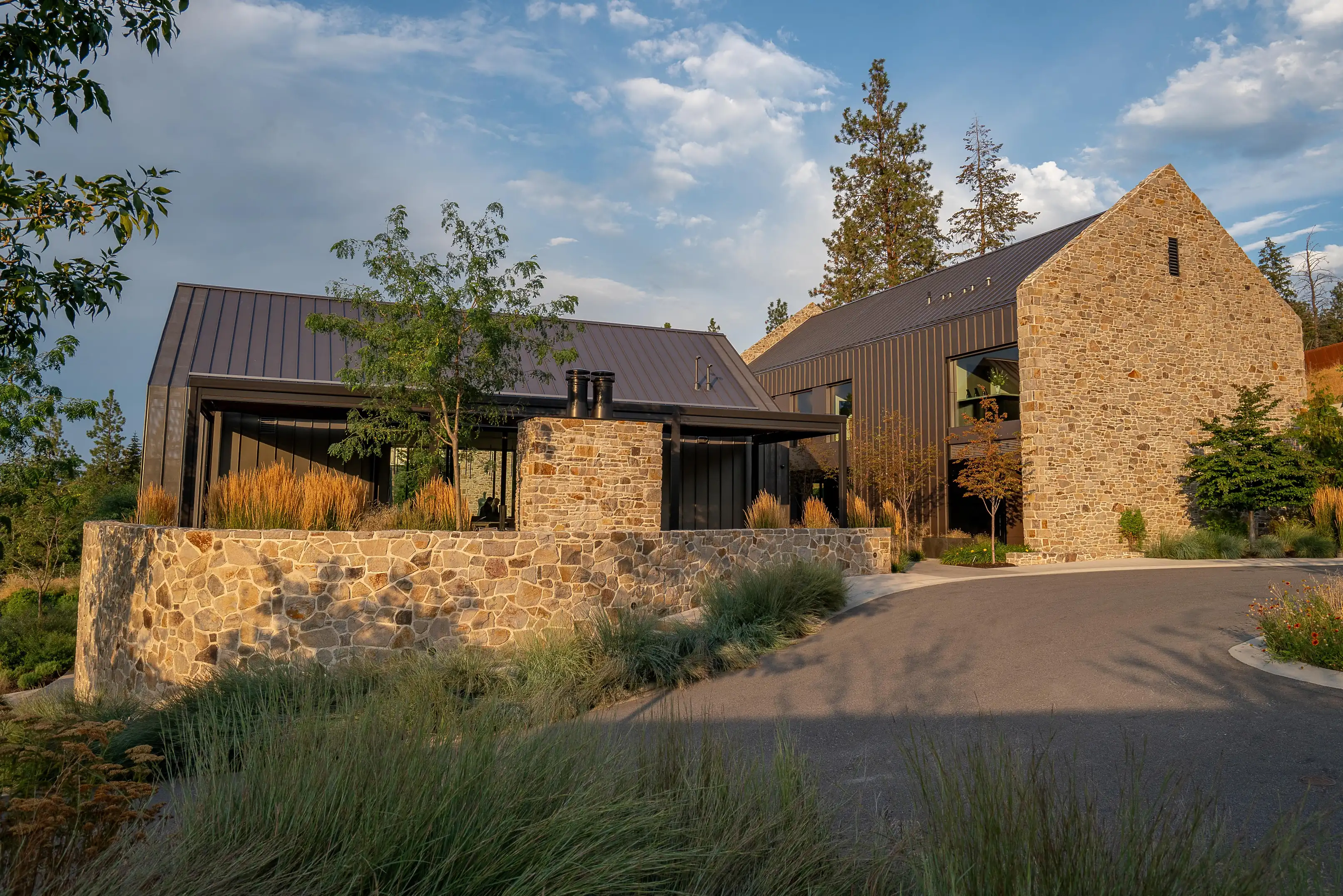
The reason they took it on is the lake. Everything on that slope drains into Okanagan Lake, and the lake is where Kelowna's drinking water comes from. Whelan has put it about as flatly as it can be put: the runoff from the vineyard goes straight back into the water people drink. That is a more legible argument than most of what the wine trade says about sustainability, because you can follow it downhill.
What replaced the sprays is closer to a smallholding than a vineyard. Five Scottish Highland cattle graze between the rows to keep the cover crop down; their hooves break the soil and their manure feeds the compost. A flock of chickens travels the vineyard in a mobile coop, eating the cutworms that climb the vines after dark to get at the buds. There are beehives, worm farms, kestrel boxes, and cover crops of alfalfa, crimson clover, mustard and wildflowers. None of that is a certification and this page does not treat it as one — it is simply how the place is farmed.
The Okanagan is worth a paragraph if you have never bought a bottle from it. It runs between the 49th and 50th parallels, the same latitude as Champagne, which suggests somewhere cold and marginal. It is nearly the opposite: a pocket desert that takes under twelve inches of rain a year, where July and August run hotter than the Napa Valley and the vines are irrigated because nothing else would survive. The lake holds the nights down. Chardonnay grown that way keeps its acidity through the heat, which is the whole reason to plant it here rather than something easier.
On the certificate we are being careful, and it is worth saying why. Ecocert Canada audited the estate and the winery, the trade press reported each stage as it happened and the winery documents it in detail. What does not exist is somewhere to look it up: Ecocert's client directory is opt-in and does not carry this group of wineries, Organic BC has no public operator search, and Canada has no central register of the kind the EU runs. Every other Track A producer on this site was confirmed at an issuing body's own record. This one could not be, and rather than let the wording imply otherwise, the page says what was actually checked.
“One guy drained his swimming pool into our vineyard”
Why it’s remarkable
Free Bacchus Verification
Ecocert-certified organic
Certified1
- Ecocert-certified organic — the conversion began in 2016, the first vineyard passed its audit in 2019 and the rest followed by July 2021
Also on record1
- Corroborated in the trade press and by the winery, but not confirmed on a public register: Ecocert Canada's client directory is opt-in and Canada has no central organic register to check. We say so rather than imply a check we could not make
If you’re buying
Cheat sheet
Save it to your phone. Everything you need to recognise this producer, and three things worth saying about it, at a glance in a shop or across a table.