Fukumitsuya
The Free Bacchus Story
Fukumitsuya has been brewing in Kanazawa since 1625, which makes it the oldest brewery in the city by a long way. It makes junmai 純米 only — sake from rice and water, with no distilled alcohol added at the end. For a house of that age the interesting part is that this is a modern decision, not an inherited one.
The reason there is a decision to make at all goes back to the war. Rice was rationed, breweries stretched what they had with distilled alcohol, and the practice outlived the shortage because it is cheap and it lightens the finish in a way many drinkers had grown used to. Most sake on a Japanese shelf still contains it, and the label will tell you only if you know the words. A junmai house has given up that lever permanently: no correcting a weak crop, no lifting a dull batch. What you taste is the rice, the water and the year.
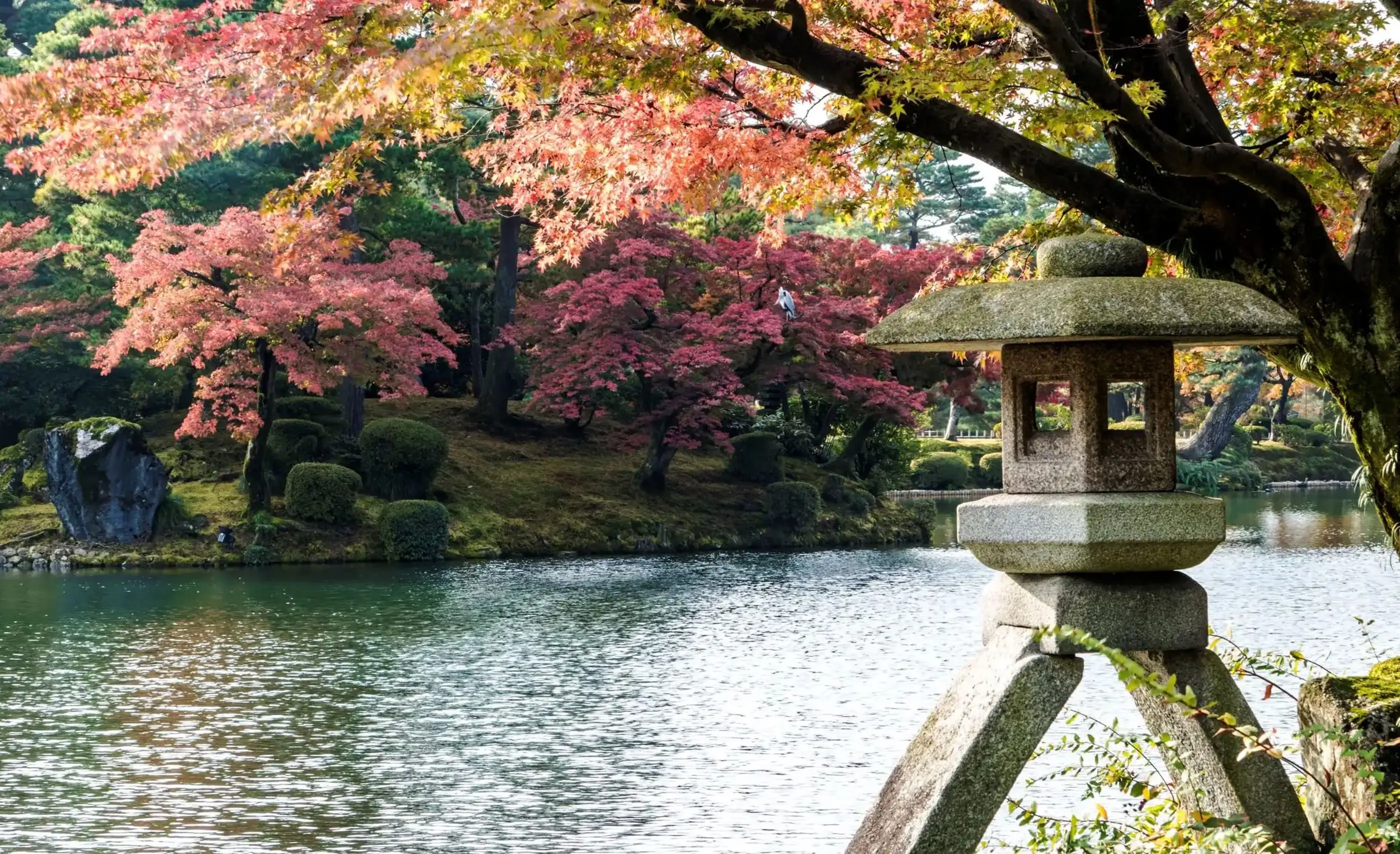
The water is older than anyone working there. Rain that falls on Hakusan 白山, one of the three mountains Japan counts as sacred, takes about a hundred years to reach the brewery, filtering down through a shell bed called the Onma formation 大桑層 and picking up calcium and magnesium on the way, into a well 150 metres under Kanazawa. Kanazawa University dated the water in 1986, so the hundred years is a measurement rather than a house story.
The organic bottle is Kagatobi Organic Junmai, and the brewery describes a gentle aroma of cereal and earth with a mild feel in the mouth. Its Japanese notes go further, with a soft touch on the tongue, generous umami and a body that swells rich and full. Wismettac, which imports it into the United States, calls it rich and full-bodied. The numbers are modest, a sake meter reading of plus four, just on the dry side, acidity of 1.5, and fourteen per cent alcohol, a little lighter than most sake.
What Fukumitsuya prizes most is kire キレ, the way a flavour stops cleanly when you swallow instead of trailing on. The brewery is careful to add that kire is more than dryness, because the umami of the rice should still come through. It is also a sake for every temperature. Wismettac lists cool, room temperature and hot at forty to forty-five degrees, and the brewery marks all three as recommended. For food it suggests dishes built on sesame and soy, such as sesame tofu, a soy-milk hot pot or shabu-shabu with sesame sauce, along with salt-grilled sea bream and grilled vegetables.
It has been buying from local sake-rice farmers since 1960 and began contracting organic rice in the mid-2000s. The organic sake is brewed at Kotobuki-gura, a kura 蔵 certified separately from the rest of the operation, which is what allows the certificate to mean something specific rather than general. The rice is Yamadanishiki, Kinmonnishiki and Fukunohana — sakamai 酒米, grown for brewing rather than eating, with bigger grains and a starchy core that mills cleanly. The certificate is held in three jurisdictions at once — Japan, the United States and the European Union. Each has its own rulebook and its own inspection, so holding all three is three audits rather than one recognised in three places.
Kagatobi, the name on the bottle, belonged to the firefighters of the Kaga clan’s Edo residence: famously skilled, famously difficult. The brewery keeps it to stand for iki 粋, the Edo ideal of style without fuss, and builds the whole Kagatobi range around that idea.
Why it’s remarkable
Free Bacchus Verification
JAS Organic, triple-certified Japan / US / EU
Certified1
- JAS Organic, triple-certified Japan / US / EU (certificate JF090915PR-1088-0)
Cheat sheet
Save it to your phone. Everything you need to recognise this producer, and three things worth saying about it, at a glance in a shop or across a table.
From the Journal
More Verified Houses · Japan
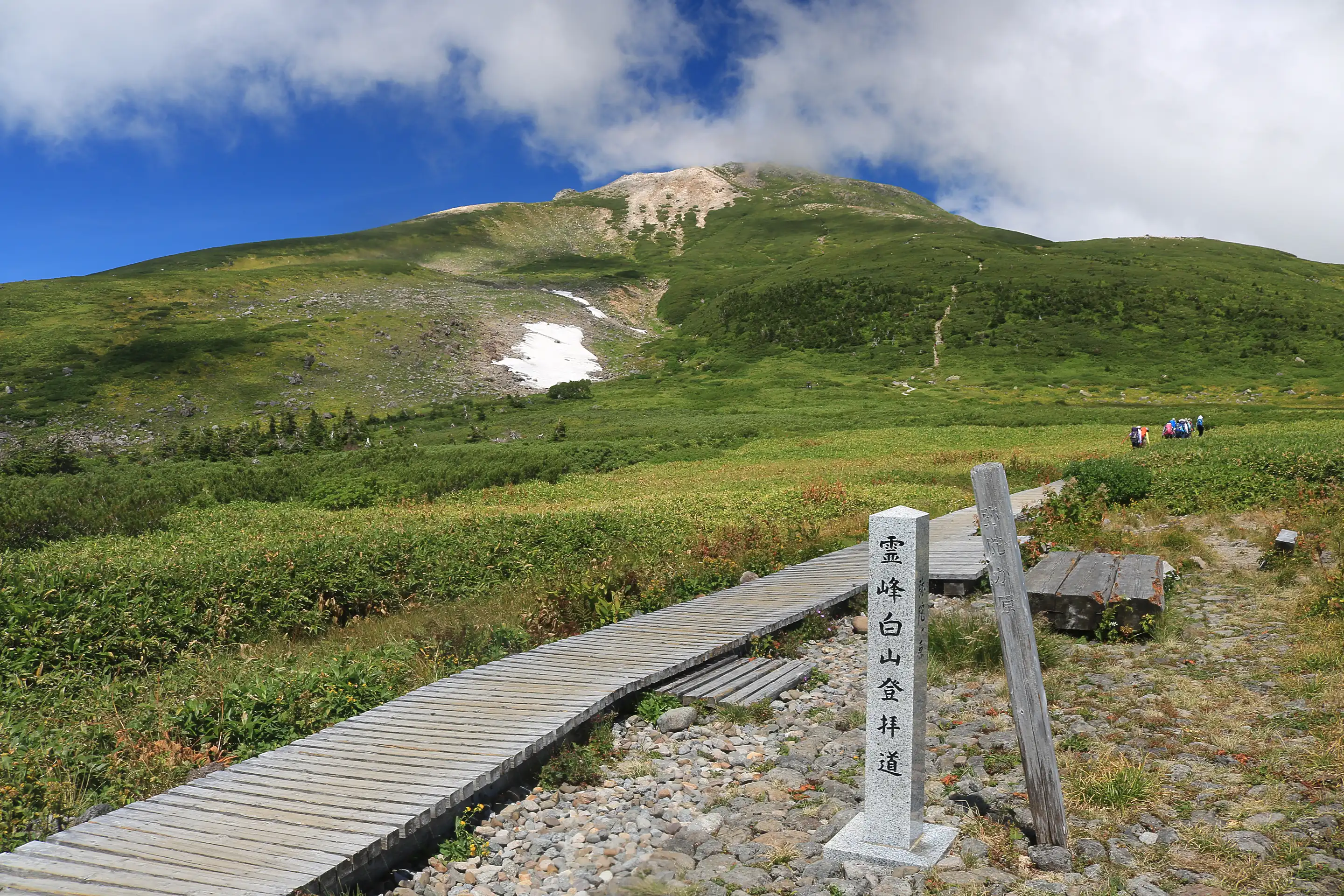
Photograph at the top of this page: Mount Haku from Midagahara by Alpsdake, CC BY-SA 4.0, via Wikimedia Commons. Cropped, resized and colour-adjusted for this page.
