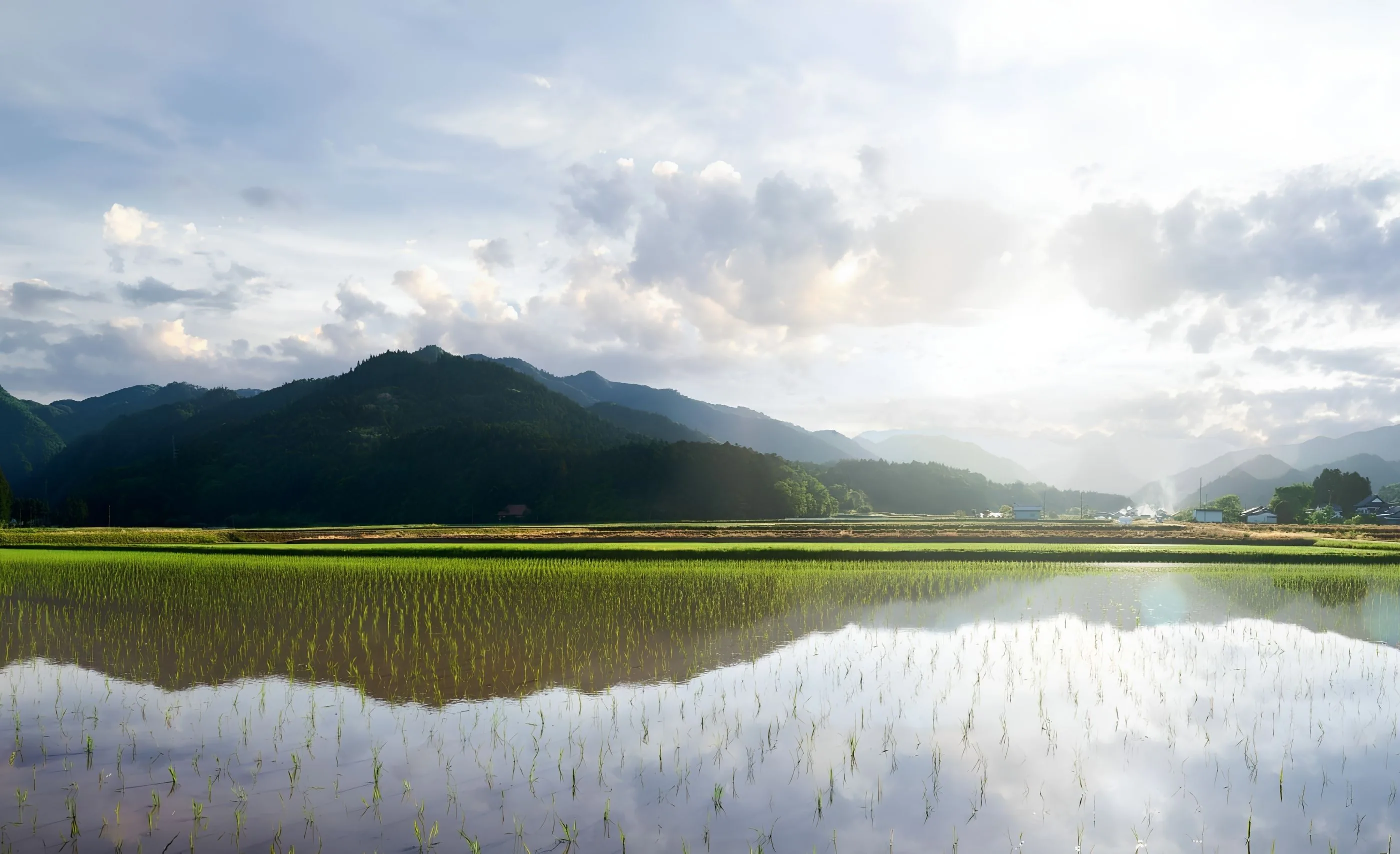
Ninki Shuzo
The Free Bacchus Story
Ninki Shuzo brews ginjō 吟醸 and daiginjō 大吟醸 only, and those two words are worth unpacking, because they are the closest thing sake has to a quality ladder you can read off a label.
Both refer to seimaibuai 精米歩合, the proportion of each rice grain left after milling. Ginjo means sixty per cent or less remains; daiginjo, fifty or less. The outer layers carry protein and fat, which throw the ferment toward heaviness, so grinding them away leaves the clean starch at the centre and a lighter, more aromatic sake. The flavours that come up are floral and orchard-fruit — melon, pear, sometimes banana — and they come from the yeast rather than from anything added. The cost is straightforward: at fifty per cent you have thrown away half the crop by weight to make the same volume of sake. It is why the grades cost what they do, and why these are the styles to drink cold rather than warmed.
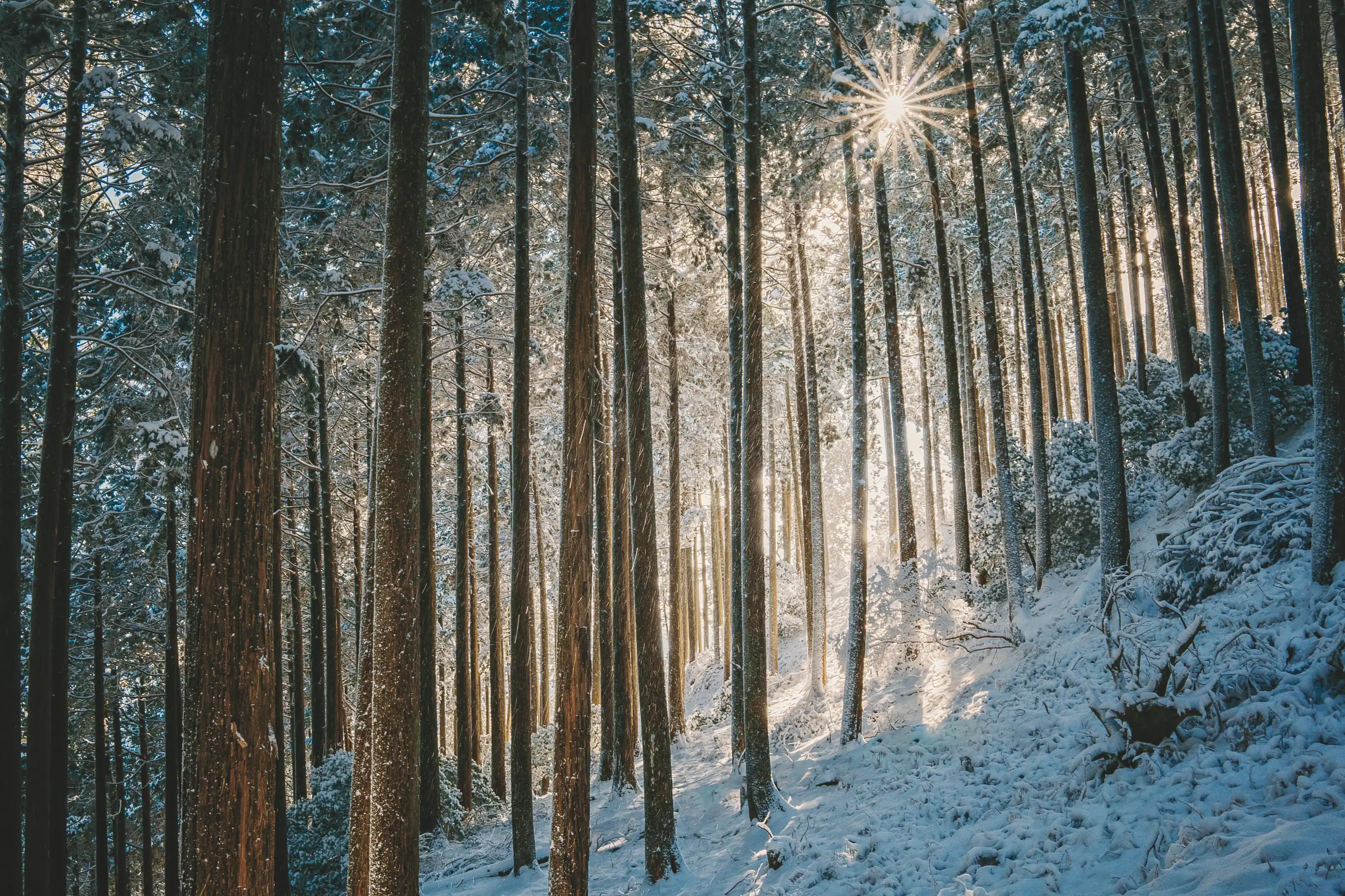
The organic bottle is Green Ninki, a junmai ginjo of organic rice milled to sixty per cent, and the International Wine Challenge has tasted it two years running. At the 2021 competition, where it won a silver medal, the judges found melon, pear, apple, mango, strawberry and almond, and called it silky and precise. In 2022, with a bronze, they wrote green tea, rose water and watercress on the nose, pineapple and lemon on the palate, and a finish like fresh cream. The two notes barely overlap, and that is ordinary for sake, which is an agricultural product brewed each winter from that year’s rice.
At the table it is meant to be easy company. Flying Brewery, which imports it into Sweden, calls it refreshing rather than rich, with sweetness and dryness in balance, and its Japanese description calls it shokuchū-shu 食中酒, a sake made to drink all the way through a meal. Serve it chilled, with sashimi, sushi or grilled fish.
The brewery’s roots run about 120 years, to the end of the Meiji period, but the current operation is young: Yujin Yusa took it over in 2007. He has been reviving kioke jikomi 木桶仕込み, fermenting in wooden vats rather than enamel or steel, while holding the price at a level that lets people drink it on an ordinary evening. Wood is harder to keep clean and harder to control, and it puts the brewery’s own resident microbes back into the ferment instead of shutting them out.
The organic certification here covers specific lines — Green Ninki and Uka — and not the house range. That is worth saying plainly, because a certificate that covers one bottling and a certificate that covers a brewery look identical on a label.
Why it’s remarkable
Free Bacchus Verification
JAS Organic · Green Ninki and Uka lines only
Certified1
- JAS Organic, certificate JN201015PR-1953
This page covers
The Green Ninki and Uka lines.
Cheat sheet
Save it to your phone. Everything you need to recognise this producer, and three things worth saying about it, at a glance in a shop or across a table.