Skip to content
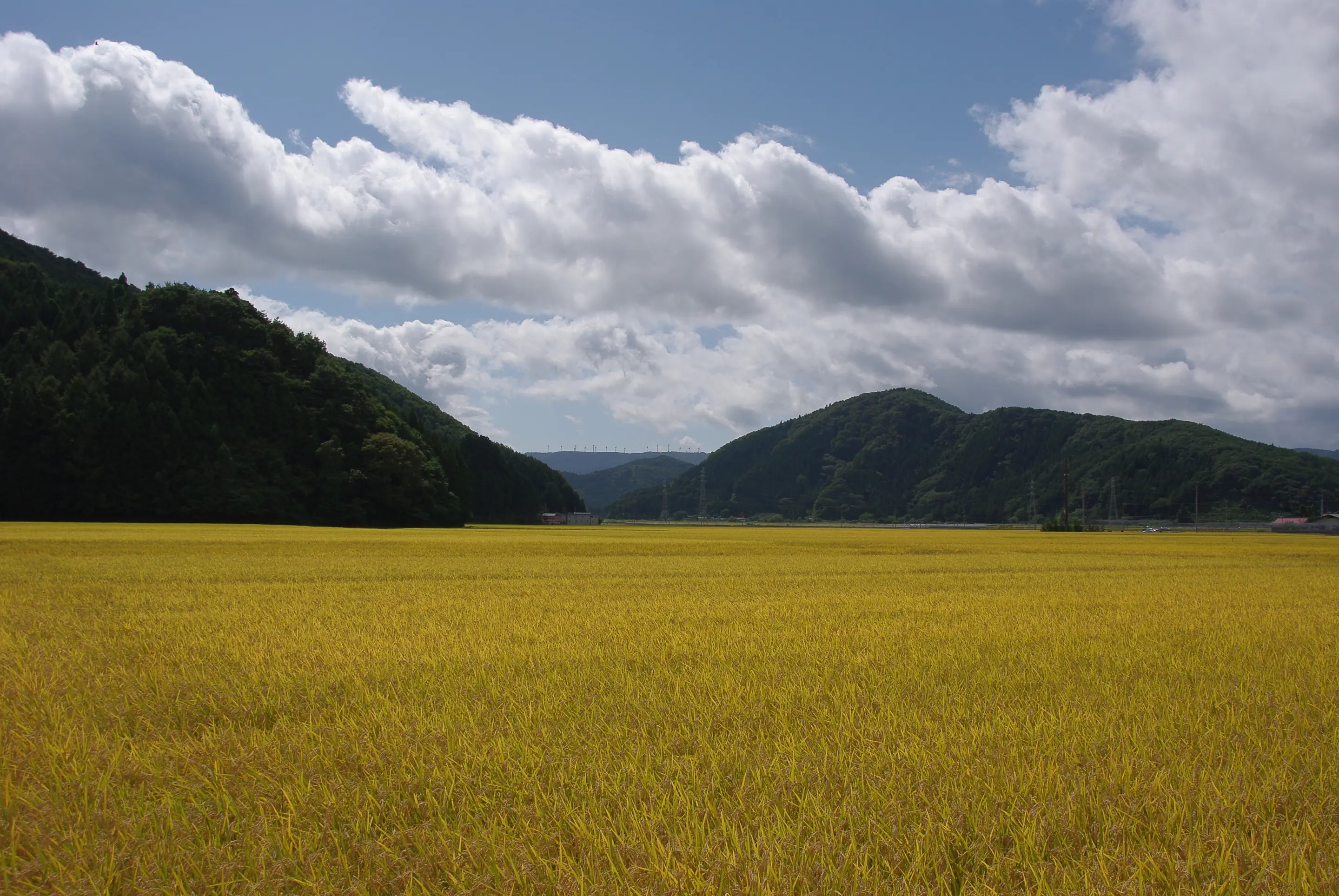
A field of ripe golden rice below forested hills and large clouds, on the shore of Lake Inawashiro in Koriyama
Koriyama, FukushimaJapanOrganic Sake

Niida Honke

NEE-dah HON-keh · Shizenshu is shee-ZEN-shoo
Silver TierTypically Under $45
Last verified · September 2026

Niida Yasuhiko is the eighteenth generation at Niida Honke, brewing in Tamura, on the outskirts of Koriyama, since 1711. His father launched what the brewery calls Japan’s first ‘natural sake’ in 1967. In 2011, the brewery’s 300th year and his first season as its tōji, or master brewer, Yasuhiko declared that everything it made would be natural sake. Then came the earthquake and the Fukushima Daiichi accident. He held his course, and asked organic farmers hurt by rumours about Fukushima food to grow sake rice for him.

Sake is brewed from rice, water, koji mould and yeast. Everything Niida makes is junmai, with nothing else added, not even the distilled alcohol that was common in 1967. It is all kimoto too, the most traditional way to start a ferment. The brewery’s own lactic bacteria sour a paste of rice, koji and water, then yeast living in the building takes over, none added. That takes about forty days, three times the modern method, and the sourness stays in the sake. The flagship, Shizenshu Junmai Genshu, is milled only to 85 per cent, keeping most of each grain, and fed rice in four stages instead of three.
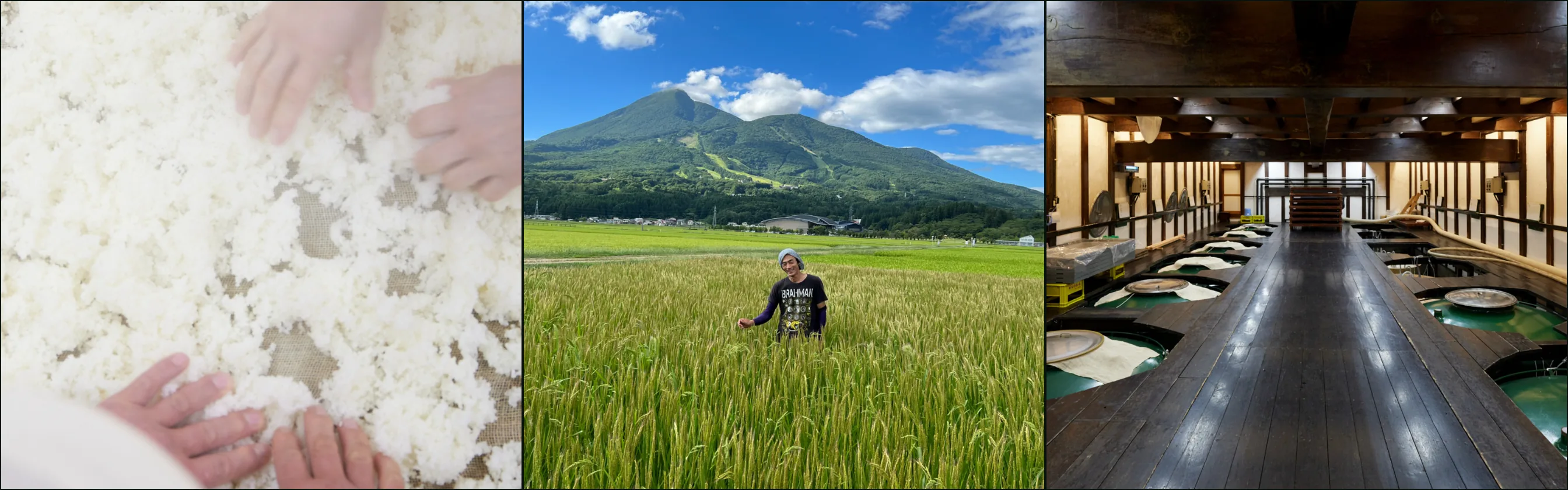
Three photographs at Niida Honke: hands working rice on cloth, a man in a rice paddy below a mountain, a timber-beamed hall

The brewery has grown its own rice since 2003, about six hectares of the old sake rices Omachi and Shinriki, from saved seed, without pesticides or chemical fertiliser. That is roughly a tenth of the rice it brews with; ten contract growers supply the rest.

Niida Honke holds four certificates on Japan’s national organic register. Its farming company, Niida Honke Agri, has had its paddies certified organic by AFAS Certification Center since 2009 (AFASSEQ-AA-090901). The brewery has an AFAS processed-food certificate and two that include alcohol, from JONA (JN230709PR-1920) and Ecocert Japan (260515-001), so it is certified to make organic sake. The contract growers are separate farms, and a brewing certificate covers only the bottles graded under it, so look for the organic JAS mark.

仁井田の酒と共に、田んぼや山、水も次世代に引き継がねばならない

“Along with our sake, paddies, mountains and water must pass to the next generation.”

Niida YasuhikoEighteenth-generation head and tōji (master brewer), 2021 · Nippon.com

Why it’s remarkable

1967
Japan’s first natural sake, by the brewery’s account
A natural-food group asked Yasuhiko’s father for sake made from rice grown without chemicals. At the time most sake had distilled alcohol added, and a salicylic-acid preservative was still allowed.
Half
the rice a naturally farmed paddy gives
Farming without chemicals yields about half the rice of a conventional paddy the same size, Niida says. What makes it pay is not buying pesticide or fertiliser, and tending the crop well.
About 40 days
to start each ferment the kimoto way
The modern method takes 12 to 14. Kimoto waits for the brewery’s own lactic bacteria and yeast instead of adding them, and every Niida sake is now made this way.
60 hectares
every paddy in the village, the family’s goal
Niida farms about six of them. The aim is to bring all of the village’s paddies into farming without chemicals, and Yasuhiko has said it may take more than one generation.
Independently certified, and checked against the issuing body’s own register. Not a compromise on quality — see how we verify.

Free Bacchus Verification

Track A
Formal third-party certification, confirmed against the issuing body’s own register.

Organic JAS · paddies and sake-making

Certified2
  • Organic JAS: paddies, AFAS AFASSEQ-AA-090901
  • Organic JAS: sake-making, JONA JN230709PR-1920 and Ecocert Japan 260515-001
Re-verified annually against the issuing body’s register. How re-verification works
The producer’s own site1711.jp
Producers don’t pay to be here. There is no fee to be listed and no way to buy a higher tier. If the evidence doesn’t hold, the bottle isn’t here.
Flagship
Niida Shizenshu Junmai Genshu
Best award
Platinum, Niida Grand Cru · Kura Master 2024

If you’re buying

Price
About ¥1,925 for 720ml of Shizenshu Junmai Genshu at the brewery’s online shop and at the Japanese merchant IMADEYA, roughly US$13. Approximate.
Availability
Sold at the brewery’s shop in Tamura and its online shop, and listed by Japanese merchants such as IMADEYA. Grape Witch Imports lists it in Toronto.
Tastes like
Amber and slightly thick, says the brewery, with the rice’s sweetness and savour drawn out by the fourth stage, and a kimoto sourness that keeps it in shape.
Price bands are approximate and move with vintage, market and region. They are a guide, not a quotation.

Cheat sheet

Save it to your phone. Everything you need to recognise this producer, and three things worth saying about it, at a glance in a shop or across a table.

10 verified producers in Japan →

From the Journal

← EnvínateThe Verification StandardKishu Takada Kaen →

More Verified Houses · Japan

Photograph at the top of this page: 猪苗代湖畔の水田 - panoramio by Kuratch, CC BY-SA 3.0, via Wikimedia Commons. Cropped and resized for this page.

↑