Kikusui Sake Brewery
The Free Bacchus Story
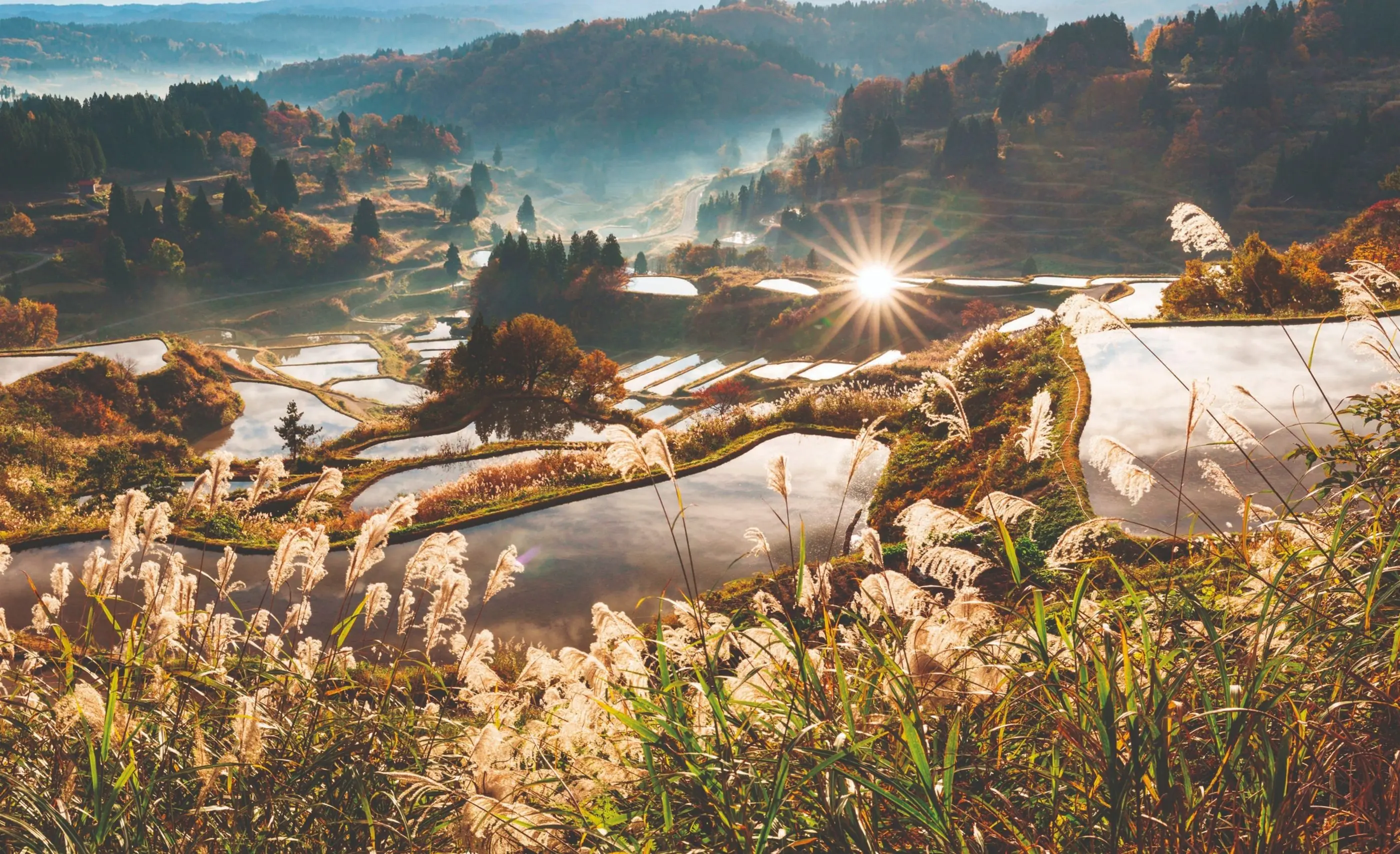
Kikusui brews in Niigata, the prefecture most associated with a style the Japanese call tanrei karakuchi 淡麗辛口 — light and dry. Heavy snow, soft water and a long cold winter give a sake that finishes clean and quick rather than lingering, and it is the reference point most people meet first. Its Setsugoro brewery was the first operation in Japan certified organic, and the Organic Junmai Ginjo that comes out of it is described as the country’s first USDA-certified organic sake.
Pour the Organic Junmai Ginjo and the brewery says you will find a gentle nose of honeysuckle with a hint of ripe banana, then fresh honeydew melon when you taste it. MTC Sake, which imports it into the United States, notices the banana first and calls the melon understated, so expect something quiet. None of that fruit is added. The yeast gives off banana and melon notes when it is kept cold and worked slowly, and those notes are what the ginjo grades are known for. On its Japanese product page the brewery sums up the style in three words, yawaraka na karakuchi やわらかな辛口, a soft dry. That means dry enough to stay out of a meal’s way, without the hard edge dry sake can have.
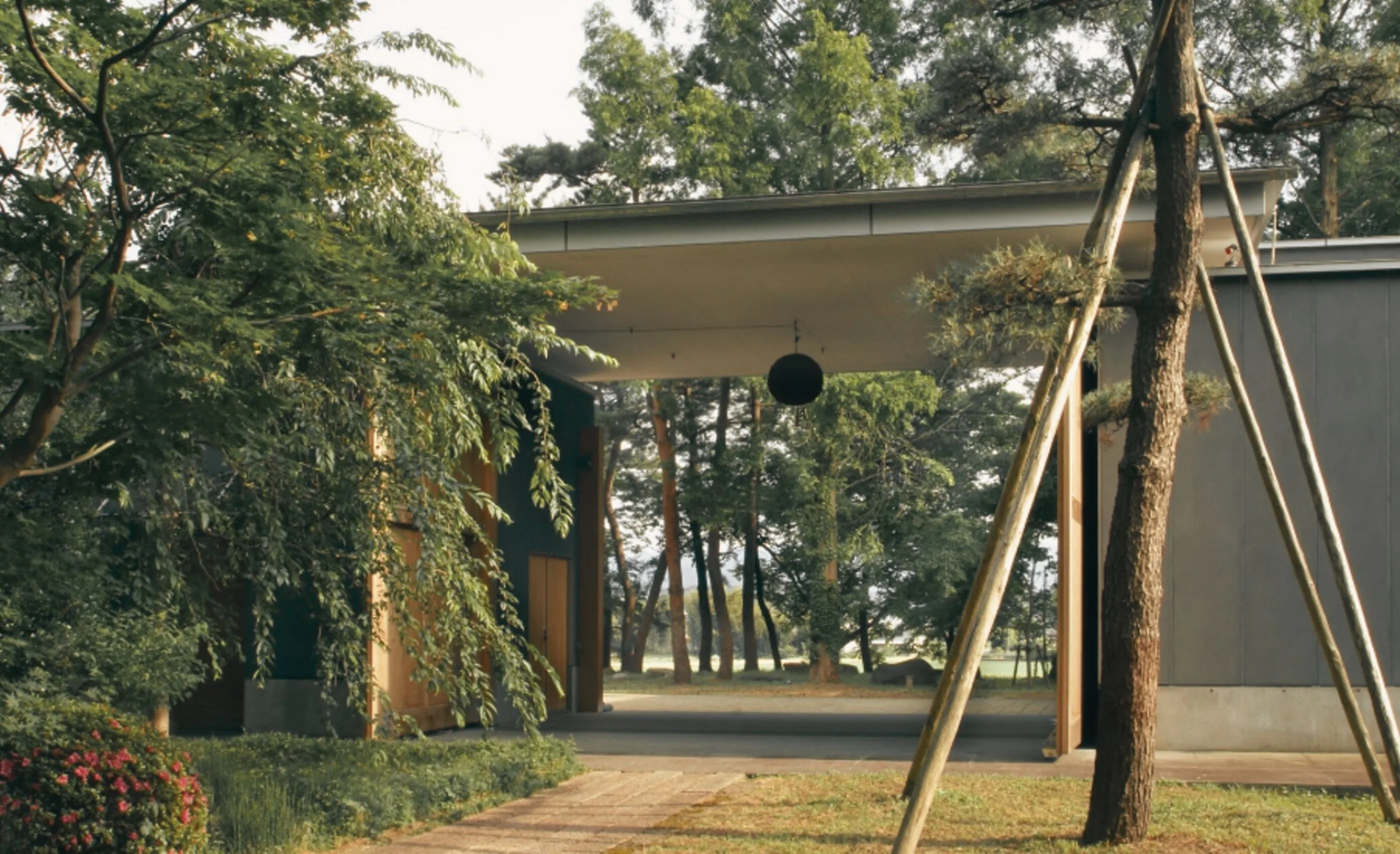
The rice is Koshihikari, the variety Japanese households buy to eat, grown organically in Sawaguchi, a district of Agano in Niigata. Most ginjo is brewed from rice bred for brewing, with a bigger grain and a starchy core, so an eating rice is an unusual choice for the grade. It is milled to fifty-five per cent, meaning forty-five per cent of each grain is polished away before brewing begins. Ginjo only requires sixty, so this goes further than it has to.
The brewery’s English advice is to serve it slightly chilled. Its Japanese page is more generous and lists every temperature from over ice to hot, and very few drinks work across that whole range the way sake does. For food, the brewery’s rule of thumb is that anything you would open a white wine for will suit it, and MTC suggests fresh seafood and roasted vegetables.
What happens next has no equivalent in a winery. Steamed rice is inoculated with kōji 麹 in a warm cedar room and left for two days while the mould pushes its threads into each grain; the enzymes it leaves behind convert starch into sugar. That koji rice is then mixed with more steamed rice, water and yeast, and the conversion and the fermentation run together in the same tank — sugar appearing and being eaten at the same moment. Brewers call it multiple parallel fermentation, and it is why sake reaches fifteen or sixteen per cent alcohol without distillation, higher than beer and near the top of what yeast will tolerate.
Certifying a sake to a foreign organic standard is an awkward piece of work: the rice must qualify, the brewing must qualify, and the auditor has to make sense of a process that has no close analogue in Western food production. Being first through that door is the achievement here, more than any single bottle.
Why it’s remarkable
Free Bacchus Verification
USDA Certified Organic · Setsugoro brewery
Certified1
- USDA Certified Organic (certificate J15B-2303), Setsugoro brewery
Cheat sheet
Save it to your phone. Everything you need to recognise this producer, and three things worth saying about it, at a glance in a shop or across a table.