-
Japan's designated geographical indications for liquor, with category and designation date: Yamanashi (Wine, 16 July 2013, and Seishu/Sake, 28 April 2021), Hakusan (Seishu/Sake, 22 December 2005), Nihonshu (Seishu/Sake, 25 December 2015), Nadagogo (Seishu/Sake, 28 June 2018, covering Nada and Higashinada wards of Kobe, Ashiya City and Nishinomiya City), Hokkaido (Wine, 28 June 2018), Wakayama Umeshu (Other kinds of liquor, 7 September 2020, Wakayama Prefecture), Osaka (Wine, 30 June 2021), Nagano (Wine and Seishu/Sake, 30 June 2021), Yamagata (Seishu/Sake, 16 December 2016, and Wine, 30 June 2021), Niigata (Seishu/Sake, 7 February 2022), Shiga (Seishu/Sake, 13 April 2022, Shiga Prefecture), Minamiaizu (Seishu/Sake, 30 August 2024, Minamiaizu Town in Fukushima Prefecture), Kitakata (Seishu/Sake, 20 December 2024, Kitakata City and Nishiaizu Town in Fukushima Prefecture), Kyoto (Seishu/Sake, 1 October 2025) and Tottori (Seishu/Sake, 1 October 2025, Tottori Prefecture); Hakusan covers Hakusan City in Ishikawa Prefecture only, and no designation covers Kanagawa Prefecture (National Tax Agency, re-read 19 September 2026)
nta.go.jp ↗
-
To carry the geographical indication Nihonshu a sake must be made in Japan by the Seishu method prescribed in the Liquor Tax Act, from rice and rice koji originating in Japan; Yamada Nishiki was developed in 1936 (National Tax Agency, product specification)
nta.go.jp ↗
-
Japan began enforcing its first national wine labelling standards on 30 October 2018; the standards were developed by the National Tax Agency in 2015. "Domestic Wine" is no longer permitted; "Japan Wine" is allowed only for wine produced and bottled in Japan using only grapes harvested in Japan. Wine made in Japan from imported ingredients is labelled "Domestically Produced Wine" and may not label region, variety or vintage. A single varietal, a region or a harvest area claim each requires at least 85 per cent (USDA Foreign Agricultural Service GAIN report, 2 November 2018)
apps.fas.usda.gov ↗
-
Land used for organic agriculture in Japan reached 34,500 hectares in 2023, 0.8 per cent of arable land, of which 21,800 hectares were Organic JAS graded; the share of arable land under organic agriculture in 2023 was 18.7 per cent in Italy, 27.3 per cent in Austria, 11.3 per cent in Germany and 9.6 per cent in France. As of FY2023, 53 per cent of Organic JAS farmland was in Hokkaido. The MIDORI Strategy for Sustainable Food Systems targets 25 per cent of arable land (1 million hectares) under organic agriculture by 2050 (MAFF, September 2025)
maff.go.jp ↗
-
Only agricultural products grown and graded on Organic JAS certified farmland may be labelled "organic" in Japan; the standard conforms to the Codex Alimentarius guidelines and is verified by third-party inspection (MAFF, September 2025)
maff.go.jp ↗
-
Koshu is a hybrid of Vitis vinifera and the East Asian wild species V. davidii, with the genome approximately 71 per cent V. vinifera; genomic characterisation published 2020
ncbi.nlm.nih.gov ↗
-
Japan's first modern winery, Dai-Nihon Yamanashi Budoshu Gaisha, was founded at Katsunuma in Yamanashi in 1877, and sent Masanari Takano and Ryuken Tsuchiya to France to study viticulture and winemaking
decanter.com ↗
-
Niigata has the largest number of sake breweries of any prefecture in Japan
niigata-sake.or.jp ↗
-
Gohyakumangoku is an early-ripening sake rice grown mainly in Hokuriku that drove the tanrei karakuchi (light and dry) style around 1980, with Niigata growing close to half the national crop
sakestreet.com ↗
-
Nada's brewing water, Miyamizu, is a hard well water drawn in Nishinomiya, rich in potassium and phosphorus and low in the iron that harms sake; Yamada Nishiki is the leading sake rice and around 80 per cent of it is grown in Hyogo Prefecture
nippon.com ↗
-
Organic alcohol beverages were not included in the scope of JAS in the past; from 1 October 2022 certified organic alcohol beverages may carry the Organic JAS Seal by obtaining organic JAS certification for processed foods, and from 1 October 2025 alcohol beverages labelled "有機" or "Organic" must carry the Organic JAS Seal, imported products included (MAFF)
maff.go.jp ↗
-
The Noto tōji, who carry an old name for the Ishikawa region still used for the Noto Peninsula to the north, are one of the four great groups of brew masters in Japan (Nippon.com)
nippon.com ↗
-
Organic JAS register: Niida Honke holds a farm-produce certificate for its own paddies (AFASSEQ-AA-090901, 2009) and processing certificates including alcohol (JONA JN230709PR-1920; Ecocert Japan 260515-001); Takahashi Shosaku Brewery holds a farm-produce certificate for rice from Fukushima Prefecture (No. 19, 2007) and no processing certificate; Tamanohikari (Ecocert Japan 220210-001), Matsuse Shuzo (Zenkoku Ainōkai 25-15) and Chiyomusubi (Tottori Prefecture B23-0024) hold processing certificates including alcohol and no farm-produce certificate; Yokohama Winery holds a farm-produce certificate for its Yokohama vineyard in Asahi Ward (NA-22122301, 2022) and a processing certificate for the winery (NB-23091901, 2023); Kishu Takada Kaen holds a farm-produce certificate for ume and shiso (1104-01A, 2011) and a processing certificate including umeshu (1104-01B, 2012) (MAFF national Organic JAS operator register, status 31 July 2026, and consent lists of 1 July 2026, as recorded in each producer's claims ledger)
maff.go.jp ↗
-
Fushimi's water is soft (hardness about 40) and ferments slowly and gently, giving a mellow sake; Nada's Miyamizu is hard (about 180), rich in minerals, and promotes fermentation (Sake World, Eriko Fujita, 1 September 2024)
en.sakeworld.jp ↗
-
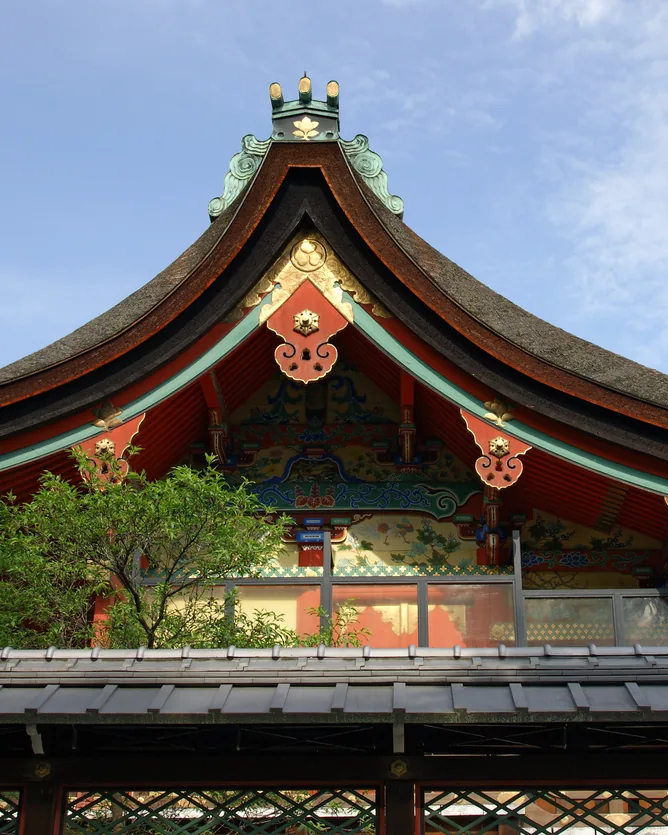
Tamanohikari was founded in 1673 in Wakayama City; it lost everything in an air raid in 1945 and its eleventh head chose Fushimi, Kyoto, as its new home (Tamanohikari, home page and company history)
tamanohikari.co.jp ↗
-
Niida Honke is on the outskirts of Kōriyama (Nippon.com, 18 June 2021)
nippon.com ↗
-
Takahashi Shosaku Brewery stands at the southern end of the Aizu basin, at Monden-machi Ichinoseki in Aizuwakamatsu (Takahashi Shosaku Brewery, 会津の環境)
aizumusume.co.jp ↗
-
Yokohama Winery buys grapes from Yamanashi, Nagano and Tohoku; in spring 2020 it opened a vineyard of about 0.3 hectares in Asahi Ward aiming for Organic JAS, planted to Pinot Noir and Chardonnay, certified in 2022, and in 2024 released its first wine of 100 per cent own-grown organic grapes (Yokohama Kimijimaya, Yokohama Winery page)
shopping.kimijimaya.co.jp ↗
-
Yokohama Winery's vineyard is on abandoned land in Asahi Ward, near the ZOORASIA zoo (Circular Yokohama)
circular.yokohama ↗
-
Yokohama Winery planted about 400 wine-grape vines in 2020; it says Yokohama is not well suited to growing grapes, and that its hot, humid climate makes the vineyard a continual fight with disease (Yokohama Winery, CAMPFIRE project, closed 24 August 2026)
camp-fire.jp ↗
-
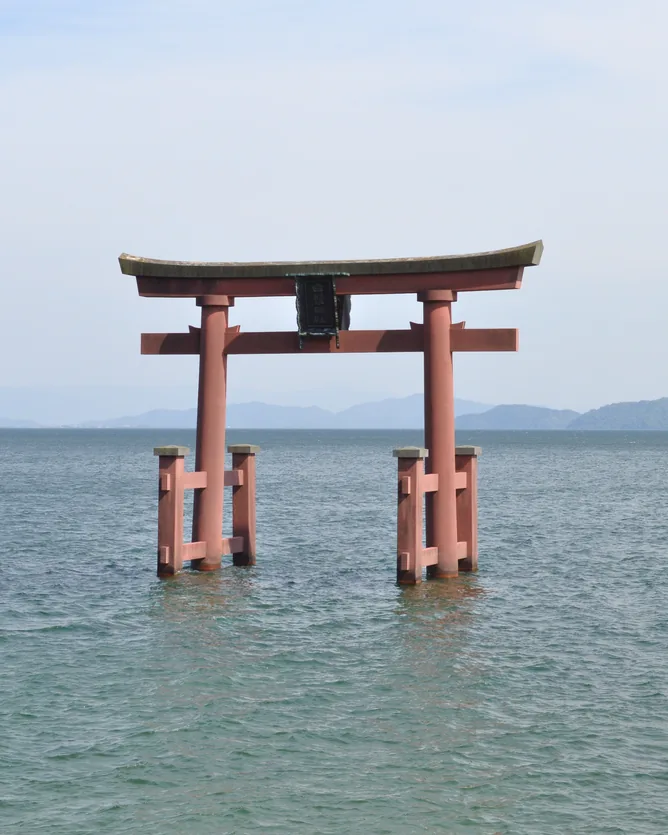
Ryuo lies between Lake Biwa and the Suzuka Mountains to the east, and most of Shiga Prefecture's rivers flow into Lake Biwa (NIHONMONO, 9 May 2025)
nihonmono.jp ↗
-
Matsuse Shuzo brews with water from the underground flow of the Echi River off the Suzuka range, drawn from 120 metres below ground (Matsuse Shuzo, brewing page)
matsunotsukasa.com ↗
-
Matsu no Tsukasa's organic junmai is Organic JAS certified sake made from organic Wataribune rice grown in Ryuo by the Wakai farm, which has grown rice in Ryuo for generations (Matsuse Shuzo, organic junmai page)
matsunotsukasa.com ↗
-
Goriki, a Tottori sake rice selected from 1891, was dropped as a recommended variety in 1945 and gone from the prefecture around 1955; it was revived from seed preserved at Tottori University, grown again from 1989 (Chiyomusubi, Goriki story); the Goriki series is the brewery's flagship and is not an organic line (Chiyomusubi, news, 1 February 2025)
chiyomusubi.co.jp ↗
-
Chiyomusubi's organic junmai series, released 8 October 2025, is made from rice grown by five organic farmers in Ibaraki, Niigata, Hyogo and Tokushima (Chiyomusubi, news, 12 October 2025)
chiyomusubi.co.jp ↗
-
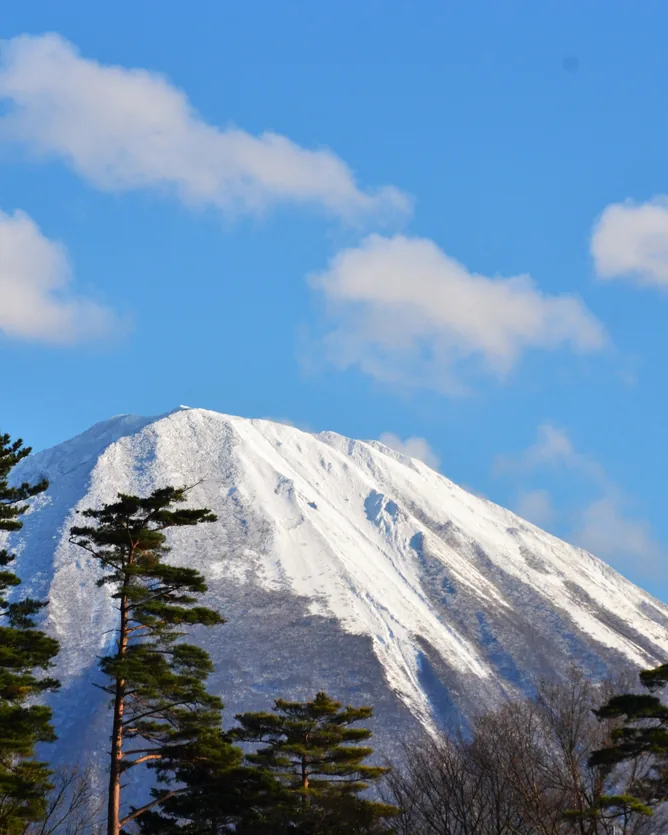
Chiyomusubi fetches its brewing water from Daitō in Unnan, Shimane Prefecture, at the foot of the Chūgoku Mountains (Chiyomusubi, corporate message)
chiyomusubi.co.jp ↗
-
Umeshu is made by steeping ume in alcohol and sugar (WAKAYAMA UMESHU project, material from Minabe Town's ume section); it is a liqueur under the Liquor Tax Act, made by steeping ume in alcohol (Japan Spirits & Liqueurs Makers Association)
wakayamaumeshu.jp ↗
-
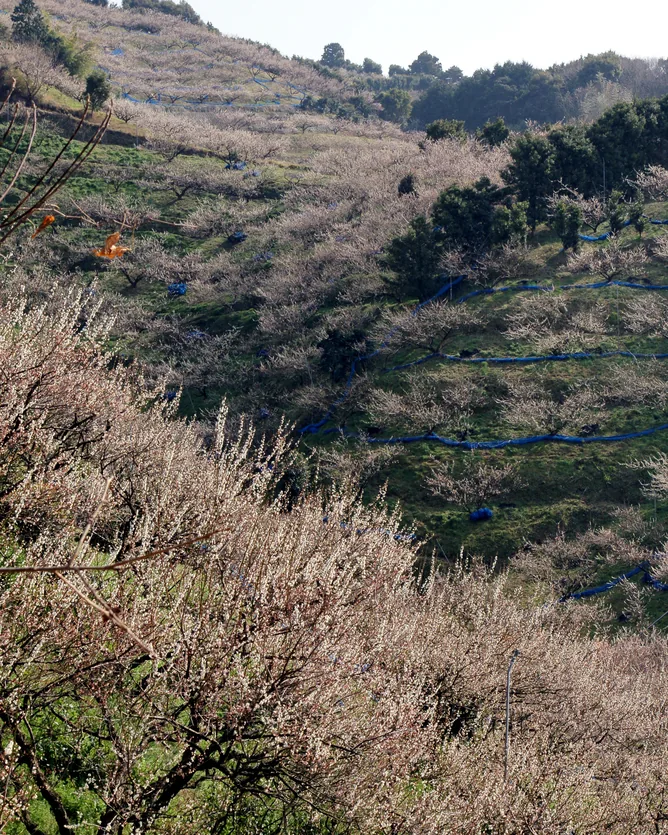
Minabe's ume harvest is about 25 per cent of Japan's, the largest of any town, and Nanko makes up 80 per cent of it; Minabe is the birthplace of the Nanko ume (Minabe Town, みなべ町の農業)
town.minabe.lg.jp ↗
-
In 1902 Sadagusu Takada turned his mulberry field into an ume orchard, planting 60 saplings, and raised the best of them as the mother tree of the Takada ume, registered as Nanko in 1965 (Kishu Takada Kaen, 南高梅発祥農園); the mother tree still flowers on the farm every year, and about 80 per cent of the orchard is farmed organically (Kishu Takada Kaen, home page)
takadakaen.jp ↗
-
Pesticides are overwhelmingly derived from fossil fuels and their manufacture is energy-intensive, and a warming climate raises pest and disease pressure, which raises pesticide use in turn
pan-uk.org ↗
-
The loop between the two: emissions from pesticide manufacture and use contribute to warming, and warming drives further pesticide use
panna.org ↗