Tamanohikari
The Free Bacchus Story
Tamanohikari was founded in Wakayama in 1673, under licence from Tokugawa Mitsusada, lord of the Kishu domain. An air raid in 1945 destroyed everything, and Ujita Fukutoki, the eleventh head of the house, started again in Fushimi, Kyoto. In 1964 he brought back junmai, sake made from rice alone, because, the brewery says, he wanted a sake he could drink without a hangover.
Junmai means rice, koji and water and nothing else; koji is a mould grown on steamed rice to turn its starch into sugar for the yeast. Most sake then had distilled alcohol added to stretch the batch, and junmai takes up to 1.8 times as much rice. Tamanohikari now brews only the ginjo and daiginjo grades, polishing the rice until 60 or 50 per cent of each grain is left, for a lighter, cleaner sake. Fushimi’s soft water makes a rounder sake than Nada’s hard water an hour away, and the brewery aims for sake to drink with food, not a perfumed showpiece.
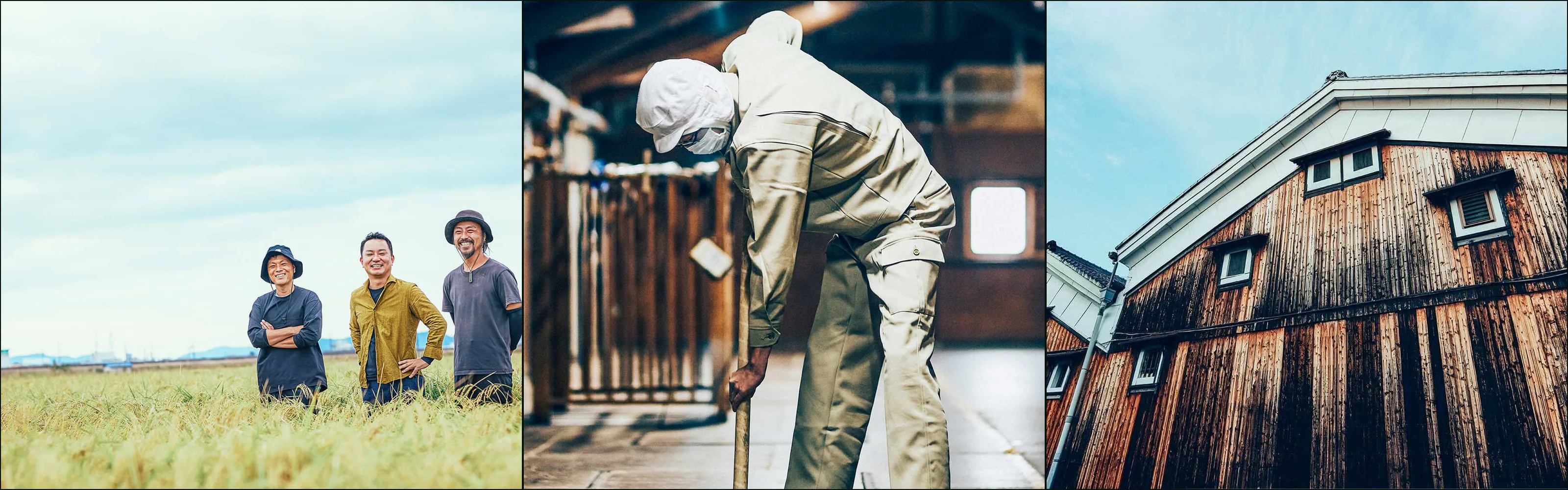
Its long cause is Omachi, found in Okayama in 1859, the oldest sake-rice variety and an ancestor of Yamada Nishiki, the benchmark sake rice. It grows about 170 centimetres tall and topples easily, and it had shrunk to decoration for New Year rice cakes before Tamanohikari found farmers to grow it again. The organic Omachi comes from Fujita, on the southern Okayama plain, where two childhood friends, Okamoto Kunihiro and Ono Takuma, farm about 4.2 hectares of it and spend the season pulling weeds.
Ecocert Japan certifies the brewery under Organic JAS, certificate 220210-001, first registered in February 2022, for processed foods including alcoholic drinks. It covers the bottles sold as organic, such as GREEN Omachi, GREEN Yamada Nishiki, the Organic Junmai Daiginjo Bizen Omachi 100% and Organic Sparkling Kyo no Hoshi, not the whole range. The rice is bought in; no farm of the brewery’s own is on the register.
“体に優しく、そして自然と調和する製造法”を追求していきたいと思っています
“We want to pursue brewing kind to the body and in harmony with nature.”
Why it’s remarkable
Free Bacchus Verification
Organic JAS, Ecocert Japan · organic sakes only
Certified1
- Organic JAS, Ecocert Japan: 220210-001
This page covers
The organic sakes.
Not covered1
- The rest of the range
Also on record1
- Rice bought in
If you’re buying
Cheat sheet
Save it to your phone. Everything you need to recognise this producer, and three things worth saying about it, at a glance in a shop or across a table.
From the Journal
More Verified Houses · Japan
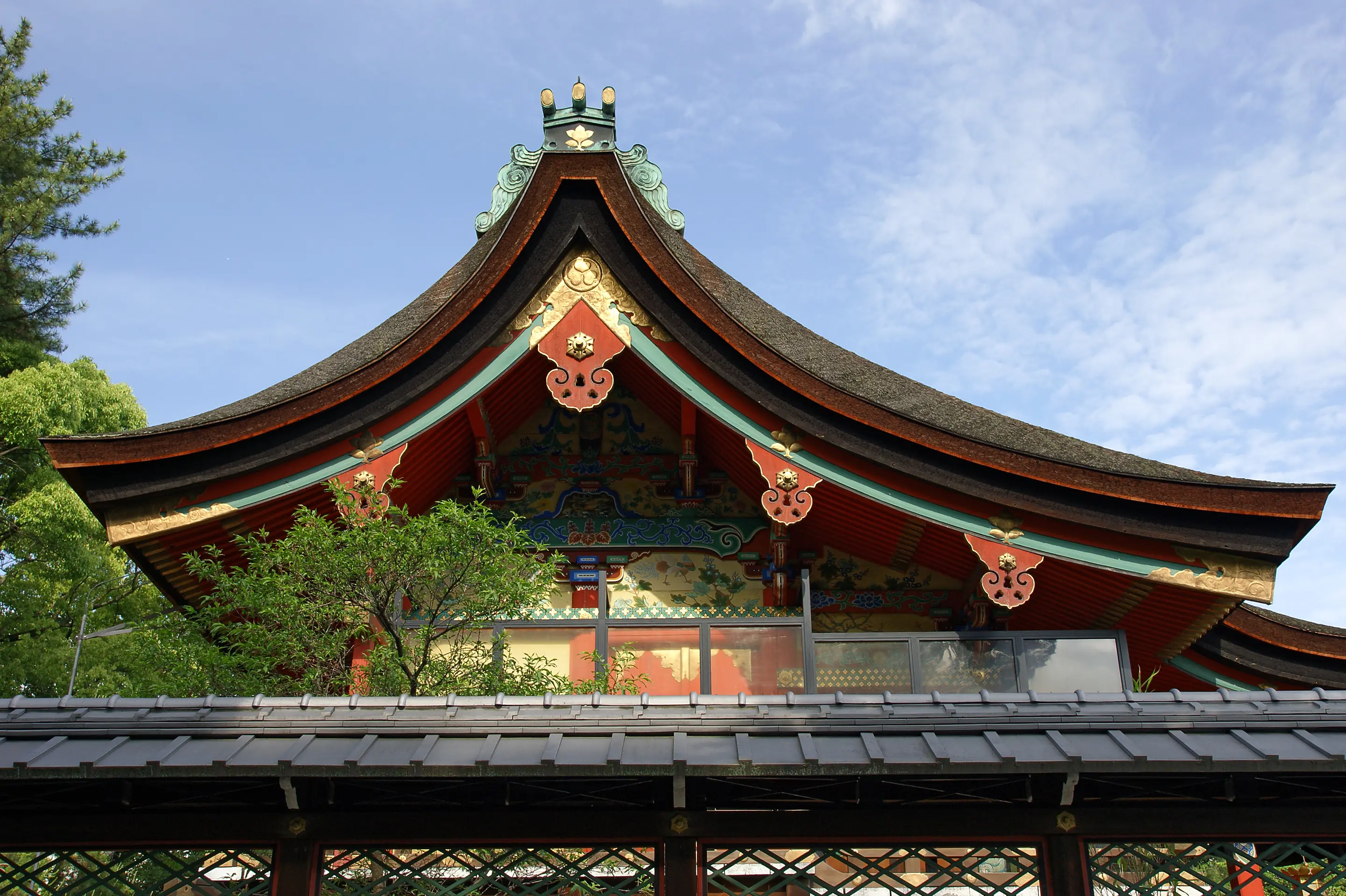
Photograph at the top of this page: Gokogu-jinja15nt3200 by 663highland, CC BY 2.5, via Wikimedia Commons. Cropped and resized for this page.
