Skip to content
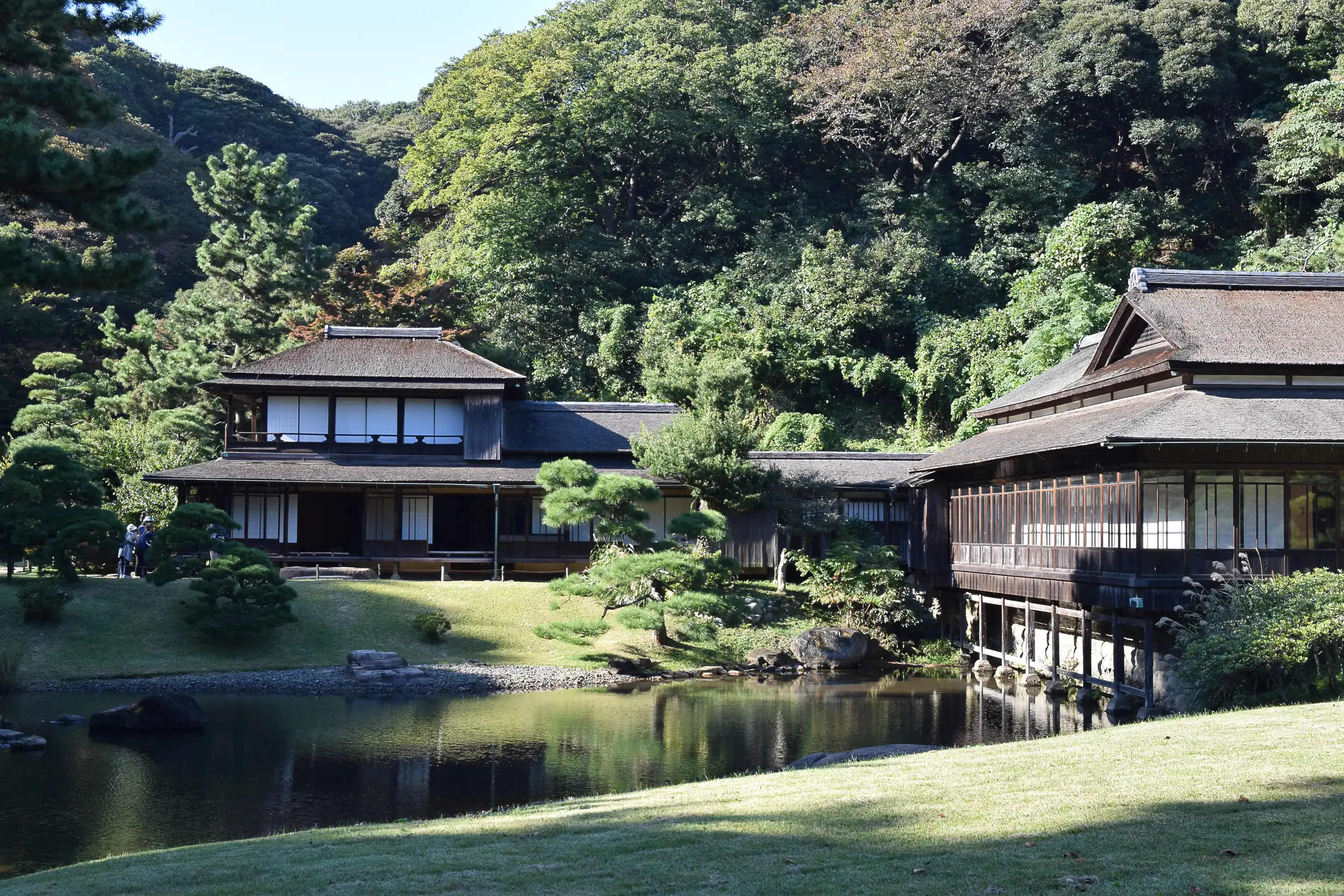
Rinshunkaku villa at Sankeien garden in Yokohama, its timber wings over a pond below a wooded hill
Yokohama, KanagawaJapanOrganic Wine

Yokohama Winery

yoh-koh-HAH-mah
Silver TierTypically Under $45
Last verified · September 2026

Yoshiko Machida spent some twenty years with WWF, mostly explaining how everyday life damages the environment, until she felt she could not keep saying it without having made anything herself. In 2017 she began making wine in part of a former restaurant beside Yokohama’s harbour; the winery stands about a metre and a half from the water.

Much of Japan’s wine country stays warm and wet all summer, so its two signature grapes both have thick skins against rot. Koshu, pink-skinned and grown mostly in Yamanashi, makes dry, very light whites. Muscat Bailey A is the red, a hybrid bred in 1927 by Zenbei Kawakami in Niigata by crossing Bailey with Muscat Hamburg. It gives soft, light, juicy reds that smell of strawberries, and the closest comparison is Beaujolais. Since 2018 only wine from grapes grown in Japan may be sold as Japan Wine, and every bottle Machida makes is one.
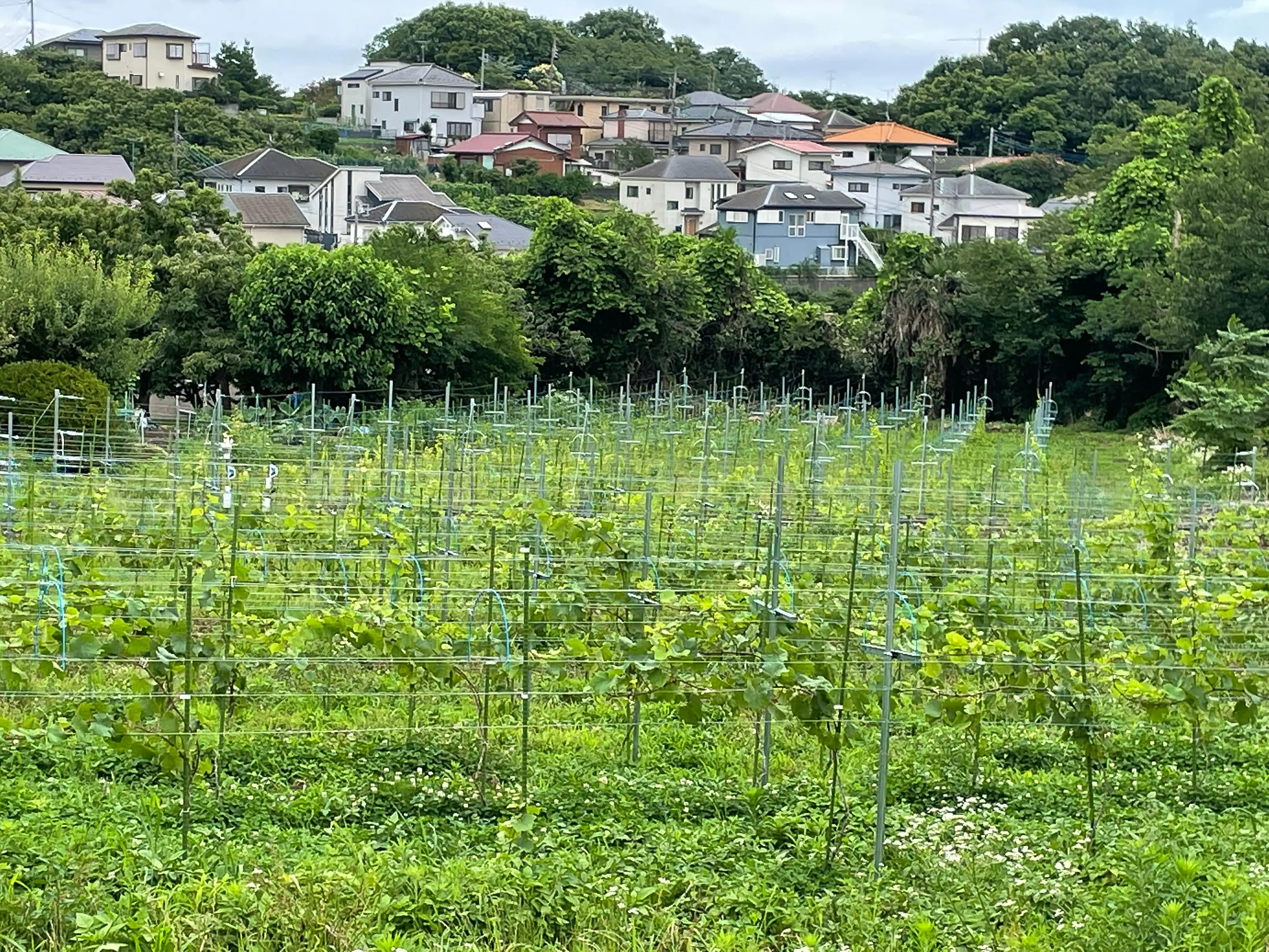
Young vines on trellis wires above a ground cover with small white flowers, houses and trees on the hillside behind, in Asahi ward, Yokohama

Most of her grapes come from growers she has visited: Cabernet Franc and Chardonnay from a couple who moved from Yokohama to Azumino in Nagano, Delaware from Takahata in Yamagata. They ferment on wild yeasts, with no added sugar and no filtering. Aldebaran, the Muscat Bailey A that took Gold at Kura Master 2026, was grown at Aono in Okayama.

In 2020 Machida planted about 400 vines of her own, mostly Pinot Noir and Chardonnay, on abandoned farmland in Asahi ward. Yokohama is hot and humid, and when disease first showed, the advice she got was to spray; she was aiming for organic certification instead. The nonprofit Organic Agriculture Certification Association now certifies the vineyard (NA-22122301, since December 2022) and the winery to make organic wine (NB-23091901, since September 2023). Only the wines made entirely from her Yokohama grapes carry the organic JAS seal, starting with Carnival in 2024; the rest of the range, Aldebaran included, is not sold as organic.

畑に立つと、毎年、毎日、ブドウは違う表情を見せます。

“Stand in the vineyard and the grapes look different every year, every day.”

Yoshiko MachidaFounder and winemaker, Yokohama Winery, 2026 · STRAIGHT PRESS

Why it’s remarkable

Nearly 300
written promises that won a licence
The tax office wanted proof of buyers before licensing a winery that had none. Machida asked supporters to write down how many bottles they would buy once it opened, and handed in nearly 300 of them.
1.5 metres
from the winery to Yokohama’s harbour
The winery calls itself the smallest in Japan and the closest to the sea. That is its own slogan; the metre and a half from the building to the water’s edge is the part you can measure.
150 members
farm a vineyard inside the city
Vineyard owners pay ¥30,000 a year to tend and harvest about 400 vines on about 30 ares of Asahi ward, roughly the size of a baseball diamond, on land that had been left unfarmed.
Yokohama grapes only
on the bottles with the organic seal
Only the wines the winery calls Yokohama Wine, made entirely from its own vineyard, carry the organic JAS mark. The rest, the Kura Master Gold included, are made from grapes bought from growers across Japan.
Independently certified, and checked against the issuing body’s own register. Not a compromise on quality — see how we verify.

Free Bacchus Verification

Track A
Formal third-party certification, confirmed against the issuing body’s own register.

Organic JAS · Yokohama-grown wine only

Certified1
  • Organic JAS, Organic Agriculture Certification Association: NA-22122301 vineyard, NB-23091901 winery
This page covers

The Yokohama-grown wine.

Re-verified annually against the issuing body’s register. How re-verification works
The producer’s own siteyokohamawinery.com
Producers don’t pay to be here. There is no fee to be listed and no way to buy a higher tier. If the evidence doesn’t hold, the bottle isn’t here.
Flagship
Carnival

If you’re buying

Price
No current price for Carnival was found. The winery’s other 750ml wines run ¥3,520 to ¥4,070 at its own shop, roughly US$23 to US$27 at about 150 yen to the dollar, and Aldebaran was ¥3,500 before tax. Approximate.
Serving
The wines are unfiltered, so the winery suggests standing the bottle upright for about a week before opening and pouring gently to leave the sediment behind.
Availability
At the winery in Naka ward, Yokohama, three minutes’ walk from Motomachi-Chukagai station, and through its own online shop in Japan. Aldebaran has sold out.
Price bands are approximate and move with vintage, market and region. They are a guide, not a quotation.

Cheat sheet

Save it to your phone. Everything you need to recognise this producer, and three things worth saying about it, at a glance in a shop or across a table.

10 verified producers in Japan →

From the Journal

← Kishu Takada KaenThe Verification StandardTamanohikari →

More Verified Houses · Japan

Photograph at the top of this page: Sankei-en garden, Yokohama; November 2016 (03) by 雷太, CC BY 2.0, via Wikimedia Commons. Cropped and resized for this page.

↑