Skip to content
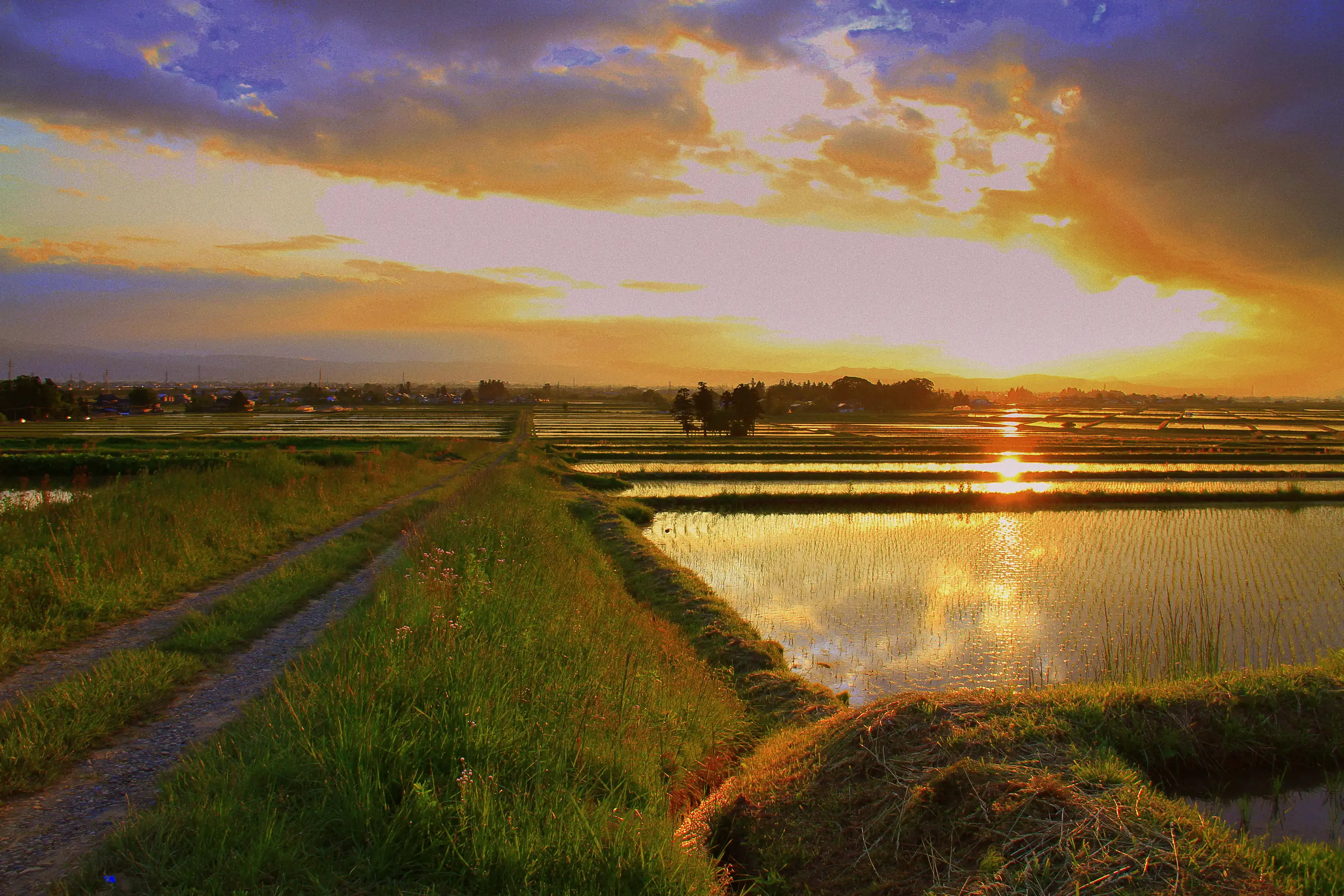
Flooded rice paddies reflecting a sunset, with a grassy farm track and a distant treeline, in the Aizu basin, Fukushima
Aizuwakamatsu, FukushimaJapanSake from Organic Rice

Aizu Musume (Takahashi Shosaku Brewery)

EYE-zoo moo-SOO-meh · Muishin is moo-ee-SHEEN
Silver TierTypically Under $45
Last verified · September 2026

The Takahashi family has brewed at Ichinoseki, in the south of the Aizu basin, since early in the Meiji era, around 1868; fires took most of the records. The first Shosaku built the business on rice from his own land. His son saw wartime consolidation shut the brewery and post-war land reform take most of the fields. In the 1980s Wataru Takahashi’s father gave up ordinary table sake, cutting output by well over half. Wataru came home in 1995 and runs the brewery now.

Sake is brewed from rice, water, koji mould and yeast, and the brewery says the Aizu basin has good soil, plenty of groundwater, and over a hundred days a year below freezing and as many above 25°C. It calls its approach dosan dohō: local people, local rice and water, local methods. It makes only junmai, with no distilled alcohol added, and honjozo, which has a little. The food and sake journalist Sando Atsuko, on the brewery’s website, says Aizu Musume has no showy aroma and makes little impression on one sip; then something warm builds as you drink.
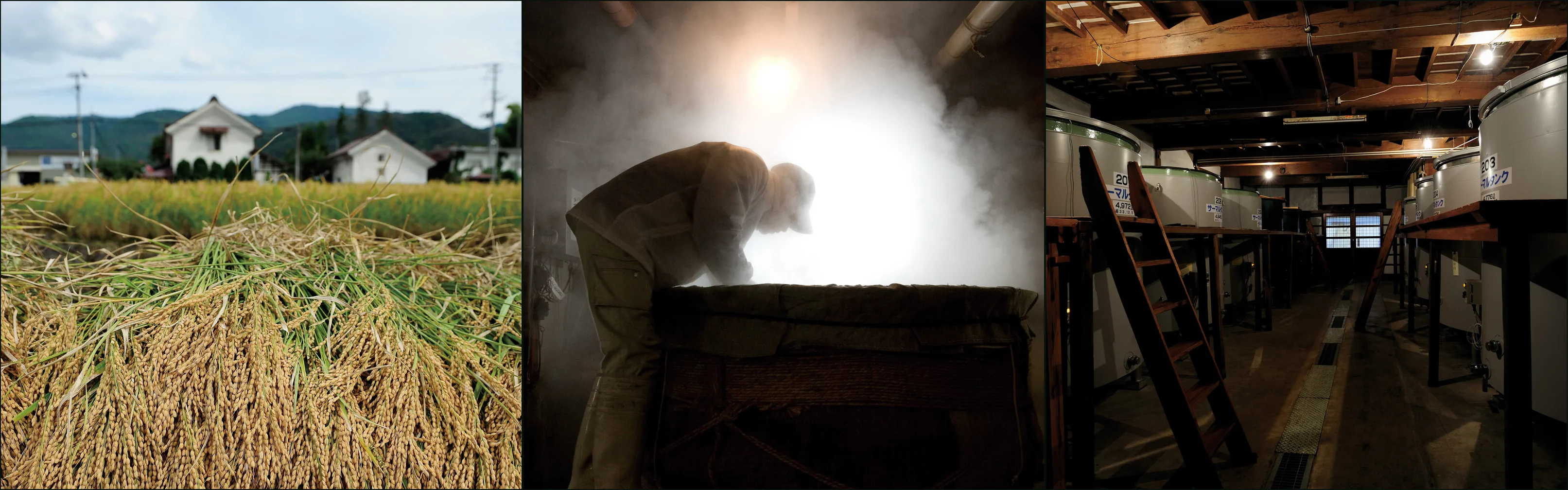
Three photographs at Aizu Musume: harvested rice with white storehouses behind, a worker bent over rising steam, tanks in a timber-beamed brewery

Its own paddies, about four hectares, all lie within three kilometres of the brewery. The earliest, still called the trial field, has had no pesticides or chemical fertiliser since 1986. Some fields are organic, others ‘special cultivation’, with those inputs cut to half of conventional farming or less. Since 2019 its Jō series has made one sake from each single paddy.

Fukushima Prefecture is itself a registered organic JAS certifier, and in 2007 it certified the brewery’s rice fields, the trial field among them, under certificate No. 19. The three paddies the brewery lists as organic add up to about 0.8 hectares, each with its own Jō bottle, and Muishin, a year-round junmai, is made from organic JAS-certified Aizu rice. With no organic certificate for the brewing, the rice is certified organic and the sake is not.

“There isn’t a direct correlation like ‘organic rice produces this aroma or this flavor.’”
Wataru TakahashiPresident and master brewer, 2026 · SAKE Street

Why it’s remarkable

1986
the first paddy to go without chemicals
The earliest of the brewery’s own fields, still called the trial field, has had no pesticides or chemical fertiliser since 1986. It was certified organic in 2007, and its rice makes its own Jō bottle, Haguro 46.
6–8 bales
of rice a tan from the organic fields
Against nine or ten from the fields grown by special cultivation, Takahashi told SAKE Street. A tan is about a tenth of a hectare, so organic farming here gives noticeably less rice from the same ground.
800 koku
a year, before the table sake stopped
When Takahashi’s father gave up futsushu, ordinary table sake, output fell from about 800 koku to 200–300; a koku is 180 litres. The brewery has made only premium grades since.
About 0.8 ha
of paddy the brewery lists as organic
Three of its fields, Haguro 46, Haguro-nishi 64 and Haguro-mae 27, carry the organic JAS certificate. The rice is certified organic; the brewing is not, so the sake is not certified organic.
Independently certified, and checked against the issuing body’s own register. Not a compromise on quality — see how we verify.

Free Bacchus Verification

Track A
Formal third-party certification, confirmed against the issuing body’s own register.

Organic JAS, Fukushima Prefecture · rice fields only, not the sake

Certified1
  • Organic JAS, Fukushima Prefecture: certificate No. 19, rice fields only
Not covered1
  • The sake is not certified organic
Re-verified annually against the issuing body’s register. How re-verification works
The producer’s own siteaizumusume.co.jp
Producers don’t pay to be here. There is no fee to be listed and no way to buy a higher tier. If the evidence doesn’t hold, the bottle isn’t here.
Flagship
Aizu Musume Muishin

If you’re buying

Price
About US$12 (¥1,900 before tax for 720ml of Muishin, the organic JAS bottling, the brewery’s suggested retail price, converted at the ECB rate of 2 October 2026); no US retail yet. It is ¥3,800 for 1.8 litres. Approximate.
Serving
Chilled or at room temperature, as the brewery suggests for Muishin.
Availability
Sold in Japan through the brewery’s appointed merchants and its own online shop, which ships only within Japan. Hokkai Suisan, in the Netherlands, lists other Aizu Musume bottles.
Tastes like
The brewery calls Muishin a junmai of calm aroma and flavour, made from organic Aizu Gohyakumangoku and a touch on the dry side.
Price bands are approximate and move with vintage, market and region. They are a guide, not a quotation.

Cheat sheet

Save it to your phone. Everything you need to recognise this producer, and three things worth saying about it, at a glance in a shop or across a table.

10 verified producers in Japan →

From the Journal

← ChiyomusubiThe Verification StandardHacienda Araucano →

More Verified Houses · Japan

Photograph at the top of this page: Fujikura Kawahigashimachi Kurahashi, Aizuwakamatsu-shi, Fukushima-ken 969-3463, Japan - panoramio by Fumihiko Ueno, CC BY 3.0, via Wikimedia Commons. Cropped and resized for this page.

↑