Hacienda Araucano
The Free Bacchus Story
François Lurton has farmed biodynamically at Lolol since the late 2000s, and he does not believe all of it. Asked about the method in 2021, he said the astral and lunar cycle was the one part that had never convinced him: he had not seen the effects. His own estate page says the work is scheduled by the lunar, solar and zodiac cycles. Both things are true at once, and an inspector certifies the vineyard either way — which is rather the point of a certificate.
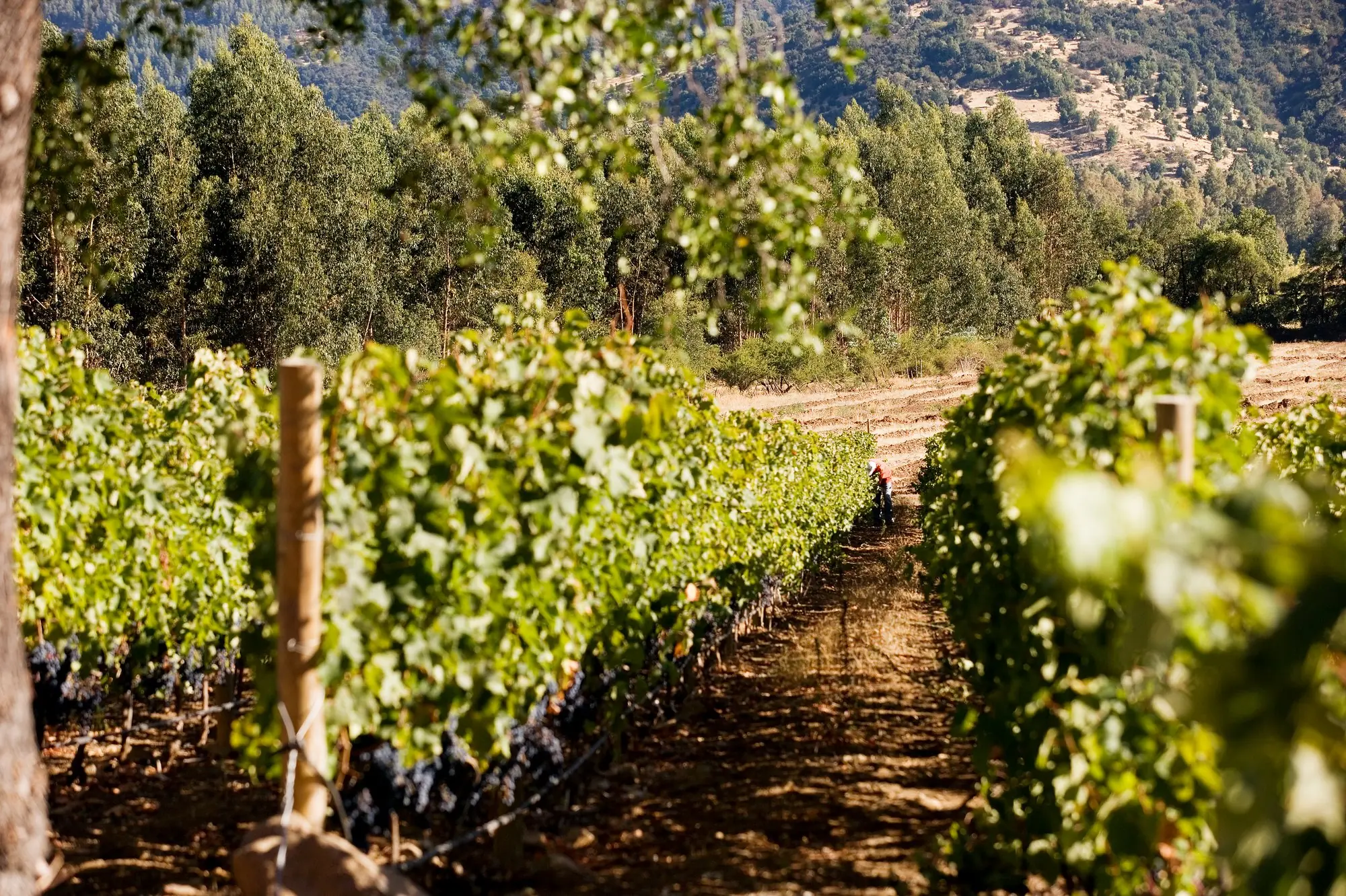
Lurton and his brother Jacques had been making Chilean wine since 1992, but they bought this land only in 2000, combining seven farms into 200 hectares where nobody had grown vines before. Twenty-eight hectares are planted, forty kilometres from the Pacific, and cold air off the ocean meets warm land most mornings to make the white mist the estate calls the Humo Blanco. The vines stand on their own roots. Chile never got phylloxera, the root louse that forced almost every other wine country to graft its vines onto American stock.
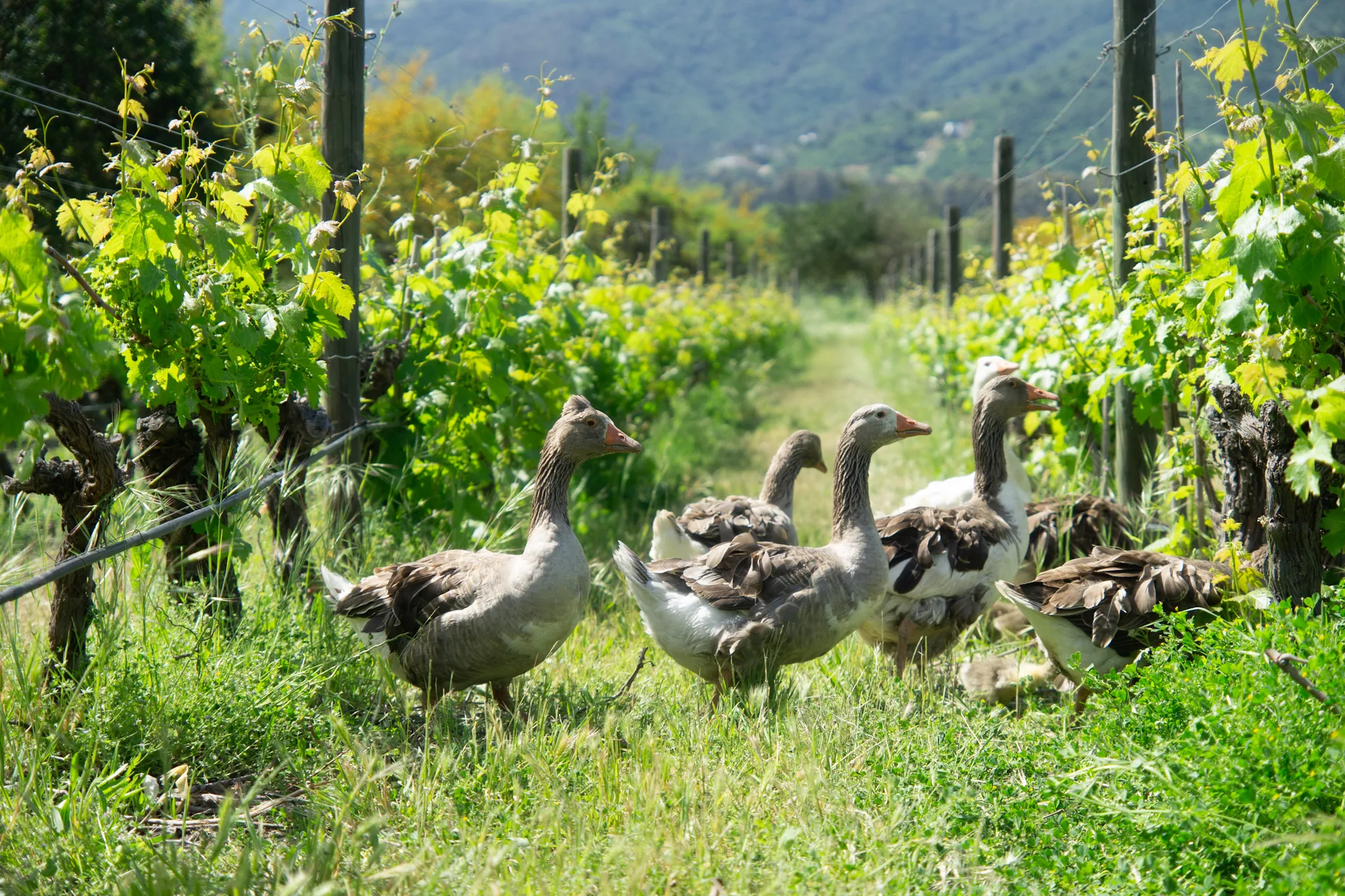
The estate is unusually frank that Chile makes this easier rather than harder. Its own account of the farming says the climate is naturally suited to it, that there is no downy mildew, the disease it calls the bane of most winegrowers, and that vines can be planted directly. What the work does cost is labour: fifty sheep overwinter in the rows and eat the grass, chickens and turkeys patrol for insects, the answer to red spider mite is a spray made from local chilli, and the harvest is by hand, which the winemaker Diego Vergara says is both slower and dearer than the alternative.
Two registers carry the estate. Demeter lists it as a biodynamic producer and processor to the end of 2027, so the cellar is covered as well as the vineyard. Ecocert certifies seventy acres of vines and the winemaking to the US organic standard, and the American register prints the wines it covers — thirty-three of them, by grape and vintage, from a 2013 blend to a 2025 Sauvignon Blanc, taking in an orange wine, a pet-nat and a Carménère made with no sulphur added. It names wines by grape rather than by label, so the two bottles above Clo de Lolol cannot be matched to an entry, and this page says nothing about them.
“The one thing that doesn’t convince me much is the astral and lunar cycle.”
Why it’s remarkable
Free Bacchus Verification
Ecocert organic, vineyards and cellar · Demeter certified
Certified2
- Ecocert organic, vineyards and cellar (NOP 7880005223)
- Demeter DI-28246, to December 2027
If you’re buying
Cheat sheet
Save it to your phone. Everything you need to recognise this producer, and three things worth saying about it, at a glance in a shop or across a table.