Skip to content
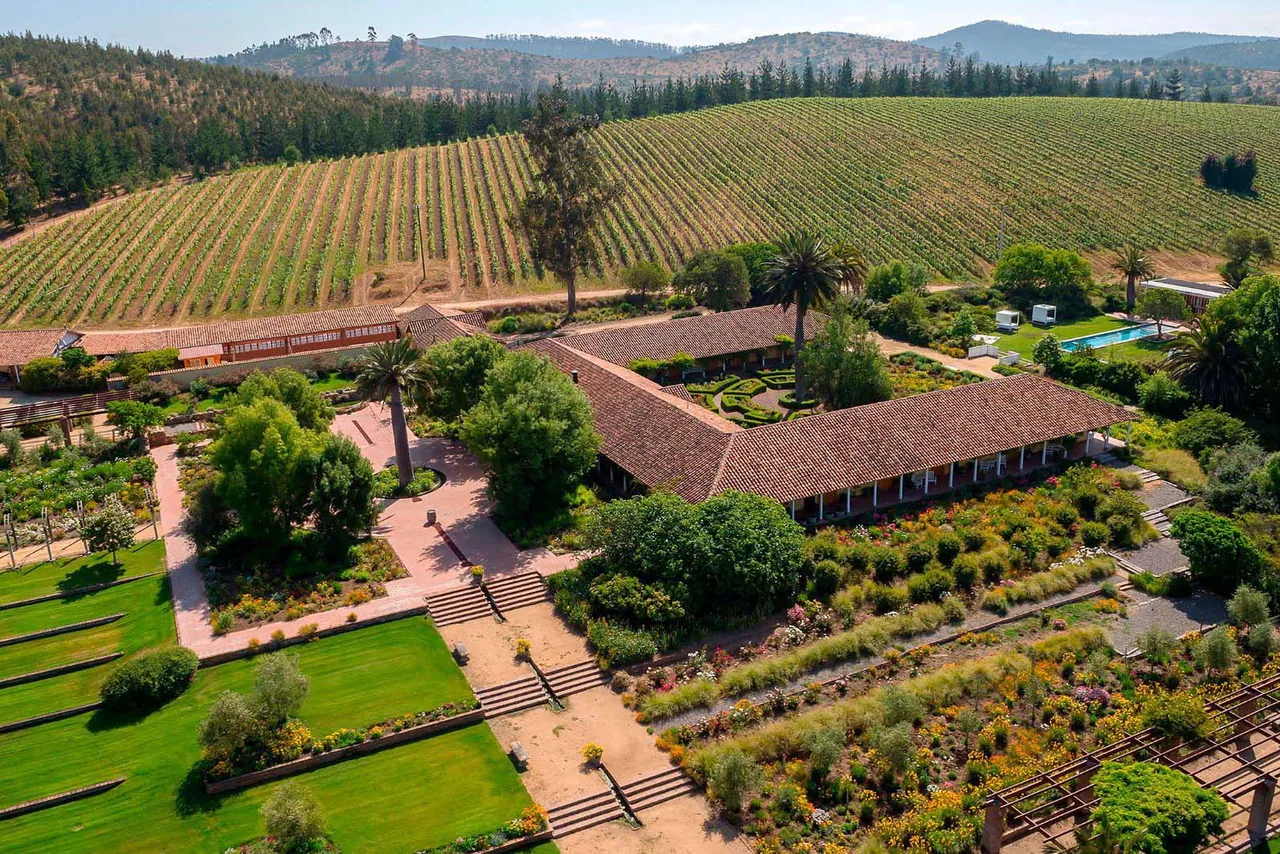
Aerial view of long low red-tiled buildings around gardens and a courtyard, with steps, a pool and vine rows on the hill behind
San Antonio ValleyChileWine

Matetic Vineyards

ma-TEH-tich
Gold TierTypically $90–200
Last verified · October 2026

Most Chilean wine is grown inland, in the Central Valley. Matetic’s vineyards are on the coastal side, in the Rosario Valley between Casablanca and San Antonio, thirteen to nineteen kilometres from the Pacific. Cool nights, morning fog and an afternoon sea breeze slow the ripening, which the estate credits for the fresh acidity in its wines.

Matetic planted its first vines here in 1999, and the critic Patricio Tapia names it as the pioneer when Syrah first went in beside the sea in San Antonio at the end of the 1990s. The four vineyards come to about 140 planted hectares on granitic soils, certified organic through Ecocert and biodynamic through Demeter.
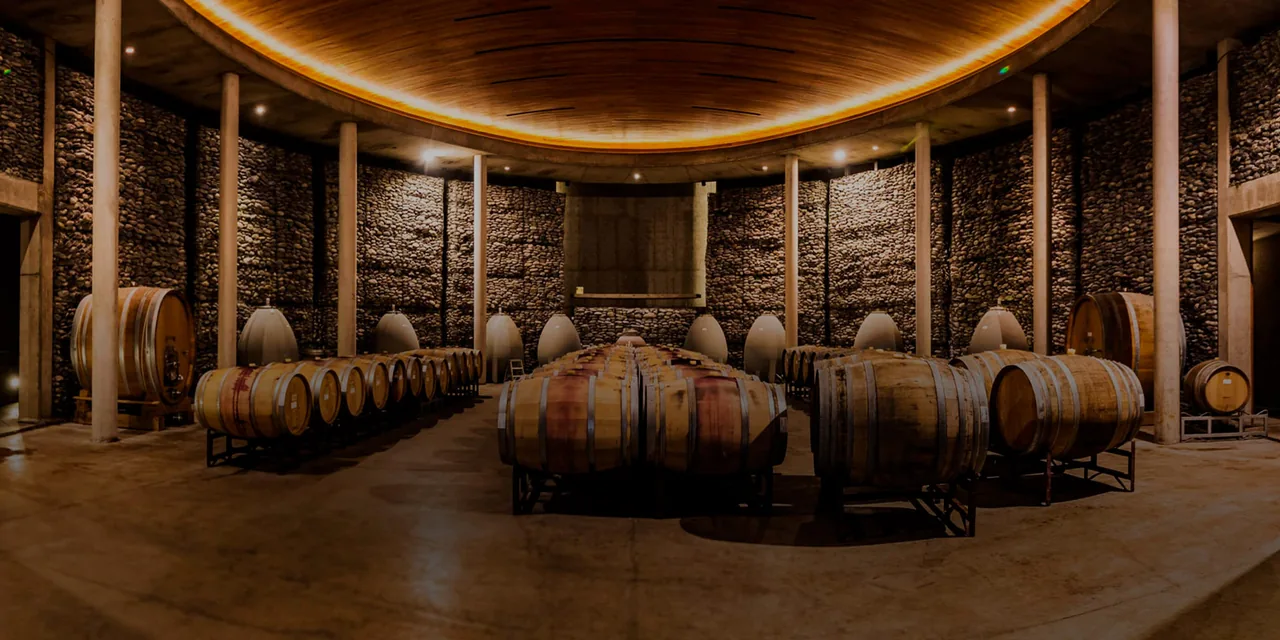
A round cellar with a stone-clad wall, concrete columns and a glowing timber ceiling, barrels in rows and egg-shaped tanks at the back

The family’s first generation in Chile, Jorge Matetic Cetinja, reached Punta Arenas in 1892 from Fiume, now Rijeka in Croatia. In Patagonia the family farmed sheep and dairy cattle, among other businesses, for about a century before there was any wine.

The EQ range takes its name from equilibrio, Spanish for balance. The estate’s top wine is a Syrah sold simply as Matetic Syrah, which drew 95 points from Wine Advocate for the 2014 vintage. The EQ Coastal Sauvignon Blanc comes from the Casablanca side of the estate and is crisp and concentrated, with a hint of salinity.

There is a broader suggestion here about where Chilean wine goes next: less competing on established Cabernet ground, more in the coastal valleys where the climate and the farming philosophy happen to reward each other.

“The concept of terroir is applicable to what we’re doing today.”
Julio BastíasHead of enology, on whether terroir applies in Chile, 2024 · Sommelier’s Choice Awards

Why it’s remarkable

All four vineyards
Demeter-certified, not a showcase parcel
Matetic dates its first organic certificate to 2004 and says Demeter certified all of its vineyards in 2013. The Demeter register lists the estate as producer and processor, so the winemaking is certified too, not only the fruit. Plenty of producers certify one block and market the estate; this one did not.
Geese and alpacas
do the weeding that a herbicide would otherwise do
Geese, chickens, alpacas, sheep and cows are kept on the estate, chiefly for weed control, and the compost is made in the estate’s own fields. The biodynamic preparations are made from cow manure, quartz and medicinal herbs.
Sheep first
the family farmed livestock for a century before planting a vine
Jorge Matetic Cetinja reached Punta Arenas in 1892 from Fiume, now Rijeka in Croatia, and the family farmed sheep and dairy cattle in Patagonia, among other businesses. The first vines went in at Rosario in 1999. The animals in the vineyard are not a recent affectation.
#99
the EQ Syrah 2004 on the Wine Spectator Top 100
Wine Spectator placed the 2004 vintage 99th on its 2006 list, at 91 points. Matetic calls it the first Chilean Syrah on the list, but Wine Spectator’s 2005 list had already carried Montes Alpha Syrah 2003, so we do not repeat that.
Independently certified, and checked against the issuing body’s own register. Not a compromise on quality — see how we verify.

Free Bacchus Verification

Track A
Formal third-party certification, confirmed against the issuing body’s own register.

USDA NOP organic (Ecocert SAS) · Demeter biodynamic

Certified2
  • USDA NOP organic, Ecocert SAS (NOP 7881405832): the wine grapes, with fallow, seedlings and temporary grassland, certified since 22 February 2018 over 444 acres
  • Demeter biodynamic, operator DI-28112: Matetic Wine Group, Fundo el Rosario, registered as producer and processor to 31 March 2027, so the winemaking is certified and not only the fruit
Also on record1
  • The same operation’s 29 NOP handling entries cover its wines as “made with organic” only, which is a grape standard rather than a wine one: the bottles do not carry the USDA organic seal
Re-verified annually against the issuing body’s register. How re-verification works
The producer’s own sitematetic.com
Producers don’t pay to be here. There is no fee to be listed and no way to buy a higher tier. If the evidence doesn’t hold, the bottle isn’t here.
Flagship
Matetic Syrah

If you’re buying

Price
Around US$97 for Matetic Syrah. Approximate, and it moves with vintage and market.
Drinking now
Matetic holds each vintage in its cellar for three to four years before release, so it is ready to drink when it arrives. Decant a young bottle.
Serving
Serve at about 18°C, and decant it first.
Availability
Imported to the US by Quintessential and stocked by specialist retailers.
Tastes like
Coastal Syrah: pepper, wet earth and chocolate over black fruit, full and concentrated, with smooth, rounded tannins.
Pairs with
Lamb, grilled red meat or a strong aged cheese.
Price bands are approximate and move with vintage, market and region. They are a guide, not a quotation.

Cheat sheet

Save it to your phone. Everything you need to recognise this producer, and three things worth saying about it, at a glance in a shop or across a table.

From the Journal

12 verified producers in Chile →
← Leclerc BriantThe Verification StandardReyneke Wines →

More Verified Houses · Chile

Where to go next

Three more from the cellar, chosen by what is in the glass rather than where it is from.

Rippon VineyardRed · New Zealand Paxton WinesRed · Australia Bodegas Lanzaga (Las Beatas)Red · Spain
↑