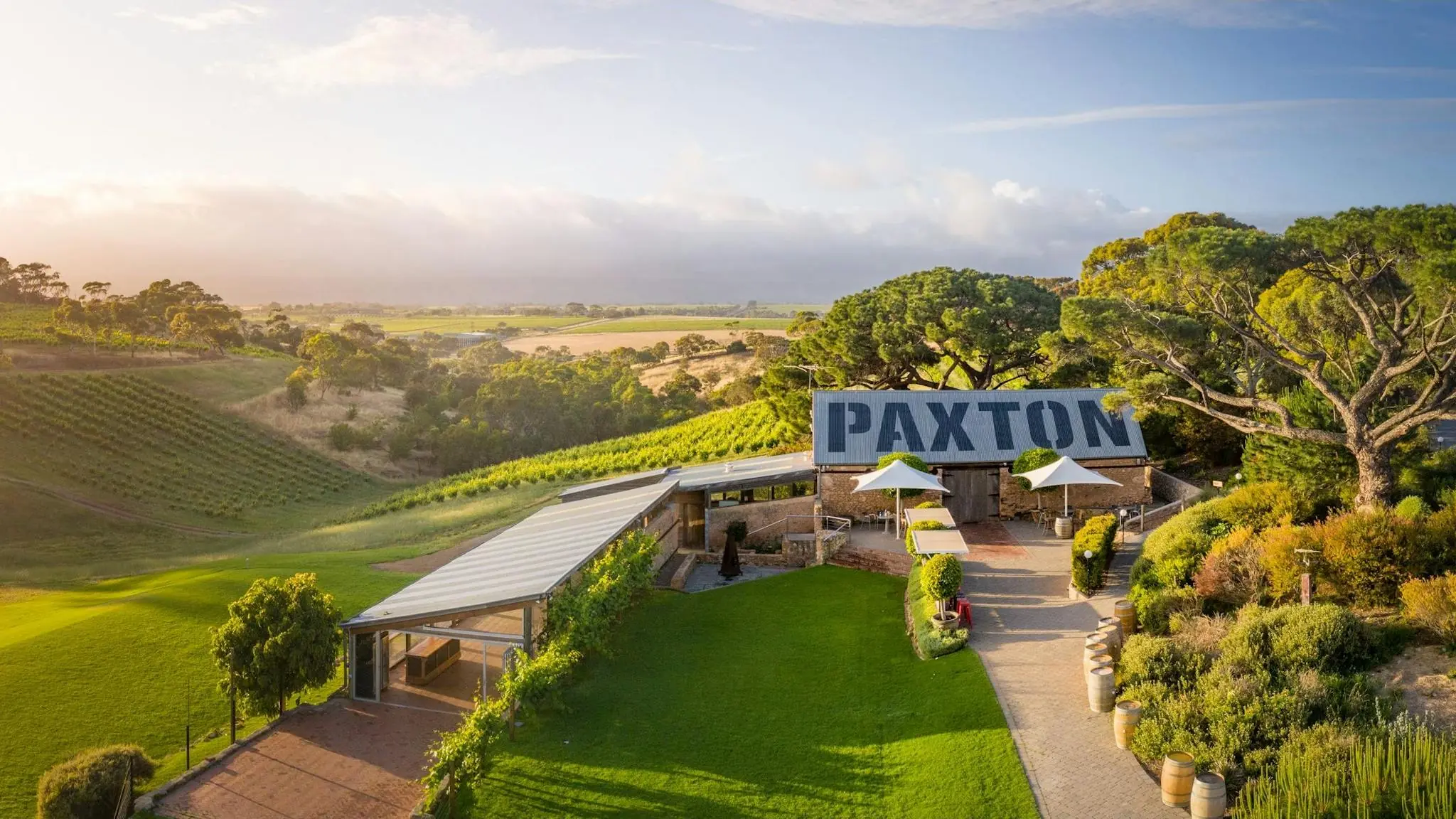
Paxton Wines
The Free Bacchus Story
David Paxton started in 1979 growing fruit for other people. For two decades there was no Paxton bottle at all — just a viticulturist planting and managing McLaren Vale vineyards whose grapes went out under other labels. The wine company came second, and it came out of the vineyard rather than the other way round.
The family now works six vineyards across roughly 140 hectares: Thomas Block, Jones Block, Quandong Farm, Landcross Farm, Gateway and 19th. Thomas Block carries some of the region's oldest vines, at around 125 years. Paxton began converting about twenty years ago, among the first group in McLaren Vale to do it, and completed certification in 2011 with Australian Certified Organic and Demeter.
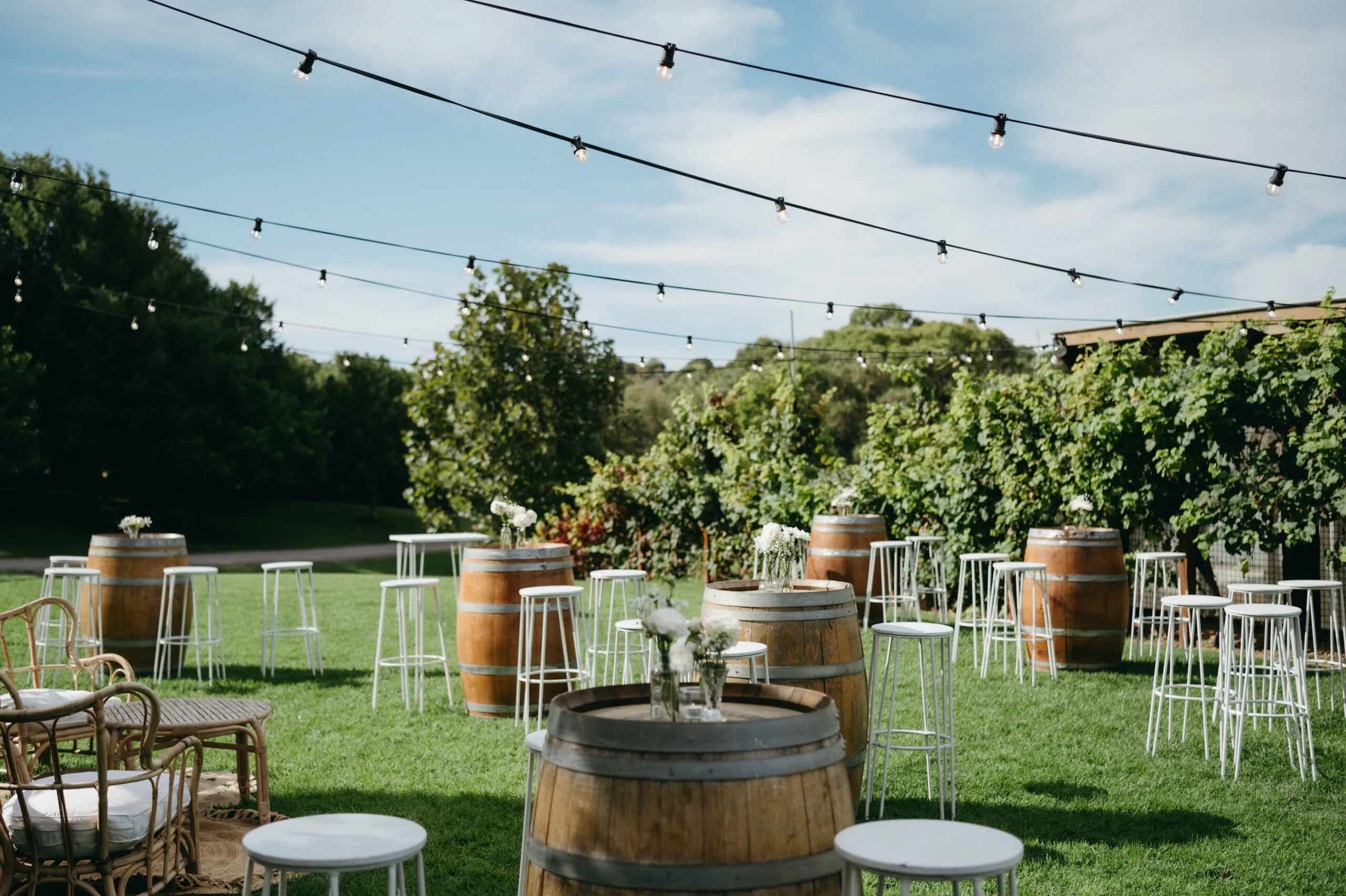
Every wine is estate fruit. Nothing is bought in, which is the detail that makes the certification mean what a reader assumes it means.
That distinction does more work than it looks like it does. A producer buying fruit can certify one range and farm the rest however it likes, and the label on the certified bottle says nothing about the others.
Converting a grower's business is also harder than converting a brand. The vineyards had to keep producing sellable fruit at commercial volume through the transition years, with no finished-wine margin to absorb the cost.
Why it’s remarkable
Free Bacchus Verification
Australian Certified Organic · Demeter Biodynamic
Certified3
- Australian Certified Organic
- Demeter Biodynamic
- Fully certified since 2011
If you’re buying
Cheat sheet
Save it to your phone. Everything you need to recognise this producer, and three things worth saying about it, at a glance in a shop or across a table.