Skip to content
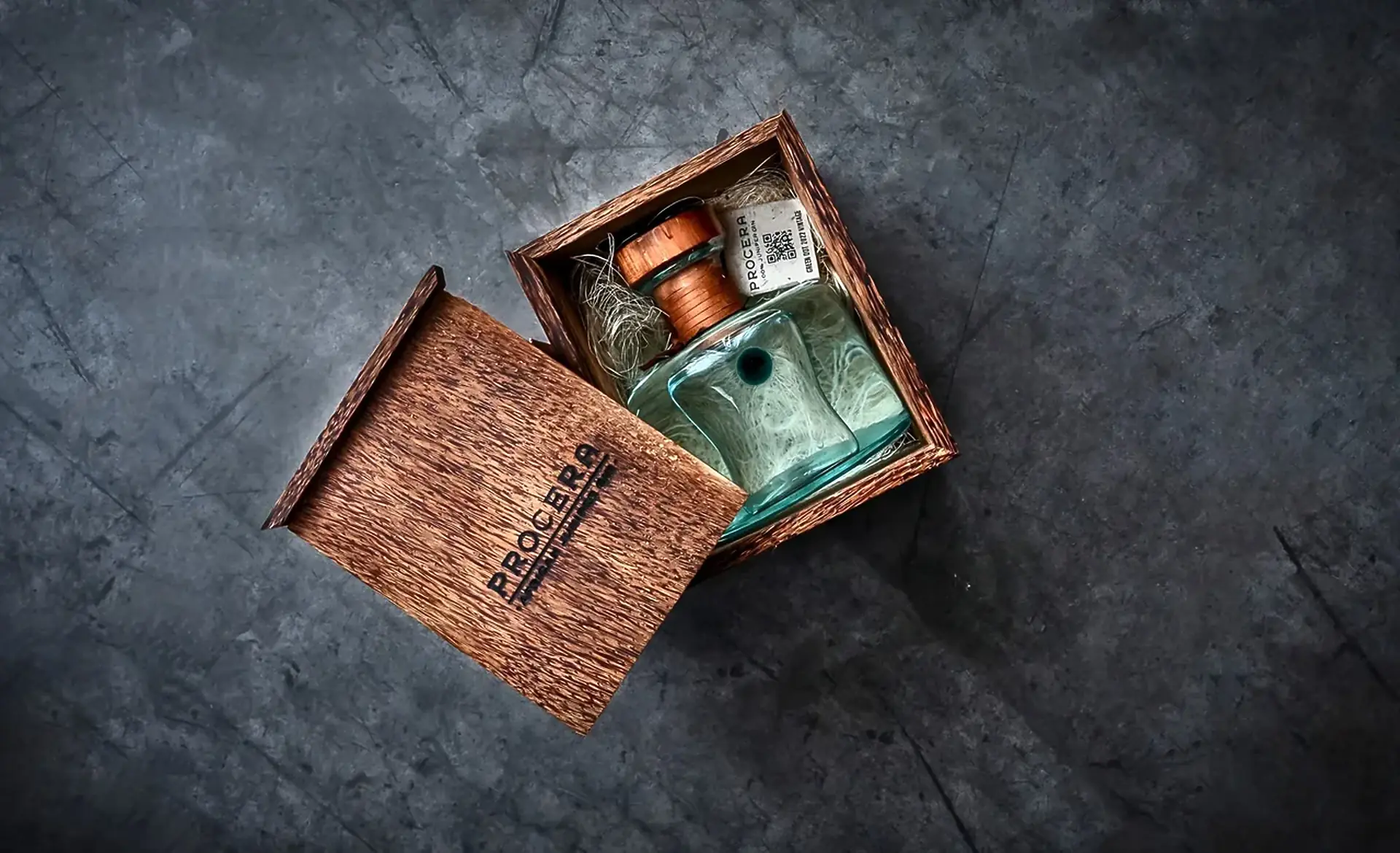
A Procera bottle in an open wooden box with the PROCERA name burned into the lid, on a dark slate surface
NairobiKenyaUncertified — Track B

Procera Gin

pro-SAIR-a
Gold TierTypically $90–200
Last verified · September 2026

Four men in Nairobi were drinking imported gin and reading the back of the bottle. A striking number of the botanicals listed on it grow in Africa, get shipped to England to be distilled, and are then sold back to Africa at an import price. Guy Brennan, Charles Murito and Alan Murungi decided the obvious thing was to skip the middle two steps.

Nearly every gin in the world is made with Juniperus communis, the common juniper of Europe. Kenya has its own species, Juniperus procera, growing wild in the highland forest, and it had never been the base of a commercial gin. Brennan picked berries himself and carried them to a distiller to see what would happen. The company is named after the tree.
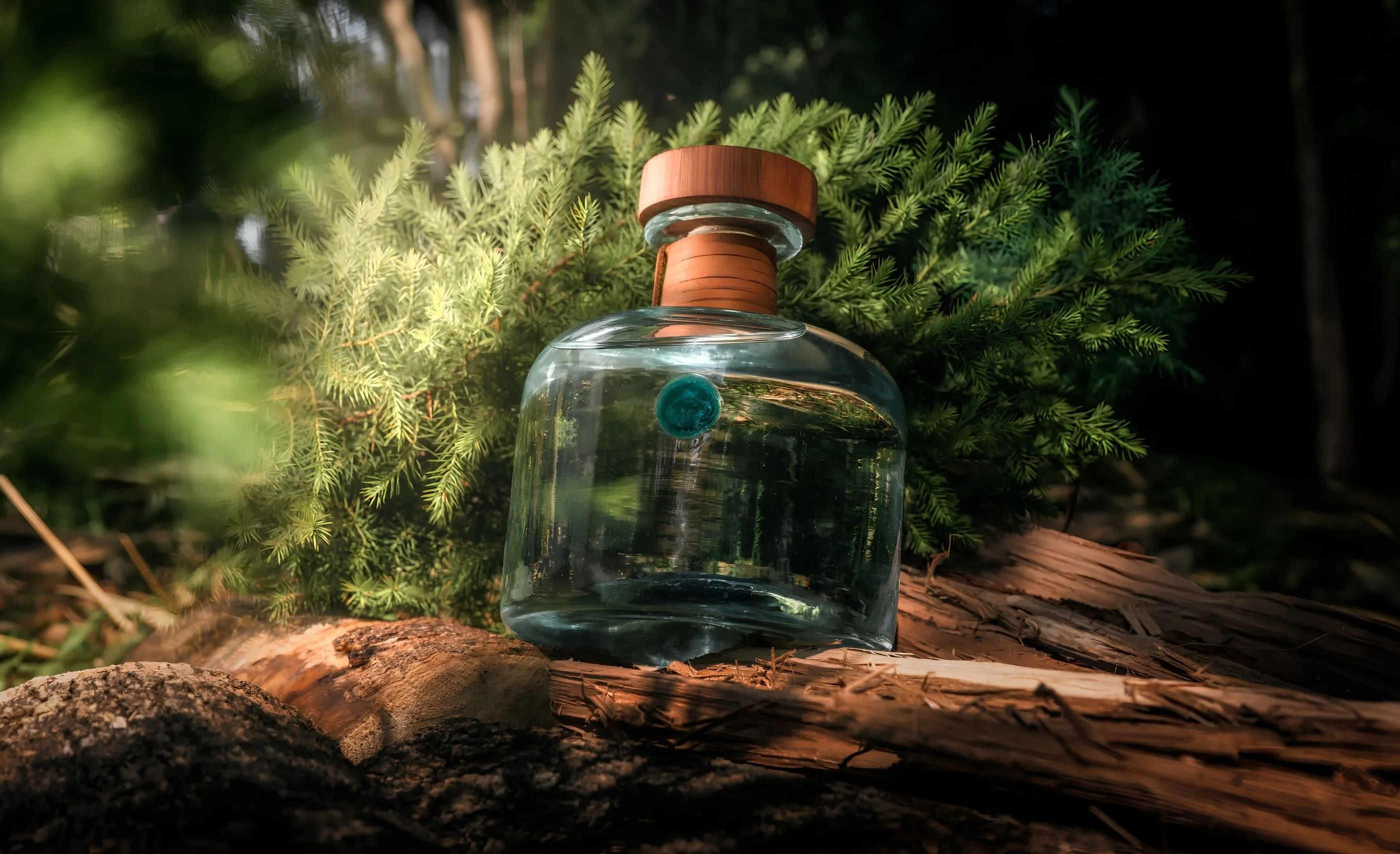
A squat clear glass bottle with a wooden stopper and leather-wrapped neck on tree bark, in front of green conifer branches

Two things follow from using a wild tree rather than a bought ingredient. The first is that the berries are used fresh, where the entire rest of the industry uses them dried; harvesters across different altitudes report back on what is ripening, and the fruit is distilled immediately or flash-frozen. The second is that ripeness is judged partly by the competition. Brennan's account of how they know the berries are ready is the best sentence anyone has given us about wild harvesting, and it involves baboons.

The arrangement with the forest is where a claim like this usually falls apart, so it is worth stating what is actually recorded. No tree is felled. A tree is replanted for every one harvested at Kijabe, with a commitment to buy that tree's berries when it starts fruiting in seven to ten years — a promise dated a decade out, which is either serious or worthless and cannot be anything in between. Harvesters are paid by the kilogram at a rate that runs well above the local daily wage.

None of this is certified, and the page says so at the top. There is no organic scheme covering a wild forest tree in Kenya, and Procera has not invented one to point at. It sits in Track B, which is our route for producers whose practice is genuinely verifiable but whose paperwork does not exist, and Track B cannot reach our top tier no matter how good the gin is. That ceiling is the price of not having a certificate, and it applies here.

“Honestly, we have to fight the baboons off them!”
Guy BrennanCEO and co-founder, Procera Gin, 2021 · Bordeaux Index

Why it’s remarkable

A different species
the tree the gin is named after, and nobody else uses
Effectively every gin in the world is made with Juniperus communis, the common juniper of Europe. Kenya has Juniperus procera growing wild in its highland forest, and until Procera it had never been the base of a commercial gin. One of the founders picked the first berries himself and took them to a distiller to find out what would happen.
Fresh, not dried
which is the opposite of how the entire industry works
Juniper is a dried ingredient almost everywhere, because dried fruit can be shipped and stored. Procera uses it fresh: harvesters at different altitudes report on what is ripening, and the berries go to the still immediately or are flash-frozen. It is a supply chain built around a fruit that will not wait.
Seven to ten years
a promise dated a decade out
No tree is cut down. For every tree harvested at Kijabe another is planted, with a commitment to buy that tree's berries when it starts fruiting in seven to ten years. A promise on that timescale is either serious or worthless and cannot be anything in between. Harvesters are paid by the kilogram, at a rate that runs well above the average local daily wage.
No certificate at all
and a ceiling that comes with it
There is no organic scheme covering a wild forest tree in Kenya, and Procera has not found something adjacent to point at instead. It sits in Track B, our route for producers whose practice can be verified but whose paperwork does not exist. Track B cannot reach our top tier however good the spirit is, and that ceiling applies here.
Verified on documented practice rather than a certificate. Not a compromise on quality — see how we verify.

Free Bacchus Verification

Track B
Verified chemical-free practice, corroborated independently where formal certification is not held.

Wild-harvested Juniperus procera, no certificate

Verified practice3
  • Wild-harvested Juniperus procera, cut from highland forest rather than farmed
  • A Kenyan organic sugarcane base spirit
  • Independently corroborated by Master of Malt, Robb Report and Wine Enthusiast
Also on record3
  • No certificate
  • The wild-harvest basis is inherently chemical-free but is nobody's certified scheme
  • Track B is capped at Gold
Re-confirmed annually against the three conditions for Track B listing. How re-verification works
The producer’s own siteproceragin.com
Producers don’t pay to be here. There is no fee to be listed and no way to buy a higher tier. If the evidence doesn’t hold, the bottle isn’t here.
Flagship
Procera Blue Dot Gin

If you’re buying

Price
Around US$90 for Blue Dot. Approximate.
Drinking now
Bottled ready; vintage-dated releases are made to be compared rather than kept.
Serving
Neat and cool to taste it, or with a plain tonic and no citrus.
Availability
Small production and exported in limited quantity; specialist spirits retailers in the UK, Europe and the United States.
Tastes like
Juniper-forward and resinous, with a green, almost herbal lift rather than a citrus one.
Pairs with
A plain tonic, a dry martini, or nothing at all.
Price bands are approximate and move with vintage, market and region. They are a guide, not a quotation.

Cheat sheet

Save it to your phone. Everything you need to recognise this producer, and three things worth saying about it, at a glance in a shop or across a table.

From the Journal

← PolizianoThe Verification StandardCedarCreek Estate Winery →
↑