Skip to content
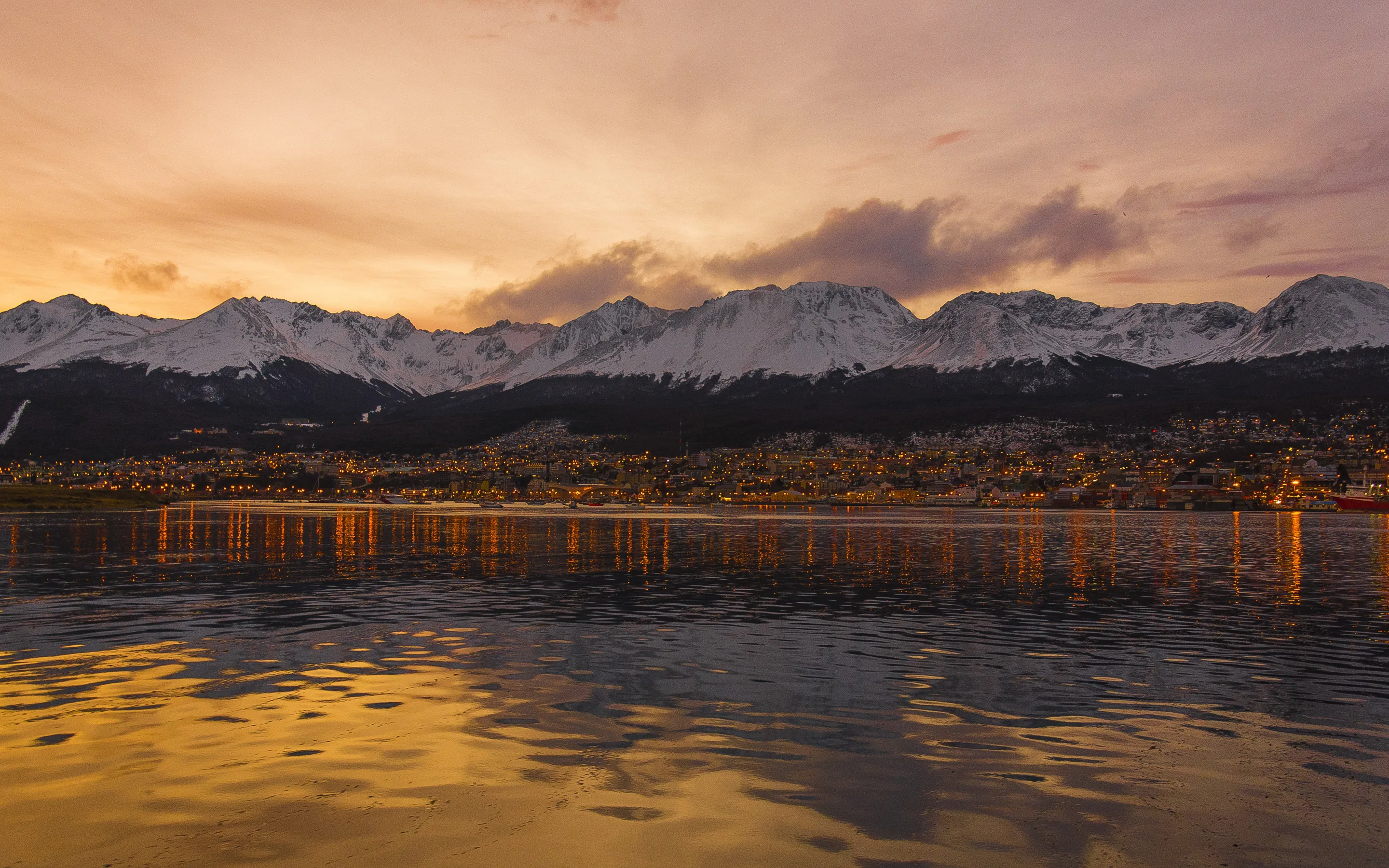
A town strung along a shoreline at dusk beneath a long range of snow-covered mountains, its lights doubled in still water under an orange sky.

Free Bacchus Country Guide·Argentina

Argentina grows wine in a desert, on meltwater from the Andes. Its organic vineyard has grown 185 per cent in ten years

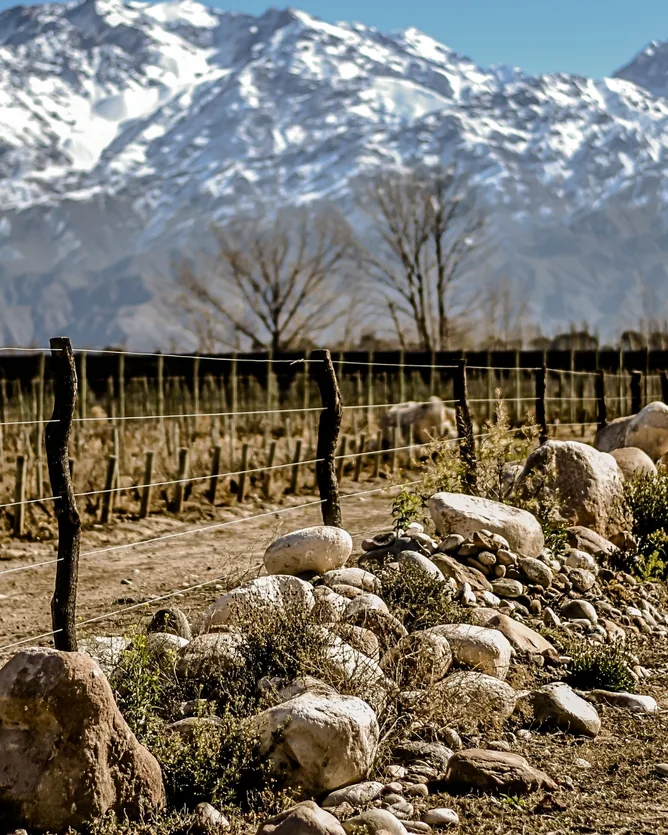
Wine here grows in a desert under the Andes, watered by snowmelt through canals older than the wineries. The sun is relentless, the rain almost never comes, and in ten years the country's organic vineyard has nearly trebled.

What this guide is for

A country at a time: the major wine regions of the world, what the ground and the weather do to what is grown in them, and which growers inside them we have verified. None of it is settled. Growing seasons are shifting, and the chemistry most vineyards reach for to hold steady against that is made from fossil fuels and takes energy to manufacture — while a warmer, wetter season brings more disease, and more disease brings more spraying. Every estate on these pages farms without synthetic pesticides. That is what their certification means, and it is the part we check.

The ground

A desert where the organic vineyard is growing fastest

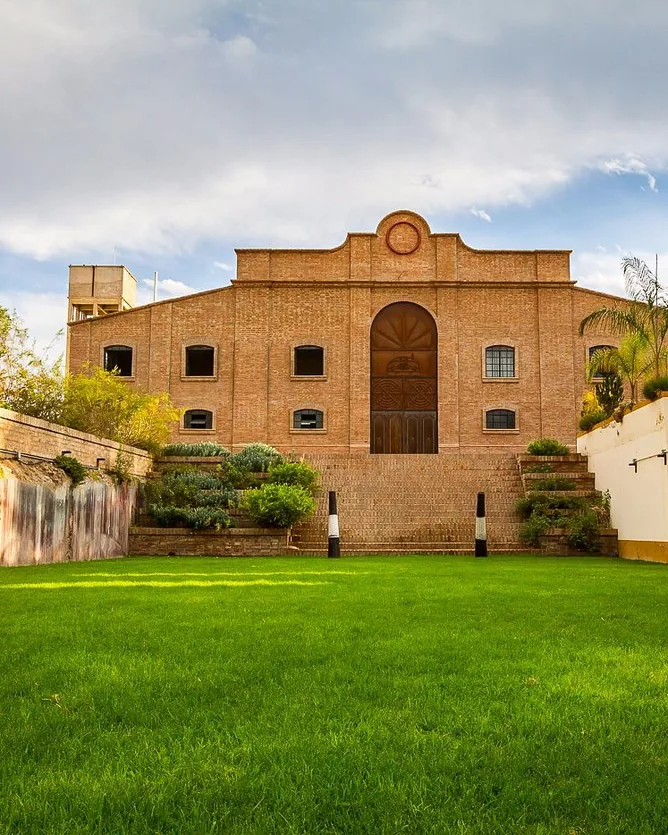
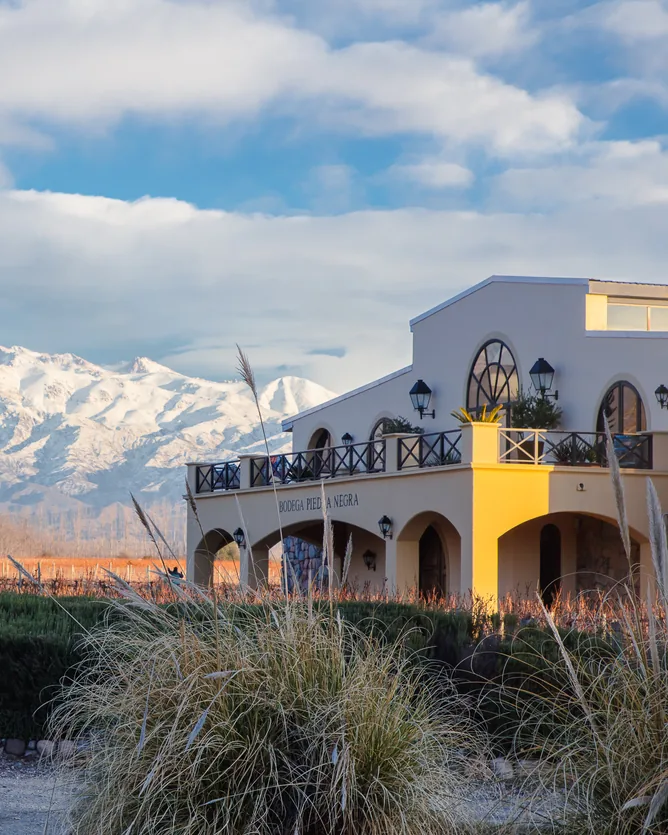
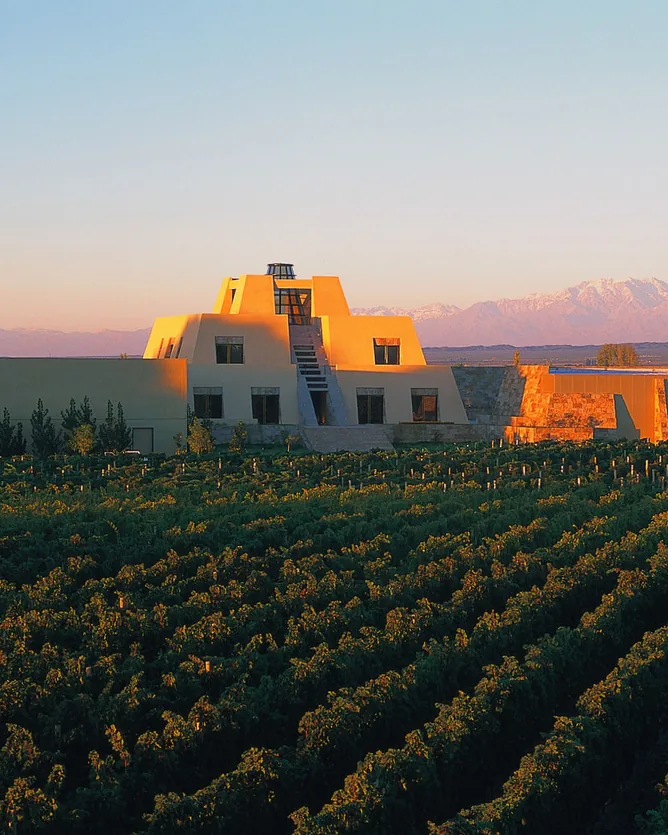
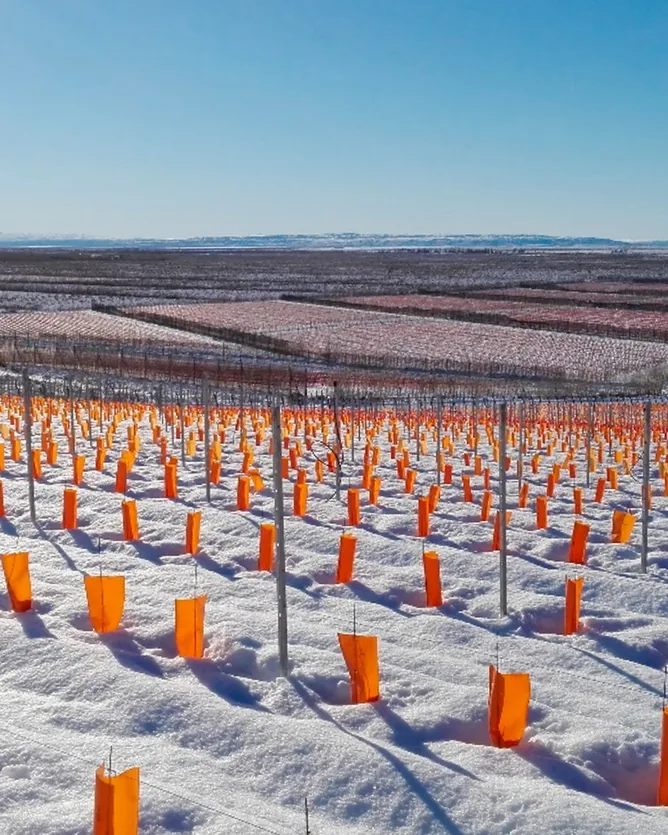
Argentine wine is grown against the Andes, in a desert. Mendoza has about 200 millimetres of rain and more than 320 sunny days a year, and the vineyards are watered through a canal system that carries snowmelt down from the mountains, built long before the wineries were. The national vine register counted 199,946 hectares in 22,039 vineyards at the end of 2024. Twenty provinces grow vines; seven of them hold 99.4 per cent, and Mendoza alone holds 71.4.

Where they are CHILE ATLANTIC OCEAN Buenos Aires Valle de Uco Luján de Cuyo Maipú San Juan Salta Río Negro Chubut
Outline from public-domain Natural Earth data, drawn between the 25th and 46th parallels so the wine country is not a thin strip down a very long country, and corrected for latitude. A hollow marker is a region this guide covers where nothing has been verified yet.

Where the wine comes from is written down under Ley 25.163, the origin law. Argentina has two Denominaciones de Origen Controlada, Luján de Cuyo and San Rafael, both in Mendoza, and a longer list of geographical indications: Paraje Altamira was recognised in 2013 and Los Chacayes in 2017, both in the Uco Valley, where most of the estates on this page are.

The organic layer is the part that is moving. The national vine institute counted 9,701 hectares of organic vineyard harvested in 2024, an increase of 184.7 per cent on the 3,407 hectares of 2015. Malbec is 34 per cent of that crop, Mendoza took 66 per cent of the organic grapes at the 2025 harvest, and organic wine exports reached 12,701 tonnes in 2024, a third more than the year before.

A certificate is read for what it covers, and in Argentina that matters more than usual. Several of the estates here are certified for one farm and not for the fruit they buy in, or for the vineyard and not the cellar, or for wines in the made-with-organic-grapes category, which allows added sulphites and cannot be labelled organic. Each card says which, and the estate's own page says it at length.

Region by region

Seven regions, from Salta to Patagonia

Valle de Uco VAH-sheh deh OO-koh

The high valley south-west of the city of Mendoza, and where most of the verified estates on this page are. Two of Argentina's recognised geographical indications sit inside it: Paraje Altamira, recognised in 2013, and Los Chacayes, in 2017, both under Ley 25.163. Several of the certificates here are drawn round one farm rather than a whole company, and each card says which.

6 verified producers here.
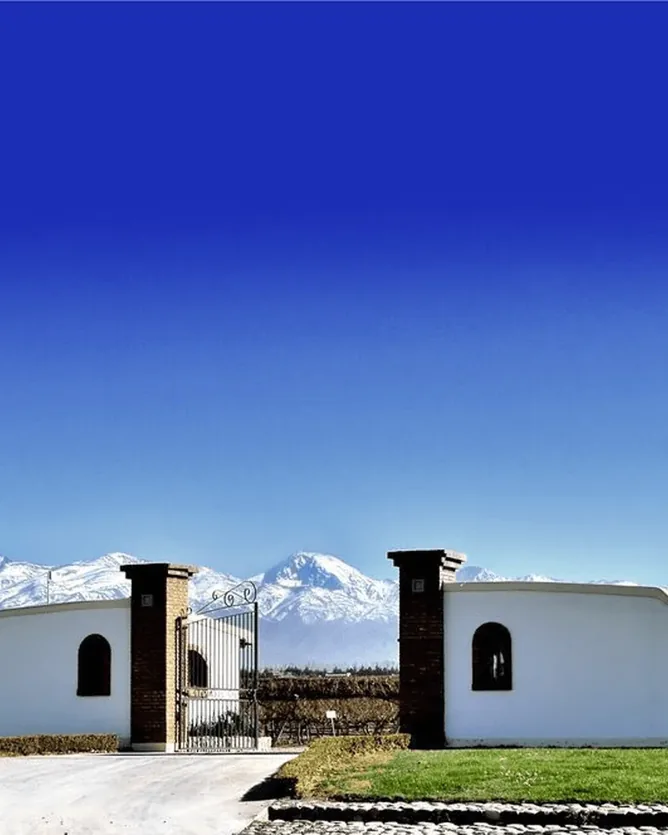
Luján de Cuyo loo-HAN deh KOO-yoh

One of the two Denominaciones de Origen Controlada Argentina has — the other is San Rafael, also in Mendoza. It runs along the Mendoza river south of the capital, and both estates verified here are in it, at Agrelo and Ugarteche.

2 verified producers here.

Maipú my-POO

The department next to the city of Mendoza, in the province that holds 71.4 per cent of Argentina's vineyard. The estate verified here is certified across the whole range, vineyards and cellar alike, which is less common than it sounds: most of the certificates on this page cover a part.

1 verified producer here.

San Juan sahn HWAN

The second province of Argentine wine by a wide margin: 19.8 per cent of the country's vineyard, against Mendoza's 71.4 and La Rioja's 3.5. Nothing here has been verified yet.

No verified producer here yet.

Salta

The north-western province, and 1.9 per cent of the national vineyard. Its wine comes from the Calchaquí valleys around Cafayate, far from Mendoza and far higher. Nothing here has been verified yet.

No verified producer here yet.

Río Negro

Patagonia, and 0.6 per cent of the country's vineyard. The estate verified here is at Mainqué, on the river that gives the province its name, and holds an Ecocert certificate under Argentina's organic law and the European one.

1 verified producer here.

Chubut choo-BOOT

Further south again, and outside the seven provinces that hold 99.4 per cent of Argentina's vineyard between them. The estate verified here is at Sarmiento: its grapes are certified organic, and its wines are certified in the made-with-organic-grapes category, which allows added sulphites, so the bottles are not labelled organic.

1 verified producer here.

Cafayate to Sarmiento is about two thousand two hundred kilometres, and every region on this page lies within a few hours' drive of the Andes.

Verified in Argentina

Eleven estates, two of the eleven at Gold, and every one of them on Track A. Five are certified biodynamic by Demeter as well as organic. Each card gives the certificate and what it covers.

Argentina has the conditions most wine countries would want for farming without synthetic chemistry, and the fastest-growing organic vineyard to go with them. What that does not settle is what any one certificate covers: a farm, a company, a cellar, a category of wine. That is the part this guide reads, one certificate at a time, and where a certificate stops short the card says so.

Where the figures come from6
  • Argentina's total vineyard area at 31 December 2024 was 199,946 hectares across 22,039 vineyards; vines are registered in 20 provinces, of which seven hold 99.4 per cent — Mendoza 71.4 per cent, San Juan 19.8, La Rioja 3.5, Salta 1.9, Catamarca 1.3, Neuquén 0.7 and Río Negro 0.6 (Instituto Nacional de Vitivinicultura, Informe Anual de Superficie 2024)

    argentina.gob.ar ↗
  • 9,701 hectares of organic vineyard were harvested in Argentina in 2024, 11.3 per cent of the country's organic crops and an increase of 184.7 per cent over the decade (3,407 hectares in 2015); Malbec leads organic production with 34 per cent of volume; Mendoza accounted for 66 per cent of the organic grapes taken in at the 2025 harvest; organic wine exports reached 12,701 tonnes in 2024, up 35.8 per cent on the year before (Instituto Nacional de Vitivinicultura, Informe especial: Vinos Orgánicos)

    argentina.gob.ar ↗
  • Argentina's designations of origin are governed by Ley 25.163. Two Denominaciones de Origen Controlada are recognised — Luján de Cuyo (Resolución C 15/05) and San Rafael (Resolución C 31/07) — alongside the geographical indications, among them Paraje Altamira (Resolución C 44/13) and Los Chacayes (Resolución C 249/17) (Instituto Nacional de Vitivinicultura)

    argentina.gob.ar ↗
  • Mendoza is a desert with just 200 mm of rainfall and more than 320 sunny days a year, and an elaborate canal system dating back to pre-Columbian times distributes water from melting snow to the vineyards below (Great Wine Capitals Global Network)

    greatwinecapitals.com ↗
  • Pesticides are overwhelmingly derived from fossil fuels and their manufacture is energy-intensive, and a warming climate raises pest and disease pressure, which raises pesticide use in turn

    pan-uk.org ↗
  • The loop between the two: emissions from pesticide manufacture and use contribute to warming, and warming drives further pesticide use

    panna.org ↗
↑