
Catena Zapata
The Free Bacchus Story
Catena Zapata never tells you it is certified. Read the house’s websites end to end — 632 pages in English and Spanish — and the word organic turns up five times, every one of them describing how a vineyard is farmed rather than what a certificate says. No certifier is named anywhere. The registers say something else: thirteen Catena vineyards hold current organic certificates, filed under two different company names.
The one that matters most is Adrianna, high at Gualtallary in Tupungato. Letis has certified its 244 acres since May 2018, under Bodegas Esmeralda, the family’s other company, which is why searching the register for “Catena” alone never finds it. A Wine Advocate note on the 2019 Mundus Bacillus Terrae says the wine “is now certified organic (since 2018)”. The register agrees to the month — about the vineyard.
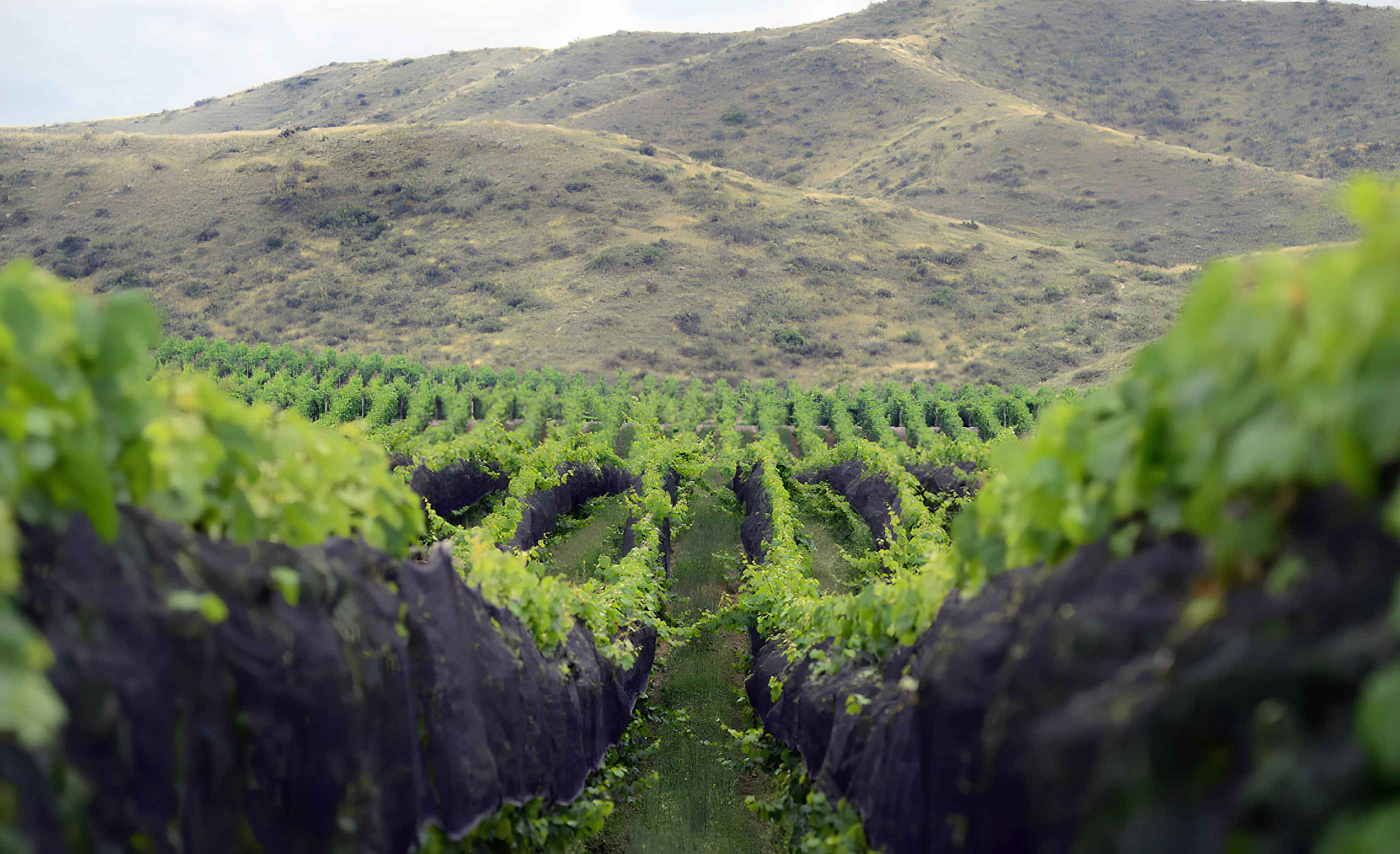
That wine comes off a parcel of 1.4 hectares, and about 5,400 bottles of the 2019 were filled. The vines went in during 1992 at 1,390 metres on alluvial limestone, and the family has been reading that soil ever since. The family pays for the research that reads it. Their Catena Institute of Wine has forty peer-reviewed papers to its name, and is planting five thousand native Mendoza trees by 2030, chosen because they will need no irrigation of their own.
The Institute also keeps an old vineyard at Rivadavia deliberately diseased. “This vineyard is purposely not virus-free,” it writes, because testing for viruses will get cheaper with time, and the widest possible genetic material is worth more now than a clean but narrow one. It is the kind of decision that only makes sense if you are thinking in decades.
What the certificates cover is fruit, and only fruit. On 26 August 2026 all three of the group’s cellars — the Catena Zapata winery at Agrelo, where the Adrianna wines are made, Bodega Esmeralda at Junín and Bodega Alamos at Vista Flores — surrendered their organic handling certificates. Two handling registrations survive, both at the company’s office in Córdoba rather than at any winery, and both sit in the made-with-organic-grapes category, which allows added sulphites and cannot be labelled organic. So the vines are certified and the wine is not, and no Catena bottle reaches an American shelf as organic. The only certification the house claims for itself is a sustainability protocol.
“Working with lighter bottles can actually be more expensive than heavier bottles”
Why it’s remarkable
Free Bacchus Verification
USDA NOP organic (LETIS, Ecocert) · the fruit only, not the wine
Certified1
- USDA NOP organic, LETIS and Ecocert, across two company names, the fruit only: thirteen certified vineyard operations — the Nicolás Catena company (NOP 7880196328, Ecocert, 127 acres, certified 19 March 2020) with eleven LETIS-certified fincas, and Viñedo Adrianna at Gualtallary (NOP 4490001413, LETIS, 244.46 acres, certified 15 May 2018) under Bodegas Esmeralda
Not covered1
- The wine, which is not certified
Also on record3
- The group’s three wineries — Bodega Catena Zapata at Agrelo (NOP 4490002050), Bodega Esmeralda at Junín (NOP 4490003767) and Bodega Alamos at Vista Flores (NOP 4490001114) — surrendered their organic handling certificates with effect from 26 August 2026
- The two handling registrations that remain sit at the company’s Córdoba office in the made-with-organic-grapes category
- The producer names no certifier and makes no organic claim anywhere on its own pages
If you’re buying
Cheat sheet
Save it to your phone. Everything you need to recognise this producer, and three things worth saying about it, at a glance in a shop or across a table.