Bodega Otronia
The Free Bacchus Story
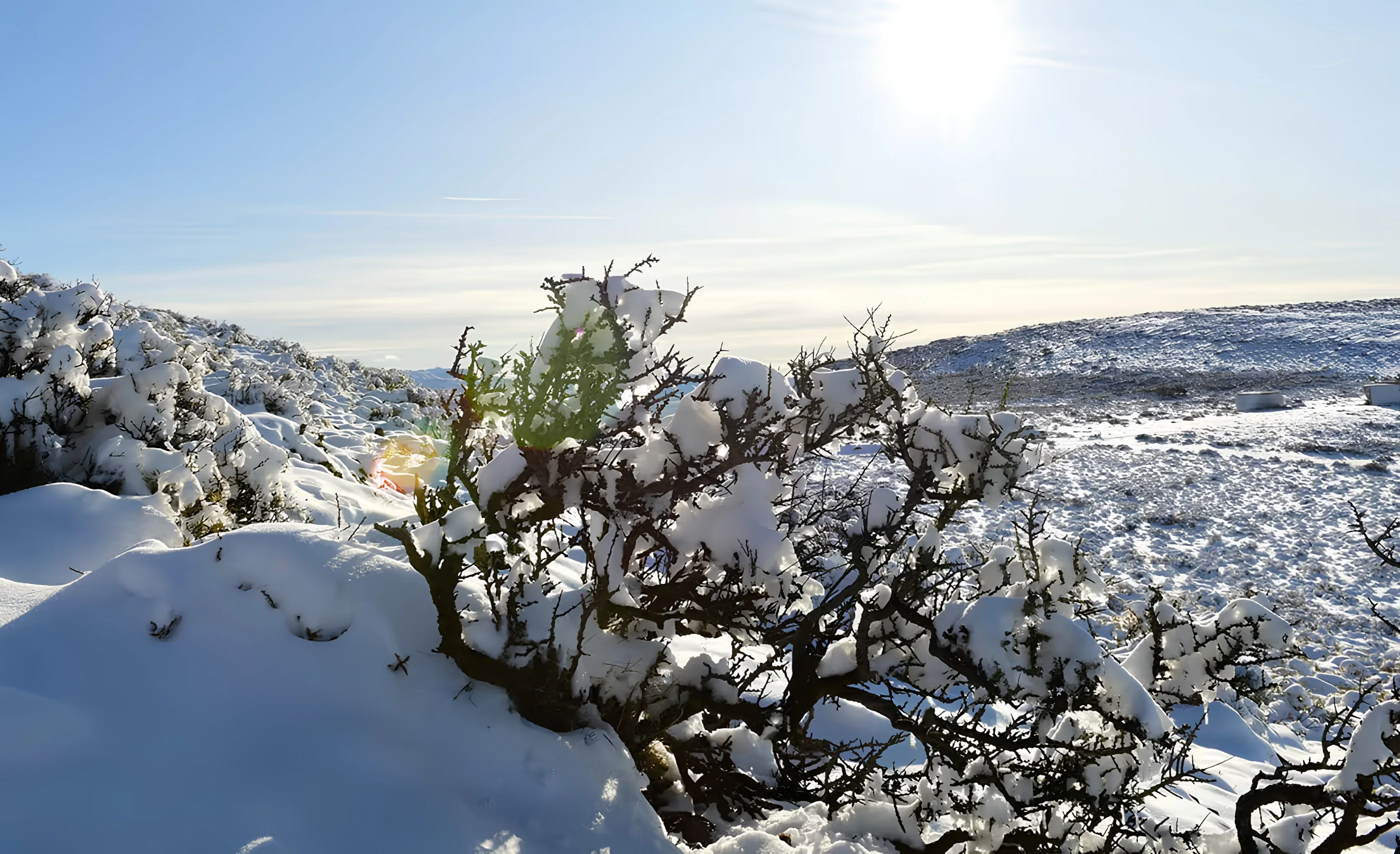
Otronia grows wine at 45°33’ south, on the shore of Lake Musters in Chubut, which the estate calls probably the last southern frontier for vines. Winter there reaches minus twenty. The wind runs past 100km/h. In summer the light lasts sixteen hours. Frost is not a bad year, it is the normal condition of the place, and the vineyards are laid out to survive it.
The consultant who looked at the site, Alberto Antonini, advised starting with a two-hectare trial. The owner planted fifty hectares at once, in 2010. That single decision is now roughly two fifths of all the vineyard in the province: Chubut has about 122 hectares of vines in total, and Otronia works around fifty of them.
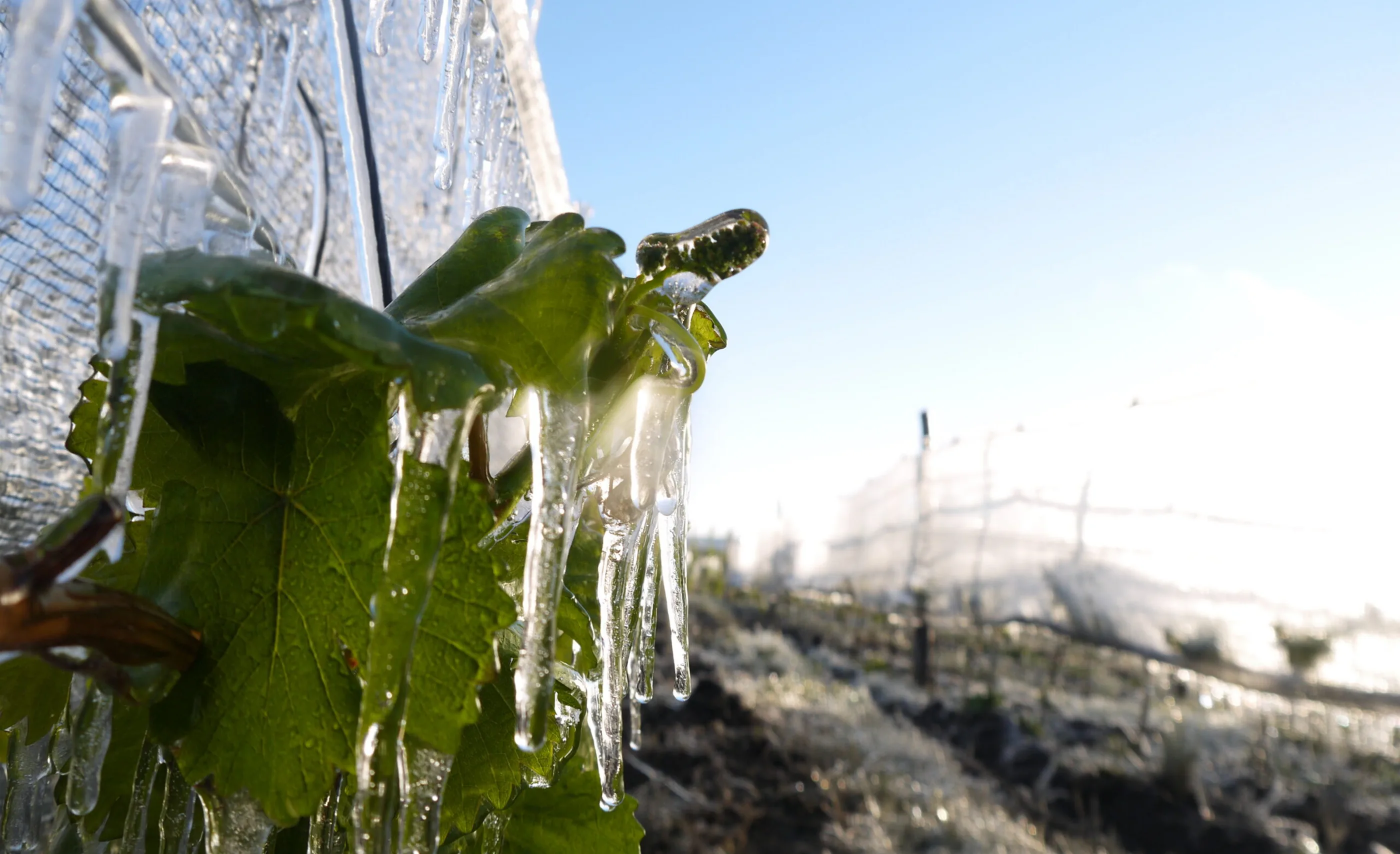
Against the frost they use water. Sprinklers coat the vines in a thin layer of ice, which sounds like the last thing you would want and is in fact the point: the ice holds the buds at zero while the air around them drops further, an igloo for a vine. Between the wind and the dry air the vineyard sees very little disease pressure, which is what makes organic growing practical this far south.
The certificate is real but it is filed under another name, which is why it has been hard to find. Ecocert certifies the operating company, Extraberries S.A., for both the vineyards and the winery, and the certified product list names Otronia’s wines individually. One caveat belongs on the label rather than in the vineyard: the grapes are certified 100% organic, while the wines are certified in the made-with-organic-grapes category, which allows added sulphites. Otronia itself names no certifier on any of its pages or technical sheets.
Everything the estate makes then travels 2,000 kilometres north to Mendoza, where the parent group handles distribution and export. It is a long way to move a bottle from the last vineyard in the south.
“We know we are going to have frosts throughout the season”
Why it’s remarkable
Free Bacchus Verification
Organic, Ecocert: vineyards 100% organic, wines made with organic grapes
Certified2
- Organic, Ecocert, under the operating company Extraberries S.A. (USDA NOP 7880213387, certified since 20 April 2021, 249 acres): the vineyards are certified for ten wine grapes and the winery is certified for the wines by name, including Otronia Paico Chardonnay and Sierra Silva Pinot Noir
- The EU certificate AR-BIO-154.032-0000096.2026.007 carries the Sarmiento address and runs to 31 March 2028
Also on record1
- The grapes are certified 100% organic and the wines are certified in the made-with-organic-grapes category, which allows added sulphites, so the bottles are not labelled organic
If you’re buying
Cheat sheet
Save it to your phone. Everything you need to recognise this producer, and three things worth saying about it, at a glance in a shop or across a table.