Skip to content
Gérard Bertrand
Languedoc-RoussillonFranceWine

Gérard Bertrand

zhay-RAR ber-TRAHN
Gold Tier
Last verified · August 2026
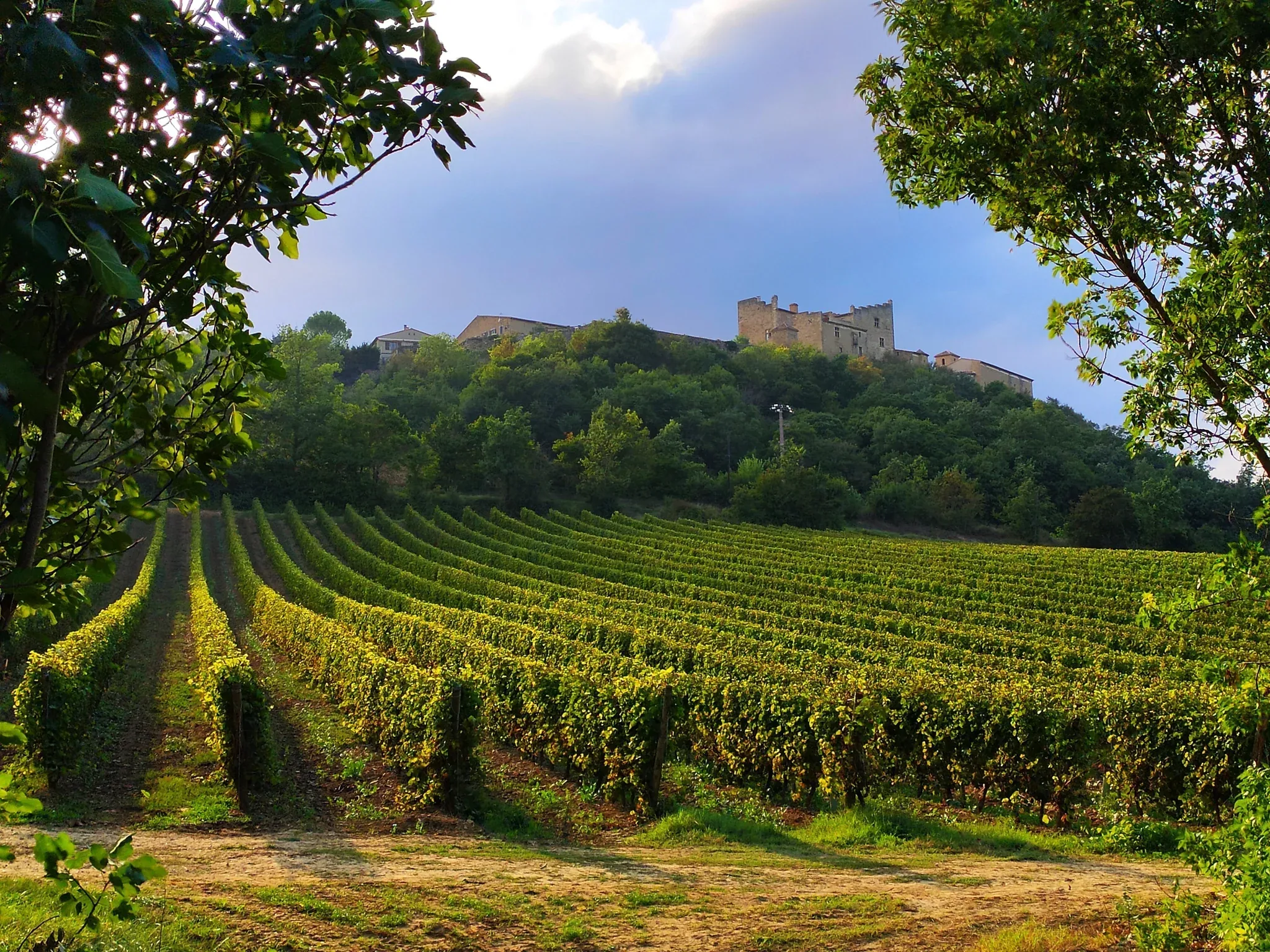
Gérard Bertrand’s estates in the Languedoc, southern France.

Gérard Bertrand is the largest biodynamic wine producer in France by volume, and that fact is read two entirely different ways depending on who is doing the reading. Either it is the strongest available proof that biodynamic farming scales, or it is the point at which the word stops meaning much. Both readings have something to them.

Bertrand inherited a négociant business from his father and spent decades converting it progressively to certified biodynamic and organic farming across estates in the Languedoc and Roussillon. The distinction that matters, and which we hold him to, is that the Demeter and Ecocert certifications apply to the estate vineyards rather than to the négociant blends. Those are different things, and a portfolio this large requires a buyer to know which bottle is which.
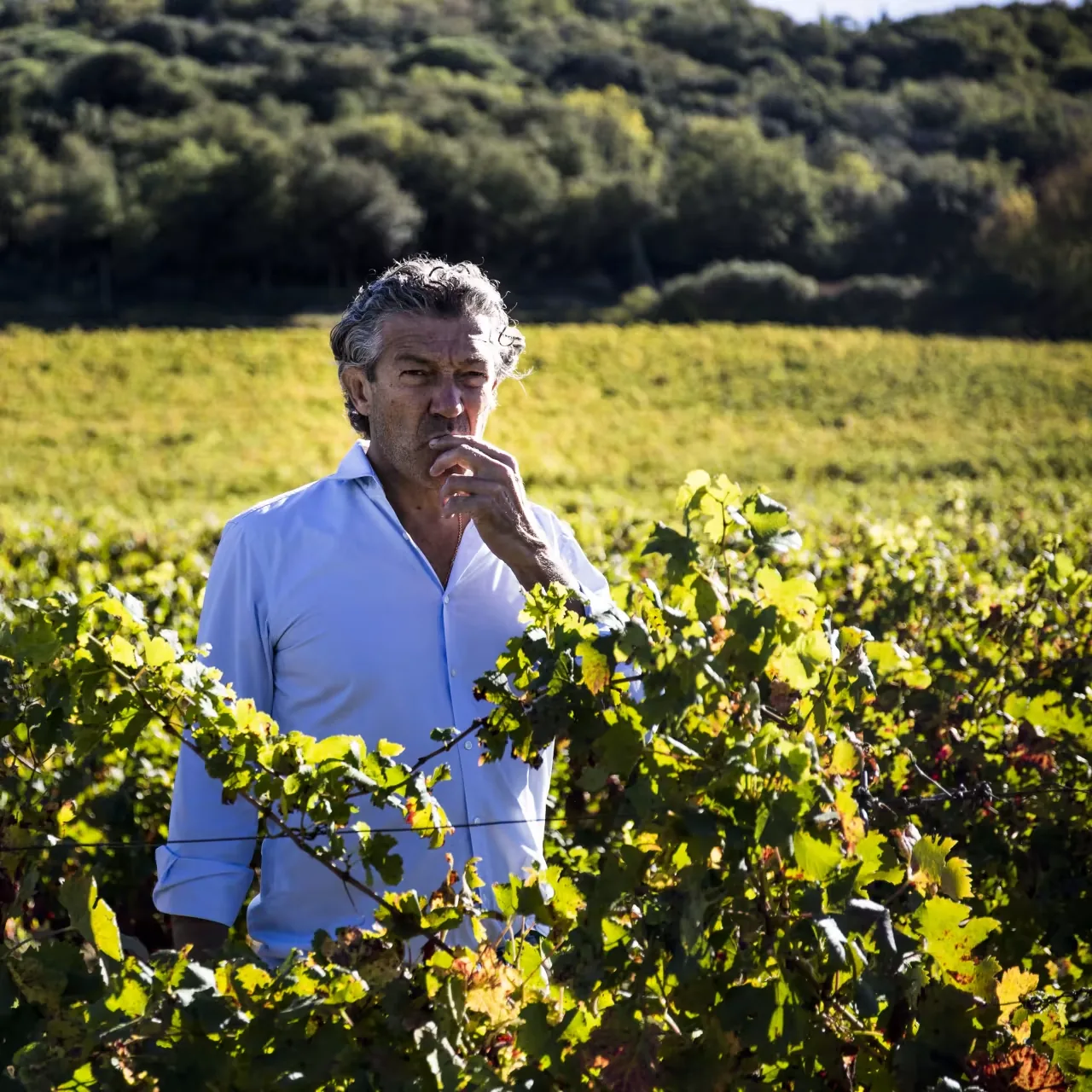
Gérard Bertrand
Clos d’Ora and Clos du Temple are ploughed with a mule; the group farms around 930 hectares biodynamically.

It began quietly, with four hectares at Domaine de Cigalus in 2002, run discreetly with Gilles de Baudus, his head of biodynamic viticulture. It took roughly two years before the difference was clear.

Clos d'Ora, a single Minervois estate of old-vine Grenache, Syrah, Mourvèdre and Carignan, has drawn 96 points from Wine Spectator and is the reference for what the certified estate wines achieve. Château L'Hospitalet and Domaine de l'Aigle apply the same standard in cooler northern Languedoc sites.

He remains a polarising figure in natural wine circles, and we would rather say so than pretend otherwise. The estate-level certifications are genuine and the quality at the top is real. The portfolio simply rewards careful navigation in a way a small single-estate producer does not.

“nature is stronger and more intelligent than us”
Gérard BertrandOwner, on what the farming is for, 2020 · Quill & Pad

Why it’s remarkable

Four hectares, quietly
the whole thing started as an experiment nobody was told about
The conversion began in 2002 with four hectares at Domaine de Cigalus, run discreetly with Gilles de Baudus, his head of biodynamic viticulture. It took roughly two years before the difference was clear enough to act on.
930 farmed, 830 certified
and the hundred-hectare gap is the honest part
On the group’s own figures, around 930 hectares are farmed biodynamically and about 830 carry Demeter certification. Roughly a hundred hectares are worked to the standard without yet holding the mark, which is what a conversion in progress actually looks like.
16 wineries
which is a problem for the small-parcels-only argument
Sixteen estates converted, with more than a hundred people working on the biodynamic programme. Biodynamics is routinely assumed to be viable only on a few hectares of hand-worked vines; this is the largest counter-example in the world.
A mule
does the ploughing at the two top estates
Clos d’Ora and Clos du Temple are worked with animal traction rather than tractors. Clos du Temple is eight hectares of old Grenache, Cinsault, Syrah, Mourvèdre and Viognier on Cabrières schist — and the wine it makes is a rosé.

Free Bacchus Verification

Track A
Formal third-party certification, confirmed against the issuing body’s own register.
Re-verified annually against the issuing body’s register. How re-verification works
Flagship
Clos du Temple
Best award
IWC World's Best Red · International Wine Challenge

If you’re buying

Price
Around US$200 for the flagship bottling. Approximate, and it moves with vintage and market.
Drinking now
Most of the range is ready on release. Clos du Temple and Clos d’Ora reward three to eight years.
Serving
Reds at 16–17°C. Clos du Temple is a rosé and wants about 12°C, in a proper wine glass.
Availability
Generally obtainable through specialist retailers.
Tastes like
Warm southern French reds and a serious rosé — ripe dark fruit, garrigue herbs and soft tannin. Generous rather than austere.
Pairs with
Grilled lamb, ratatouille, or a hard sheep’s cheese.
Price bands are approximate and move with vintage, market and region. They are a guide, not a quotation.

Cheat sheet

Save it to your phone. Everything you need to recognise this producer, and three things worth saying about it, at a glance in a shop or across a table.

← El SativoThe Verification StandardLittorai Wines →

More Verified Houses · France