Alois Lageder
The Free Bacchus Story
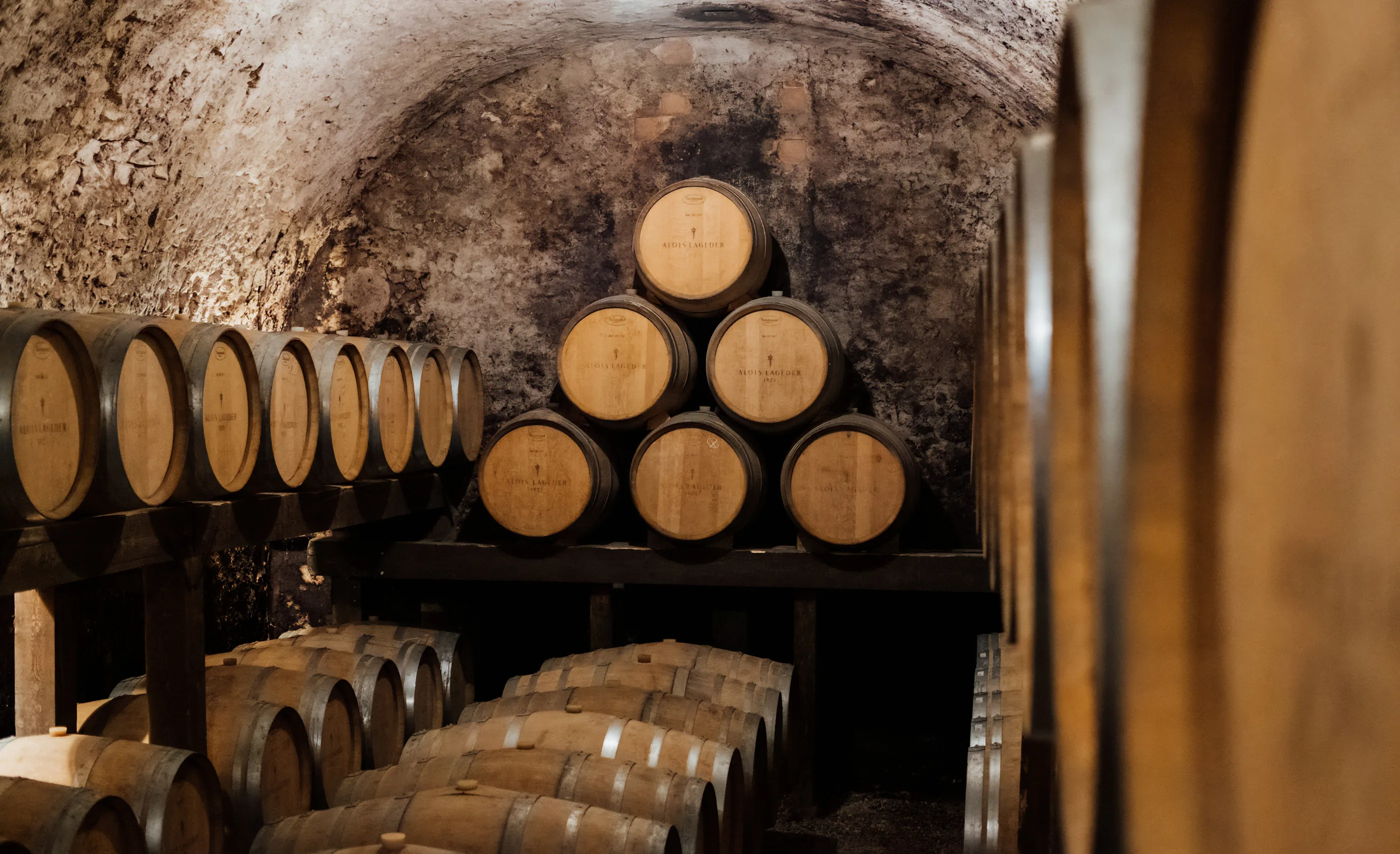
In 2004 Alois Lageder began turning his family’s vineyards over to biodynamic farming, and the vines were not what gave him the most trouble. One of his vineyard managers could not accept the new methods and left. Four years later, in 2008, the estate released its first biodynamically certified wines. The winery at Magrè dates back to 1823 and is now run by the sixth generation, Alois Clemens, Helena and Anna Lageder.
Alto Adige, the largely German-speaking South Tyrol, is Italy’s northernmost wine region, a set of mountain valleys running up towards the Dolomites. It is known above all for fresh, precise whites, and it has a red grape of its own in Vernatsch, which makes a light red for drinking young. Lageder’s flagship Chardonnay is labelled Vigneti delle Dolomiti, a wider regional name.
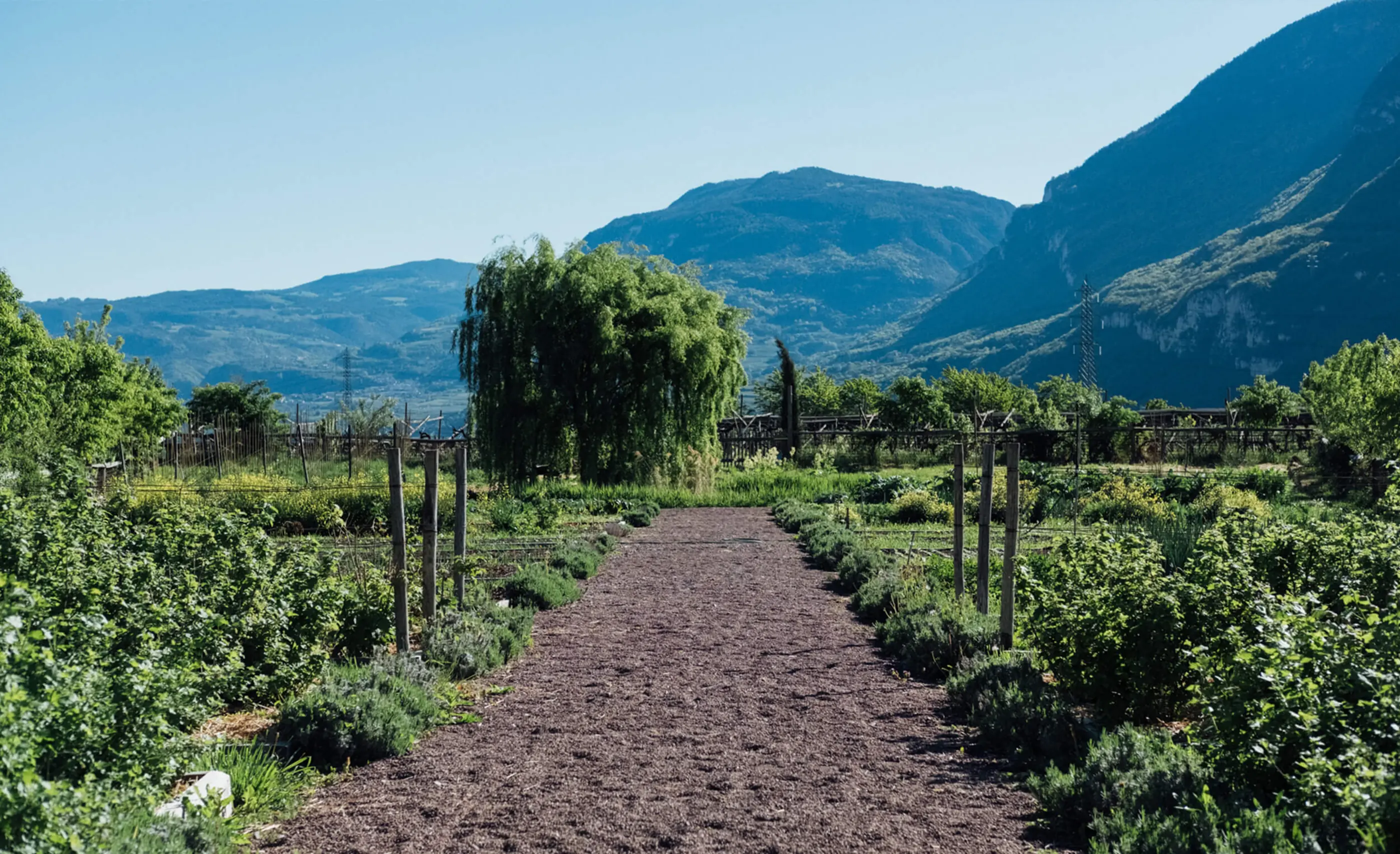
The family owns 55 hectares, and it buys grapes from another 85 hectares farmed by about 60 partner growers across the region. Bringing those growers along took 13 years. Lageder now pays for grapes on a scale that rewards practices such as cover crops and hedges, and by its own count every partner farms organically or biodynamically. On the family’s land, oxen and cows graze among the vines and pigs are part of the farm. At Römigberg, a vineyard that ripened so unevenly the family considered pulling it out, sheep and cattle brought down from the mountains to winter in the vineyard from 2010 left it healthy and ripening evenly.
The certificates follow that split between company and farm. The EU organic register lists the winery company, Alois Lageder AG, under ABCERT for making and selling wine, and the family farm company, Ansitz Hirschprunn, for its vineyards. Demeter Italia lists Alois Lageder SpA for wine. From the 2024 vintage, the winery says, every wine it makes is certified organic or biodynamic except one, Misto Mare. That blend uses grapes from partner vineyards still converting and from the edge rows that border neighbours, where their sprays can drift in, and the winery names the exception on the wine’s own page.
Löwengang Chardonnay, from selected parcels at Magrè, is the flagship. The Vernatsch costs about a fifth as much and is the easy way in.
“to convert a vineyard is relatively easy, to convert people is very difficult”
Why it’s remarkable
Free Bacchus Verification
EU organic (ABCERT) and Demeter for the wine · from 2024, all but Misto Mare
Certified2
- EU organic, ABCERT: the winery company Alois Lageder AG (IT-BIO-013.380-0005274, wine) and the family farm Ansitz Hirschprunn (IT-BIO-013.380-0027236, vineyards)
- Demeter Italia lists Alois Lageder SpA for wine
This page covers
The wines from the 2024 vintage, every one except Misto Mare certified organic or biodynamic, the producer says.
Not covered1
- Misto Mare
Also on record1
- Part of the fruit comes from about 60 partner growers
If you’re buying
Cheat sheet
Save it to your phone. Everything you need to recognise this producer, and three things worth saying about it, at a glance in a shop or across a table.