Gravner
The Free Bacchus Story
In 1997 Joško Gravner had a successful winery making clean, modern, well-received white wine in Friuli. He then dismantled the entire approach and started fermenting his whites on the skins for months at a time — first in large wooden vats, then, from 2001, in Georgian clay amphorae buried in the floor of his cellar.
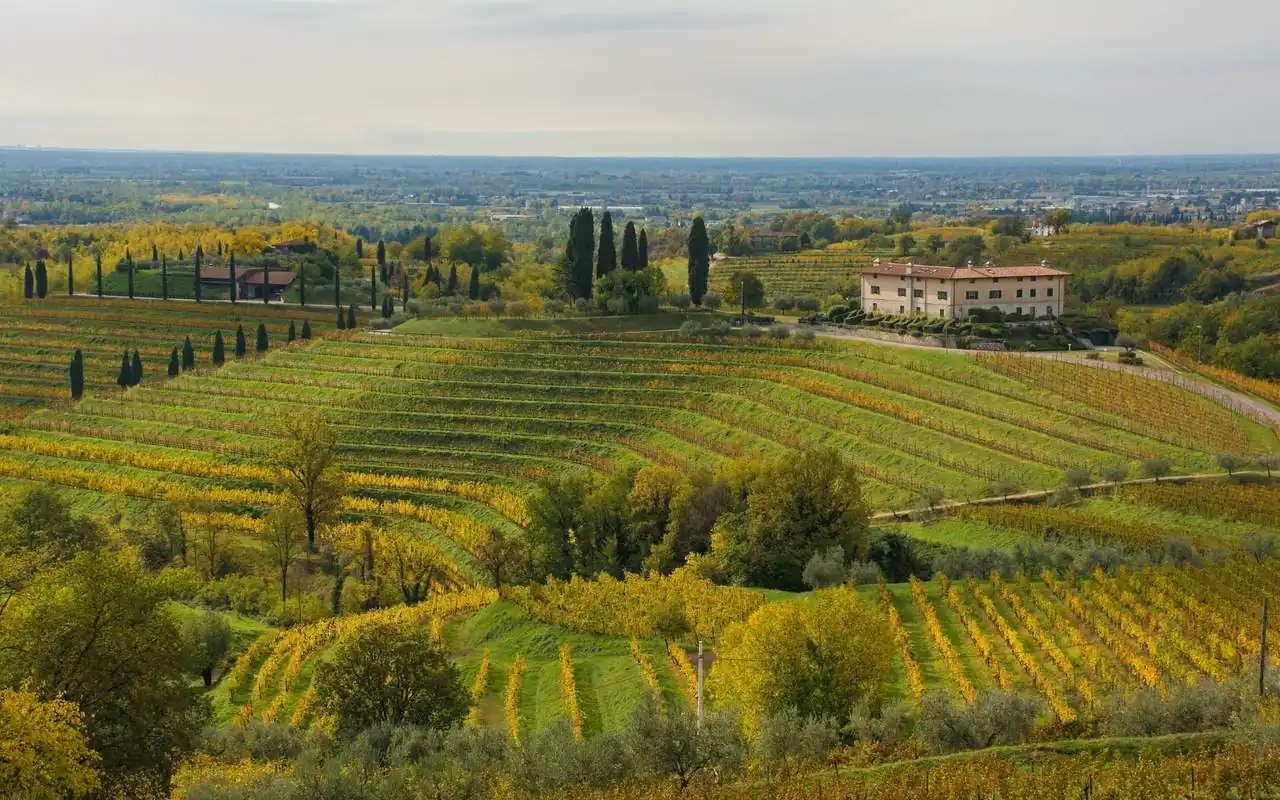
The market's initial response was not kind. The wines came out amber rather than pale, tannic in a way white wine is not supposed to be, and several importers walked away. Before he ever went to Georgia he had tried a small batch in terracotta at the family's three-hundred-year-old house just over the border in Slovenia. He kept going, and the amphora, the qvevri, a technology roughly eight thousand years old, turned out to be the beginning of a category rather than the end of a career. A great deal of what the world now calls orange wine traces back to this cellar in Oslavia. The qvevri are buried beneath the cellar floor, lined with beeswax, and hold between 1,300 and 2,400 litres each.
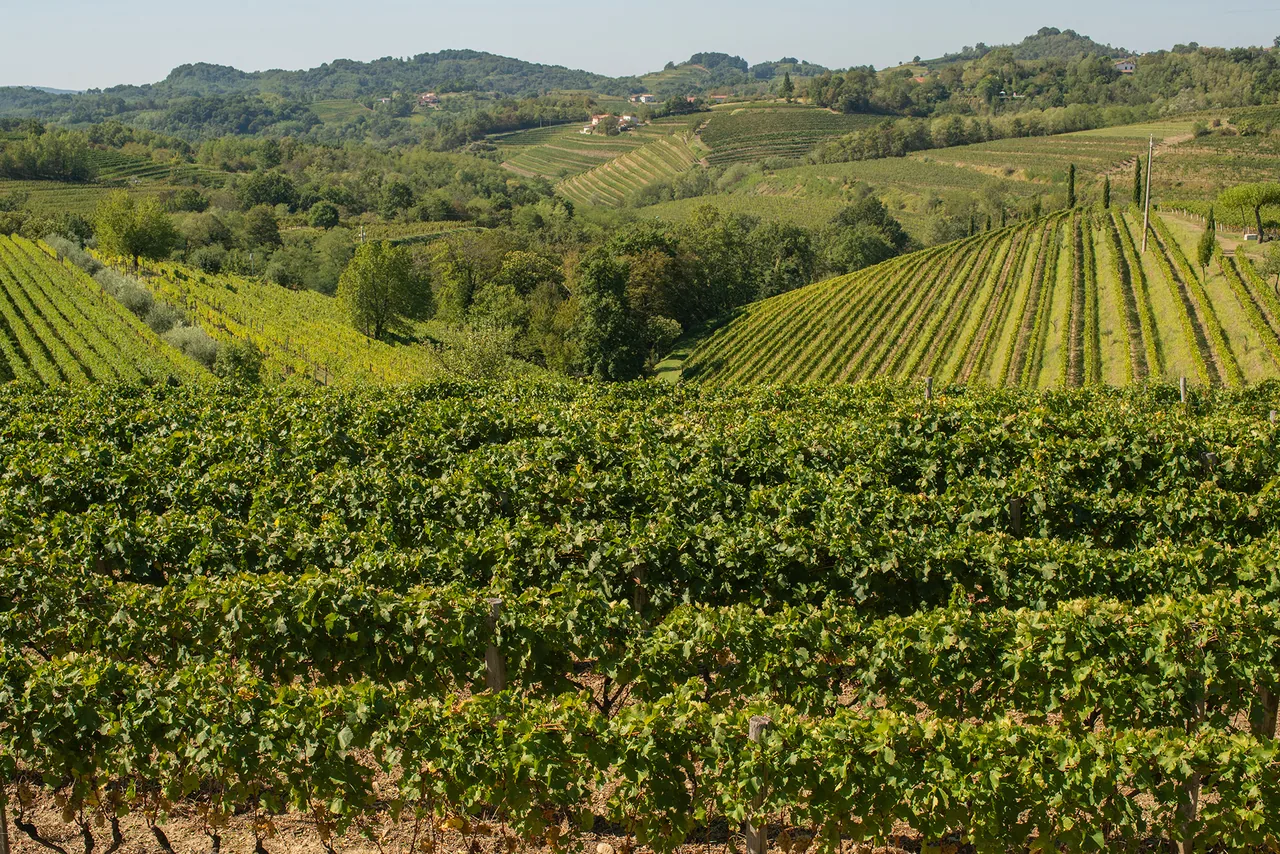
The estate is farmed without synthetic chemistry, the fermentations run wild, and sulphur use is minimal, though he calls it essential. The Ribolla is the reference bottling, and the wines are released after long ageing rather than to the market's schedule — often many years after harvest, which is expensive in a way that mostly goes unnoticed by anyone not financing it.
Gravner is worth knowing about even if the style does not appeal, because it is the clearest instance in modern wine of a producer taking a genuine commercial risk on a conviction about method. He was not repositioning. He was, for several years, simply losing.
“The recipient doesn’t make a good wine — good grapes make good wine.”
Why it’s remarkable
Free Bacchus Verification
Farmed without chemicals, uncertified by the producer’s choice
Verified practice1
- Farmed without chemicals, in the producer’s own words, corroborated independently
Also on record3
- No certificate, by the producer’s choice — absent from the EU organic register, the Friuli regional register and Demeter’s international register, each searched with controls
- Uncertified by the producer’s stated choice: “something for my heart not the market”
- Track B is capped at Gold
If you’re buying
Cheat sheet
Save it to your phone. Everything you need to recognise this producer, and three things worth saying about it, at a glance in a shop or across a table.