Foradori
The Free Bacchus Story
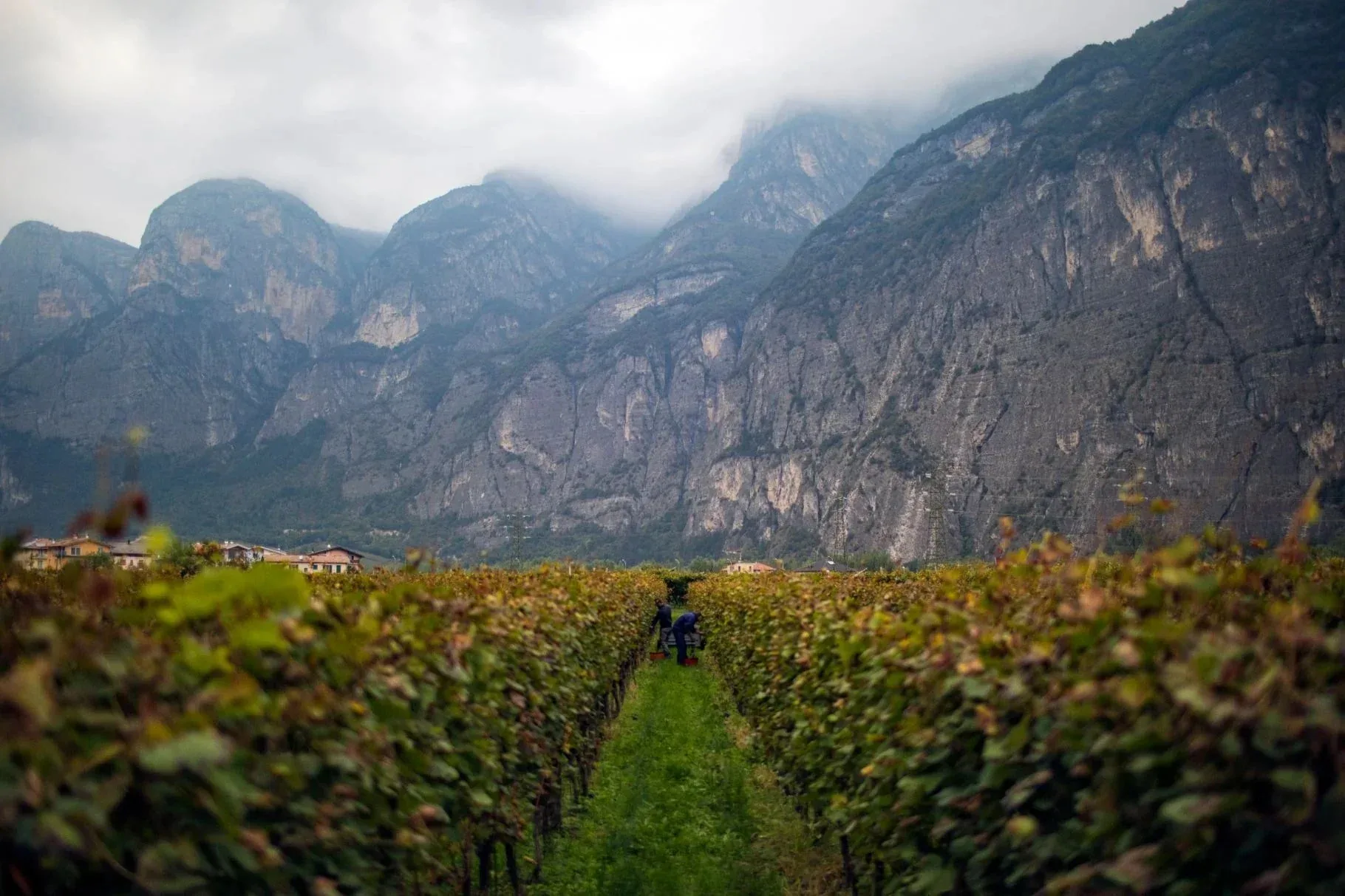
Teroldego is a grape almost nobody outside northern Italy has heard of, and by the 1980s it was well on its way to being a bulk commodity — high-yielding, undistinguished, planted for volume on the flat gravel of the Campo Rotaliano.
Elisabetta Foradori took over her family's estate in Trentino at twenty, after her father's death, and spent the following decades doing something slower and more interesting than replanting to something fashionable. She went back to the estate's oldest Teroldego vines, propagated from the best of them by massal selection, and rebuilt a genetic base that the industry had spent a generation narrowing. The estate has been farmed biodynamically since 2002 and certified by Demeter since 2009.
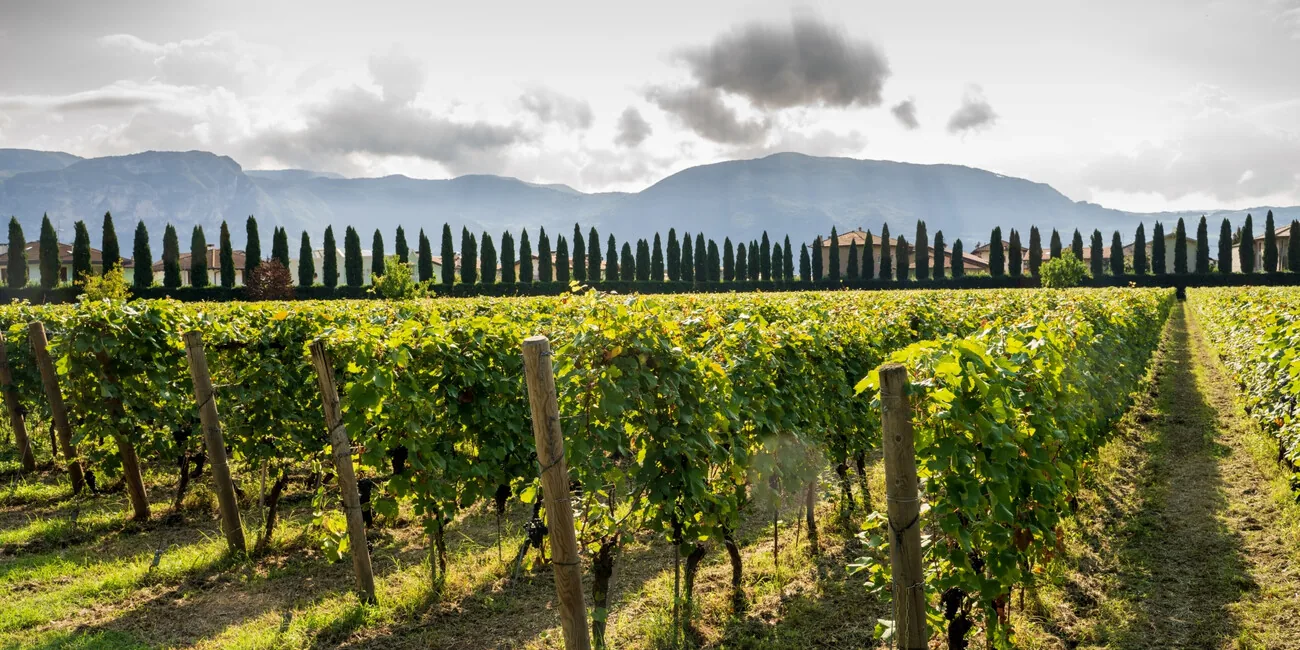
Six hectares of clonal Teroldego came out and went back in as cuttings taken from the estate's own oldest vines. Ripping out newly planted, high-yielding clones struck others in the region as crazy.
The results include Granato, from the old pergola vines that supplied those cuttings, and a Nosiola aged in Spanish clay amphorae. Granato, first bottled in 1986, is the wine that put Teroldego on the international map, and Wine Advocate has scored it 94.
What we find instructive here is the timescale. Selecting and propagating vine material is decades of work with no visible product for most of it, undertaken on the assumption that the grape deserved better than it was getting. Most agricultural recovery looks like this: patient, unglamorous, and largely invisible from the shelf.
Why it’s remarkable
Free Bacchus Verification
ICEA organic · Demeter Italia biodynamic
Certified2
- ICEA organic (IT-BIO-006) — Azienda Agricola Foradori S.S., Mezzolombardo, grapes and wine, valid to 30 June 2029
- Demeter biodynamic — listed by Demeter Italia for grapes and wine; certified since 2009, farmed biodynamically since 2002
If you’re buying
Cheat sheet
Save it to your phone. Everything you need to recognise this producer, and three things worth saying about it, at a glance in a shop or across a table.