Felton Road
The Free Bacchus Story
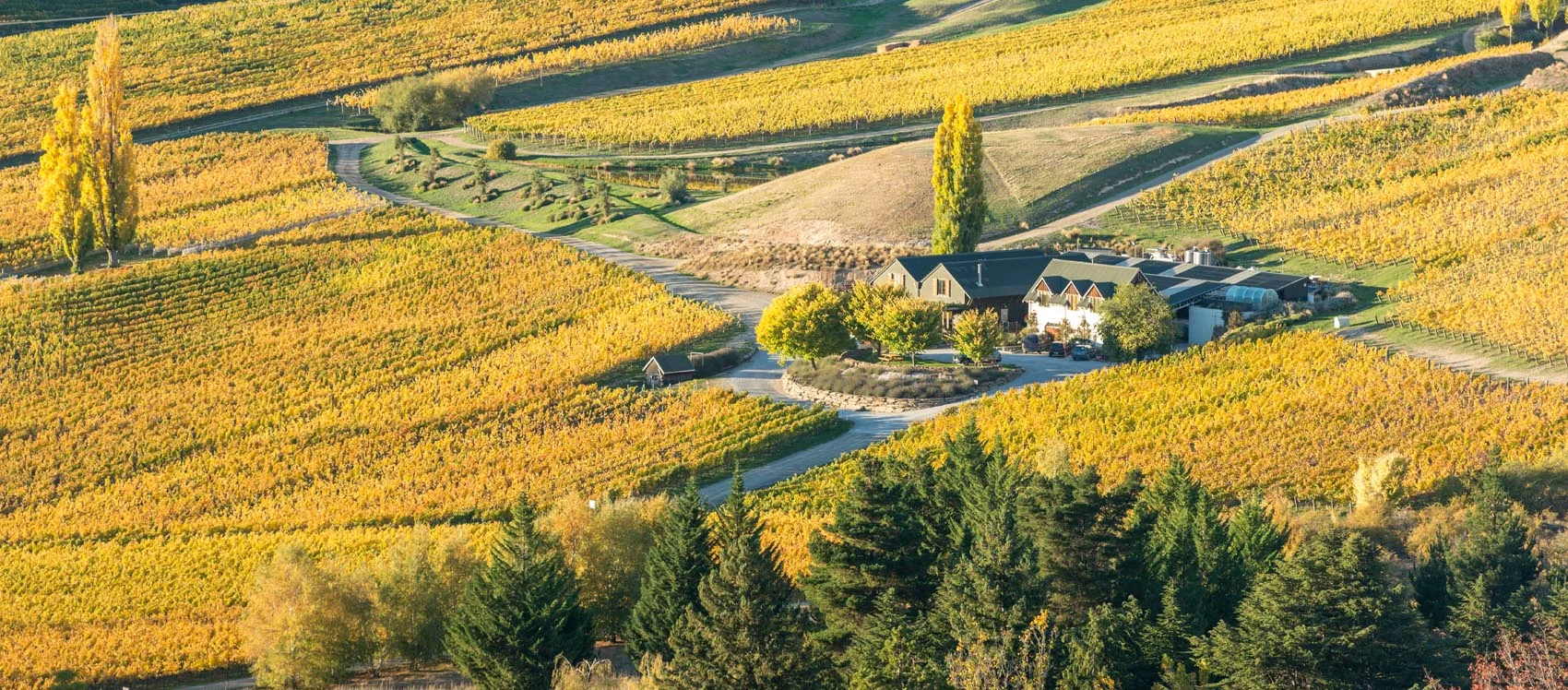
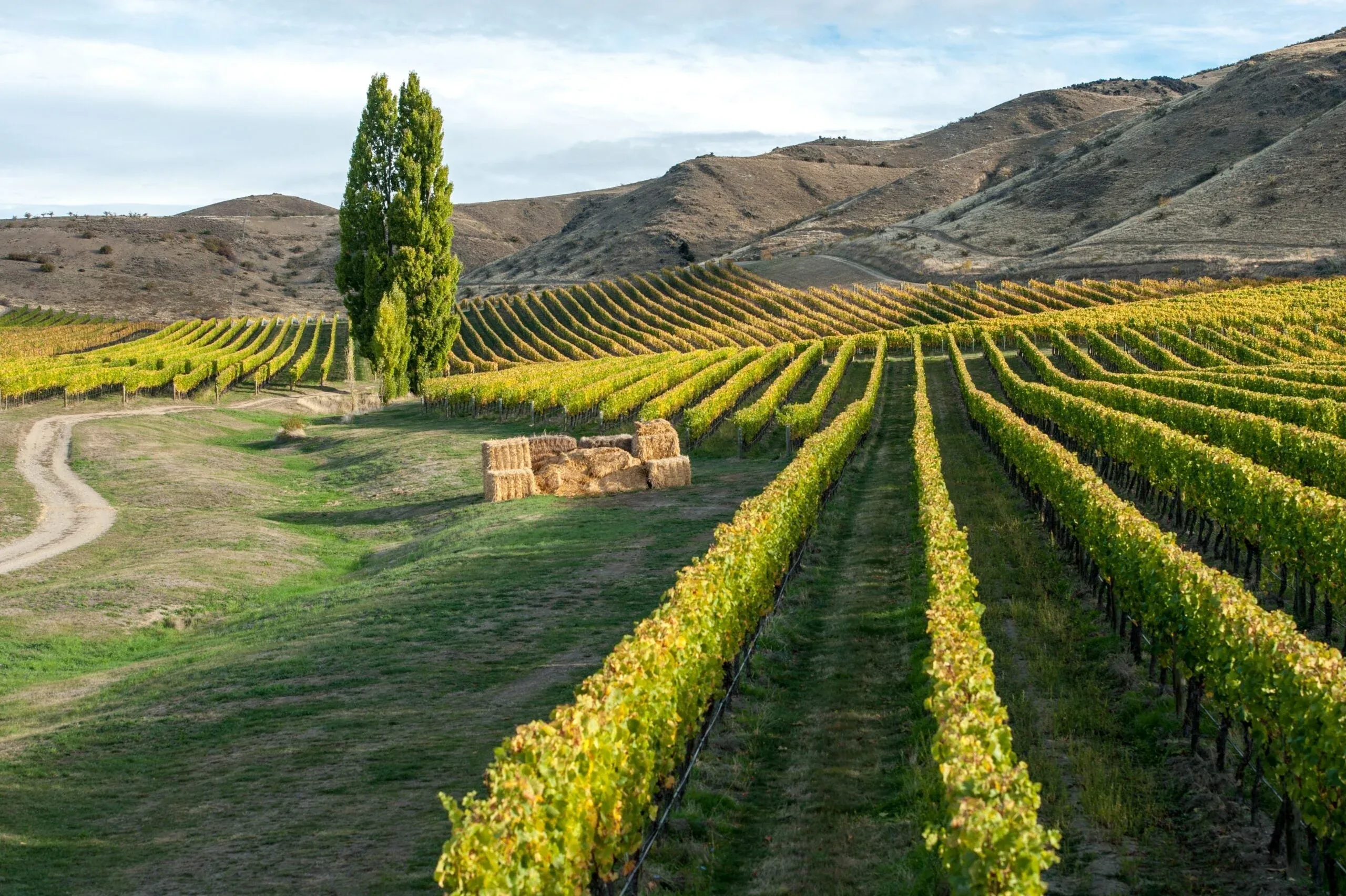
The organic register for Felton Road lists pasture alongside the grapes. Two of the four vineyards, Calvert and The Elms, carry certified pasture as well as vines, which is the plainest evidence you will find that animals are part of how this estate is farmed rather than a photograph on its website. The vineyards sit at Bannockburn in Central Otago, one of the most southerly wine regions in the world, where winter frost can take a crop and the growing season is short. Farming without the usual chemical safety net is a bigger decision there than it would be somewhere warm and dry: there are fewer tools when a hard season arrives, and a bad year lands on the balance sheet rather than on a spray schedule.
Nigel Greening has owned the estate since 2000. He was a guitarist in 1970s London long before he was a winery owner, and he describes his own role as the helmsman.
He did not want the certificates. By his own account to The World of Fine Wine, more and more spurious claims were appearing in the market, he expected a backlash, and he could see a day when they would “need certification or we’d look stupid”. The biodynamic certificate was in place by April 2006.
Both certificates are on the registers, and the organic one is unusually specific. BioGro, New Zealand’s organic certifier, lists licence 5877 for Felton Road Wines with the grapes certified vineyard by vineyard — Calvert, Cornish Point, MacMuir and The Elms — together with the pasture, the winemaking and every wine from the 2020 to the 2026 vintage, all issued and valid to February 2027. Demeter New Zealand lists the estate as a biodynamic producer, operator NZ-141. That Demeter record prints a validity date of February 2026, which has passed, but so do the records of the other two New Zealand Demeter estates we checked, to the day; we read that as a stale entry in the register rather than a lapse, and we say so rather than choose.
The wine to know first is the Block 3 Pinot Noir, made from a single parcel rather than blended towards a house style. The Wine Advocate has given it 97 points, and the estate has been named Best New Zealand Red at the Decanter World Wine Awards.
Nineteen years after taking the biodynamic certificate, Greening said he did not want any more: “I think we can do this with just common sense and science.” He is keeping the two he has, organic because there is no other clear message for a drinker and biodynamic because so much of it works, and he will not let either define the estate. He has also stopped calling what he makes fine wine, a notion he told The Drinks Business is “based around over-priced snobbery”.
“We’re not sustainable. Nobody’s sustainable.”
Why it’s remarkable
Free Bacchus Verification
BioGro organic · Demeter New Zealand biodynamic
Certified3
- Organic: BioGro licence 5877, issued and valid to 28 February 2027 — wine grapes at all four vineyards (Calvert, Cornish Point, MacMuir and The Elms), pasture, the winemaking, and each wine by vintage
- Biodynamic: Demeter New Zealand, operator NZ-141, producer
- The Demeter record prints a validity date of 28 February 2026, now passed; the other New Zealand Demeter estates print the same date, so we read it as a stale entry and record it as open rather than as a lapse
If you’re buying
Cheat sheet
Save it to your phone. Everything you need to recognise this producer, and three things worth saying about it, at a glance in a shop or across a table.